LED LIGHTING

world's #1 led lighting review site

How to schedule lighting automation with a smart LED system?

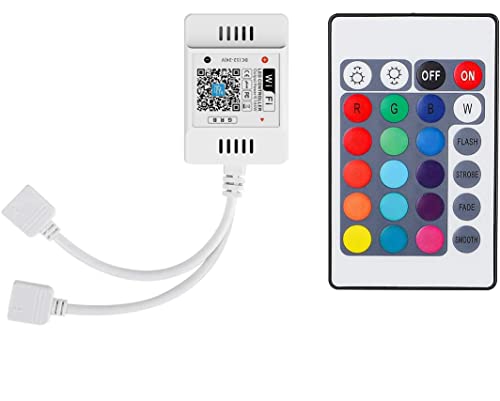
SUPERNIGHT RGB Controller, 2-Ports WiFi LED Controller works with Alexa/Google Assistant/IFTTT, Compatible with Android/iOS System for 5050 3528 2835 LED Strips, DC5-28V Wireless Smart Controller

The step-by-step guide “How to schedule lighting automation with a smart LED system?” is a helpful resource that will show you how to take advantage of smart LED lighting systems to create customized lighting schedules. By following the steps outlined in the guide, you’ll be able to easily control and automate your lights to enhance your home or office environment.

Top-Selling Smart LED Lighting Systems

[content-egg-block modules=AmazonNoApi template=offers_grid cols=3 groups=”SectionIntro”]

Setting Up Smart Lights: A Step-by-Step Guide to LED Lights with WiFi

[content-egg module=Youtube template=responsive_embed hide=title,description limit=1]

1

Step 1: Set up your smart LED lighting system

To start setting up your smart LED lighting system, ensure that you have installed the required hardware. For instance, if you’re using smart light bulbs, screw them into the appropriate sockets. If you’re using smart light switches, replace the existing switches with the smart ones.

Next, connect the smart LED lighting devices to your home or office network. If you’re using smart light bulbs, follow the manufacturer’s instructions to connect them to your Wi-Fi network using the accompanying mobile app or hub. If you’re using smart light switches, connect them to your network by following the specific setup process provided by the manufacturer.

Remember, setting up your smart LED lighting system correctly is crucial to ensure smooth operation and easy control, so carefully follow the instructions provided with your devices.

[content-egg-block modules=AmazonNoApi template=offers_grid cols=3 groups=”Step1″]

2

Step 2: Install the smart LED lighting app

To install the smart LED lighting app, follow these simple steps:

  1. Open the app store on your mobile device (e.g., App Store for iOS or Google Play Store for Android).
  2. Search for the name of the smart LED lighting app (e.g., “SmartLights” or “LED Control”).
  3. Once you find the app, tap on it to open the app page.
  4. Click on the “Install” button to start the installation process.
  5. Wait for the app to download and install on your device. This may take a few moments depending on your internet connection.
  6. Once the app is installed, open it and follow the on-screen instructions to set up and connect your smart LED lights.

For example, if you have Philips Hue lights, you would search for “Philips Hue” in the app store and install the official Philips Hue app. Similarly, if you have LIFX lights, you would search for “LIFX” and install their app. Just make sure to choose the app that corresponds to your specific brand and model of smart LED lights.

3

Step 3: Connect the app to your smart LED lighting system

To connect the app to your smart LED lighting system, please follow the step-by-step instructions below:

  • Install the app on your smartphone or tablet.
  • Open the app and navigate to the settings menu.
  • Find the option to connect to your network and select it.
  • Choose your home or office network from the list of available options.
  • Enter your network password when prompted.
  • Once the app is connected to your network, go back to the settings menu.
  • Look for the option to pair the app with your smart LED lights.
  • Follow the on-screen instructions to complete the pairing process.

Now you’re all set to control your smart LED lighting system using the app on your device! Enjoy the convenience and flexibility of managing your lights with just a few taps.

4

Step 4: Explore the scheduling features

To explore the scheduling features on your connected smart LED lighting system, start by accessing the app on your device. Next, navigate to the settings or options menu and look for the scheduling feature. Once you find it, click on it to open the scheduling settings. From there, you can start exploring the different options and features available, such as setting specific times for your lights to turn on and off, or creating custom lighting scenes. Take your time to familiarize yourself with these settings and make adjustments according to your preferences.

[content-egg-block modules=AmazonNoApi template=offers_grid cols=3 groups=”Step4″]

5

Step 5: Create a lighting schedule

To create your lighting schedule, begin by determining the specific times you want your lights to turn on and off throughout the day and week. Create separate schedules for weekdays and weekends if desired, or even set up custom lighting scenes for different occasions. You can easily configure these settings in your smart lighting system’s app or control panel. Make sure to save and activate your lighting schedule once it’s set up.

6

Step 6: Customize your lighting scenes

To customize your lighting scenes and take your lighting automation to the next level, follow these simple steps:

  1. Open your smart LED lighting app on your smartphone or tablet.
  2. Navigate to the settings or preferences section of the app.
  3. Look for an option to create or edit lighting scenes.
  4. Tap on the option to create a new scene.
  5. Give your scene a descriptive name, such as “cozy evening” or “bright morning”.
  6. Select the desired lights from your smart lighting system and adjust their brightness and color to create the desired ambiance.
  7. Save the scene settings.
  8. Repeat the process to create additional scenes, each with a unique mood or lighting preset.
  9. Once you have created your scenes, you can easily activate them with a single tap on the app whenever you want to set the perfect lighting mood in your home.

Remember, customizing your lighting scenes allows you to easily create and access different lighting presets, making it a breeze to set the perfect ambiance for any occasion.

7

Step 7: Test and adjust your schedule

To test and adjust your lighting schedule, follow these steps:

  • Turn on your lights and observe whether they turn on and off according to your scheduled scenes.
  • If the lights are not turning on or off as intended, check the settings of your lighting automation system.
  • Make any necessary adjustments to the schedule or scenes to achieve your desired lighting automation.
  • Test the changes by turning on and off the lights again to ensure they now follow the adjusted schedule accurately.
8

Step 8: Fine-tune your automation settings

Take advantage of the additional settings and features available in your smart LED lighting system to optimize your lighting automation. Adjust the dimming levels to create the perfect ambiance for different occasions. Experiment with color changes to set the mood or match your personal preferences. If your smart LED lighting system is equipped with motion sensors, consider integrating them into your automation settings for added convenience and energy savings.

9

Step 9: Monitor and manage your lighting automation

To monitor and manage your lighting automation, follow these simple steps:

  1. Regularly check your schedules: Verify that your pre-programmed schedules are turning your lights on and off at the desired times. For example, if you have a schedule to turn on your porch light at 7 p.m., go outside and make sure it’s working as expected.
  2. Review your scenes: Scenes allow you to create different lighting moods for various occasions. Take a moment to review your scenes and ensure they are still suitable for your needs. For instance, if you have a “Movie Night” scene, try it out to ensure it sets the desired ambiance.
  3. Make necessary adjustments: If you find any issues or areas for improvement, make the necessary adjustments to your automation settings. This could involve modifying schedules, fine-tuning scene settings, or even adding new automation rules. Remember to test your changes to ensure they work correctly.

By regularly monitoring and managing your lighting automation, you can ensure that your system remains effective and meets your needs. Don’t hesitate to make adjustments as your preferences or daily routines change.

10

Step 10: Enjoy the benefits of lighting automation

Congratulations! Now that you have successfully scheduled lighting automation with your smart LED system, it’s time to sit back, relax, and enjoy the benefits. Experience the convenience of having your lights turn on and off automatically, saving you time and effort. Not only will you enjoy the added convenience, but you’ll also see a reduction in your energy usage and cost savings on your electricity bill. So go ahead and bask in the comfort and efficiency of your fully automated lighting system!

Wrap up and take control

In conclusion, scheduling lighting automation with a smart LED system is a breeze and brings countless benefits to your home or office. By following the simple steps mentioned in this blog post, you will have the power to personalize your lighting schedules and create the perfect ambiance. So don’t wait any longer, start enjoying the convenience and comfort of a smart LED system today!

Essential Equipment

  • Smart LED lighting system
  • Smart LED lighting app
  • Smartphone or tablet
  • Wi-Fi network
  • Power source
  • Lighting fixtures and bulbs (if not included in the smart LED lighting system)
  • Compatible smart home hub or bridge (if required by the smart LED lighting system)

[content-egg-block modules=AmazonNoApi template=offers_list groups=”Materials”]

Smart Lighting Automation Tips

  • Familiarize yourself with the features of your smart LED system: Before getting started with scheduling lighting automation, it’s important to understand the capabilities of your smart LED system. Explore the different options and settings available to ensure you can make the most out of the automation features
  • Identify the areas or rooms where you want to have lighting automation: Decide which areas or rooms in your home you would like to automate with smart LED lighting. It could be your living room, bedroom, or any other space where you often require automated lighting control
  • Determine the purpose of the automation: Think about why you want to automate your lighting system. Is it to save energy, create ambiance, improve security, or enhance convenience? Knowing the purpose will help you plan the automation schedule accordingly
  • Create a lighting schedule based on your daily routine: Consider your daily routine and think about the times when you usually require lighting. This might include waking up in the morning, going to work, coming back home, or going to bed. Create a schedule that aligns with these activities to ensure your lighting system is conveniently automated
  • Customize the schedule: Most smart LED systems allow you to customize the automation schedule based on your preferences. Take advantage of this feature to fine-tune the lighting control according to your specific needs. For example, you can adjust the brightness level, color temperature, or even create different presets for different occasions
  • Explore sunset and sunrise options: Some smart LED systems have the ability to sync with local sunset and sunrise times. This means your lights can automatically adjust themselves based on the natural daylight outside. This feature can provide a more seamless and natural transition between lighting modes throughout the day
  • Consider motion sensors: If you want to take your lighting automation to the next level, consider incorporating motion sensors into your setup. Motion sensors can detect when someone enters or leaves a room, and automatically turn the lights on or off accordingly. This can be particularly useful in areas like hallways or bathrooms
  • Test and adjust: Once you have set up your lighting automation schedule, it’s a good idea to test it out and make any necessary adjustments. Pay attention to how the lights respond and ensure they are activating and deactivating at the desired times. Fine-tuning might be required initially, but it will be worth it for a seamless automation experience
  • Stay up to date with firmware updates: Smart LED systems often receive firmware updates to enhance performance, add new features, or fix bugs. Make sure to stay informed about these updates and keep your system up to date. This will ensure you have access to the latest features and improvements in your lighting automation setup
  • Don’t forget manual control: While automation is convenient, it’s always useful to have manual control as a backup. Familiarize yourself with how to manually operate your smart LED system in case you need to override or adjust the automation schedule for any reason
64 comments
Max

I love the idea of customizing lighting scenes. Are there any tips or recommendations for creating unique and atmospheric scenes?

    leds.to

    Absolutely! When creating lighting scenes, think about the mood or ambiance you want to achieve. You can experiment with different color combinations, brightness levels, and even dynamic effects like fading or pulsing. Don’t be afraid to get creative and try out different combinations until you find the perfect scene that matches your desired atmosphere.

Nina

I think it would be interesting to explore the energy-saving benefits of using smart LED lighting systems. Maybe you can cover this topic in a future article?

    leds.to

    Absolutely! Energy-saving benefits are an important aspect of smart LED lighting systems. I’ll make a note to cover this topic in a future article. Thank you for the suggestion!

Dash

This guide was really helpful in setting up my smart LED lighting system. I followed the steps and everything worked smoothly. Thank you!

Cruz

I found it helpful to synchronize my smart LED lighting system with my smart home assistant. Now I can control my lights with voice commands. Maybe you can include this tip in the guide!

    leds.to

    That’s a great suggestion! Synchronizing your smart LED lighting system with a smart home assistant can indeed enhance the convenience and accessibility of controlling your lights. I’ll definitely consider adding this tip to the guide. Thank you for sharing your experience!

Zara

I adapted the steps in the guide to create a sunrise simulation schedule for my smart LED lights. It’s been a game-changer for waking up in the morning. Thanks for the inspiration!

    leds.to

    That’s fantastic to hear! Sunrise simulation schedules can be a great way to start your day off on a gentle note. I’m glad the guide inspired you to try it out. If you have any other creative adaptations or tips, feel free to share them!

Shea

You’re welcome! I’m glad the guide was helpful for you. If you have any further questions or need assistance with anything else, feel free to ask.

Ruby

I prefer using motion sensors to automate my lighting instead of scheduling. It saves me the hassle of manually setting up schedules. What are your thoughts on using motion sensors?

    leds.to

    Using motion sensors to automate lighting is a great alternative to scheduling. It can provide convenience and energy efficiency by only turning on the lights when needed. It’s definitely worth considering for those who prefer a more hands-off approach to lighting automation. Thank you for bringing this up!

Birdie Rocha

I dont understand why anyone would want to schedule their lights. Just flick the switch!

Lily

I encountered some technical issues while trying to connect multiple smart LED lighting systems to the app. Are there any known limitations or compatibility issues I should be aware of?

    leds.to

    I’m sorry to hear about the technical issues you faced. While most smart LED lighting apps support multiple systems, there can be compatibility limitations depending on the specific brands and models. I recommend checking the app’s documentation or contacting the manufacturer’s customer support to ensure compatibility and troubleshoot any issues you may be experiencing.

Asher Stevens

Why bother with smart LED systems when regular light bulbs do the job just fine? 🤔

Jade

Could you recommend any specific smart LED lighting systems and apps that work well together? I’m new to this and not sure which brands to go for.

    leds.to

    Certainly! Some popular smart LED lighting systems include Philips Hue, LIFX, and Nanoleaf. For the apps, you can try the Philips Hue app, LIFX app, or the Nanoleaf app depending on the system you choose. These brands are known for their compatibility and user-friendly interfaces.

Issac Lyons

I think smart LEDs are overrated. Just stick to regular bulbs!

    Emberlynn

    Smart LEDs offer energy savings, customizable lighting options, and convenience. Regular bulbs are outdated and inefficient. Embrace the future of lighting technology and enjoy the benefits of smart LEDs. Dont limit yourself to the past when the future is bright with smart lighting solutions.

Leo

I’ve had some trouble connecting the app to my smart LED lighting system. Any tips on how to troubleshoot this issue?

    leds.to

    I’m sorry to hear that you’re experiencing difficulties. The first step would be to ensure that your smart LED lighting system and your smartphone are connected to the same Wi-Fi network. If the issue persists, try restarting both your smartphone and the smart LED lighting system. You can also check for any firmware updates for your lighting system and app. If the problem still persists, I recommend reaching out to the manufacturer’s customer support for further assistance.

Rose

I used the guide to set up lighting automation for my outdoor landscape lighting. It has made my garden look stunning at night. Thank you for the step-by-step instructions!

    leds.to

    You’re welcome! I’m thrilled to hear that the guide helped you set up lighting automation for your outdoor landscape. It must be a beautiful sight to see your garden illuminated at night. If you have any other questions or need further assistance, feel free to reach out.

Octavia

Smart LED systems are overrated. I prefer traditional bulbs for ambiance.

Rodrigo Bailey

I think smart LED lights are overrated. Who needs fancy scheduling? Keep it simple!

Elijah Mayer

I dont trust smart LED systems. Too much control? What about privacy? 🤔

Rodrigo Mendez

I think scheduling lights is unnecessary, just turn them on/off manually! 🤷‍♂️

Ernesto Gallegos

I think smart LED lights are overrated. Natural lighting is the way to go!

    Jasiah

    Sure, natural lighting is great during the day, but what about at night or in dark rooms? Smart LED lights offer convenience, energy efficiency, and customization options that natural lighting simply cant provide. They have their own advantages, so lets not dismiss them completely.

Rex Mann

I think scheduling lights is cool, but can we discuss smart bulbs impact on sleep?

Casen

I think smart LED lights are overrated. Give me regular bulbs any day!

Melvin

I think scheduling lights is overrated! Just turn them on/off manually, no need for apps.

Skyla

Is it really necessary to schedule lighting? Why not just use switches? 🤔

Dax

Why bother with smart lights when candles are more romantic? 🕯️🤔

Maren

Why bother with smart lights when candles are more romantic? #BacktoBasics 🕯️

Rowyn

Why not just stick to regular light switches? Seems like a hassle.

Vida

Is it just me or does setting up smart lights feel like a techy dance party?

Moshe Lawrence

I believe setting up a smart LED system should be easier. Why so complicated?

Ben Arroyo

Why bother with smart LED lights when candles are more romantic? 🕯️

Khari Stephenson

Smart LED lights are overrated! I prefer the good old manual switches.

    Kailani

    Manual switches may be nostalgic, but smart LED lights offer convenience and energy savings that cant be beat. Embrace the future and enjoy the perks of automation. Once you go smart, you wont look back!

Celeste

I dont get why we need all this smart tech for lights. Just use a switch!

Charlee Beasley

I think scheduling lighting can mess up our natural sleep cycle.

Lenora

Why bother with smart LEDs when candles are just as cozy? 🕯️

Thea Koch

What if smart LED lights are making us lazy? Are we losing manual control?

Creed Young

I reckon the article didnt touch on the potential security issues of these smart LED systems. Are they prone to hacking? Can people manipulate your lighting setup from afar? Would be really helpful if you could delve into that aspect. What safeguards are in place here?

Kehlani

Just stumbled upon this article and Im curious, isnt there a risk of WiFi interference with other devices while setting up these Smart LED systems? And what about the energy consumption? Do these top-selling smart LED systems guarantee energy efficiency or are they more of a luxury gadget? Would love to hear your thoughts on this.

Amari

Interesting article, but I wonder, wouldnt constant WiFi usage for lighting automation significantly increase our internet data consumption? Has any research been done on this aspect?

Jonathan Ho

Interesting read! But, what about the energy consumption of these smart LEDs? Are they as energy-efficient as traditional LED lights or is the convenience coming with an added cost?

Elise Dixon

I dont get the hype around smart LED systems. Seems like a lot of effort for just turning lights on and off. Who has time to schedule lighting anyway? Just give me a good old-fashioned switch any day.

Lyra Mcclure

Im not convinced that scheduling lighting automation is worth the effort. I prefer just flipping a switch when needed. Whos with me on this? Lets keep it simple, folks!

Adalynn

I think setting up smart LED lights is cool and all, but do we really need all this automation? What happened to just flipping a switch? Are we getting lazy or just tech-savvy?

Santana

While the article is enlightening, arent we just feeding the laziness epidemic by automating everything, even our lights? Just a thought.

Lana

Just saying, isnt all this Smart LED stuff making us lazier? What happened to good old manual light switches? Just a thought, guys.

Naya Fischer

While I appreciate the step-by-step guide, Im curious why no one talks about the energy drain these systems cause? Arent we just swapping convenience for sustainability? Lets not forget our eco-responsibilities, folks.

Ayla Barnett

While I appreciate the article, isnt it concerning that were becoming overly reliant on tech? I mean, are we really that lazy to switch our own lights on and off? Just some food for thought.

Leighton

While the article is informative, I think its missing a key point. Why would anyone want to automate their lights? Isnt it just another way to make us even more dependent on technology?

Vida Kelly

Interesting read. Anyone else think that the lighting automation setup process could be simplified for non-tech savvy individuals?

Nicole Mercado

Interesting read. But isnt having WiFi always on for LED lights a bit of an energy drain?