

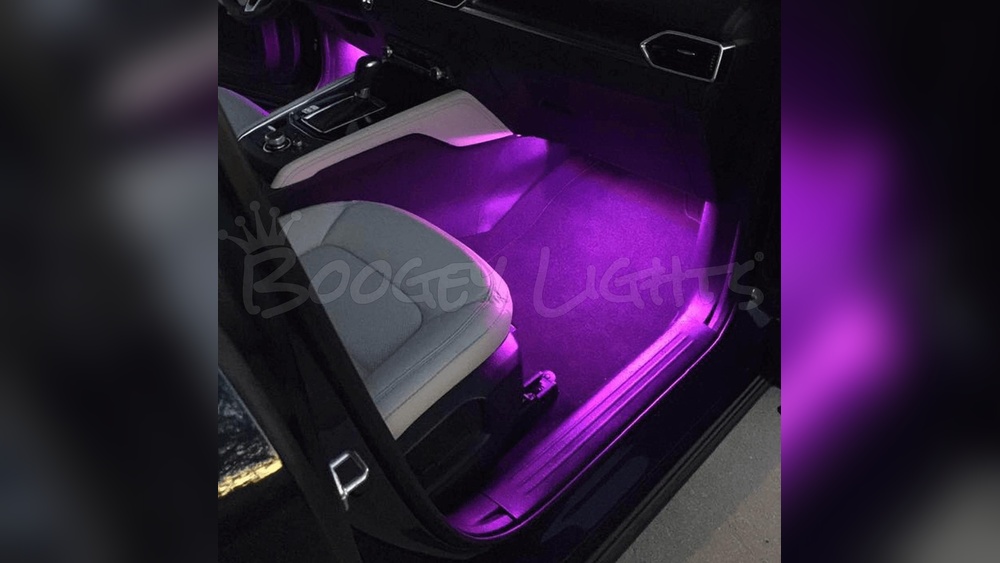
Are you looking to give your car a fresh, modern look? Installing LED lights is one of the easiest and most effective ways to upgrade your vehicle’s style and visibility.
But how do you choose the right LED lights, and what’s the best way to install them? In this guide, you’ll discover simple steps to light up your car like a pro, even if you have no prior experience. By the end, you’ll feel confident and ready to transform your ride with bright, energy-efficient LEDs that turn heads wherever you go.
Keep reading to learn how to make your car shine!
Choosing The Right Led Lights
Choosing the right LED lights for your car is very important. The right lights improve your car’s look and safety. They also save energy and last longer. It helps to know the different types, brightness levels, and energy use before buying LED lights.
Understanding these factors makes picking LED lights easier. This guide breaks down what you need to know. You will learn how to choose lights that fit your car and needs perfectly.
Types Of Led Lights For Cars
LED lights come in various types for cars. Common types include headlights, tail lights, and interior lights. Each type has a specific design for its use. Headlights offer bright, focused light for driving at night. Tail lights help other drivers see your car from behind. Interior lights make the inside of the car visible and stylish. Some LED lights are simple bulbs, while others are complete kits. Choose the type that matches your car’s needs and style.
Brightness And Color Options
Brightness is measured in lumens. Higher lumens mean brighter light. Choose brightness based on where you use the lights. Headlights need high brightness for clear vision. Interior lights can be softer and dimmer. LED lights also come in different colors. White light is common and clear. Some lights offer blue, red, or amber colors for style or signaling. Pick colors that are legal and safe for your area.
Energy Efficiency And Lifespan
LED lights use less power than traditional bulbs. This saves your car battery and fuel. They also produce less heat, reducing damage risk. Lifespan is another key factor. LEDs can last up to 25,000 hours or more. This means fewer replacements and lower costs. Check the product details for energy use and lifespan. Choose LEDs that offer good value and long service.
Tools And Materials Needed
Installing LED lights in a car needs the right tools and materials. Using proper items helps the job go smoothly. It also keeps the LED lights working well for a long time.
Gathering everything before starting saves time and avoids mistakes. Below are the key tools and materials you need for a clean installation.
Basic Tools For Installation
- Screwdrivers (flathead and Phillips) to remove panels
- Wire cutters and strippers for handling wires
- Electrical tape for securing connections
- Multimeter to check voltage and continuity
- Crimping tool to attach connectors firmly
- Plastic pry tools to avoid damage to interior parts
Safety Gear
- Insulated gloves to protect hands from cuts and shocks
- Safety glasses to guard eyes from debris
- Work light to see clearly in dark areas
Additional Accessories
- Fuse tap or add-a-circuit for safe power connection
- Heat shrink tubing to cover wire joints
- Zip ties to organize and secure wiring
- LED-compatible connectors for easy plug-in
- Double-sided tape or mounting brackets for fixing lights
Preparing Your Car For Installation
Preparing your car before installing LED lights is essential. This step ensures a smooth and safe installation. You must handle your car’s lighting system carefully. Proper preparation helps avoid damage and guarantees better results.
Cleaning And Accessing Light Fixtures
Start by cleaning the area around your car’s light fixtures. Dirt and dust can block your view and cause problems. Use a soft cloth and mild cleaner to wipe the surfaces. After cleaning, remove any covers or panels that block access to the bulbs. This gives you space to work and prevents accidental damage.
Checking Electrical Systems
Check your car’s electrical system before removing old bulbs. Look for any signs of damage or loose wires. Use a multimeter to test the voltage if possible. This step ensures your system can support LED lights. It also helps avoid electrical shorts or failures later.
Removing Old Bulbs Safely
Turn off your car and disconnect the battery. This stops any risk of electric shock. Gently twist or pull out the old bulbs, depending on your car model. Avoid using too much force to prevent breaking the bulbs or sockets. Dispose of old bulbs properly to protect the environment.
Step-by-step Installation Process
Installing LED lights in your car can brighten your drives and add style. The process is simple with clear steps. Follow each part carefully for a smooth setup. This guide breaks down the installation into three main types of LED lights.
Installing Led Headlights
Start by turning off the car and opening the hood. Locate the headlight housing at the front of your car. Remove the cover or screws to access the bulb. Gently take out the old bulb by twisting or pulling it. Insert the new LED bulb into the socket carefully. Secure the bulb by twisting it back in place. Replace the cover or screws and close the hood. Test the headlights to ensure they light up correctly.
Installing Led Interior Lights
Switch off the car and open the door to access interior lights. Use a flat tool to pop out the light cover gently. Remove the old bulb by pulling it straight out. Insert the LED bulb in the same position. Press the cover back in place firmly. Turn on the interior lights to check if they work well. Repeat for other interior bulbs as needed.
Installing Led Accent Lights
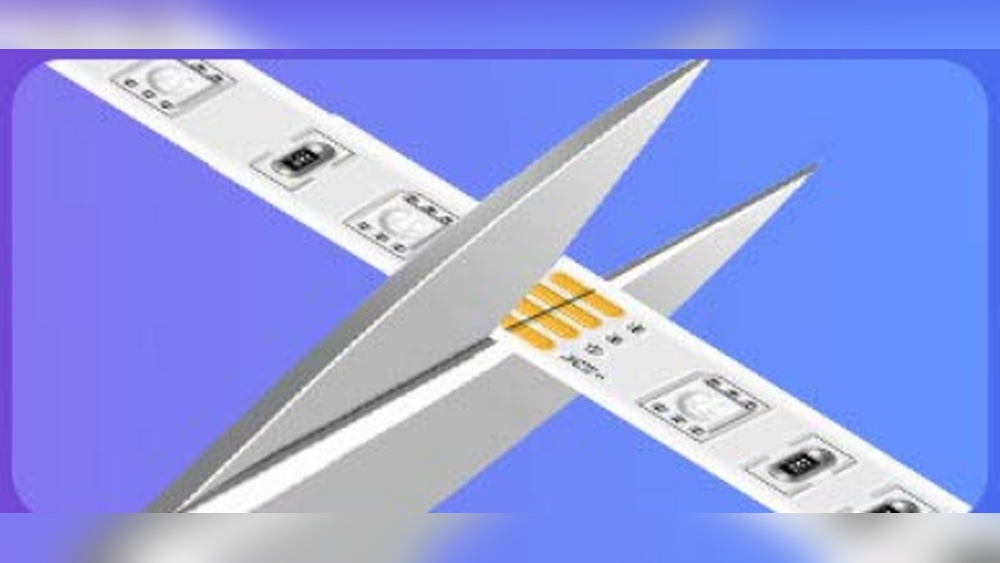
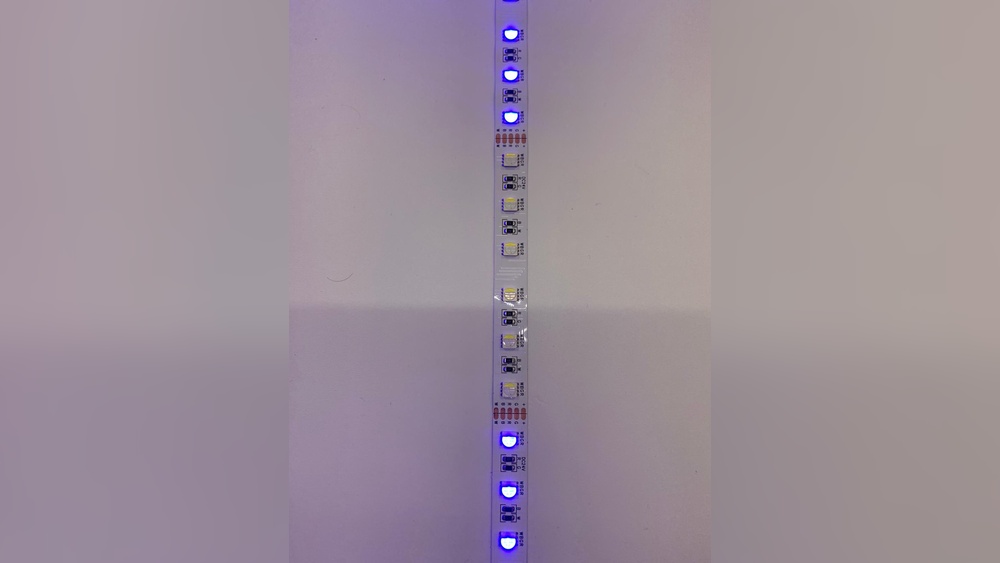
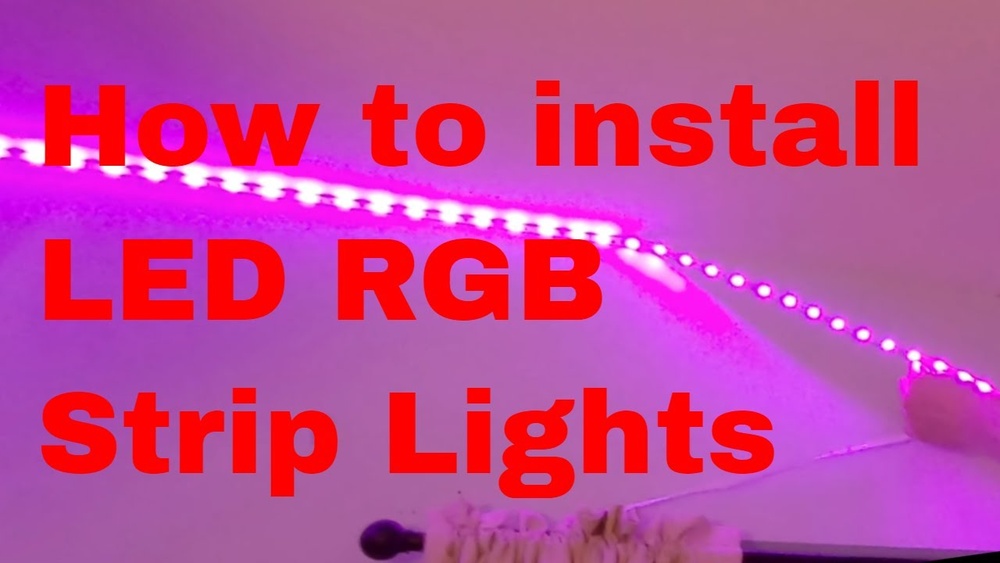
Identify where you want to place LED accent lights inside or outside. Clean the surface to ensure good sticking. Peel off the adhesive backing from the LED strip or light. Press the LED strip firmly onto the surface. Connect the wires to the car’s power source using clips or connectors. Hide the wires neatly to avoid loose hanging. Switch on the lights to see your new accents glow.
Troubleshooting Common Issues
Troubleshooting common issues with LED lights in cars helps keep your lights working well. Problems can happen even with the best LED setups. Knowing how to fix these issues saves time and money. Below are common problems and easy fixes.
Flickering Lights
Flickering lights can be annoying and unsafe. Often, flicker happens because of loose connections. Check all wires and plugs for tight fits. Another cause is a faulty bulb. Try replacing the LED bulb if flickering continues. Sometimes, the car’s voltage may drop, causing flickers. A voltage stabilizer or resistor can help fix this issue.
Compatibility Problems
Not all LED lights fit every car model. Some cars need special adapters to work with LED bulbs. If your lights do not turn on, check if the LED bulbs match your car’s socket type. Also, some vehicles have computer systems that may reject LED bulbs. In this case, buy CAN bus compatible LEDs to avoid errors.
Electrical Errors
Electrical errors can cause warning lights on your dashboard. These errors appear when the car’s system detects a problem with the LED bulbs. Use an error canceler or decoder to fix this. Make sure the LED bulbs have the correct power rating. Wrong power levels can cause electrical faults and damage the car’s wiring.
Maintenance Tips For Led Lights
Maintaining LED lights in your car helps them last longer and work better. Simple care keeps them bright and safe. Regular checks stop small problems from growing.
Cleaning And Care
Clean LED lights with a soft cloth. Avoid harsh chemicals that can damage the surface. Use water and mild soap for dirt and grime. Dry gently to prevent water spots. Check for cracks or moisture inside the light covers. Clean lights help maintain clear brightness on the road.
Replacing Faulty Leds
Replace any LED that flickers or stops working. Faulty LEDs reduce visibility and can be unsafe. Check your car manual for the right LED type. Disconnect the battery before replacing to avoid shocks. Handle LEDs with care; they can be fragile. Proper replacement keeps your car lighting effective.
Upgrading Your Lighting System
Consider upgrading your car’s LED lights for better performance. Newer LEDs use less energy and shine brighter. Check compatibility with your car model before buying. Professional installation can ensure correct setup. Upgrades improve safety and modernize your vehicle’s look.
Legal Considerations
Installing LED lights in your car can improve visibility and style. Still, legal rules control their use. These rules keep roads safe and avoid trouble with the law. Understanding the legal side helps you choose and install LED lights correctly.
Regulations On Led Lighting
Each area has different rules for car LED lights. Some colors or brightness levels are not allowed. Headlights, brake lights, and indicators must follow specific standards. Check local laws before installing any LED lights. This step helps avoid illegal setups and keeps your car street-legal.
Avoiding Fines And Penalties
Wrong LED lights can cause fines or even vehicle impoundment. Law enforcement officers watch for bright or unusual colors. Non-compliant lights distract other drivers or cause confusion. Use approved LED bulbs and install them properly. Keep receipts and product details for proof of compliance.
Ensuring Road Safety
Proper LED lights improve your visibility to others at night. Bright and clear lights reduce accidents on dark roads. Avoid overly bright or flashing lights that can blind drivers. Correct installation keeps signals clear and understandable. Respecting safety rules helps protect everyone on the road.
Frequently Asked Questions
What Are The Benefits Of Led Lights In Cars?
LED lights offer better brightness, lower power consumption, and longer lifespan than traditional bulbs. They improve visibility and enhance your car’s aesthetic appeal efficiently.
How Do I Install Led Lights In My Car?
To install LED lights, disconnect the battery first. Remove the existing bulbs, insert LED replacements, and reconnect the battery. Always check compatibility and follow the manufacturer’s instructions carefully.
Can Led Lights Damage My Car’s Electrical System?
Properly installed LED lights do not harm your car’s electrical system. However, using incompatible or poor-quality LEDs may cause electrical issues or flickering. Always choose high-quality LEDs and verify compatibility.
Are Led Lights Legal For Car Use?
LED lights are generally legal for car use if they meet local regulations. Avoid colors or brightness levels that could blind other drivers. Check your area’s laws before installation.
Conclusion
LED lights improve car looks and save energy. They last longer than regular bulbs. Installing them is simple with the right tools. Choose quality LEDs for better brightness and durability. Always check your car’s manual before starting. Safe wiring ensures no electrical problems occur.
Bright lights help you see better at night. They also make your car more visible to others. A small upgrade can make a big difference. Try LED lights to enjoy a safer, stylish ride.





Leave a Reply