

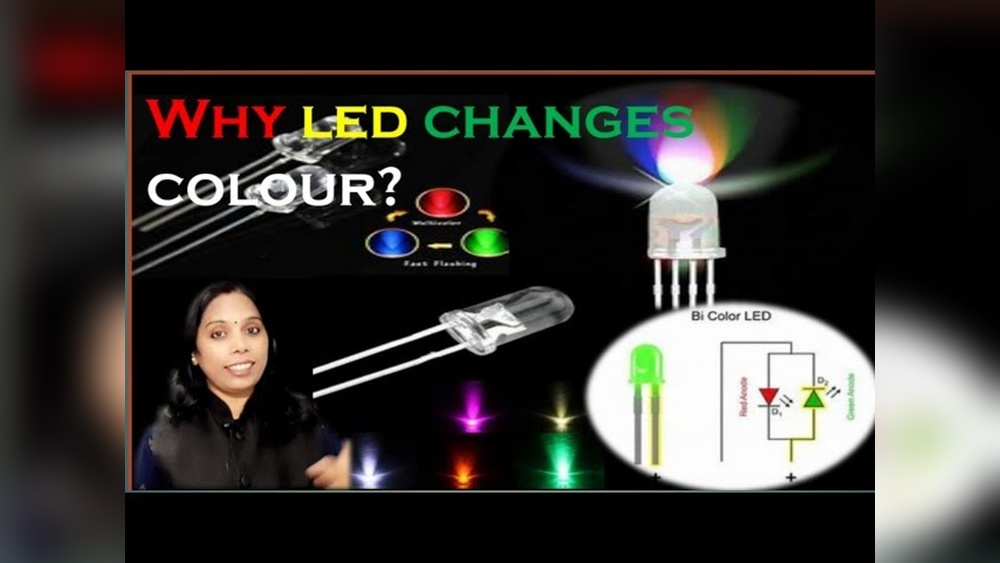
Have you ever wondered how LED lights change color right before your eyes? Whether it’s the vibrant glow of your favorite gadget or the mood lighting in your room, understanding this simple yet fascinating process can give you a new appreciation for everyday technology.
You’ll discover exactly how LED lights switch from one color to another, unlocking the secrets behind those dazzling displays. Keep reading, and you’ll learn how this small tech magic can brighten up your space and even inspire your next DIY project.
Basics Of Led Lights
LED lights have changed how we light up our homes and devices. They are small, energy-saving, and last long. Understanding the basics helps to see how LED lights can change color and create different moods.
LEDs use tiny chips to produce light. These chips are made from special materials that glow when electricity passes through them. This process is different from regular bulbs that use filaments or gases.
What Makes Leds Unique
LEDs do not burn out like traditional bulbs. They use less power and stay cool during use. This makes them safe and efficient for many uses. Their small size allows them to fit in tight spaces and be used in creative designs.
LEDs produce light in a specific direction, reducing wasted light. This helps in saving energy and focusing light where needed. Their durability makes them perfect for outdoor and rough conditions.
Types Of Led Lights
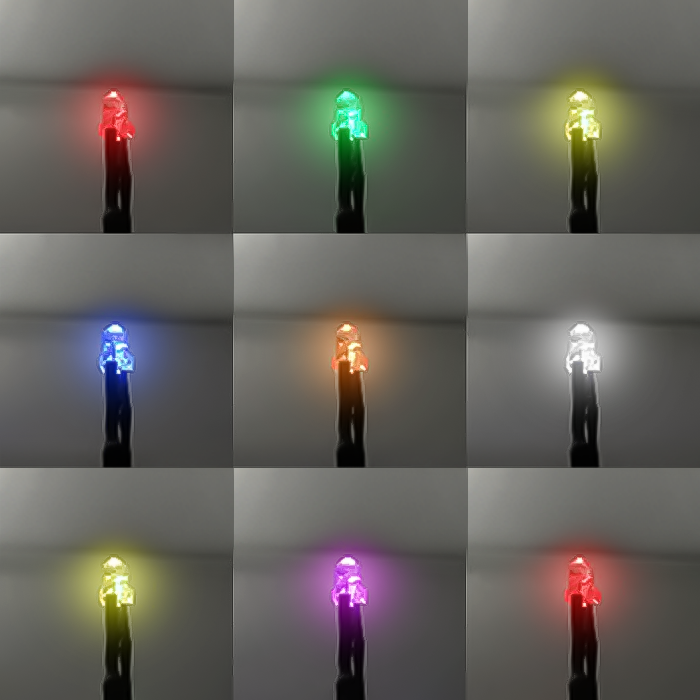
There are many types of LED lights for different needs. Single-color LEDs shine in red, green, blue, or other colors. These are common in indicators and simple displays.
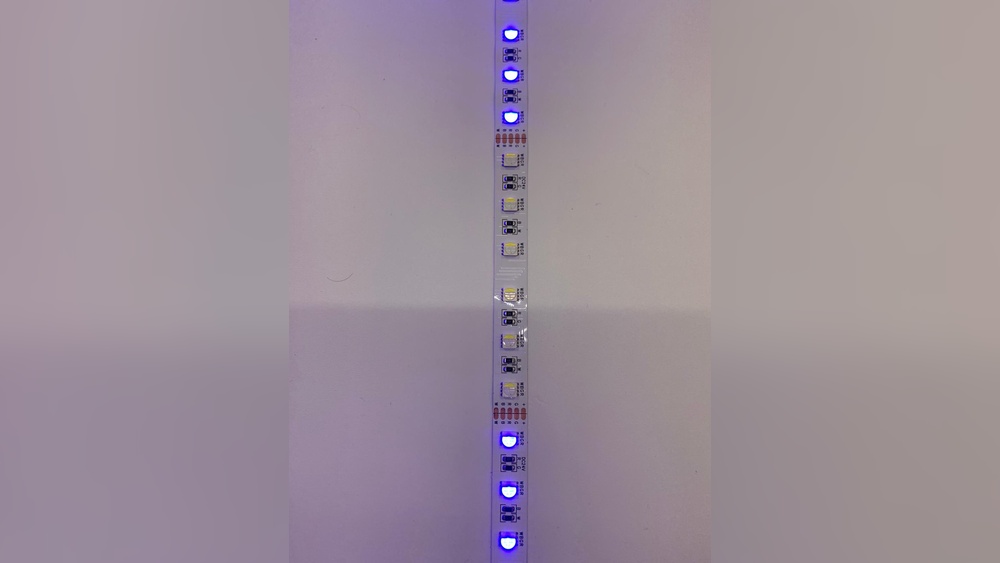
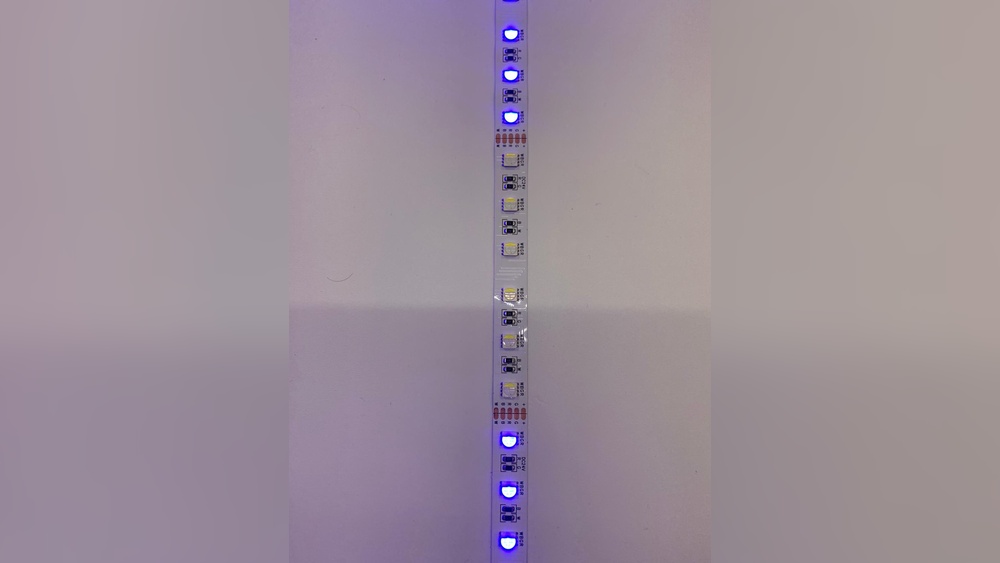
RGB LEDs combine red, green, and blue in one bulb. By mixing these colors, they can create many different shades. This type is popular in decorative lighting and screens.
Smart LEDs connect to apps or controllers. Users can change colors, brightness, and patterns easily. These lights add flexibility and fun to lighting setups.
How Led Colors Are Created
LED lights can show many colors. This happens because of how light is made inside the LED. Different methods create different colors. Some LEDs mix colors, while others use special materials. Understanding these methods helps explain how LED lights change color.
Role Of Semiconductors
Semiconductors are the heart of LED lights. They control the color of light by how electrons move. When electrons jump inside the semiconductor, they release energy as light. The material type decides the light color. Different semiconductors make different colors like red, green, or blue.
Rgb Led Technology
RGB LEDs use three tiny lights: red, green, and blue. Each light can change its brightness. Mixing these colors creates many other colors. This method is common in LED screens and color-changing bulbs. By adjusting red, green, and blue, LEDs show millions of colors.
Use Of Phosphor Coatings
Some LEDs use phosphor coatings to change color. The LED starts with blue or ultraviolet light. The phosphor coating absorbs this light and glows in a new color. This method is common for white LEDs. It helps make soft, natural light from a single LED chip.
Methods To Change Led Colors
LED lights can change colors using different methods. Each method offers unique ways to control the colors. Some are simple and hands-on. Others use technology for easy color changes. Understanding these methods helps you pick the best one for your needs.
Manual Color Switching
Manual color switching lets you change LED colors by hand. Some LED strips have built-in buttons. Pressing a button changes the color. This method is quick and does not need extra devices. It works well for small setups or simple use.
Remote Control Options
Remote controls offer more convenience for color changing. You can change colors from a distance. Most LED lights with remotes have many color options. The remote may also adjust brightness and modes. It is easy to use and popular for home lighting.
Smartphone App Integration
Smartphone apps provide advanced control over LED colors. Connect your LED lights to Wi-Fi or Bluetooth. Use the app to pick any color you want. The app often includes timers and presets. This method is perfect for tech lovers and smart homes.

Advanced Techniques For Vibrant Effects
Advanced techniques make LED lights display bright and lively colors. These methods improve the way lights change color. They help create smooth, rich, and eye-catching effects. Understanding these techniques gives you better control over LED lighting.
Each method focuses on a different way to handle light and color. Together, they bring LED lights to life with vivid and dynamic looks.
Pulse Width Modulation (pwm)
PWM controls LED brightness by turning the light on and off quickly. The speed of switching is so fast the eye sees a steady glow. Adjusting the on-time versus off-time changes the brightness. This method helps create smooth dimming and color changes. It saves energy and extends LED life.
Color Mixing And Blending
LEDs use red, green, and blue lights to make many colors. Mixing different levels of these colors creates new shades. Blending colors smoothly makes transitions look natural. This technique allows for soft fades between colors. It adds depth and richness to the lighting effects.
Dynamic Lighting Patterns
Dynamic patterns change LED colors in interesting ways. Patterns like flashing, fading, and chasing add motion to lights. These effects catch attention and create mood. Programmable controllers can make complex sequences. They give endless options to customize the lighting style.
Applications Of Color-changing Leds
Color-changing LEDs are popular for their versatility and visual appeal. They add dynamic lighting effects in many areas. These lights can shift through different colors smoothly or instantly. This feature makes them useful beyond simple illumination.
Many industries and settings use color-changing LEDs. They improve ambiance, highlight features, and attract attention. Their ability to create mood and style is valuable in both private and public spaces.
Home And Interior Design
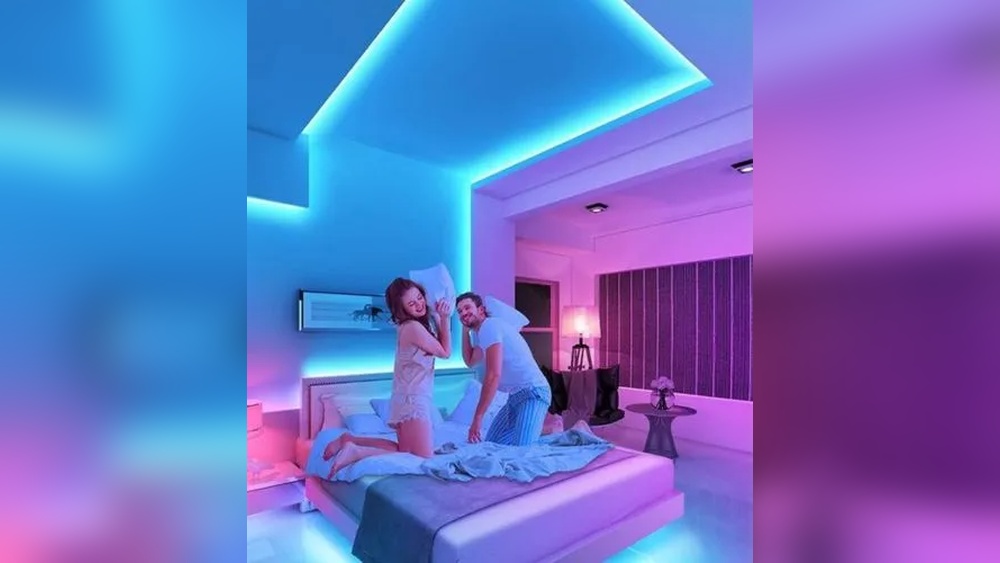
Color-changing LEDs bring life to any room. They fit well in living rooms, kitchens, and bedrooms. Users can adjust lighting to match their mood or activity. These LEDs highlight furniture, art, and decor. They also help create cozy or vibrant atmospheres.
Smart homes use these lights for easy control. Voice commands or apps can change colors instantly. This flexibility enhances comfort and style.
Entertainment And Events
Color-changing LEDs are popular in parties and shows. They create exciting visual effects on stages and dance floors. DJs and event planners use these lights to match music beats. The lights add energy and fun to performances.
They also improve movie theaters and home cinemas. Color shifts can set scenes or signal different moods. This makes entertainment more immersive and enjoyable.
Commercial And Outdoor Use
Businesses use color-changing LEDs to attract customers. Storefronts and signs change colors to catch attention. This helps increase foot traffic and sales.
Outdoor spaces like parks and buildings use these LEDs for decoration. They highlight architecture and create festive environments. Color-changing LEDs are also energy-efficient and durable outdoors. This makes them practical for long-term use.
Troubleshooting Color Issues
LED lights that change color can sometimes show problems. These issues affect the look and feel of your lighting setup. Troubleshooting color issues helps keep your LED lights bright and vibrant. Understanding common problems and their fixes saves time and effort.
Common Color Problems
Colors may not match the settings you choose. Sometimes colors look dull or faded. Lights might show wrong colors or no color at all. These issues often come from bad connections or wrong settings. Poor power supply can also cause color problems.
Fixing Flickering And Fading
Flickering happens when the power is unstable. Check if the power source is steady and strong. Loose wires can cause flickering; make sure all connections are tight. Fading colors might mean the LED strip is old or damaged. Replace damaged sections or the whole strip if needed.
Maintaining Color Consistency
Keep your LED lights clean and dust-free for best colors. Avoid exposing lights to extreme heat or moisture. Use the recommended power supply to ensure stable voltage. Regularly check connections for wear or corrosion. Consistent care helps your lights stay bright and true to color.
Future Trends In Led Color Technology
The future of LED color technology holds many exciting changes. LED lights will become smarter and more efficient. They will fit better with modern homes and cities. These new trends will make LED lighting more useful and eco-friendly.
Understanding these trends helps us see how LED lights will improve daily life. From smart control to saving energy, the future is bright.
Advancements In Smart Leds
Smart LEDs can change color based on time or mood. New chips allow more colors and smoother transitions. They respond faster and use less power. These LEDs can learn user preferences and adjust automatically. This makes lighting more personal and comfortable.
Integration With Iot
LED lights now connect to the Internet of Things (IoT). This means they work with other smart devices. Lights can sync with music, alarms, or weather reports. Users can control lights from anywhere using apps. This adds convenience and new ways to use lighting.
Sustainability And Energy Efficiency
New LED designs focus on saving energy and reducing waste. They use materials that last longer and are safer for the environment. Energy-efficient LEDs cut electricity bills and lower carbon footprints. Recycling programs for LED parts will become common. This supports a cleaner, greener planet.

Frequently Asked Questions
How Do Led Lights Change Color?
LED lights change color using tiny semiconductor chips that emit different wavelengths. These wavelengths create various colors by mixing red, green, and blue light in varying intensities.
What Controls The Color Change In Led Lights?
The color change is controlled by a microcontroller or remote, which adjusts the intensity of red, green, and blue LEDs to produce different colors.
Can Led Lights Display Multiple Colors Simultaneously?
Yes, RGB LED lights combine red, green, and blue LEDs to display multiple colors or smooth transitions through color mixing.
Are Color-changing Led Lights Energy Efficient?
Yes, color-changing LED lights use less energy compared to traditional bulbs while offering customizable and vibrant lighting options.
Conclusion
LED lights change color by mixing tiny red, green, and blue lights. This mix creates many colors with simple control. You can change colors using a remote or app. The process saves energy and lasts a long time. Understanding how LED colors work helps you pick the right lights.
Bright, colorful lighting makes any space look better. Try using color-changing LEDs to brighten your home or office. The technology is easy to use and fun to explore.




Leave a Reply