


Are your LED lights suddenly not working and leaving you in the dark? It’s frustrating when something as simple as a light won’t turn on, especially when you rely on it every day.
But don’t worry—you can fix this. You’ll discover easy, step-by-step solutions to get your LED lights shining bright again. Whether it’s a quick switch, a wiring issue, or something else, you’ll learn exactly what to check and how to solve the problem fast.
Keep reading, and by the end, your LED lights will be working like new.
Common Reasons Led Lights Fail
LED lights are popular for their brightness and energy efficiency. Still, they can stop working for several common reasons. Knowing these reasons helps you fix the problem faster. Understanding why LED lights fail saves time and money.
Power Supply Issues
One main cause is power supply problems. LEDs need the right voltage to work well. Too much or too little power can cause them to fail. Sometimes, the power source is faulty or unstable. Check the power supply to make sure it is working properly.
Faulty Wiring
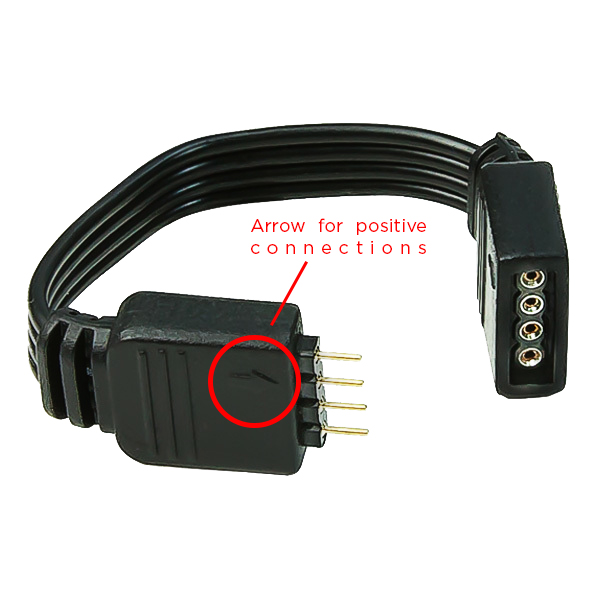
Bad wiring can stop LED lights from lighting up. Loose connections or damaged wires block electricity flow. Wires can break inside walls or fixtures. Inspect all wiring carefully and fix any loose or broken parts.
Burned Out Leds
LEDs can burn out after long use. Even though they last longer than bulbs, they wear out eventually. If one LED burns out in a string, the whole light may stop working. Replace burned out LEDs to restore light.
Incompatible Fixtures
Not all LED lights fit every fixture. Some fixtures need specific LED types or sizes. Using the wrong fixture can cause failure or damage. Always check compatibility before installing new LED lights.
Basic Troubleshooting Steps
Basic troubleshooting steps help find the cause of LED lights not working. These steps are easy and quick to do. They can save time and money before calling a professional.
Follow these simple checks to fix common LED light problems. Start with the power source and move to the fixture. Each step narrows down the possible issues.
Check The Power Source
Make sure the LED light is plugged in correctly. Check if the outlet has power. Use another device to test the outlet. A power outage or tripped breaker can stop the light from working.
Inspect The Switch
Look at the switch controlling the LED light. Turn it on and off a few times. A faulty switch can cause the light to fail. Replace the switch if it feels loose or does not click properly.
Test The Led Bulb
Remove the LED bulb and check for visible damage. Try the bulb in another fixture that works. If the bulb does not light up, it is likely burned out. Replace the bulb with a new one.
Examine The Fixture
Look inside the light fixture for loose wires or dirt. Clean the contacts gently with a dry cloth. Loose connections can stop electricity flow. Tighten any screws and ensure the bulb fits snugly.
Fixing Power Supply Problems
Power supply issues often cause LED lights to stop working. Checking and fixing these problems is a key step. It helps to restore the flow of electricity to your LED lights. This section explains easy ways to fix power supply problems.
Reset Circuit Breakers
Circuit breakers protect your home from electrical faults. Sometimes, they trip and cut off power to your LEDs. Look for the breaker panel, usually in the basement or garage. Find the breaker that is off or in the middle position. Flip it fully to the off position, then back on. This reset can restore power to your LED lights quickly.
Replace Damaged Fuses
Fuses act as safety devices in older homes or specific circuits. A blown fuse stops electricity from reaching your lights. Turn off the power before checking fuses. Remove the fuse and inspect it for a broken wire inside. Replace it with a new fuse of the same type and rating. This simple step can fix your LED lights not working.
Use A Voltage Tester
A voltage tester checks if electricity flows to your LED lights. It helps find where power stops. Turn off the power before testing wires. Touch the tester probes to the wires or terminals. A light or beep means power is present. No signal means a break in the circuit. Use this tool to pinpoint and fix power supply faults easily.
Repairing Wiring And Connections
Repairing wiring and connections is a key step to fix LED lights that do not work. Faulty wires and loose connections often cause lights to fail. Careful inspection and simple fixes can restore power to your LED setup quickly.
Start by checking all wires linked to the LED lights. Look for any wires that seem loose or disconnected. Secure connections ensure steady electricity flow to the lights.
Identify Loose Wires
Turn off the power before inspecting wires for safety. Gently move each wire and see if it feels loose. Loose wires can cause flickering or no light at all. Tighten any loose wires by pushing them firmly into their terminals.
Secure Wire Nuts
Wire nuts join wires together safely. Check if wire nuts are tight and secure. Loose wire nuts may cause power loss or sparks. Twist wire nuts clockwise to tighten them. Replace damaged or cracked wire nuts to avoid future problems.
Replace Damaged Cables
Look for cables with visible cuts, burns, or frays. Damaged cables can stop electricity flow or create hazards. Cut out damaged sections using wire cutters. Use new cables of the same type and size for replacement. Strip the cable ends and connect them with wire nuts tightly.
Replacing Or Repairing Led Components
Replacing or repairing LED components is a key step to fix non-working LED lights. Faulty parts can stop your lights from working. Knowing how to swap or fix these parts can save time and money. It also helps keep your lighting safe and efficient.
Swap Out Burned Leds
Burned LEDs often cause light failures. Identify the damaged LED by looking for dark spots or no light. Use a soldering iron to remove the bad LED carefully. Replace it with a new LED that matches the size and type of the original. This simple swap can restore your light instantly.
Choose Compatible Led Bulbs
Using the wrong LED bulbs can cause issues. Check the voltage and wattage requirements before buying new bulbs. Pick bulbs that fit your fixture and match the power supply. Compatible bulbs ensure proper operation and prevent damage to your system.
Update Drivers And Transformers
LED drivers and transformers control the power flow to your lights. Outdated or faulty drivers can cause flickering or no light. Replace old drivers with ones designed for your LED type. Proper drivers improve performance and extend your LED lifespan.
Preventive Tips For Long-lasting Leds
LED lights save energy and last longer than traditional bulbs. Proper care can extend their life even more. Small steps prevent common problems and keep LEDs bright. Follow these tips to avoid frequent replacements and save money.
Use Correct Voltage And Wattage
Always check the voltage and wattage on your LED packaging. Using the wrong voltage can damage the light quickly. Too much power heats the LED, causing early failure. Match LEDs with your fixture’s specifications for safe use.
Avoid Overheating Fixtures
LEDs produce less heat but still need space to cool down. Avoid enclosed fixtures that trap heat around the LED. Overheating reduces LED lifespan and causes flickering. Use open or well-ventilated fixtures to keep lights cool.
Regular Maintenance Checks
Clean LED lights often to remove dust and dirt. Dust blocks light and causes heat buildup. Inspect wiring and sockets to spot loose connections. Tighten or replace parts to prevent shorts or outages. Regular checks keep LEDs working well longer.
When To Call A Professional
Knowing when to call a professional can save time and prevent damage. Some LED light problems are easy to fix. Others need expert help. Recognizing the signs can keep you safe and your lights working well.
Complex Electrical Issues
Complex problems include wiring faults or power surges. These are hard to diagnose without tools. Professionals have the skills to fix these safely. Avoid trying to fix complex electrical issues yourself.
Persistent Flickering Or Outages
Flickering lights can mean loose connections or voltage problems. If flickering happens often, it may signal a bigger problem. Professionals can find the root cause. They ensure the issue does not return.
Safety Precautions
Electricity can be dangerous. Always turn off power before checking lights. Do not touch wires or parts you do not understand. A professional knows how to handle electrical risks. Safety should be your top priority.

Frequently Asked Questions
Why Are My Led Lights Not Turning On?
LED lights may not turn on due to power supply issues, faulty wiring, or a damaged bulb. Check the power source and connections first. Replace any blown fuses or faulty bulbs to restore functionality.
How Can I Fix Flickering Led Lights?
Flickering LED lights often result from loose connections or incompatible dimmer switches. Tighten all wiring and ensure your dimmer is LED-compatible. Replacing the dimmer or switching to non-dimmable LEDs can stop flickering.
What Causes Led Lights To Stop Working Suddenly?
Sudden LED failure can be caused by power surges, overheating, or manufacturing defects. Inspect the power source and cooling conditions. Replace the LED if it shows visible damage or no light output.
How Do I Test If My Led Light Is Faulty?
Use a multimeter to check continuity and voltage. If the LED does not light up when powered, it is likely faulty. Testing helps identify if the issue is with the LED or the power supply.
Conclusion
Fixing LED lights can be simple with the right steps. Check connections and power sources first. Replace faulty bulbs or drivers as needed. Clean the lights to remove dust and dirt. Test each part carefully to find the problem. Taking small actions saves time and money.
Stay patient and follow the guide closely. Bright, working LED lights can improve any space. Keep these tips handy for future issues. Your lighting will shine bright again soon.




Leave a Reply