

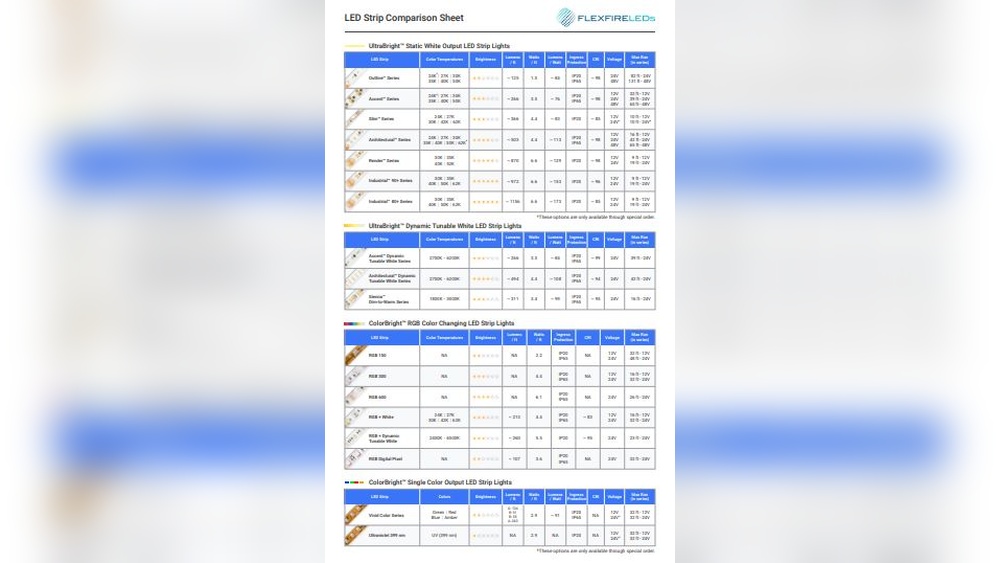
Are you looking to brighten up your space with LED strip lights but don’t know where to start? Choosing the right LED strip lights can feel overwhelming with so many options out there.
But it doesn’t have to be complicated. By understanding a few simple factors, you can pick the perfect lighting that fits your style, needs, and budget. Keep reading to discover how to make the best choice and transform your room with just the right glow.
Your ideal lighting setup is closer than you think.
Types Of Led Strip Lights
LED strip lights come in different types. Each type fits different needs and spaces. Knowing the types helps you pick the right one.
Some strips show only one color. Others can change colors or even light up in patterns. This section explains the main types of LED strip lights.
Single Color Strips
Single color strips shine in one color only. Common colors are white, red, blue, or green. These strips are simple and cost less. They work well for basic lighting tasks.
Use them to highlight shelves or create soft background lighting. They offer steady, bright light without color changes.
Rgb And Rgbw Strips
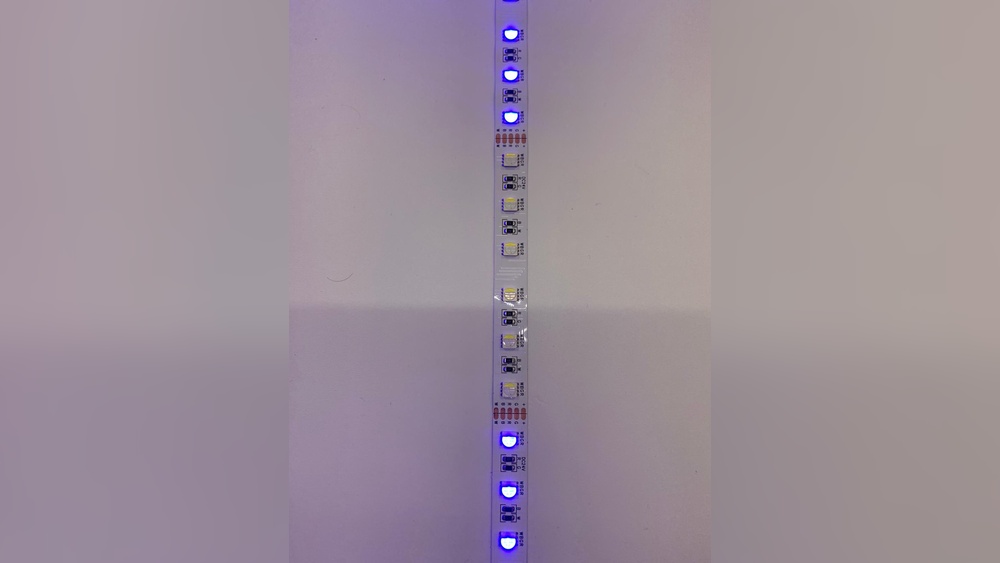
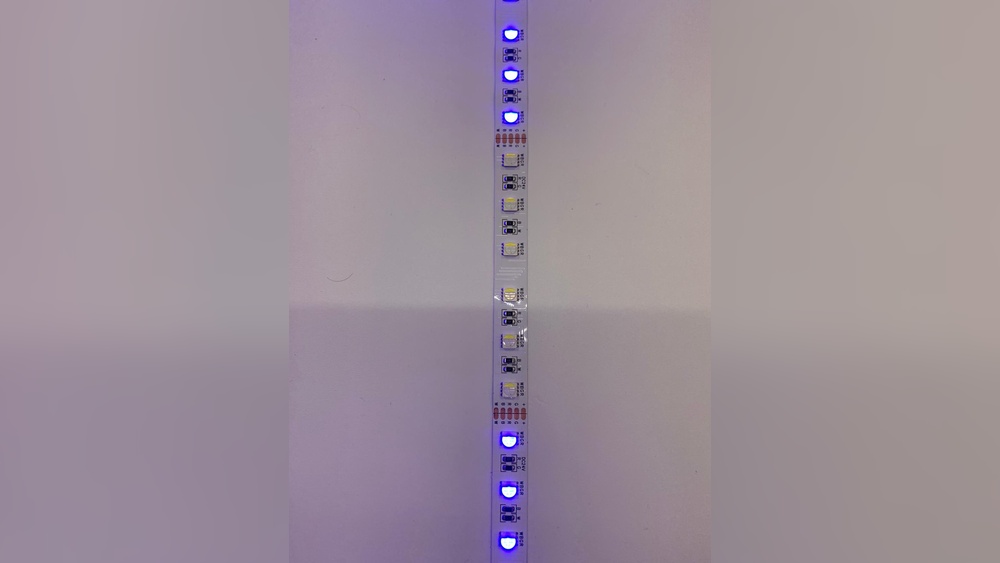
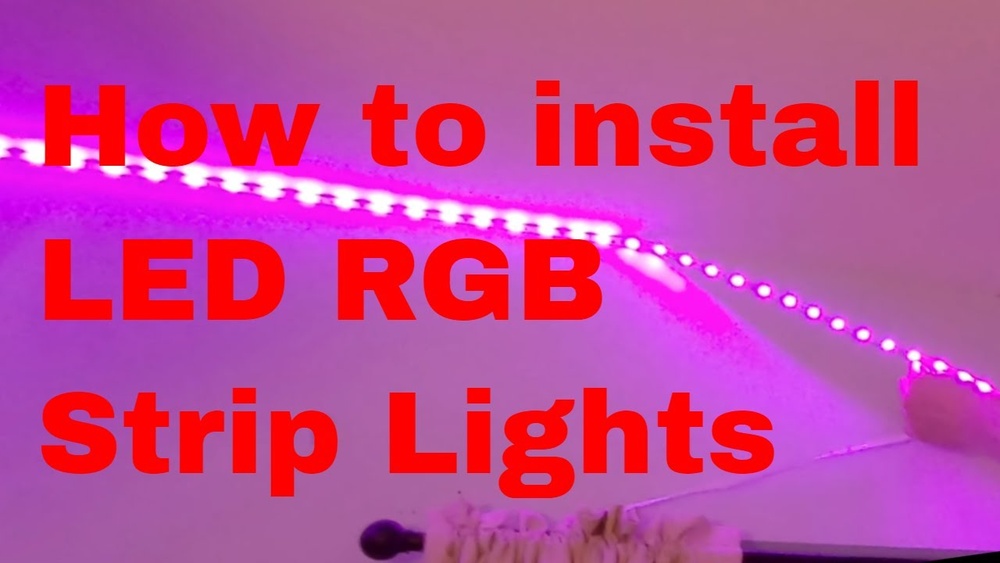
RGB strips can show red, green, and blue colors. Mix these colors to create many shades. RGBW strips add a white LED for better brightness and clean white light.
These strips add color and mood to any room. Use them for parties, decoration, or flexible lighting effects.
Addressable Led Strips
Addressable strips let you control each LED separately. Create moving lights, patterns, and custom effects. These strips need special controllers and software.
They are perfect for creative projects and special displays. Use them to make your space lively and fun.
Brightness And Color Temperature
Brightness and color temperature are key factors for LED strip lights. They affect how your space looks and feels. Brightness controls how much light the strips give off. Color temperature changes the light color from warm to cool. Both impact mood and functionality.
Measuring Brightness With Lumens
Brightness shows how much light the LED strips produce. It is measured in lumens. More lumens mean brighter light. For small spaces, 200 to 500 lumens work well. Larger rooms need strips with 1,000 lumens or more. Check the product label for lumens. This helps you pick the right brightness for your needs.
Choosing The Right Color Temperature
Color temperature is measured in Kelvins (K). Lower Kelvins give warm, yellow light. Higher Kelvins create cool, blue light. Warm light suits cozy rooms like bedrooms. Cool light fits work areas or kitchens. Neutral white light works well for most spaces. Pick a color temperature that matches the room’s purpose and your mood.
Power And Voltage Considerations
Understanding power and voltage is key to choosing the right LED strip lights. These factors affect how bright the lights will be and how long they last. Using the wrong power or voltage can damage the lights or cause them not to work well. Knowing the basics helps you pick a safe and effective lighting solution.
Common Voltage Options
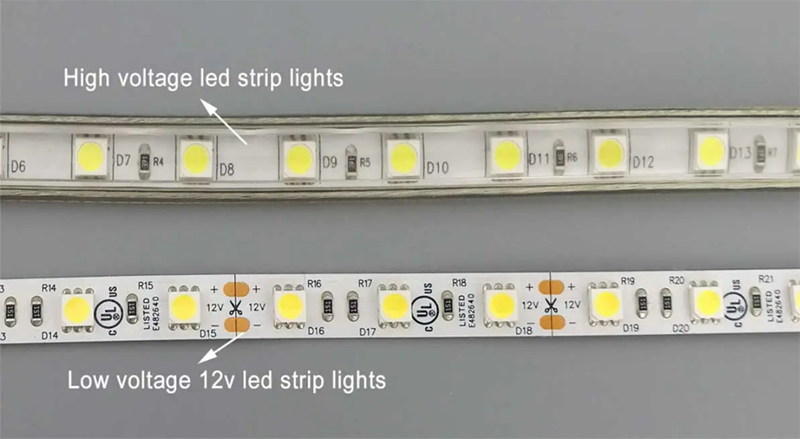
Most LED strip lights run on either 12 volts or 24 volts. The 12-volt strips are common for small projects. They are easy to power and control. The 24-volt strips are better for longer runs. They use less current, which means less chance of voltage drop. Voltage drop makes lights dimmer at the far end of the strip.
Choosing the right voltage depends on the length of the strip and power source. Many home projects use 12 volts, but longer strips often need 24 volts. Check the product details before buying.
Calculating Power Requirements
Power is measured in watts. Each LED strip will list how many watts it uses per meter or foot. Multiply the wattage by the total length of your strip. This gives the total power needed.
Also, add 20% extra power for safety. This prevents overloading the power supply. For example, if your strip needs 20 watts, choose a power supply that can deliver at least 24 watts. This keeps your LED strip lights working well and lasting longer.
Length And Cuttable Options
Choosing the right length for LED strip lights is important for a clean and functional setup. LED strips come in different lengths, but often you need a size that fits your space perfectly. Cuttable LED strips offer flexibility to customize the length without waste. Understanding these options helps you get the best fit for your project.
Standard Lengths Available
LED strip lights usually come in rolls of 5 meters or 16.4 feet. Some brands offer shorter rolls like 1 meter or 2 meters. These standard sizes suit many room layouts and furniture shapes. Buying the right standard length saves time and avoids extra cutting.
Customizing Lengths Safely
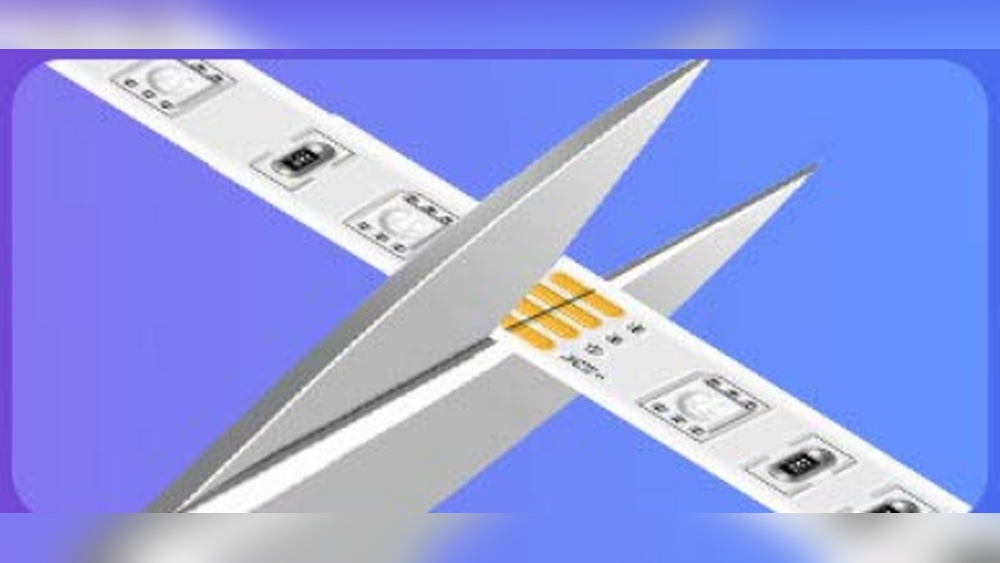
Most LED strips have marked cut points every few inches. Cutting only at these marks keeps the lights working properly. Use sharp scissors and cut straight along the line. After cutting, seal the ends with silicone or end caps to protect the strip from dust and moisture.
Installation Methods
Choosing the right installation method is key for LED strip lights. It affects how secure and neat the lights look. Easy installation saves time and avoids damage. Some methods suit certain surfaces better. Understanding your options helps you pick the best fit.
Adhesive Backing
Most LED strip lights come with adhesive backing. This sticky layer lets you attach strips directly to smooth surfaces. Clean the surface well before applying. Press firmly for a strong hold. It works well on walls, wood, and glass. Avoid rough or dusty areas. The adhesive may weaken over time in humid places.
Mounting Clips And Channels
Mounting clips and channels offer a stronger hold. Clips snap around the strip, fixing it to surfaces. Channels provide a neat frame and protect strips from damage. They are ideal for uneven or textured surfaces. Channels also help with heat dissipation. Use screws or nails to secure clips and channels firmly. This method is perfect for long-term installations.
Waterproofing And Durability
Choosing LED strip lights means thinking about waterproofing and durability. These two factors decide how long your lights last and where you can use them safely. Not all LED strips are made the same. Some are perfect for dry indoor spots, while others can handle rain and dust outside. Understanding these differences helps you pick the right product for your needs.
Ip Ratings Explained
IP ratings tell you how well LED strips resist dust and water. The rating has two numbers. The first number shows protection against solids like dust. The second shows water resistance. For example, IP65 means the light is dust-tight and can handle water jets. Higher numbers mean better protection. Knowing these ratings keeps your lights safe and working longer.
Indoor Vs Outdoor Use
Indoor LED strips usually have low or no waterproofing. They work well in dry areas like bedrooms or kitchens. Outdoor LED strips need higher IP ratings. They face rain, dust, and sometimes snow. Choose strips with IP65 or higher for outside use. Durable casing also protects against damage. Match the product to the place for the best results.
Control And Dimming Options
Choosing the right LED strip lights means thinking about control and dimming options. These features help you set the perfect mood and save energy. Good control options make using your lights easy and fun. Dimming lets you change brightness to suit any time or activity. Here’s a look at popular control methods.
Remote Controls
Remote controls are simple and handy. They let you turn lights on or off from across the room. You can adjust brightness with the press of a button. Some remotes also change colors and lighting modes. No need to get up or find switches. Remotes are great for people who want quick, easy control.
Smartphone Apps And Voice Control
Smartphone apps offer more features and flexibility. Use your phone to control lights anywhere in the house. Apps allow you to set schedules and create custom scenes. Voice control works with assistants like Alexa or Google. Speak commands to change brightness or colors hands-free. This option suits tech lovers and busy lifestyles.

Budget And Quality Balance
Choosing the right LED strip lights means finding the best balance between budget and quality. Spending too little might mean poor light or short lifespan. Spending too much might not fit your needs. Understanding the difference helps to make a smart choice.
Affordable Vs Premium Brands
Affordable LED strip lights cost less but may lack durability. They might have weaker brightness and fewer features. Premium brands offer better brightness, color options, and longer life. The quality of materials and design is usually higher. Choose affordable brands for simple tasks and small projects. Pick premium brands for important places or long-term use.
Long-term Savings
Cheaper lights can use more energy and fail faster. This means more replacements and higher electricity bills. Premium LED strips save energy with better technology. They last longer, reducing replacement costs. Spending more at first can save money over time. Think about how long the lights will be used. Better quality often means fewer problems and less waste.
Safety And Warranty
Choosing the right LED strip lights means thinking about safety and warranty. These factors protect your home and your purchase. Safe products reduce risks like fire or electric shock. A good warranty shows the maker trusts their product.
Certifications To Look For
Check for safety certifications on the LED strip lights. Common marks include UL, CE, and RoHS. UL means the product meets US safety standards. CE shows it meets European safety rules. RoHS means the product is free from harmful materials. These certifications ensure the lights are tested and safe to use.
Warranty And Customer Support
A clear warranty gives peace of mind. Look for at least one year of coverage. The warranty should cover defects and failures. Good customer support helps solve problems quickly. Choose brands that offer easy contact options. This saves time and frustration if issues arise.
Frequently Asked Questions
What Factors Should I Consider When Buying Led Strip Lights?
Consider brightness, color temperature, length, waterproof rating, and power source. Also, check compatibility with dimmers and controllers for customization.
How Do I Choose The Right Brightness For Led Strips?
Brightness depends on the room size and purpose. Use 300-500 lumens per meter for ambient lighting, and 700-1000 lumens for task lighting.
Are Waterproof Led Strip Lights Necessary For Outdoor Use?
Yes, waterproof LED strips with an IP65 or higher rating are essential outdoors to resist moisture and weather damage.
Can I Cut Led Strip Lights To Fit My Space?
Yes, most LED strips have designated cut points. Cut only at these points to avoid damaging the circuit.
Conclusion
Choosing the right LED strip lights makes a big difference. Think about where you want to use them. Consider brightness, color, and length carefully. Check the power source and installation process. Good quality lights last longer and save energy. Take your time to pick the best fit for your space.
Enjoy brightening your home with the perfect LED strips. Simple steps lead to great lighting results.

Leave a Reply