


Are you curious about how often you should use LED light therapy at home to get the best results? You want clear, glowing skin or relief from aches, but without overdoing it or wasting time.
Finding the right balance can feel confusing. This guide will help you understand exactly how often you need to use LED light therapy to see real improvements, without any guesswork. Keep reading to discover simple tips that fit your routine and unlock the full power of this treatment.
Your skin and body will thank you!
Benefits Of Led Light Therapy
LED light therapy offers many benefits for the body and mind. It uses specific light wavelengths to target cells. This process helps improve health in different ways. Many people use it at home for easy and safe treatment.
Regular sessions can support skin, reduce pain, and boost mood. The therapy is gentle and works without harsh chemicals or drugs. It fits well into daily routines and provides lasting effects with time.
Skin Health Improvements
LED light therapy helps reduce wrinkles and fine lines. It boosts collagen production, making skin firmer. The light also calms redness and soothes irritation. Many users see clearer, brighter skin after a few sessions. It supports healing of acne and other skin conditions. Regular use can improve skin texture and tone.
Pain Relief And Healing
LED light therapy reduces inflammation and eases muscle pain. It helps speed up healing after injuries or surgery. The light penetrates deep, improving blood flow in tissues. This action lowers swelling and stiffness. Many people find relief from joint pain and soreness. It supports faster recovery without side effects.
Mood And Sleep Enhancement
Using LED light therapy can improve mood and reduce stress. The light affects brain chemicals that control emotions. It helps balance energy levels and fights fatigue. Many users report better sleep quality after treatment. The therapy supports natural sleep cycles for restful nights. It can be a natural way to feel calmer and more relaxed.

Types Of Led Light Devices
LED light therapy devices come in different types. Choosing the right one depends on your needs and budget. Knowing the differences helps you use them safely and effectively.
Devices vary in size, power, and light type. Some are small and easy to use. Others cover larger skin areas. Understanding these options is key to good results.
Handheld Vs. Panel Devices
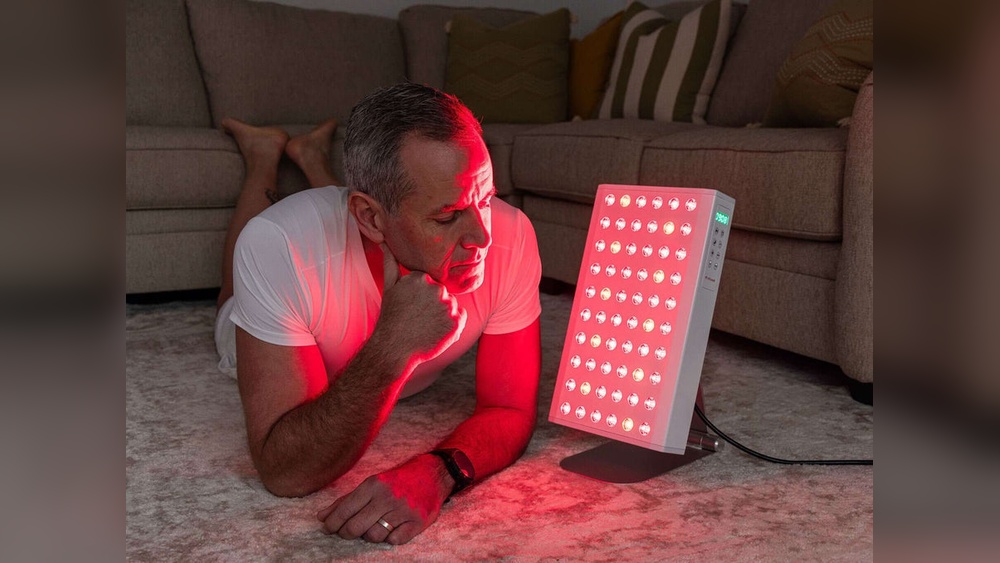
Handheld devices are small and portable. They work well for targeted areas like the face or hands. Panels are larger and cover more skin at once. Panels work faster for full-face or body treatments.
Handheld tools offer control but take longer for big areas. Panels save time but may cost more. Think about your treatment zones and schedule before choosing.
Professional Vs. Consumer Models
Professional models are stronger and more expensive. They often need training to use safely. Consumer models are gentler and made for home use. They have simpler controls and lower intensity.
For home use, consumer devices reduce risks and offer good results. Professionals use high-power devices in clinics for quick, deep treatments.
Wavelengths And Their Effects
LED devices use different light wavelengths. Red light (around 630-700 nm) helps skin healing and boosts collagen. Near-infrared light (around 800-900 nm) penetrates deeper for muscle and joint pain relief.
Blue light (around 415 nm) fights acne by killing bacteria. Some devices combine lights for multiple benefits. Choose a device that matches your skin goals.
Recommended Frequency For Use
Knowing how often to use LED light therapy at home helps get the best results. Using it the right way supports skin healing and improvement. Overusing or underusing may reduce benefits or irritate skin. This guide shares clear advice on how often to do LED light therapy.
Daily Sessions
Many people start with daily sessions for quick results. Sessions usually last 10 to 20 minutes. Daily use helps boost collagen and reduce inflammation. Keep sessions short to avoid skin irritation. Use the same time each day for routine. Consistency matters for visible improvements.
Weekly Schedules
Some users prefer a few times per week instead of daily. This suits sensitive or dry skin types. A common schedule is 3 to 4 times weekly. It allows skin to rest and recover. Weekly use still delivers good results over time. Adjust sessions based on skin response.
Adjusting Based On Skin Type
Oily skin may handle daily sessions well. Dry or sensitive skin needs fewer sessions to avoid redness. Darker skin tones might need longer intervals between uses. Watch how your skin reacts after each session. Reduce frequency if irritation occurs. Personalize the routine for best care.
:max_bytes(150000):strip_icc()/Health-GettyImages-2030971073-68b55d4b0e8d4c57a684a1cfed605827.jpg)
Session Duration Guidelines
Knowing the right session duration is key for effective LED light therapy at home. It helps you get results without wasting time or risking skin issues. This section explains how long each session should last, signs that you might overuse the therapy, and how to balance session length with how often you use it.
Optimal Time Per Session
Most LED light therapy sessions last between 10 and 20 minutes. This range allows the light to penetrate your skin enough to boost healing and collagen. Sessions shorter than 10 minutes may not give full benefits. Sessions longer than 20 minutes rarely add extra results and might irritate skin.
Signs Of Overuse
Redness, dryness, or increased sensitivity can mean you overuse LED therapy. If your skin feels itchy or burns after sessions, reduce time or frequency. Overuse may cause skin inflammation and delay healing. Pay attention to how your skin reacts after each session.
Balancing Frequency And Duration
Shorter sessions with regular use often work better than long, infrequent ones. Many users start with 10-minute sessions three times a week. Adjust based on skin response and treatment goals. Consistency matters more than long sessions to see steady improvements.
Safety Tips For Home Use
Using LED light therapy at home can be safe and effective. Following safety tips helps avoid problems. Simple steps protect your skin and eyes. They also keep your device in good shape.
Protecting Your Eyes
LED light can hurt your eyes if not careful. Always wear protective goggles made for LED therapy. Never look directly into the light source. Keep your eyes closed during the session. Take breaks if your eyes feel strained or dry.
Avoiding Skin Irritation
Start with short sessions to see how your skin reacts. Use the recommended distance from the device. Do not use LED therapy on broken or irritated skin. Stop immediately if you feel burning or itching. Moisturize your skin after treatment to keep it healthy.
Device Maintenance
Clean the device after each use with a soft cloth. Avoid harsh chemicals that can damage the surface. Store the device in a dry, cool place. Check cables and plugs regularly for any damage. Proper care helps the device last longer and work well.
Combining Led Therapy With Skincare
Combining LED light therapy with your skincare routine can boost your skin’s health. Using the right products alongside LED therapy helps improve absorption and effectiveness. It also protects your skin and enhances the light’s benefits. Understanding which products work best and how to time them is key.
Compatible Products
Choose gentle, hydrating products after LED therapy. Avoid harsh chemicals like retinol or strong acids. These can irritate skin after light treatment. Look for soothing ingredients such as hyaluronic acid, vitamin C, or niacinamide. These help calm and nourish skin. Sunscreen is essential to protect skin after therapy.
Timing Your Routine
Use LED light therapy on clean, dry skin. Apply your serums or moisturizers after the session. Give your skin a few minutes to absorb the products. Avoid applying makeup or heavy creams immediately. Doing so allows the skin to breathe and absorb nutrients well.
Enhancing Results
Consistency improves LED therapy results. Use it two to three times a week for best effects. Pair it with a daily skincare routine for lasting benefits. Stay hydrated and avoid sun exposure after treatment. This helps skin heal and glow naturally.
Tracking Progress And Results
Tracking your progress during LED light therapy at home helps you see real changes. It shows if the treatment works or needs adjustment. Keeping records makes the process clearer and more effective.
What To Expect Over Time
Results from LED light therapy do not happen overnight. Skin may look brighter and feel smoother after a few sessions. Some benefits, like reduced redness or fine lines, appear after several weeks. Patience is key. Changes are often subtle at first.
Documenting Changes
Take photos before starting therapy and every week after. Write down how your skin feels and looks each day. Note any side effects or improvements. This helps you compare and understand your skin’s response. Use a journal or an app for easy tracking.
When To Adjust Usage
If you see no progress after 4 to 6 weeks, change your routine. You might need more frequent sessions or longer treatment times. Stop if you notice irritation or worsening skin. Consult a professional if unsure. Adjustments keep the therapy safe and effective.
Common Myths And Misconceptions
Many people have wrong ideas about LED light therapy at home. These myths can confuse and stop users from trying or using it properly. Clearing up these common myths helps users have real expectations and safe experiences with LED therapy devices.
Instant Results Myth
Some expect to see changes right after one session. LED therapy works by helping skin cells heal and renew. This takes time. Regular sessions over weeks bring visible results. Patience is key to see lasting improvements.
Safety Concerns
Many worry LED light harms eyes or skin. Using the device as directed keeps it safe. LED light is gentle and does not burn or damage skin. Avoid staring directly into the light. Most devices come with safety instructions to follow.
Effectiveness For Different Conditions
Not all conditions respond the same to LED therapy. It works well for skin issues like acne, wrinkles, and redness. Some pain relief and wound healing benefits also appear. Results vary by condition and individual. Consistent use improves chances of success.
Frequently Asked Questions
How Often Should You Do Led Light Therapy At Home?
Most experts recommend using LED light therapy 3 to 5 times a week. Sessions typically last 10 to 20 minutes for optimal results. Consistency is key to see skin improvements and healing benefits over time.
Can Daily Led Light Therapy Be Harmful?
Daily LED light therapy is generally safe if sessions are brief. Overuse may cause mild skin irritation or dryness. Always follow device instructions and allow skin to rest between treatments.
How Long Does Each Led Light Therapy Session Last?
Each session usually lasts between 10 and 20 minutes. This duration ensures effective skin penetration without overexposure. Adjust time based on your skin’s response and device guidelines.
When Will I See Results From Led Light Therapy?
Visible improvements often appear after 4 to 6 weeks of regular use. Skin texture, tone, and inflammation typically show positive changes with consistent treatments.
Conclusion
Finding the right frequency for LED light therapy is key. Most people see good results with 3 to 5 sessions per week. Short sessions, about 10 to 20 minutes each, work best. Overdoing it won’t speed up results and may cause irritation.
Listen to your skin’s response and adjust as needed. Consistency helps your skin heal and glow over time. Always follow device instructions and consult a professional if unsure. Regular use, patience, and care bring the best benefits from home LED therapy.

Leave a Reply