

Are you wondering how many LED lights you need to brighten up your bedroom just right? Getting the lighting wrong can make your space feel dull or too harsh, affecting your mood and comfort.
But don’t worry—you’re about to discover simple, practical tips that will help you choose the perfect amount of LED lights. Whether you want a cozy atmosphere for relaxing or bright light for reading, this guide will help you create a bedroom you’ll love spending time in.
Keep reading to find out exactly how to light your room perfectly!

Ideal Brightness Levels
Setting the right brightness in your bedroom is key to comfort and relaxation. Brightness affects mood and how well you see. Too bright can feel harsh. Too dim can cause eye strain. Finding the perfect light level helps you unwind and perform tasks easily.
Measuring Lumens For Bedrooms
Lumens measure the total light output from a bulb. More lumens mean brighter light. Bedrooms usually need between 1,500 and 3,000 lumens. This range keeps the room cozy but well-lit. Choose bulbs with lumen levels that fit your room size and purpose.
Recommended Lux Values
Lux is lumens per square meter. It shows how bright a surface is. For bedrooms, 100 to 300 lux works best. Lower lux suits relaxing times. Higher lux helps with reading or dressing. Use a lux meter or smartphone app to check brightness.
Adjusting Brightness For Activities
Different tasks need different light levels. Use dimmable LEDs to control brightness. Soft light suits sleeping and relaxing. Bright light fits reading or working. Layer lighting with lamps and ceiling lights for flexibility. Adjust light based on your activity and time of day.
Types Of Led Lights
Choosing the right LED lights for your bedroom makes a big difference. LEDs come in different types. Each type has unique features. Knowing these helps you pick the best lights for comfort and style.
LEDs vary in color temperature, brightness, and control options. These factors affect the room’s mood and function. Here are the main types of LED lights to consider for your bedroom.
Warm Vs Cool Light
Warm LED lights have a yellowish tone. They create a cozy and relaxing feel. Cool LED lights look bluish-white. They make the room feel bright and fresh. For bedrooms, warm light is often better. It helps you relax and sleep well.
Dimmable Leds
Dimmable LEDs allow you to change brightness. You can make the light soft or bright. This feature suits different activities like reading or sleeping. Dimming helps save energy too. It adds flexibility to your bedroom lighting.
Smart Led Options
Smart LEDs connect to your phone or voice assistant. You can control brightness and color from anywhere. Some smart LEDs change colors to match your mood. They offer convenience and modern style. Perfect for a tech-friendly bedroom.
Calculating Led Quantity
Calculating the right number of LED lights for your bedroom is essential. The goal is to have enough light without making the room too bright or too dark. Several factors affect how many LED lights you need. Understanding these factors helps create a comfortable and well-lit space.
Room Size And Layout
The size of your bedroom affects the number of LEDs. Larger rooms need more lights to cover all areas. The shape of the room also matters. A square room spreads light evenly. A long, narrow room may need lights placed differently to avoid dark spots.
Ceiling Height Impact
Ceiling height changes how light spreads. Higher ceilings require stronger or more lights. Light has to travel farther, so it becomes dimmer. Lower ceilings need fewer lights because light reflects well from walls and floor. Measure ceiling height before choosing your LED count.
Light Distribution Techniques
Even light distribution improves bedroom comfort. Use a mix of overhead LEDs and wall or floor lamps. Place lights to reduce shadows and glare. Spacing LEDs evenly avoids harsh spots. Think about where you need task lighting, like near a desk or bed.

Led Placement Tips
Proper LED light placement creates a cozy and functional bedroom. It improves mood and helps with daily tasks. Planning the right spots for LED lights is key to a well-lit room. Use different types of lighting for comfort and style.
Ceiling Fixtures
Ceiling lights provide general illumination for the entire bedroom. Choose LED fixtures that spread light evenly. Place them in the center or above main areas. Use dimmable LEDs to adjust brightness for different moods. A flush mount or recessed LED light works well for low ceilings.
Wall Sconces
Wall sconces add soft, ambient light and save floor space. Install them near the bed for reading or relaxation. Position sconces at eye level to avoid glare. Use warm white LED bulbs to create a calm atmosphere. This light source complements ceiling fixtures nicely.
Task And Accent Lighting
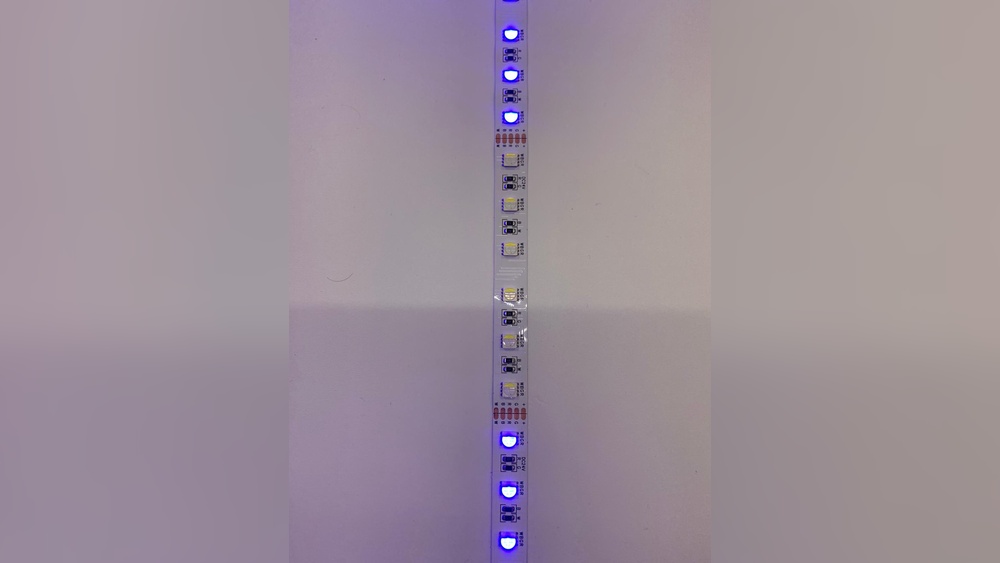
Task lighting focuses on activities like reading or dressing. Use LED desk lamps or under-cabinet lights for clear visibility. Accent lighting highlights artwork or decor. Small LED spotlights or strips work great. Mix task and accent lights to add depth and interest.
Energy Efficiency Considerations
Choosing the right LED lights for your bedroom means thinking about energy use. Energy efficiency affects your electricity bill and the planet. LED bulbs use less power and last longer than old bulbs. Understanding key points about energy can help you pick the best lights.
Wattage Vs Brightness
Wattage shows how much energy a bulb uses. Brightness tells how much light it gives. LED bulbs use fewer watts to give the same brightness as old bulbs. For example, a 10-watt LED can shine as bright as a 60-watt bulb. Choose brightness in lumens, not watts, for the best light.
Lifespan Of Led Bulbs
LED bulbs last much longer than traditional bulbs. Most LEDs work for 15,000 to 25,000 hours. This means fewer changes and less waste. Long lifespan saves money and time. It also lowers the need to buy bulbs often.
Cost Savings Over Time
LED lights cost more at first but save money later. They use less power, so bills are smaller. Longer life means fewer replacements. Over time, LEDs are cheaper than old bulbs. Energy savings add up and help your budget.
Common Mistakes To Avoid
Choosing the right LED lights for your bedroom can be tricky. Many people make simple mistakes that affect comfort and style. Avoid these common errors to get the best lighting for your space.
Overlighting The Room
Too much light can make the bedroom feel harsh and cold. Bright lights can disturb your sleep and cause eye strain. Aim for soft, even lighting that creates a calm atmosphere. Use dimmable LEDs to control brightness levels easily.
Ignoring Color Temperature
Color temperature changes the mood of a room. Cool white lights feel sharp and clinical. Warm white lights create a cozy and relaxing vibe. Choose warm tones for bedrooms to promote rest and relaxation. Avoid mixing different color temperatures in one space.
Poor Fixture Choices
Choosing the wrong fixtures affects how light spreads. Large, open fixtures work well for general lighting. Small, focused fixtures help with reading or tasks. Avoid fixtures that block light or cast strong shadows. Pick designs that fit your bedroom’s size and style.

Frequently Asked Questions
How Many Led Lights Are Ideal For A Bedroom?
For a standard bedroom, 3 to 5 LED lights work best. This provides balanced illumination without being too harsh or dim. Use a combination of ceiling lights, bedside lamps, and accent lighting for optimal comfort and functionality.
What Wattage Led Lights Suit Bedroom Lighting?
Choose LED bulbs with 8 to 12 watts for bedroom lighting. This wattage offers bright yet soft light, ideal for relaxation and tasks. It saves energy and provides enough brightness to create a cozy atmosphere.
Can Led Lights Affect Bedroom Ambiance?
Yes, LED lights can set the bedroom ambiance. Use warm white LEDs for a calming effect. Adjustable brightness and color temperature enhance mood and comfort. Smart LED options allow you to customize lighting based on time and activity.
How To Calculate Led Light Quantity For Bedrooms?
Measure your bedroom size in square feet and multiply by 20 for lumens needed. Divide total lumens by your LED bulb’s lumen output to find the number of lights. This ensures sufficient and energy-efficient lighting for your space.
Conclusion
Choosing the right amount of LED lights makes your bedroom cozy. Brightness depends on room size and your needs. Soft, warm lights help you relax at night. Brighter lights work better for reading or work. Use dimmers to adjust light levels easily.
Think about layering lights for a balanced look. Proper lighting improves mood and comfort in your space. Small changes can create a big difference. Enjoy a bedroom that feels just right for you.






Leave a Reply