

Are you curious about how much LED lights really cost? Whether you want to brighten up your home, save on energy bills, or create the perfect mood lighting, knowing the price is key.
But the cost of LED lights isn’t always straightforward—it depends on the type, quality, and where you plan to use them. You’ll discover everything you need to know about LED light prices, so you can make smart choices without breaking the bank.
Keep reading to find out how to get the best value and make your space shine just the way you want.
Factors Affecting Led Light Prices
Several factors influence the price of LED lights. Understanding these can help you choose the right product for your needs. Prices vary based on design, features, and brand.
Knowing what affects costs helps make smart buying decisions. Some LED lights cost more due to quality or special functions.
Type Of Led Light
Different types serve different purposes. Bulbs, strips, panels, and floodlights all have unique prices. Complex designs or specialty lights usually cost more.
Brand And Quality
Popular brands often charge higher prices. They offer reliable performance and longer lifespans. Cheap brands may save money but risk poor quality and shorter life.
Wattage And Brightness
Higher wattage means brighter light. Brighter LEDs often cost more due to stronger components. Choose brightness based on your space and needs.
Color Temperature
LEDs come in warm, cool, or daylight tones. Some color temperatures cost more because they use advanced technology. Pick a color that fits your environment.
Smart Features
LED lights with smart controls cost extra. Features like dimming, color change, and app control add to the price. These lights offer convenience and energy savings.

Average Costs By Led Light Type
LED lights come in many types, each with different costs. Knowing the average prices helps plan your budget. Prices vary based on size, power, and design. This section explains the average costs by LED light type.
Bulbs For Home Use
LED bulbs for home use are the most common type. They cost between $2 and $10 per bulb. The price depends on brightness and brand. Standard bulbs for lamps and ceiling lights fall in this range. They save energy and last longer than traditional bulbs.
Strip Lights And Panels
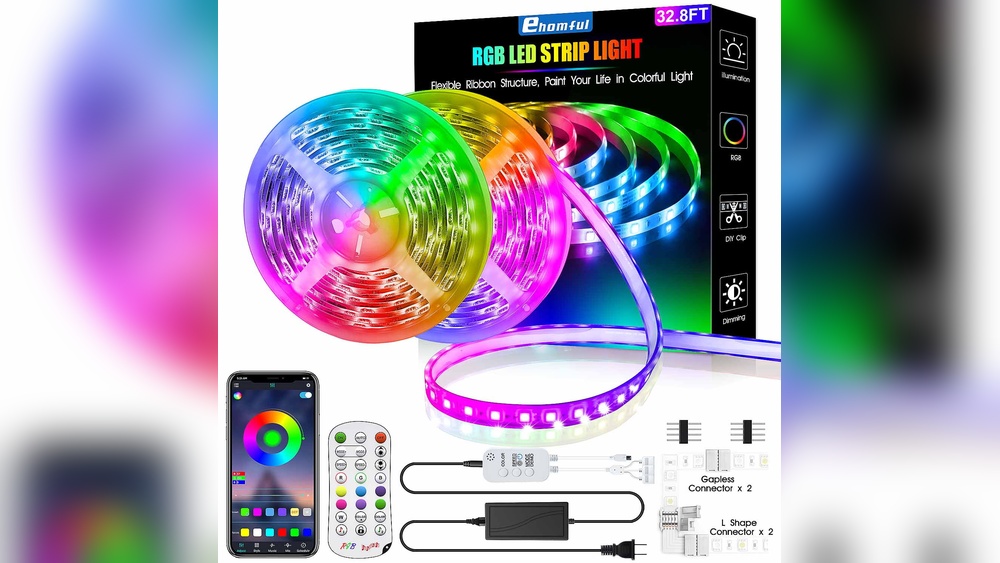
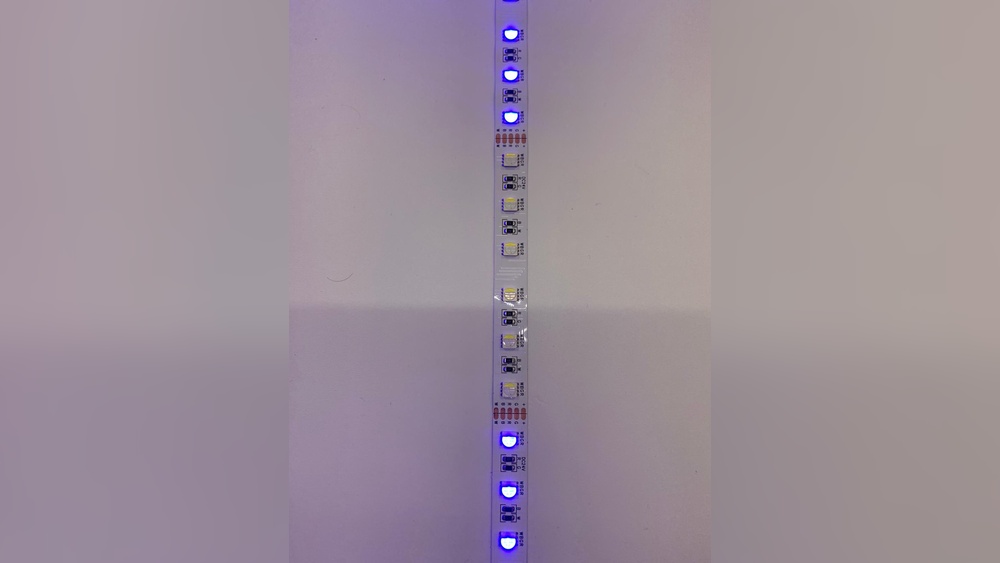
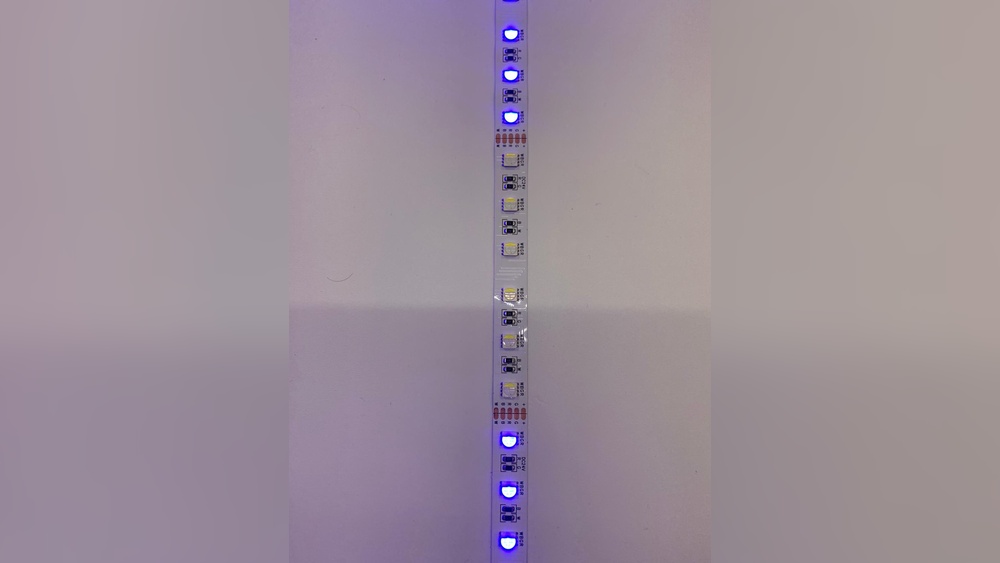
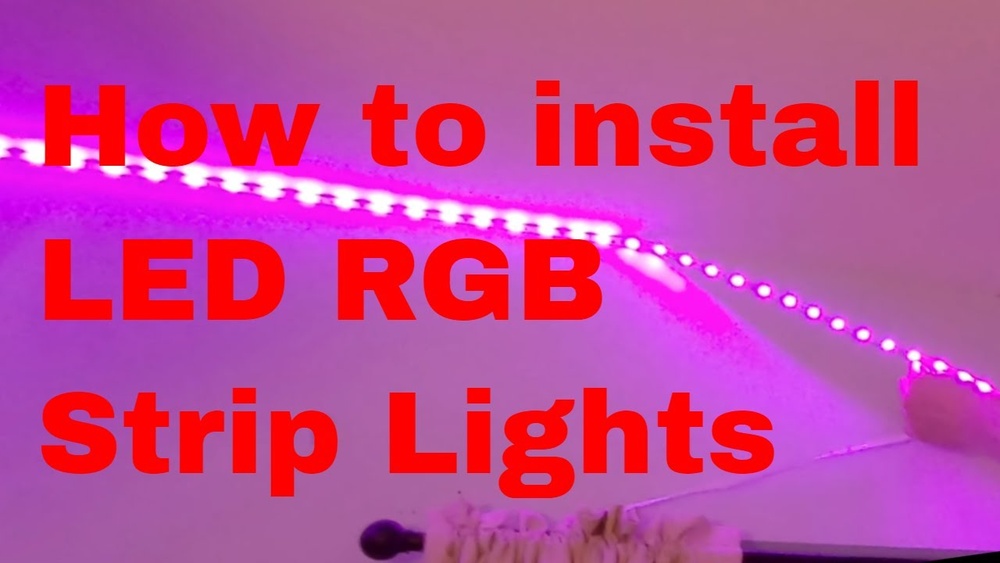
LED strip lights are flexible and easy to install. They cost about $10 to $30 per 16 feet. LED panels for ceilings or walls range from $20 to $100 each. Prices change with size and light quality. These lights offer bright, even illumination and look modern.
Outdoor Led Fixtures
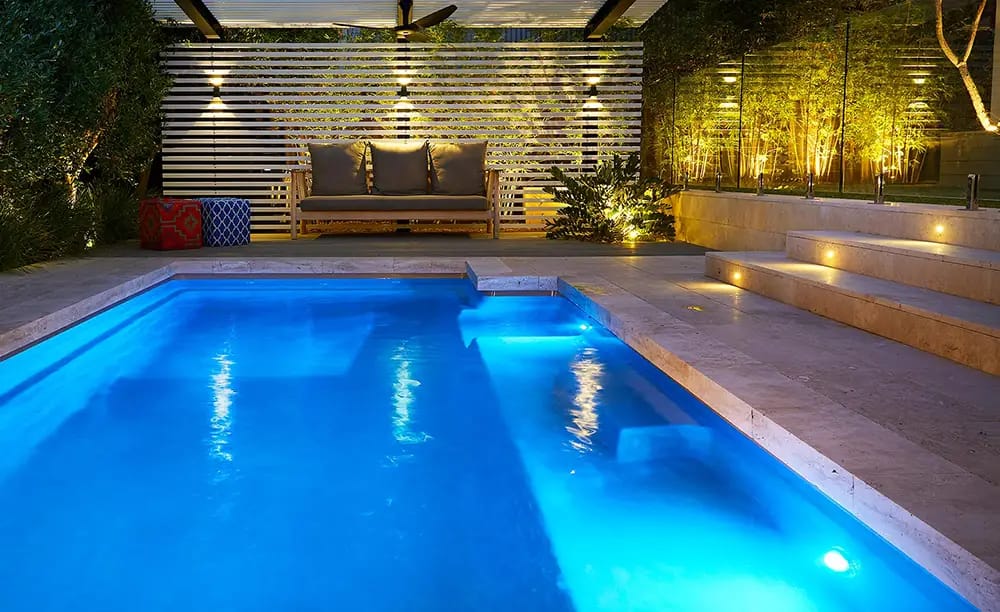
Outdoor LED lights include floodlights and garden lamps. They usually cost between $20 and $70 per fixture. Weatherproofing adds to the price. Outdoor LEDs use less power and last longer than older lights. They improve safety and highlight outdoor spaces.
Specialty And Decorative Leds
Specialty LEDs cover colored lights and unique shapes. These cost from $15 to over $100 depending on style. Decorative LEDs include fairy lights, chandeliers, and signs. They add charm and style to any space. These lights focus on appearance as well as function.
Energy Savings With Led Lights
Saving energy is a big reason many people choose LED lights. These lights use less power but shine just as bright. Using LED lights helps cut down your electric bills. It also reduces the energy your home or office uses every day.
Comparing Led To Incandescent
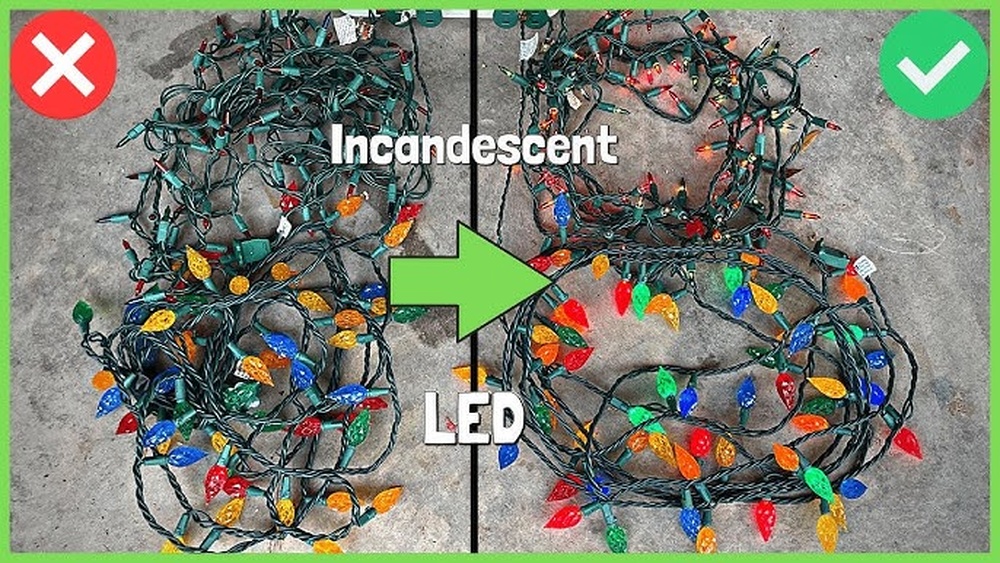
LED lights use about 75% less energy than incandescent bulbs. Incandescent bulbs waste a lot of energy as heat. LEDs stay cool and use power more efficiently. This means LEDs give the same light but use far less electricity. Changing old bulbs to LED is an easy way to save energy.
Electricity Cost Reduction
LED lights cost less to run every month. Using less electricity means smaller bills. Over time, the savings add up to a good amount. Even if LED bulbs cost more to buy, they save money on electricity. This helps pay back the cost of the bulbs quickly.
Long-term Savings
LED lights last much longer than traditional bulbs. This means fewer replacements and less waste. Buying fewer bulbs saves money over the years. LEDs also use less energy, cutting costs continuously. Using LED lights is a smart choice for steady savings.
Installation And Maintenance Expenses
Installing LED lights involves some costs beyond the price of the lights. You must consider both installation and maintenance expenses. These costs vary based on how you install and care for the lights. Knowing these details helps you plan your budget better.
Diy Vs Professional Installation
Installing LED lights yourself can save money. You only pay for tools and lights. Basic skills and safety care are important. Professional installation costs more but ensures safety and quality. Experts handle wiring and complex setups quickly. Choose based on your skills and comfort with electrical work.
Replacement And Lifespan
LED lights last longer than traditional bulbs. Most LEDs work for 25,000 to 50,000 hours. This means fewer replacements over time. Replacement costs are low compared to other types of lighting. Long lifespan reduces the total cost of ownership.
Common Maintenance Costs
Maintenance costs for LED lights are usually low. Occasional cleaning keeps lights bright and efficient. Replacing damaged bulbs or fixtures may happen rarely. Check wiring and connections to avoid issues. Regular care extends the life of your LED lights.
Choosing The Right Led For Your Budget
Choosing the right LED lights depends a lot on your budget. You want lights that last long and save energy without costing too much. Finding the right balance between price and quality is key. This guide helps you pick LEDs that fit your budget and needs.
Balancing Cost And Quality
Cheap LEDs might save money upfront but can fail quickly. Quality LEDs cost more but last longer. Think about how long you want the lights to work. Sometimes spending a bit more saves money in the long run. Look for LEDs with good reviews and trusted brands.
Evaluating Energy Efficiency
Energy-efficient LEDs use less electricity. They lower your power bills over time. Check the lumens per watt rating. Higher numbers mean better energy savings. Even if the price is higher, energy-efficient LEDs pay off soon.
Warranty And Support
A strong warranty protects your purchase. It shows the maker trusts their product. Warranties usually cover defects for one to five years. Good customer support helps fix problems fast. Always check warranty terms before buying.
Where To Buy Led Lights
Choosing the right place to buy LED lights affects price and quality. Different sellers offer various options and deals. Knowing where to shop helps find the best products for your needs. Explore these common places to buy LED lights.
Online Retailers
Online stores provide a wide range of LED lights. You can compare prices and read customer reviews easily. Shopping online saves time and often offers lower prices. Many websites have detailed product descriptions and specifications. Delivery is usually fast and convenient, right to your door.
Local Stores
Local shops let you see LED lights before buying. Staff can give advice and answer questions. You may find unique or specialty products in local stores. Buying locally supports small businesses and helps the community. Sometimes, local stores have in-store promotions or discounts.
Wholesale Options
Wholesale suppliers sell LED lights in bulk at lower prices. This option suits businesses or large projects. Wholesale prices reduce the cost per unit significantly. Many wholesalers require a minimum order quantity. Buying wholesale often means less packaging waste and faster restocking.
Maximizing Savings With Led Lighting
Maximizing savings with LED lighting goes beyond just buying energy-efficient bulbs. Smart use of LED technology helps cut electricity bills and extends bulb life. Small changes in how you use LED lights lead to big savings over time.
Using Timers And Sensors
Timers switch off lights automatically after set hours. Sensors detect when people enter or leave a room. Lights turn on only when needed. This avoids wasting energy on empty rooms. Using timers and sensors reduces electricity use significantly.
Combining Led With Natural Light
Use daylight to brighten rooms during the day. Open curtains and blinds to let sunlight in. Use LED lights only when natural light is low. This lowers the time LEDs stay on. It saves energy and keeps your home bright.
Taking Advantage Of Rebates
Many places offer rebates for buying LED lights. These rebates lower the initial cost of LED bulbs. Check local programs for available discounts. Rebates make switching to LED lighting more affordable. They reduce your total spending on lighting upgrades.
Frequently Asked Questions
How Much Do Led Lights Cost On Average?
LED lights typically cost between $2 and $15 each, depending on type and quality. Bulk purchases often reduce the per-unit price.
How Much Energy Do Led Lights Consume?
LED lights use about 75% less energy than traditional bulbs. This makes them highly efficient and cost-saving.
How Long Do Led Lights Usually Last?
LED lights can last from 25,000 to 50,000 hours. This lifespan is much longer compared to incandescent bulbs.
How Much Can I Save With Led Lights?
Switching to LED lights can save up to 80% on electricity bills. They also reduce maintenance costs due to longer life.
Conclusion
LED lights save money and use less energy than old bulbs. They last longer, so you buy fewer replacements. Prices vary by size, brand, and quality. Choose the right type for your needs and budget. Good lighting makes your home bright and cozy.
Spending a little now can save a lot later. Think about energy bills and how long lights last. LED lights are smart and eco-friendly choices for everyone.

Leave a Reply