

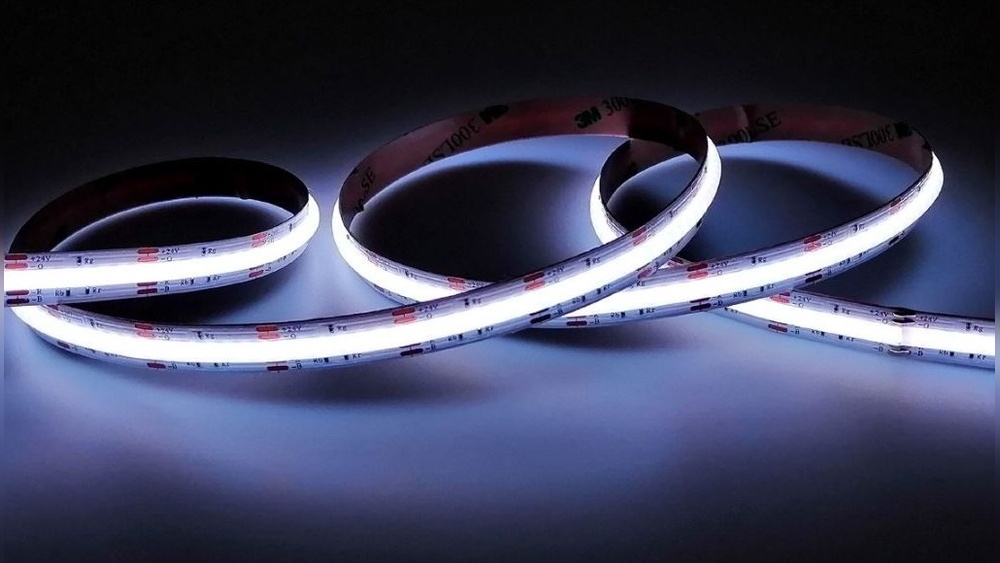
Are you curious about how much electricity your LED light strip actually uses? Whether you’re decorating your room, setting the mood, or adding a splash of color to your space, knowing the energy consumption can help you save money and make smarter choices.
You’ll discover simple facts about LED light strips’ power use and learn how to keep your energy bills low without giving up on style. Keep reading to find out exactly what impacts electricity use and how you can make your lighting both beautiful and efficient.
Led Light Strip Power Consumption
Understanding the power consumption of LED light strips helps you manage your energy use better. These strips are popular for decoration and lighting. They use less electricity than many traditional lights.
Knowing how much power they use helps plan your electricity bills and choose the right product.
Typical Wattage Per Meter
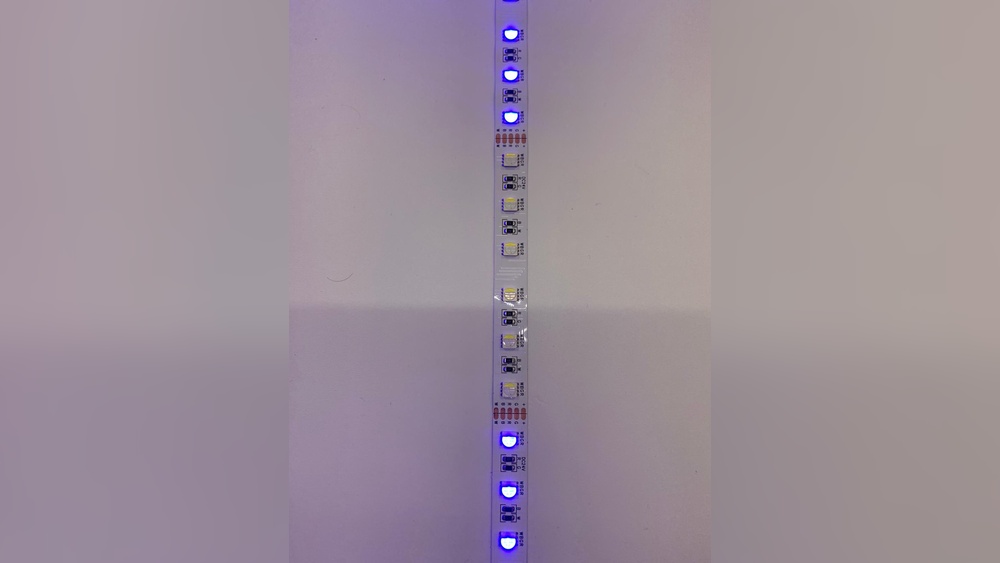
Most LED light strips use between 4 to 14 watts per meter. The exact number depends on the type of LEDs and their brightness. Lower wattage strips are common in home settings. High brightness or RGB strips usually use more power.
For example, a basic white LED strip might use about 4.8 watts per meter. A colorful RGB strip could use around 7 to 14 watts per meter. This range helps you estimate total energy use based on strip length.
Factors Affecting Power Use
Several factors change how much electricity an LED strip uses. The number of LEDs per meter affects power needs. More LEDs mean more power consumption. Brightness also plays a role. Brighter light requires more energy.
Color settings impact power use too. RGB strips using multiple colors consume more electricity. Running all colors at full brightness uses the most power. The power supply efficiency can affect overall consumption as well.
Temperature and strip quality also matter. Poor quality strips may waste energy. Cooler temperatures can improve LED efficiency, lowering power use slightly.
Comparing Led Strips To Other Lights
Comparing LED light strips to other lighting options helps understand their energy use and benefits. LED strips use less electricity and last longer. They offer bright light with lower power needs. This section compares LED strips with incandescent bulbs and fluorescent lights.
Energy Use Compared To Incandescent Bulbs
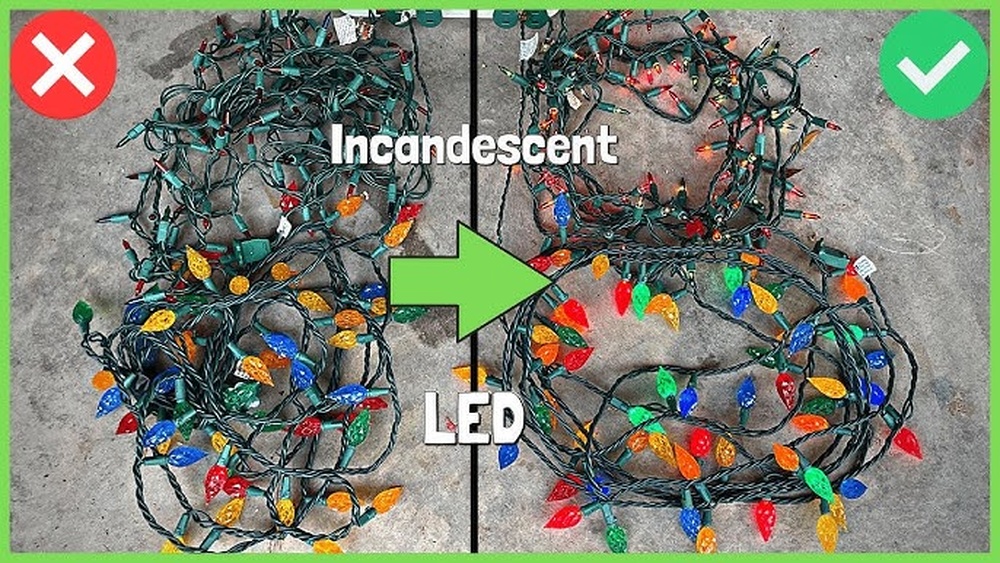
Incandescent bulbs use much more electricity than LED strips. A typical incandescent bulb uses about 60 watts. An LED strip with similar brightness uses only about 10 watts. This means LED strips save up to 80% energy. Incandescent bulbs also get hot and waste energy as heat. LED strips stay cool and use power more efficiently.
Efficiency Versus Fluorescent Lights
Fluorescent lights use less energy than incandescent bulbs but more than LEDs. A fluorescent tube uses about 15 to 40 watts depending on size. LED strips use less power for the same light output. LEDs reach full brightness instantly. Fluorescent lights can flicker and take time to warm up. LED strips are more durable and last longer too.
Calculating Energy Costs
Calculating energy costs for LED light strips helps you understand their impact on your electricity bill. It involves knowing how much power the strip uses and how long it stays on. This section breaks down the steps to estimate monthly usage and see how it affects your costs.
Estimating Monthly Usage
First, check the wattage of your LED light strip. Most strips use between 4 and 15 watts per meter. Multiply the wattage by the length of your strip to find total power usage.
Next, estimate how many hours you use the strip each day. Multiply daily hours by 30 to get monthly hours. Then, multiply total power by monthly hours to find monthly watt-hours.
Convert watt-hours to kilowatt-hours (kWh) by dividing by 1,000. This number shows the energy your strip uses each month. For example, a 10-watt strip used 5 hours daily uses 1.5 kWh monthly.
Impact On Electricity Bills
Multiply your monthly kWh by your electricity rate. Rates usually range from $0.10 to $0.20 per kWh. This calculation reveals how much the LED strip adds to your bill.
LED strips use less energy than many other lights. Their cost impact is small, even if used daily. Knowing these numbers helps you manage your energy and budget better.
Energy-saving Benefits Of Led Strips
LED light strips are known for saving energy while providing bright, colorful lighting. They use less electricity than traditional bulbs. This helps lower your electric bill and reduces environmental impact. The benefits go beyond just energy use. LED strips offer features that support sustainable living.
Long Lifespan Reducing Waste
LED strips last much longer than regular lights. They can operate for tens of thousands of hours. This means fewer replacements and less trash. Durable design means less damage and fewer broken parts. A long lifespan helps reduce waste and saves money over time.
Lower Heat Emission
LED strips produce very little heat. They convert most energy into light, not heat. This reduces cooling costs in warm spaces. Lower heat also means safer use around fabrics and furniture. Reduced heat helps protect the environment and saves energy.
Tips To Reduce Led Strip Energy Use
Reducing energy use of LED light strips saves money and helps the environment. Small changes can make a big difference in power consumption. Simple tips can keep your LED strips bright without wasting electricity.
Using Dimmer Controls
Dimmer controls let you lower light brightness easily. By reducing brightness, LED strips use less energy. This helps extend the life of the lights too. Adjusting the dimmer to the perfect level saves power and creates a cozy atmosphere.
Selecting The Right Brightness
Choose LED strips with brightness that fits your needs. Too bright lights waste energy and can be uncomfortable. Pick strips that provide enough light but not too much. This simple choice cuts energy use without losing comfort or style.
Smart Controls And Automation
Smart controls and automation help manage LED light strips easily. They save energy by turning lights off when not needed. Automation makes lighting convenient and efficient. You can set schedules or use sensors to control lights. These features reduce electricity use and increase comfort.
Using smart controls, LED strips only run when necessary. This lowers your electric bill and extends light strip life. Let’s explore some popular smart control options.
Timers And Motion Sensors
Timers let you set specific hours for LED strips to run. You can program lights to turn on at night and off in the morning. This avoids wasting electricity during the day.
Motion sensors detect movement and switch lights on automatically. Lights turn off after no movement is sensed for a while. This is great for hallways or closets where you use lights briefly.
Using timers and motion sensors cuts down on unnecessary power use. It keeps your LED strips working only when needed.
Integrating With Smart Home Systems
Smart home systems control LED strips using apps or voice commands. You can adjust brightness, color, and schedules from one place. This makes managing multiple light strips simple.
Connecting LED strips to systems like Alexa or Google Home adds convenience. Lights respond instantly to your commands. It helps avoid leaving lights on by mistake.
Integration with smart home systems improves energy efficiency. It ensures your LED lights use electricity wisely and only when required.
Frequently Asked Questions
How Much Power Does An Led Light Strip Consume?
An LED light strip typically uses between 4. 8 to 14. 4 watts per meter. The exact usage depends on LED density and color. Lower wattage means better energy efficiency and lower electricity bills. Always check product specs for precise consumption details.
Does Led Strip Length Affect Electricity Usage?
Yes, longer LED strips consume more electricity. Power consumption increases linearly with length, as each meter draws a set amount of watts. For example, a 5-meter strip uses roughly five times the power of a 1-meter strip. Plan length carefully to save energy.
Can Led Strips Save Energy Compared To Bulbs?
LED strips are more energy-efficient than traditional bulbs. They use less wattage for similar brightness levels. This results in lower electricity bills and less heat output. Using LED strips is a smart choice for both energy savings and environmental benefits.
What Factors Influence Led Strip Electricity Consumption?
Power consumption depends on LED type, density, color, and brightness settings. RGB strips use more power than single-color strips. Higher brightness settings increase wattage. Knowing these factors helps optimize usage and reduce energy costs.
Conclusion
LED light strips use very little electricity compared to other lights. They save energy and lower your electricity bill. You can choose different lengths and brightness to fit your needs. Remember, the power use depends on the strip’s size and type.
Using LED strips smartly helps protect the environment too. Small changes make a big difference over time. Enjoy bright, colorful lighting without worrying about high energy costs. LED strips offer a simple and efficient lighting option for any space.


Leave a Reply