

Have you ever wondered how many people use LED lights around the world? You might be surprised by just how common they have become in homes, offices, and public spaces.
LED lights are changing the way we light up our lives, saving energy and cutting costs. But what makes them so popular? And how widespread is their use? Keep reading, and you’ll discover fascinating facts about LED lights that could change how you think about lighting your own space.

Global Led Adoption Trends
LED lights have grown in popularity worldwide. Their energy efficiency and long life attract many users. People and businesses switch to LED to save money and reduce energy use.
This shift shows in different areas, such as homes, offices, and factories. Understanding these trends helps us see how LED use spreads globally.
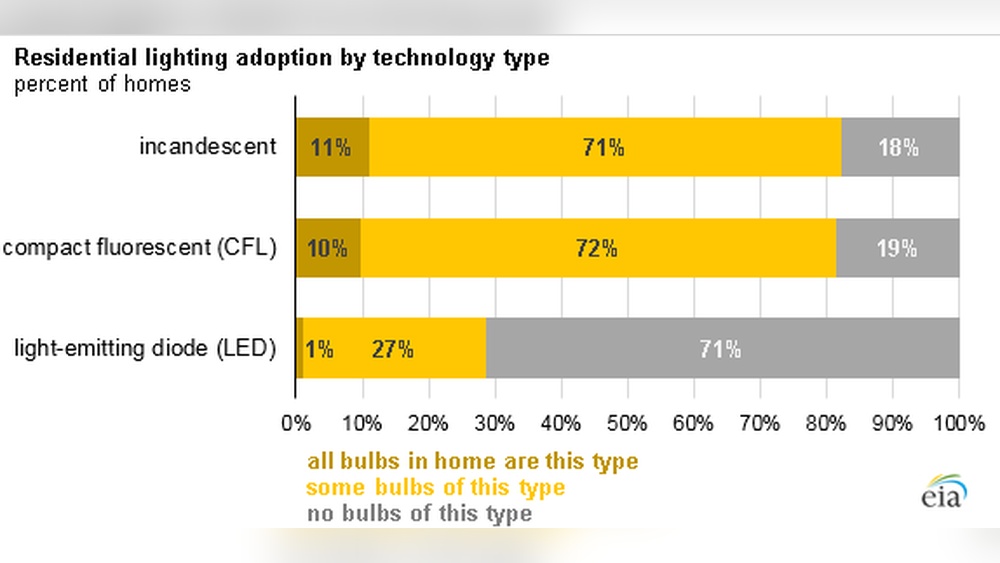
Growth In Residential Use
More homes now use LED bulbs than ever before. Families replace old bulbs with LED for better light and lower bills. LED bulbs last longer, so people buy fewer replacements. This change helps save energy in houses everywhere.
Commercial Sector Uptake
Businesses are also adopting LED lights quickly. Offices, shops, and hotels use LED for bright, clear lighting. LED helps reduce electricity costs in large buildings. Many businesses install LED to meet new energy rules.
Industrial Applications
Factories and warehouses use LED for strong, reliable lighting. LED lights improve safety and visibility in work areas. They also cut maintenance costs because LEDs last longer. Industries choose LED to boost efficiency and lower power use.
Regional Usage Patterns
LED lights are popular worldwide, but usage varies by region. Different areas adopt LED technology at different rates. This depends on factors like economy, government policies, and consumer awareness. Understanding regional patterns helps explain global LED usage.
North America
North America leads in LED light adoption. Many homes and businesses use LED bulbs. Energy-saving laws encourage switching to LEDs. Consumers prefer LEDs for lower electricity bills. Street lighting and commercial spaces mostly use LEDs now.
Europe
Europe shows strong growth in LED use. Strict energy regulations push for efficient lighting. Many countries offer incentives for LED upgrades. Urban areas widely adopt LEDs for public lighting. The market grows steadily across homes and offices.
Asia-pacific
Asia-Pacific has the largest number of LED users. Rapid urbanization drives demand for energy-efficient lights. Countries like China and India invest heavily in LED production. LED usage grows in factories, homes, and streets. The region leads in manufacturing and consumption.
Emerging Markets
Emerging markets show rising LED adoption. Lower costs make LEDs more accessible. Governments promote LED use to save energy. Rural areas slowly shift from traditional bulbs. Growth potential is high as awareness increases.
Factors Driving Led Popularity
LED lights have become very popular worldwide. Many people use them for homes, offices, and streets. Several key factors drive this growing trend. These reasons explain why LED lights are chosen more than other types.
Understanding these factors helps to see why LED use keeps rising. Energy savings, costs, and environment play big roles.
Energy Efficiency Benefits
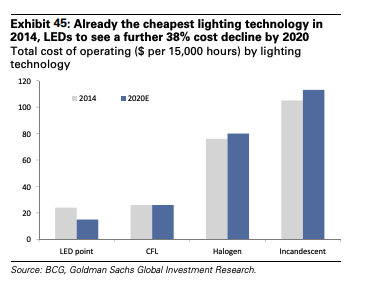
LED lights use much less energy than traditional bulbs. They convert most energy into light, not heat. This means they need less electricity to work well. Less energy use helps reduce power bills and saves resources.
Cost Savings Over Time
LED lights cost more at first. The price drops over time because they last longer. People spend less on replacements and repairs. This makes LEDs cheaper in the long run. Saving money is a strong reason for many users.
Environmental Impact
LED lights help protect the environment. They use fewer resources and create less waste. LEDs do not contain harmful chemicals like mercury. Lower energy use means fewer greenhouse gases. Choosing LEDs supports a cleaner planet for future generations.
Challenges Slowing Led Adoption
LED lights offer many benefits like energy savings and long life. Still, some challenges slow down how many people use them. These challenges affect adoption in homes and businesses. Understanding these barriers helps us see why LED use is not yet universal.
Initial Investment Costs
LED lights cost more upfront than traditional bulbs. This higher price makes some people hesitate. Many focus only on the initial price, not long-term savings. The upfront cost can be a big hurdle for families and small businesses. Some still see LED bulbs as too expensive to buy.
Awareness And Education Gaps
Many people do not know about LED benefits. Some think LEDs are just expensive bulbs with no extra value. Misunderstandings about LED lifespan and brightness also cause doubts. Lack of clear information stops more people from switching. Better education could help increase LED use.
Technological Limitations
LED technology has improved but still has limits. Some LEDs do not work well with older dimmer switches. Color options may not match all preferences. In certain places, LEDs may not provide the right light quality. These issues make some users stick to older lighting choices.
Future Outlook For Led Usage
The future outlook for LED usage is very bright. More people and businesses are shifting to LED lights. The focus is on saving energy and cutting costs. As technology improves, LEDs become better and cheaper. This encourages wider adoption worldwide.
Innovations In Led Technology
LED technology keeps evolving. New designs offer brighter light with less power. Some LEDs now change colors and adjust brightness automatically. These features make LEDs more useful in homes and offices. Future LEDs will last longer and use even less energy.
Government Incentives
Many governments support LED adoption. They offer rebates and tax credits to buyers. These incentives lower the initial cost of LED lights. Some places require LEDs in new buildings. Government help speeds up the switch from old bulbs to LEDs.
Predicted Adoption Rates
Experts expect LED use to grow fast. More than half of all lighting could be LED by 2030. Developing countries also plan to increase LED use. This growth reduces global energy use and pollution. The trend shows LEDs will become the main light source.
.jpg)
Frequently Asked Questions
How Many People Use Led Lights Worldwide?
Over 1 billion people worldwide use LED lights for homes and businesses. LED adoption is growing fast due to energy savings and durability.
Why Are Led Lights Popular Among Consumers?
LED lights are popular because they save energy, last longer, and reduce electricity bills. They also offer better light quality and environmental benefits.
Which Sectors Use Led Lights The Most?
Residential, commercial, and industrial sectors are the largest LED light users. Street lighting and automotive industries also heavily rely on LED technology.
How Has Led Usage Changed In Recent Years?
LED usage has surged globally due to falling prices and government incentives. More people switch to LEDs for cost-efficiency and sustainability.
Conclusion
LED lights have become very popular worldwide. Millions of people choose them for homes and businesses. They save energy and last a long time. This makes them a smart choice for many. As more people learn their benefits, usage will keep growing.
LED lights help reduce electricity bills and protect the environment. Their bright and clear light suits many needs. It’s easy to see why so many trust LED lighting today.








Leave a Reply