


Have you ever wondered how long your LED lights will actually last? Whether you’re lighting up your home, office, or outdoor space, knowing the lifespan of LED lights can help you save money and avoid the hassle of frequent replacements.
Imagine not having to worry about flickering bulbs or sudden blackouts for months or even years. You’ll discover exactly how many days LED lights last and what factors can affect their durability. Keep reading, and you’ll learn how to make the most out of your LED lighting investment.
Led Lifespan Basics
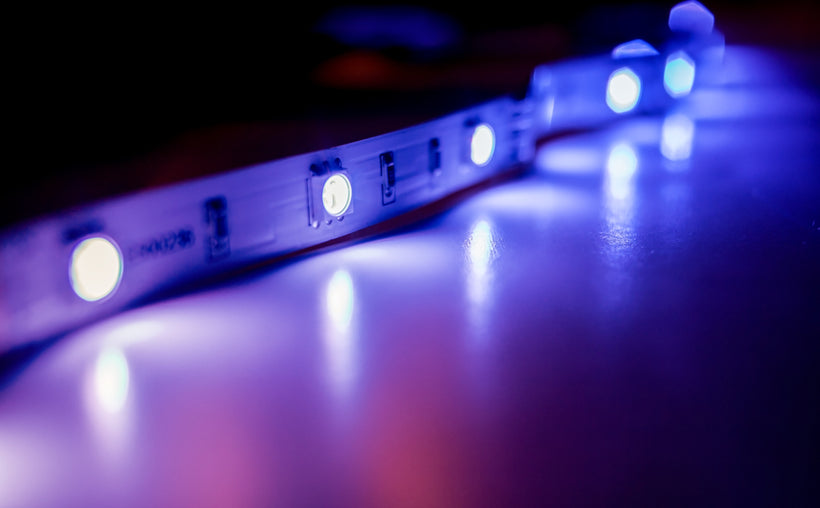
LED lights are popular because they last a long time and save energy. Understanding their lifespan helps you know when to replace them. This section explains the basics of how long LED lights last.
What Determines Led Longevity
LED lifespan depends on several factors. Quality of materials affects how long the LED works. Heat management is very important; too much heat can shorten life. Usage patterns matter, like how many hours the light stays on. Electrical conditions also impact LED durability. Good design and proper use increase LED longevity.
Typical Lifespan In Hours
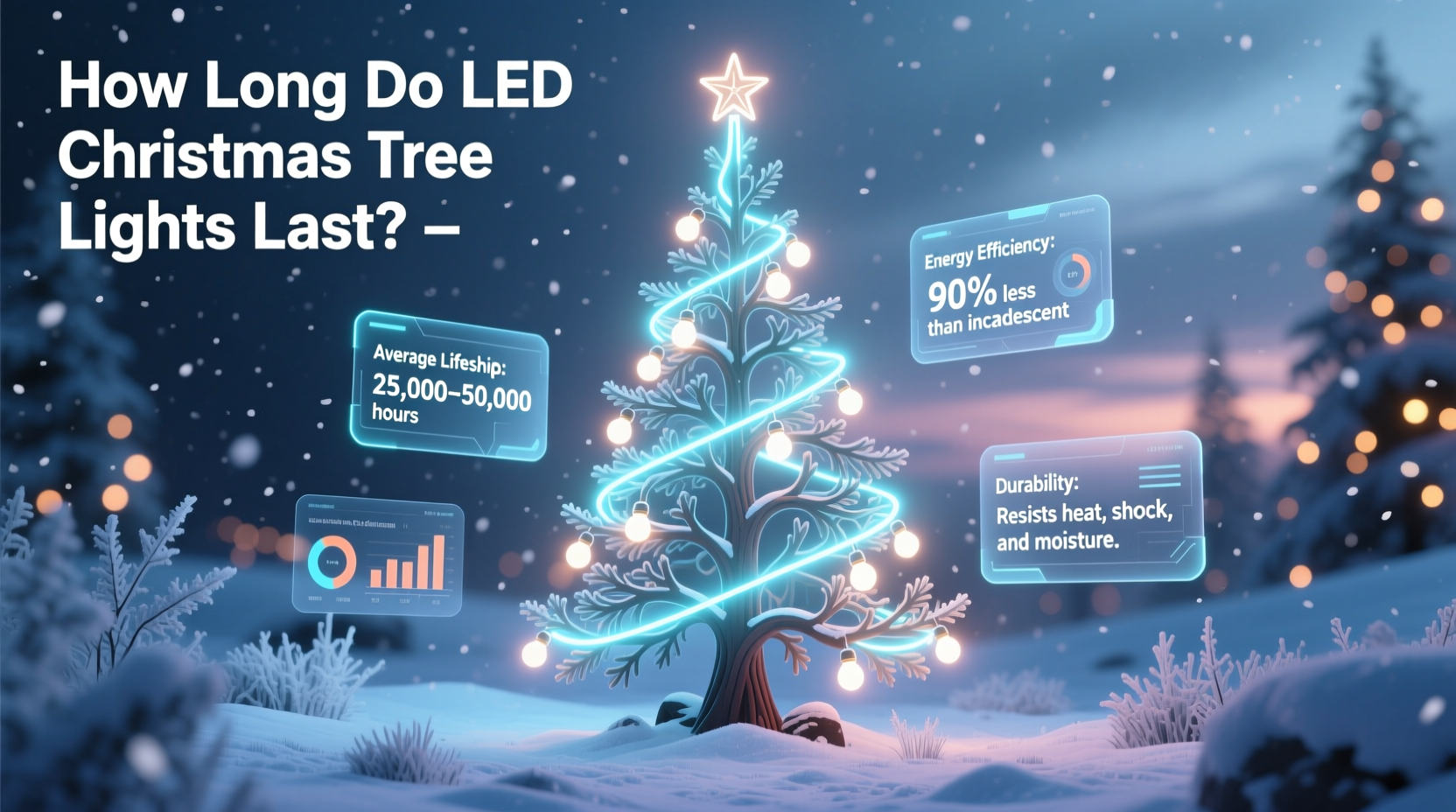
Most LED lights last between 25,000 and 50,000 hours. Some high-quality LEDs can go up to 100,000 hours. This is much longer than traditional bulbs. The lifespan means the time until the LED’s brightness drops significantly. Usually, the light still works but not as bright.
Converting Hours To Days
To understand lifespan in days, divide hours by daily use hours. For example, 50,000 hours equals about 5,555 days if used 9 hours daily. That is about 15 years of use. Using LEDs less daily increases their lifespan in years. This helps plan how long the light will last in your home.
Factors Affecting Led Duration
LED lights can last for many years, but several factors affect their lifespan. These factors influence how long the LED will work before it dims or stops. Understanding these elements helps you choose the right LED and use it properly.
Operating Temperature
Heat is a major enemy of LEDs. High temperatures reduce their lifespan. LEDs work best in cool environments. Good heat management keeps them running longer. Overheating can cause early failure.
Quality Of Components
Not all LEDs are made the same. Higher quality parts last longer. Cheap LEDs may fail quickly due to poor materials. Quality also affects brightness and color stability.
Usage Patterns
How often and how long you use LEDs matters. Constant on and off cycles can shorten life. Steady, moderate use is best for durability. Avoid rapid switching to extend lifespan.
Electrical Factors
Voltage and current levels impact LED duration. Too much power causes damage over time. Using the correct driver protects the LED. Stable electricity supply increases longevity.
Comparing Led Lifespan To Other Lights
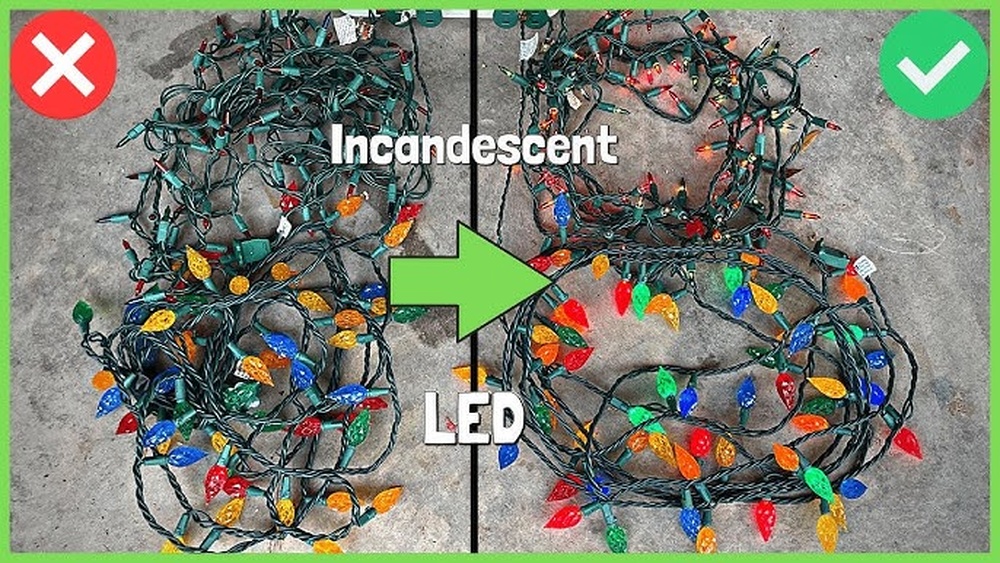
LED lights last much longer than many traditional bulbs. Comparing their lifespan to other common lights shows clear differences. These differences affect cost, maintenance, and overall lighting quality.
Understanding how long each light lasts helps you choose the best option for your needs. Below, we look at incandescent bulbs, fluorescent lights, and halogen lamps.
Incandescent Bulbs
Incandescent bulbs have the shortest lifespan. They usually last about 1,000 hours. This means they burn out quickly and need frequent replacement. They also waste more energy as heat. This makes them less efficient and more expensive over time.
Fluorescent Lights
Fluorescent lights last longer than incandescent bulbs. They typically work for 8,000 to 15,000 hours. Fluorescents use less energy but contain small amounts of mercury. This requires careful disposal. Their light quality can flicker or dim over time.
Halogen Lamps
Halogen lamps last a bit longer than incandescent bulbs. Their lifespan is around 2,000 to 4,000 hours. They produce bright light and use slightly less energy. Halogen lamps also get very hot, which can be a safety concern. They need replacing more often than LEDs.
Maximizing Led Lifespan
LED lights can last many years if cared for properly. Maximizing their lifespan saves money and reduces waste. Small efforts can extend how long your LEDs shine bright.
Understanding how to install, use, and maintain LED lights helps keep them working longer. This section covers key tips for each part.
Proper Installation Tips
Install LEDs in dry, cool places to avoid damage. Use the right fixtures made for LED bulbs. Avoid loose connections that cause flickering or heat build-up. Follow the manufacturer’s instructions carefully for best results.
Optimal Usage Habits
Turn off LEDs when not needed to save energy and life. Avoid frequent on-off cycles that stress the bulbs. Use dimmers designed for LEDs to reduce brightness without harm. Keep LEDs away from extreme heat sources.
Maintenance Practices
Clean LED bulbs gently with a soft cloth to remove dust. Check connections regularly for tightness and signs of wear. Replace drivers and components as recommended by the manufacturer. Avoid touching bulbs with bare hands to keep oils off.
Signs Of Led Wear And Replacement Timing
LED lights last a long time but do not last forever. Over time, they show signs of wear. Knowing these signs helps you decide when to replace them. This keeps your space bright and safe. Watch closely for changes in light quality and behavior.
Dimming And Flickering
Dimming is a common sign of LED wear. The light becomes less bright than before. Flickering means the light blinks on and off quickly. This can be annoying and harmful to your eyes. Both dimming and flickering indicate the LED is aging or has a problem.
Color Changes
LEDs usually keep the same color for a long time. If you notice colors shifting or fading, the LED may be wearing out. Colors may look dull or different from the original. This change affects the light’s quality and your room’s look.
When To Replace
Replace LEDs when dimming, flickering, or color changes become clear. Also, replace them after they reach their rated life span, usually 25,000 to 50,000 hours. Waiting too long can cause poor lighting and higher energy use. Replacing LEDs on time saves money and improves comfort.

Frequently Asked Questions
How Long Do Led Lights Typically Last?
LED lights usually last between 25,000 to 50,000 hours. This translates to about 10 to 20 years of use, depending on daily usage and quality. High-quality LEDs can even last longer under optimal conditions.
What Factors Affect Led Light Lifespan?
LED lifespan depends on usage hours, operating temperature, and quality. Frequent on/off cycles and poor heat dissipation reduce longevity. Proper installation and good ventilation help maximize LED life.
Can Led Lights Burn Out Suddenly?
LEDs rarely burn out suddenly; they dim gradually over time. This slow degradation helps users know when to replace them. Sudden failure is uncommon unless there’s a manufacturing defect or electrical issue.
How Do Led Lifespans Compare To Other Bulbs?
LEDs last much longer than incandescent or CFL bulbs. Incandescents last about 1,000 hours and CFLs around 8,000 hours. LEDs offer better durability and energy efficiency, making them cost-effective in the long run.
Conclusion
LED lights last much longer than traditional bulbs. They can glow for tens of thousands of hours. This means you replace them less often. Saving money and effort over time. Factors like usage and quality affect their lifespan. Choosing good LED lights ensures longer performance.
They also use less energy, helping your bills. Bright, durable, and cost-effective lighting is possible. So, investing in LEDs benefits both you and the environment. A smart choice for home or work spaces. Easy to maintain and reliable every day.

Leave a Reply