


Are you planning to decorate your home with Christmas LED lights but unsure how many you can safely connect to one circuit? Knowing the right number is key to keeping your display bright without risking blown fuses or worse.
You’ll discover simple tips to calculate the perfect amount of LED lights per circuit. By the end, you’ll feel confident setting up your festive lights safely and beautifully, making your holiday season shine without a hitch. Keep reading to light up your Christmas the smart way!
Led Light Basics
Christmas LED lights are popular for their bright colors and low energy use. They last longer than traditional bulbs. Understanding the basics helps you use them safely and effectively. This section covers types, voltage, wattage, and common setups.
Types Of Christmas Led Lights
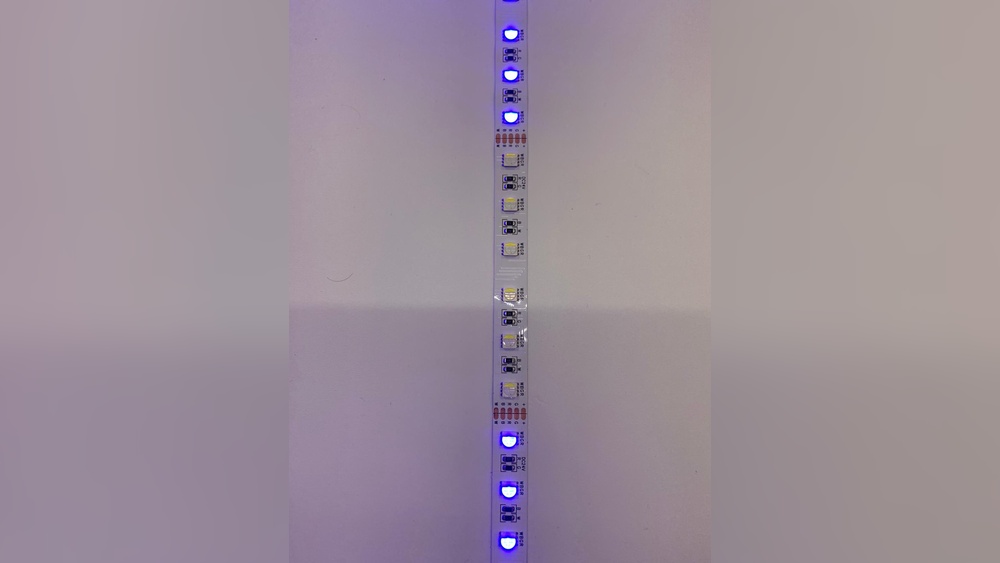
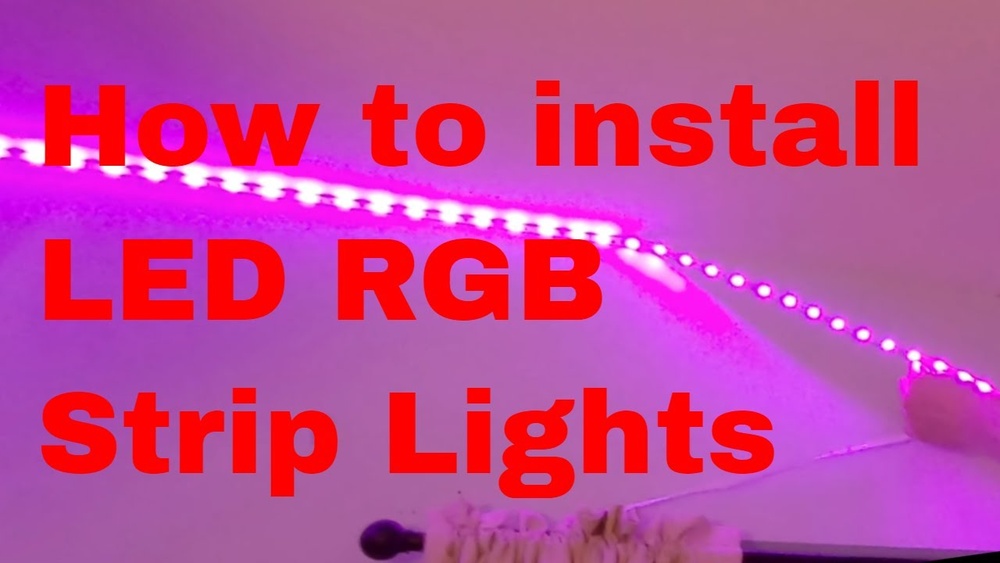
There are many types of LED lights for Christmas. Mini string lights are small and great for trees. C7 and C9 bulbs are larger and often used outside. Rope lights are flexible tubes with many LEDs inside. Net lights cover bushes and shrubs easily.
Voltage And Wattage Insights
LED lights use less power than old bulbs. Most Christmas LEDs run on 120 volts in the US. Some use low voltage, like 12 volts, with special adapters. Wattage shows how much energy each string uses. Lower wattage means less electricity cost and heat.
Common Led Light Configurations
LED lights come in series, parallel, or combination circuits. Series means one bulb affects the whole string. Parallel circuits keep bulbs independent. Many Christmas lights use a mix to stay bright if one fails. Knowing this helps you choose the right string for your setup.
Circuit Capacity Factors
Understanding how many Christmas LED lights you can safely connect to one circuit is important. The circuit capacity depends on several key factors. These factors ensure your lights work well without causing electrical problems. Knowing these helps you plan your decorations and avoid tripping breakers or wiring issues.
Understanding Circuit Breakers
Circuit breakers protect your home’s wiring from too much electricity. They stop the current if it gets too high. Each breaker has a limit, usually measured in amps. Exceeding this limit trips the breaker, cutting power to the circuit. It prevents wires from overheating and causing fires. Knowing your breaker’s amp rating helps avoid overloads with LED lights.
Calculating Total Wattage
Each LED light uses a certain amount of power, measured in watts. Add the wattage of all lights on the circuit to find the total. This total must stay below your circuit’s maximum capacity. For example, a 15-amp circuit can handle about 1800 watts safely. Keep some margin to prevent overloads. Check the packaging or labels for each string’s wattage.
Impact Of Wire Gauge
Wire gauge means the thickness of the wire. Thicker wires carry more electricity safely. Thin wires can overheat if too many lights draw power. Most home circuits use 14 or 12 gauge wire. The lower the number, the thicker the wire. Using the correct wire gauge supports the circuit’s amp rating and keeps lights safe.
Led Lights Per Circuit
Christmas LED lights usually run 50 to 100 bulbs per circuit. Exceeding this can cause bulbs to dim or circuits to overload. Checking the light string’s packaging helps find the exact safe limit.
Standard Recommendations
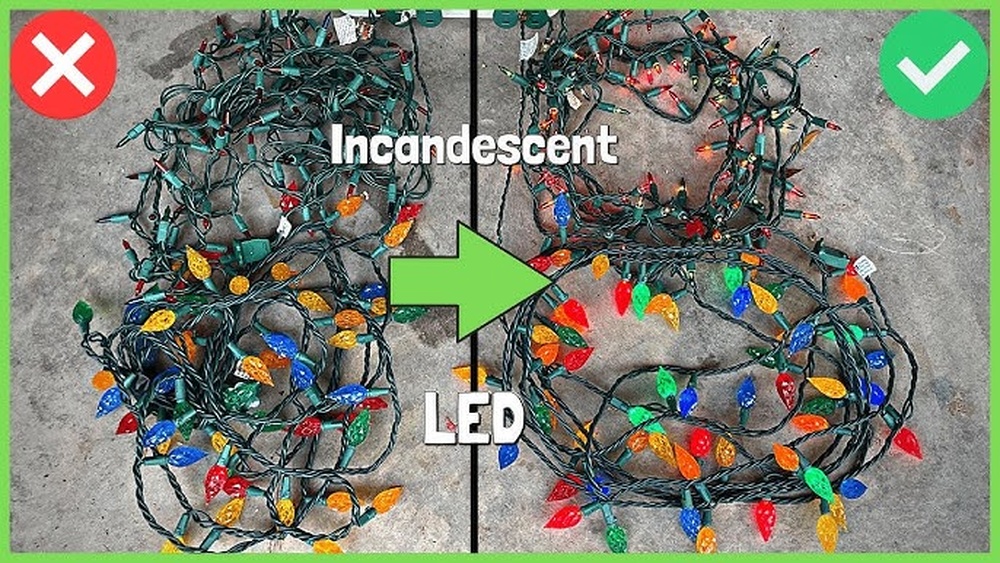
LED Christmas lights use less power than traditional bulbs. This means you can connect more lights to one circuit safely. Most LED light strands have a label showing how many sets you can link. Usually, a standard household circuit can handle about 300 to 500 LED bulbs. This depends on the wattage of each bulb and the circuit’s amperage. Always check the manufacturer’s instructions before connecting multiple strands.
Examples For Different Circuits
A typical 15-amp circuit can support roughly 180 to 300 LED bulbs. For a 20-amp circuit, this number can increase up to 400 to 500 bulbs. If you use low-wattage LED bulbs, you may connect even more. For example, a 0.05-watt LED bulb lets you add more strands than a 0.1-watt bulb. Always calculate your total wattage to avoid overloading your circuit.
Safety Margins To Consider
Leave some space for safety. Use only 80% of your circuit’s maximum capacity. This prevents overheating and reduces fire risk. Avoid daisy-chaining too many strands without checking the limit. Use a power meter to track your total wattage. If unsure, consult an electrician for help. Safety is key when decorating with lights.
.webp)
Setting Up Led Circuits
Setting up LED circuits for Christmas lights needs careful planning. This step ensures your lights work well and stay safe. Knowing how many lights to put on each circuit is key. It depends on your power source, wiring type, and control devices. Let’s explore these factors to create a bright and safe display.
Choosing The Right Power Source
Pick a power source that matches your LED lights. Most LED Christmas lights use low voltage or standard household current. Check the voltage and wattage limits on your LED strands. Using the wrong power can cause flickering or damage. A stable power supply keeps lights bright and working long.
Series Vs Parallel Connections
LED lights connect in two ways: series or parallel. Series means one after another in a single path. If one bulb fails, all go off. Parallel means each light has its own path. One bulb failing won’t affect others. Parallel circuits handle more lights and offer better safety for Christmas displays.
Using Timers And Controllers
Timers help turn your lights on and off automatically. They save energy and protect your circuits from overload. Controllers allow you to change colors and patterns easily. Both devices must match your circuit’s power limits. This setup makes your light display smart and hassle-free.
Troubleshooting And Maintenance
Maintaining your Christmas LED lights and fixing issues quickly keeps your decorations bright and safe. Regular checks help find problems early. Small fixes can prevent bigger troubles later. Here are key points to help you manage your light circuits well.
Common Circuit Issues
Lights not turning on is a usual problem. It may be due to a loose connection or a broken bulb. Sometimes, a tripped breaker stops the circuit. Check plugs and sockets carefully. Look for damaged wires or burnt bulbs. Replacing a single bulb often fixes the whole string.
Preventing Overloads
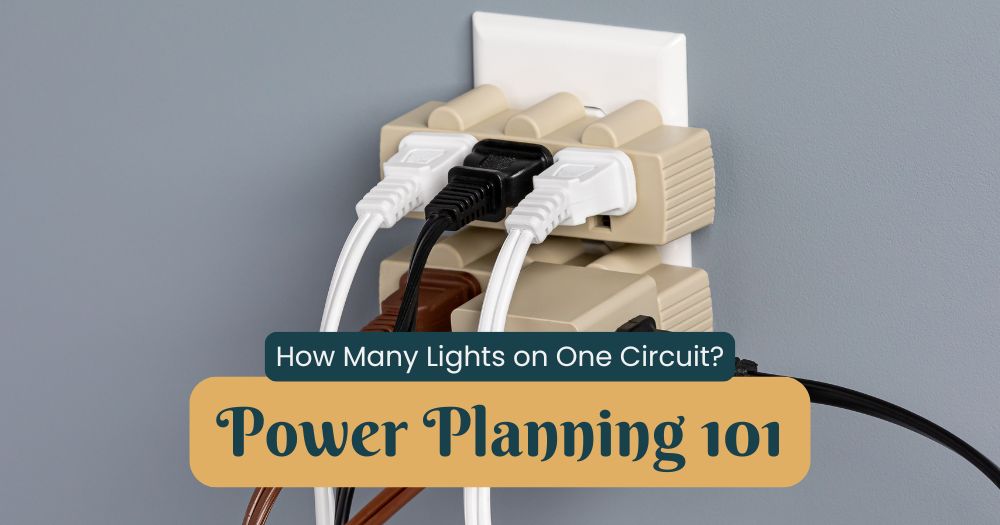
Each circuit can handle a certain number of lights. Too many lights cause overloads and trip breakers. Spread your lights across different circuits. Avoid plugging too many strings into one outlet. Use LED lights because they use less power. This lowers the risk of overloads and keeps circuits safe.
Replacing Faulty Lights Safely
Always turn off the power before replacing lights. Use gloves to protect your hands. Remove the faulty bulb gently. Check the replacement bulb matches the voltage and type. Insert it firmly to avoid loose connections. Test the lights after replacing to ensure they work well.
Energy Efficiency Tips
Saving energy while decorating with Christmas LED lights helps reduce electricity bills. It also lowers your environmental impact. Simple habits make a big difference. Use these energy efficiency tips to enjoy bright lights without waste.
Optimizing Light Usage
Place lights only where they look best. Avoid lighting empty spaces. Turn off lights during the daytime or when no one is home. Use timers to control lighting hours. This prevents leaving lights on all night.
Energy-saving Accessories
Use LED bulbs as they use less power than traditional bulbs. Choose light sets with energy-saving labels. Add dimmers to reduce brightness and power use. Extension cords with switches allow easy on/off control.
Smart Lighting Solutions
Install smart plugs to schedule light operation automatically. Control lights remotely with smartphone apps. Use motion sensors to turn on lights only when needed. Smart systems help save energy without losing festive cheer.

Frequently Asked Questions
How Many Christmas Led Lights Can One Circuit Handle?
A typical circuit can handle 200 to 300 LED Christmas lights safely. This depends on the wattage and the circuit’s amperage rating. Always check your specific LED string’s power use and your circuit breaker capacity to avoid overloads.
What Determines The Maximum Led Lights Per Circuit?
The maximum lights per circuit depend on the circuit’s amperage and the LED string’s wattage. Lower wattage LEDs allow more lights on one circuit. Ensure your total wattage does not exceed 80% of the circuit’s rated capacity for safety.
Can I Connect Multiple Led Strings On One Circuit?
Yes, you can connect multiple LED strings if their total wattage stays within the circuit’s limit. Avoid daisy-chaining too many strings to prevent overheating and tripping breakers. Always follow manufacturer guidelines for maximum connections.
Why Do Led Lights Trip Circuit Breakers?
Circuit breakers trip when the total current exceeds the circuit’s capacity. Using too many lights or combining LED and incandescent strings can cause overloads. Ensure your setup stays within safe electrical limits to prevent breaker trips.
Conclusion
Choosing the right number of LED lights per circuit keeps your display safe. Too many lights can cause wires to overheat and trip breakers. Most circuits handle about 100 to 150 LED bulbs safely. Always check your light string’s power rating before connecting.
Use multiple circuits for larger displays to avoid overload. This approach protects your home and ensures bright, steady lighting. Simple planning helps your holiday decorations shine without issues. Enjoy a safe and beautiful Christmas with well-managed LED circuits.





Leave a Reply