


Have you ever wondered how long your LED lights will really last? You’ve probably heard they last forever, but is that true?
Knowing the real lifespan of your LED lights can save you money and hassle down the road. You’ll discover exactly how long LED lights shine bright and what factors can affect their life. By the end, you’ll feel confident about choosing the right lighting for your home or office—and avoid unexpected replacements.
Keep reading to get the full picture on LED light longevity!
Led Lifespan Basics
Understanding how long LED lights last helps you make smart choices for your home or office. LED lifespan depends on many things, such as quality and usage. Knowing the basics can save money and reduce hassle over time.
Typical Lifespan Of Led Lights
Most LED lights last between 25,000 and 50,000 hours. This means they can work for over 10 years if used for a few hours daily. Some high-quality LEDs even reach up to 100,000 hours. The lifespan is much longer than most traditional bulbs.
Factors Affecting Led Longevity
Heat plays a big role in LED life. Too much heat can shorten its lifespan. Proper ventilation helps LEDs stay cool and last longer. Frequent switching on and off also affects durability. Using LEDs at recommended voltage extends their life. Quality of the LED also matters a lot.
Comparing Leds To Traditional Bulbs
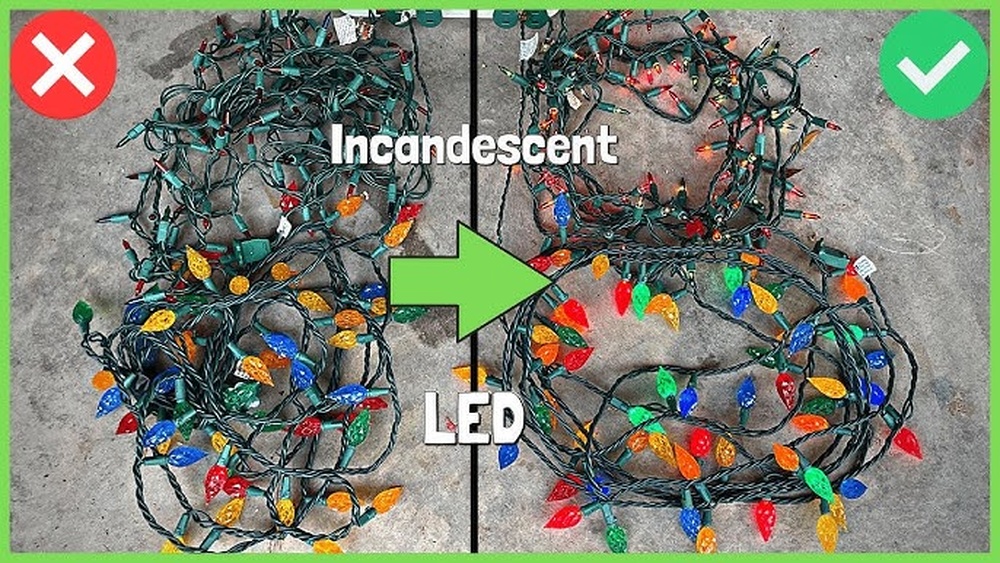
LEDs last much longer than incandescent or fluorescent bulbs. Incandescent bulbs usually last 1,000 hours. Fluorescent bulbs can last 8,000 to 15,000 hours. LEDs save money because they need fewer replacements. They also use less energy, making them more efficient and eco-friendly.
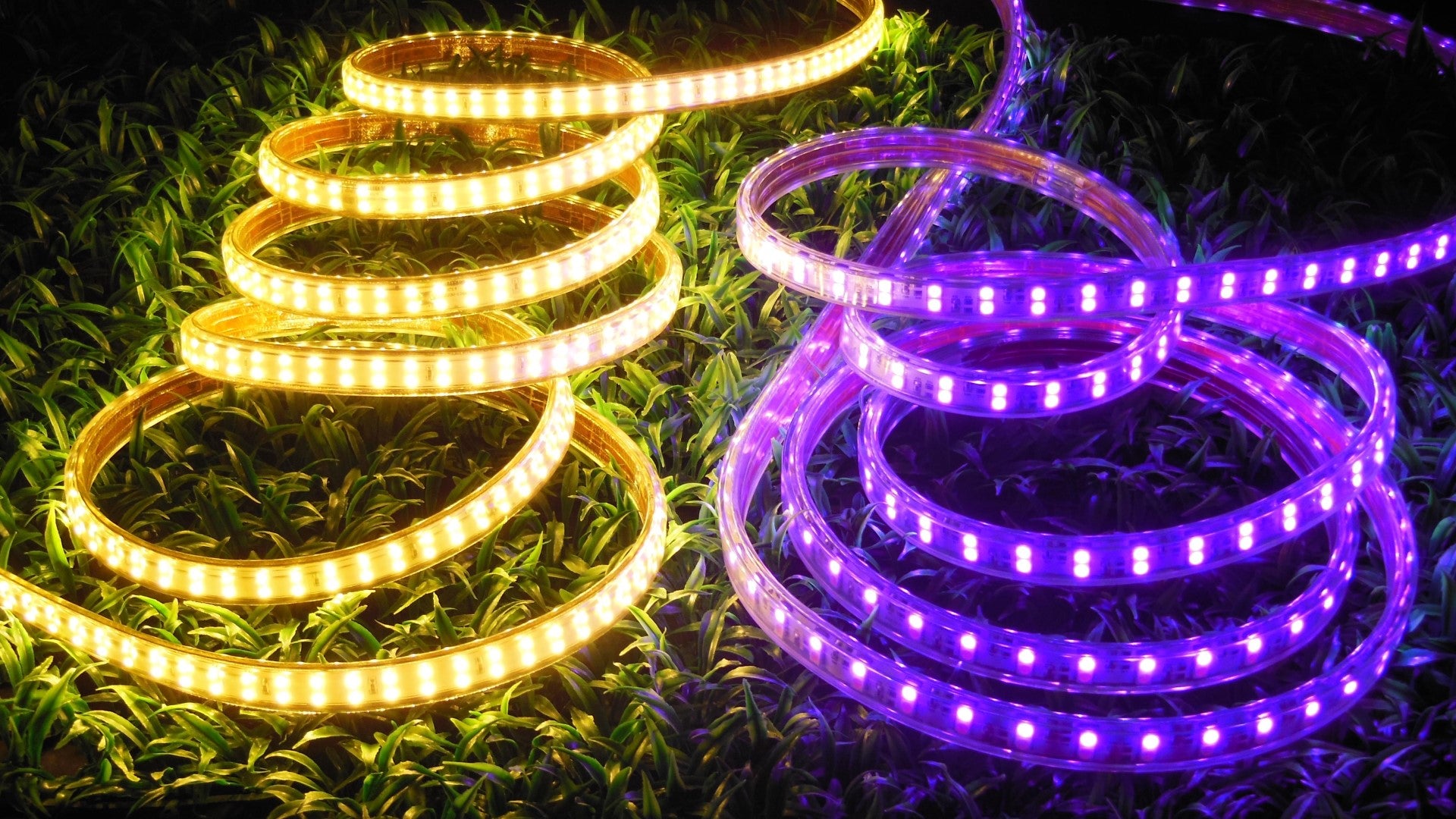
Types Of Led Lights
LED lights come in many types. Each type has a different lifespan. Knowing these types helps you choose the right light for your needs.
Some LEDs are made for indoor use. Others are built to handle outdoor conditions. Some LEDs have smart features. Some use more power, while others use less.
Indoor Vs Outdoor Led Lifespan
Indoor LEDs usually last longer. They face less heat and weather damage. Outdoor LEDs must resist rain, wind, and sun. This can reduce their lifespan. Outdoor LEDs often have extra protection to last longer.
Smart Leds And Their Durability
Smart LEDs connect to apps or systems. They offer control over brightness and color. These LEDs have more parts inside. More parts can mean more wear over time. Good brands make smart LEDs to last long. Regular updates can keep them working well.
High-power Vs Low-power Leds
High-power LEDs shine very bright. They use more energy and produce more heat. Heat can shorten their life if not managed well. Low-power LEDs use less energy and stay cooler. They usually last longer but are less bright. Choose based on brightness and lifespan needs.
Maximizing Led Lifespan
Maximizing the lifespan of LED lights helps save money and reduce waste. LEDs last long by design, but proper care keeps them shining longer. Simple steps during installation and daily use make a big difference. Understanding how to treat LED lights improves their performance over time.
Small habits and conditions affect LED life more than most realize. Follow clear tips to keep LEDs working well. Avoid common mistakes that shorten their use. Let’s explore key ways to make your LED lights last.
Proper Installation Tips
Install LED lights carefully for best results. Avoid touching the bulbs with bare hands. Use the right fixtures that fit LED bulbs properly. Make sure connections are tight but not too tight. Check the voltage to match the LED light’s rating. Poor installation can cause early failure or flickering. Take time during setup to prevent damage.
Optimal Operating Conditions
LED lights perform best in cool, dry places. High heat reduces their lifespan quickly. Keep LEDs away from direct sunlight and heat sources. Avoid using dimmers not made for LED bulbs. Excessive vibration or humidity can harm LED components. Use LEDs in environments that meet their specifications. Proper conditions keep the light output stable and long-lasting.
Maintenance And Care
Clean LED lights gently to avoid damage. Use a soft, dry cloth for dust removal. Avoid water or harsh chemicals that may harm the surface. Check fixtures regularly for loose parts or dirt build-up. Replace bulbs promptly if flickering or dimming occurs. Regular care extends LED life and keeps light quality high. Simple maintenance prevents common issues.

Energy Savings With Leds
LED lights save a lot of energy compared to older bulbs. They use less power to produce the same amount of light. This means lower electricity use and less money spent on energy. Using LEDs helps both your wallet and the planet.
Cost Comparison Over Time
LED bulbs cost more at first than traditional bulbs. Yet, they last much longer, often 15 to 25 times more. This means fewer replacements and less spending on new bulbs. Over time, the savings on buying fewer bulbs can be big.
Impact On Electricity Bills
LEDs use about 75% less energy than incandescent bulbs. This reduces your monthly electricity bill noticeably. The less energy you use, the more you save. Homes and businesses see lower costs by switching to LEDs.
Environmental Benefits
Using less energy means fewer fossil fuels burned for power. This cuts greenhouse gas emissions and pollution. LEDs also last longer, creating less waste. Choosing LED lights helps protect the environment every day.
Common Led Lifespan Myths
Many people have wrong ideas about how long LED lights last. These myths can confuse buyers and users. Knowing the truth helps make better choices.
LEDs do last long, but not forever. Real life use affects their lifespan. Some claims about LED life are too good to be true.
Debunking Overhyped Claims
Some sellers say LEDs last 100,000 hours or more. This number is often based on ideal tests, not daily use. Real use includes on/off cycles and heat, which shorten life.
LED lifespan means when light dims to 70% brightness, not when it stops working. This fact is often misunderstood. LEDs slowly lose brightness over time.
Realistic Expectations
Good quality LEDs last between 25,000 and 50,000 hours. That equals about 10 to 20 years for average home use. Using LEDs properly, like avoiding heat, helps them last longer.
Cheap or poorly made LEDs may fail sooner. Check product reviews and brands for better quality. Expect gradual dimming, not sudden failure.
Signs An Led Needs Replacement
Notice flickering or dimming light. These are signs the LED is aging. Color changes or uneven light also show wear.
If the LED takes longer to turn on or fails to reach full brightness, it may be time to replace it. Watch for these signs to keep your space well-lit.

Choosing Quality Leds
Choosing quality LEDs is key for long-lasting, efficient lighting. Low-quality LEDs may fail quickly or lose brightness fast. High-quality LEDs offer better durability and consistent light over time. Spending a bit more can save money and hassle later.
Trusted Brands And Certifications
Choose LEDs from brands known for quality products. Trusted brands test their lights to meet safety and performance rules. Look for certifications like UL, CE, or Energy Star. These marks show the LED meets strict standards. Certified products often last longer and perform better.
Warranty And Support
A good warranty shows the maker trusts their product. Check how long the warranty lasts and what it covers. Some companies offer free replacements if the LED stops working early. Reliable customer support helps solve problems quickly. This support adds extra value to your purchase.
Reading Product Specifications
Product specs tell you how long the LED should last. Look for “lifetime hours” on the packaging or website. Higher numbers mean longer life. Also check brightness, color temperature, and energy use. These details ensure the LED fits your needs and lasts as promised.
Frequently Asked Questions
How Long Do Led Lights Typically Last?
LED lights usually last between 25,000 and 50,000 hours. This lifespan depends on usage, quality, and environmental factors.
What Affects The Lifespan Of Led Lights?
Heat, voltage fluctuations, and poor quality materials reduce LED longevity. Proper installation and ventilation help extend their life.
Can Led Lights Last Longer Than Traditional Bulbs?
Yes, LED lights last significantly longer than incandescent or CFL bulbs, offering better energy efficiency and durability.
How Does Usage Impact Led Light Durability?
Frequent switching on and off can slightly reduce LED lifespan. However, LEDs handle frequent use better than traditional bulbs.
Conclusion
LED lights last a long time, often up to 25,000 hours. They use less energy and save money on bills. Quality and usage affect how long they stay bright. Choosing good LED lights ensures they work well for years. Regular care helps keep them shining strong.
Bright, efficient lighting makes any space better. LEDs offer a smart, lasting light solution for homes and offices. Bright, reliable, and energy-saving—LEDs shine for a long time.

Leave a Reply