
How Led Lights Work: Unveiling the Science Behind Brightness
Affiliate links — we may earn a commission
Have you ever wondered what makes LED lights shine so brightly while using very little energy? Understanding how LED lights work can change the way you see lighting in your home or office.
This knowledge not only helps you choose the best lights but also saves you money and boosts your comfort. Keep reading, and you’ll discover the simple science behind these tiny bulbs and why they are quickly becoming the smartest choice for lighting everywhere.
Basics Of Led Technology
LED technology lights up many devices around us. It uses small, efficient bulbs that save energy. Understanding how these lights work helps us appreciate their value. The basics of LED technology are simple and interesting. This section breaks down the key points for easy learning.
What Is An Led?
An LED, or Light Emitting Diode, is a tiny light source. It is a special kind of diode that produces light. Unlike regular bulbs, LEDs do not use filaments. They are more durable and last much longer. LEDs are used in screens, flashlights, and home lighting.
Materials Used In Leds
LEDs are made from semiconductor materials. These materials control electricity and light. Common elements include gallium, arsenic, and phosphorus. Different combinations create different light colors. The choice of materials affects the LED’s brightness and color.
How Leds Emit Light
LEDs produce light through a process called electroluminescence. Electricity passes through the semiconductor. This causes electrons to release energy as light. The light appears quickly and is very bright. This process uses less energy than traditional bulbs.

The Science Of Brightness
Brightness is a key part of how LED lights work. It tells us how much light the LED gives off. Understanding brightness helps us choose the right LED for different uses. The science behind brightness explains how LEDs produce light and what controls their glow.
LED brightness depends on several factors. These include how the LED is made, the electricity it uses, and its size. Knowing about these factors helps us get the best light from LEDs in homes and devices.
Measuring Brightness
Brightness is measured in lumens. Lumens show how much light the LED gives off in all directions. More lumens mean a brighter light. Another term, candela, measures brightness in one direction. These units help compare different LEDs clearly.
Factors Affecting Led Brightness
The LED’s material affects brightness a lot. Different materials create different colors and light amounts. Size is also important. Bigger LEDs often produce more light. The design inside the LED changes how well it shines. The quality of the LED also matters for brightness.
Role Of Current And Voltage
Electric current controls how bright an LED glows. More current usually means more light. But too much current can damage the LED. Voltage helps push the current through the LED. The right voltage and current keep the LED bright and safe.
Color And Efficiency
Color and efficiency are two key features that make LED lights popular. LED technology offers bright colors and saves energy. Understanding how LEDs produce colors and manage power helps us appreciate their benefits.
How Leds Produce Different Colors
LEDs create color by using different materials inside them. These materials change the light’s wavelength. The wavelength determines the color we see. For example, red LEDs have one material, blue LEDs have another. Mixing colors can create white or other shades. This method is simple and uses less energy.
Energy Efficiency Compared To Traditional Lights
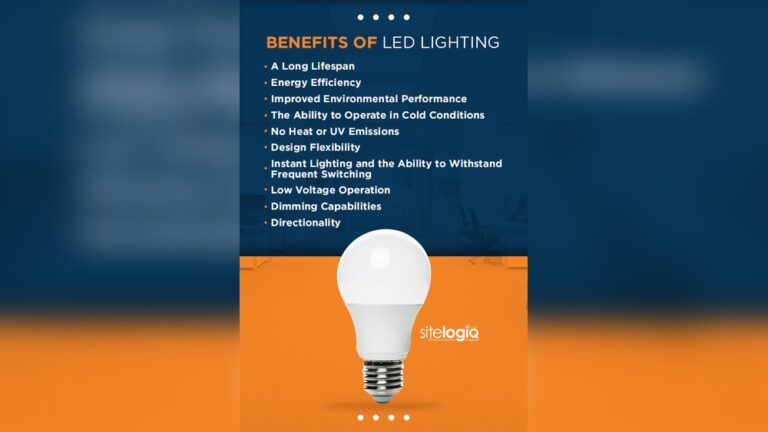
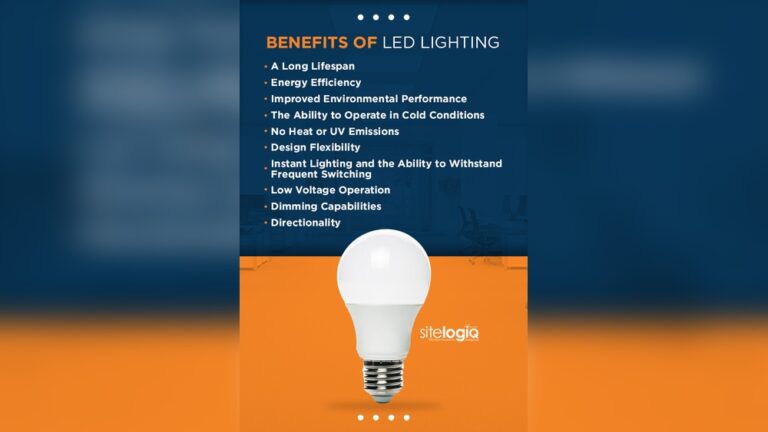
LEDs use less electricity than old light bulbs. They convert more energy into light, not heat. This means lower power bills and less energy waste. Traditional bulbs lose a lot of energy as heat. LEDs last longer too, which saves money over time. Using LEDs helps reduce overall electricity use.
Heat Management In Leds
LEDs produce some heat, but less than old bulbs. They use special parts to spread heat away. This keeps the LED cool and working well. Good heat management makes LEDs last longer. It also keeps them safe to use in many places. Cooler LEDs keep colors bright and stable.
Applications Of Led Lighting
LED lighting has many uses in daily life and industry. Its efficiency and long life make it popular for many places. This section explores where LED lights are commonly used and why they are chosen.
Home And Office Lighting
LED lights brighten homes and offices efficiently. They use less electricity than traditional bulbs. People install LEDs in lamps, ceiling fixtures, and desk lights. The light is clear and helps reduce eye strain. LEDs last longer, cutting down on replacements. Many choose LEDs for their cool operation and instant brightness.
Automotive And Street Lighting
Cars and trucks use LED lights for headlights and taillights. They shine brighter and react faster than older bulbs. Streetlights with LEDs improve road safety by lighting wide areas well. These lights save cities money on energy bills. They also reduce maintenance because LEDs need fewer changes. LED streetlights help create safer and more visible roads.
Innovative Uses In Technology
LEDs appear in many tech devices. Screens of smartphones, TVs, and computers use LED backlighting for clear images. Medical tools use LEDs for precise lighting during exams. LEDs also power smart home devices and grow lights for plants. Their small size and bright light make them perfect for new technology uses.
Future Of Led Technology
The future of LED technology looks promising and exciting. LEDs are getting brighter and more efficient every year. They use less power and last longer than traditional lights. This makes them a smart choice for homes and businesses.
New developments will help LEDs work better with other devices. Smart homes and cities will use LEDs to save energy and improve comfort. The impact on the environment will also be a key focus in future designs.
Advancements In Brightness And Efficiency
LEDs are becoming brighter without using more energy. Scientists improve the materials inside LEDs to boost light output. Efficiency means less electricity for the same amount of light. This helps lower electricity bills and reduces pollution.
Future LEDs will last even longer. They will need less maintenance and fewer replacements. This saves money and reduces waste.
Integration With Smart Systems
LEDs will connect easily to smart devices and networks. This allows users to control lighting remotely. Lights can change color and brightness based on time or activity. Smart systems can adjust lighting to save energy automatically.
These features improve comfort and convenience at home and work. They also support smart city projects for better street lighting and safety.
Environmental Impact And Sustainability
LEDs use fewer resources than traditional bulbs. They produce less heat and contain no harmful chemicals. This makes them safer for the environment.
Recycling programs for LED parts are growing. More LED designs will focus on using recyclable materials. These efforts reduce waste and conserve natural resources.
Choosing LED lighting helps protect the planet for future generations.


Frequently Asked Questions
What Is The Basic Principle Behind Led Lights?
LED lights work by passing an electric current through a semiconductor. This process emits light through electroluminescence, which is energy-efficient and long-lasting.
How Do Led Lights Differ From Traditional Bulbs?
LEDs use semiconductors, while traditional bulbs rely on heating filaments. LEDs consume less power, last longer, and produce less heat, making them more eco-friendly.
Why Are Led Lights More Energy-efficient?
LEDs convert most electricity into light, wasting minimal energy as heat. This efficiency reduces electricity bills and environmental impact compared to incandescent bulbs.
Can Led Lights Produce Different Colors?
Yes, LEDs emit various colors by using different semiconductor materials or combining red, green, and blue LEDs. This enables customizable lighting options.
Conclusion
LED lights use tiny chips to produce bright light efficiently. They save energy and last much longer than traditional bulbs. These lights work by moving electrons through a semiconductor material. This process creates light without much heat. Understanding how LED lights work helps you choose better lighting options.
They fit many uses, from home lamps to streetlights. Choosing LED means less energy waste and lower bills. Simple technology, big benefits. LED lights truly shine in today’s world.