


Have you ever wondered what makes LED lights shine so brightly while using so little energy? Understanding how LED lights work can change the way you see lighting—and help you make smarter choices for your home or business.
You’ll discover the simple science behind LEDs, why they last longer, and how they save you money. Keep reading, and you’ll unlock the secrets of a lighting technology that’s transforming the world around you.

Basics Of Led Technology
LED technology is changing how we light up our world. It uses small devices that create bright light efficiently. Understanding the basics helps us see why LEDs are popular. The science behind LEDs is simple and fascinating.
This section explains what LEDs are, the materials inside them, and how they produce light. It breaks down the technology into easy parts. This way, anyone can learn how LEDs work.
What Is An Led?
LED stands for Light Emitting Diode. It is a tiny electronic component. LEDs produce light when electricity passes through them. They differ from traditional bulbs because they use less energy. LEDs last longer and stay cool while working.
Materials Used In Leds
LEDs are made from semiconductor materials. Common types include gallium arsenide and gallium nitride. These materials control electric current flow. They help convert electricity into light. The choice of material affects the color of the light.
How Leds Emit Light
Inside an LED, electricity moves through two layers. One layer has extra electrons, the other has extra holes. When electrons meet holes, they release energy. This energy comes out as light. This process is called electroluminescence.

Electrons And Light Emission
LED lights create light through a process involving tiny particles called electrons. These electrons move inside materials known as semiconductors. Their movement and interaction cause light to be emitted. This process is different from how traditional bulbs produce light.
Electron Movement In Semiconductors
Semiconductors have two parts: one rich in electrons, the other with fewer electrons. Electrons move from the negative side to the positive side. This movement creates an electric current inside the LED. The flow of electrons is controlled by the materials inside the LED chip.
Recombination And Photon Release
When electrons meet places with fewer electrons, they recombine. This recombination releases energy in the form of light particles called photons. The color of the light depends on the material inside the LED. This process makes LEDs very bright and colorful.
Energy Efficiency Compared To Traditional Bulbs
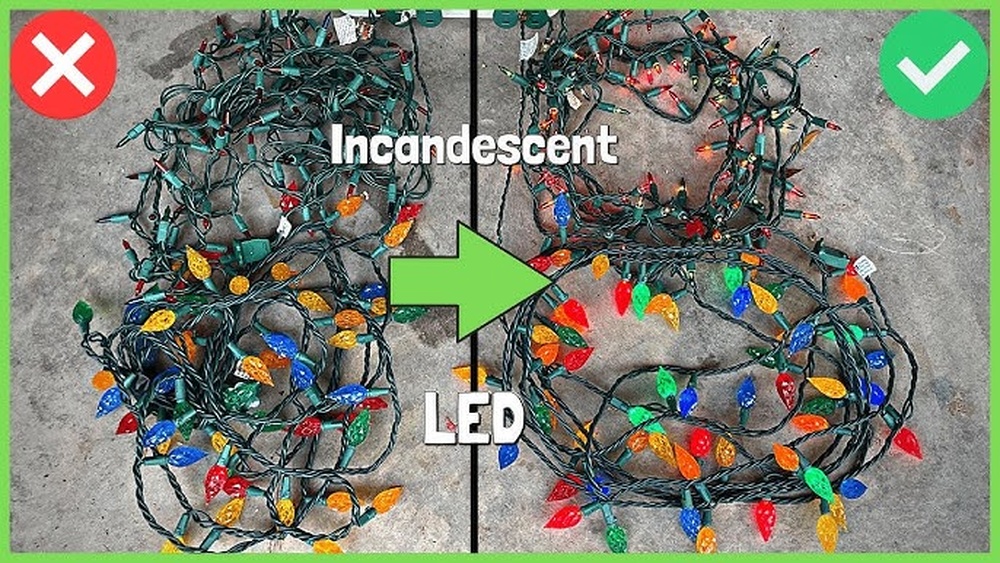
LEDs use less electricity to produce the same amount of light. Traditional bulbs waste energy as heat, but LEDs do not. This efficiency means LEDs last longer and save money on power bills. They offer a cleaner and smarter lighting option.
Color And Brightness Factors
LED lights produce different colors and brightness levels through specific factors. Understanding these factors helps explain how LEDs create vibrant and varied lighting effects. Color and brightness depend on the LED’s materials and how electrical current is controlled.
How Color Is Determined
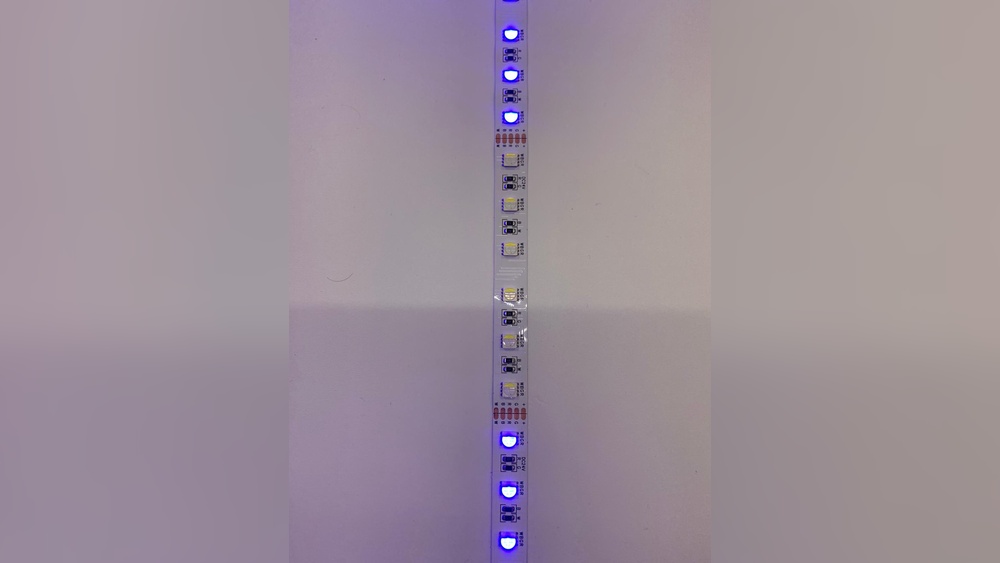
The color of an LED light depends on the energy of the light it emits. This energy corresponds to the wavelength of the light. Shorter wavelengths produce blue and violet colors. Longer wavelengths create red and orange colors. The exact color depends on how electrons release energy inside the LED chip.
Influence Of Semiconductor Materials
Different semiconductor materials inside the LED affect color output. Materials like gallium arsenide or gallium nitride change the light’s color. Each material has unique properties that control the energy released. By choosing specific materials, manufacturers create LEDs in many colors.
Controlling Brightness Levels
Brightness depends on the electrical current flowing through the LED. Higher current makes the LED brighter. Lower current reduces brightness. LED drivers manage this current to adjust brightness easily. This control allows LEDs to be dimmed smoothly and save energy.
Led Design And Structure
LED lights have a unique design that helps them shine bright while using less energy. Their structure is simple but smart. Each part plays a role to make LED lights efficient and long-lasting. Understanding these parts helps explain how LEDs work well in many places.
Chip And Package Components
The heart of an LED is the chip. This tiny piece emits light when electricity passes through it. The chip is made from semiconductor materials. It sits inside a package that protects it from damage and heat. The package also helps direct the light outward. Together, the chip and package make the LED strong and bright.
Heat Management Techniques
LEDs produce some heat while working. Too much heat can reduce their life and brightness. Good heat management keeps LEDs cool. Manufacturers add metal bases or heat sinks to draw heat away. Some designs use special materials that spread heat fast. Cooling helps LEDs stay efficient and last longer.
Lens And Light Distribution
The lens covers the LED chip. It focuses or spreads the light depending on the shape. Some lenses create narrow beams, others wide. This controls how the light shines in a room or outside. The lens also protects the chip from dust and water. Proper light distribution makes LEDs useful for many tasks.
Applications And Advantages
LED lights are used in many places and for many reasons. Their design lets them work efficiently and last long. This section explains where LEDs are commonly used and why they are a good choice. It also covers how LEDs save energy and help the environment.
Common Uses Of Leds
LED lights appear in homes, offices, and streets. They light up rooms, signs, and cars. Many use LEDs in TVs and phone screens. They also work in flashlights and holiday decorations. Their small size fits many devices easily.
Energy Savings And Longevity
LEDs use less electricity than traditional bulbs. They turn most energy into light, not heat. This saves money on power bills. LEDs last much longer than old bulbs. A single LED can work for years without changing. This means fewer replacements and less waste.
Environmental Impact
LEDs help reduce carbon emissions by using less power. They do not contain harmful mercury like some bulbs. This makes them safer to throw away. Less energy use means less pollution from power plants. LEDs support a cleaner, greener planet.

Frequently Asked Questions
What Is The Basic Principle Behind Led Lights?
LED lights work by passing electric current through a semiconductor. This process emits light through electroluminescence, creating bright, energy-efficient illumination.
How Do Led Lights Differ From Traditional Bulbs?
LEDs use less energy and last longer than traditional bulbs. They produce less heat and are more environmentally friendly.
Why Are Led Lights More Energy Efficient?
LEDs convert most energy into light, not heat. This efficiency reduces electricity use and lowers energy bills significantly.
Can Led Lights Be Used For All Lighting Needs?
Yes, LED lights come in various shapes and colors. They suit residential, commercial, and outdoor lighting applications effectively.
Conclusion
LED lights use tiny chips to create bright, energy-saving light. They last longer than regular bulbs and use less power. This makes them good for homes and businesses. Understanding how LEDs work helps you choose better lighting. Bright, efficient, and durable—LEDs are a smart choice.
Try them and see the difference they make. Light that saves money and helps the planet. Simple, clear, and effective lighting for everyday use.






Leave a Reply