

Have you ever wondered how LED lights stay perfectly fixed to your walls without falling off? If you’ve tried to hang them yourself, you know it can be tricky.
The secret lies in more than just sticky tape—it’s a clever combination of materials and techniques designed to keep those lights glowing where you want them. You’ll discover exactly how LED lights stick to your walls, so you can hang them with confidence and make your space shine brighter than ever.
Keep reading to learn the simple tricks that make it all possible!
Types Of Led Light Strips
LED light strips come in different types. Each type fits specific needs and spaces. Knowing these types helps you choose the right one for your wall.
Some strips bend and curve easily. Others stay firm and straight. Some can handle water, while others cannot. Let’s explore these options.
Flexible Vs Rigid Strips
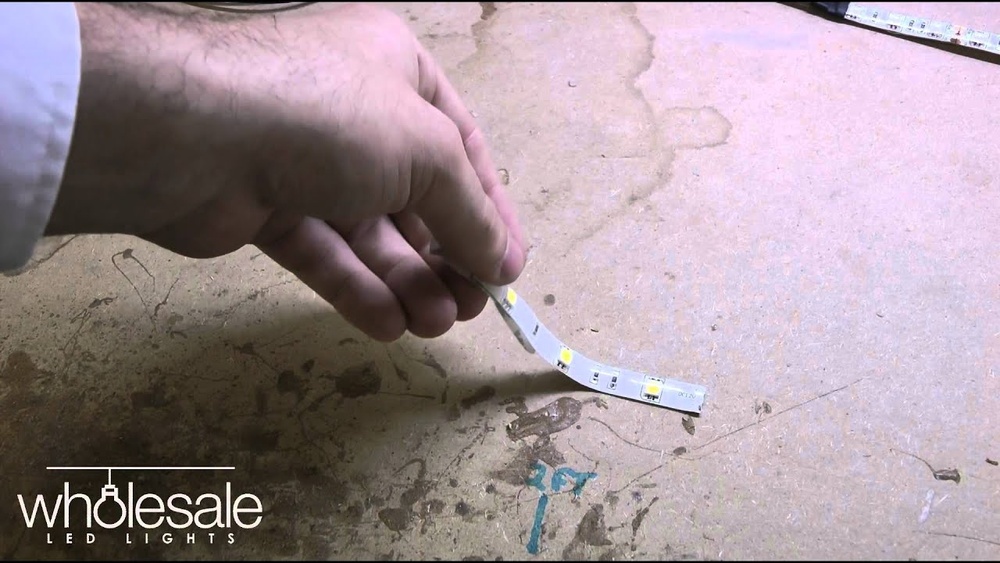
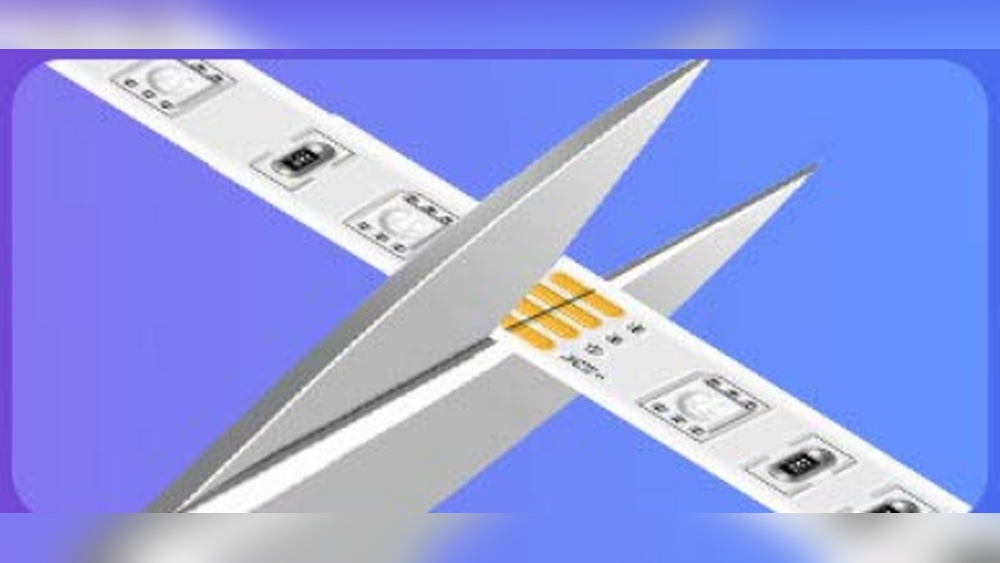
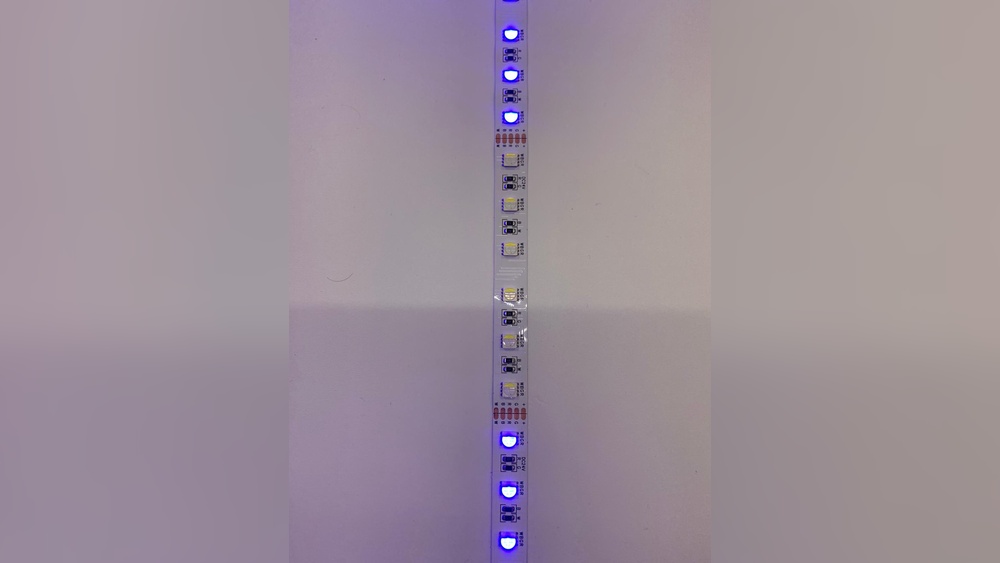
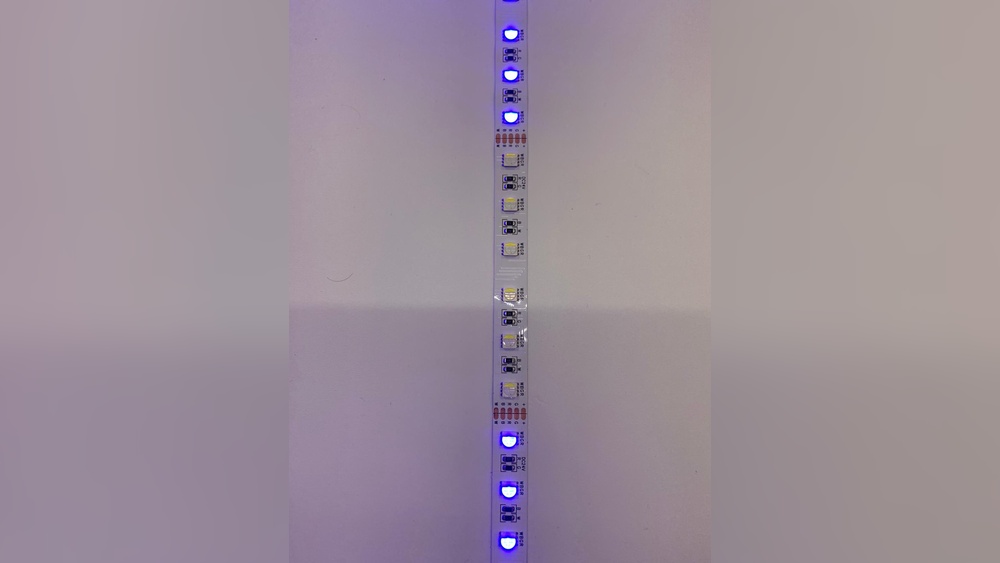
Flexible LED strips bend to fit corners and curves. They work well on uneven surfaces. These strips usually have adhesive backs for easy sticking.
Rigid LED strips are firm and straight. They hold their shape well. Use them on flat surfaces or edges for a clean look. They may need clips or mounts to stay in place.
Waterproof Options
Waterproof LED strips resist moisture and rain. They are perfect for bathrooms, kitchens, or outdoor walls. These strips often have a silicone or plastic coating.
Non-waterproof strips work only in dry indoor places. They are cheaper but need careful placement. Choose waterproof strips to avoid damage from water exposure.
Common Adhesive Methods
LED lights need a way to stick to walls securely. Different adhesive methods help attach these lights without damaging surfaces. These methods are easy to use and remove. They keep LED lights in place and offer flexibility for decoration. Below are common adhesive options used for LED lights.
Built-in Adhesive Backing
Many LED lights come with built-in adhesive backing. This sticky layer is on the back of the light strip. Peel off the protective cover to reveal the adhesive. Press the strip firmly on a clean, dry surface. The adhesive sticks immediately and holds the light in place.
This method is quick and simple. It works well on smooth surfaces like walls, glass, or wood. The built-in adhesive backing is strong but may lose stickiness over time. Clean the surface before applying for best results.
Double-sided Tape
Double-sided tape is another popular choice for sticking LED lights. It has adhesive on both sides to hold the light and stick to the wall. Cut the tape to the desired length and attach it to the LED strip. Then press the strip firmly onto the wall.
This tape provides a strong bond and can support heavier LED strips. It works on many surfaces but might leave residue when removed. Choose tape designed for walls to reduce damage. It offers a simple way to secure lights without tools.
Command Strips
Command strips are a damage-free option to hang LED lights. These strips use a special adhesive that sticks well but removes cleanly. Attach one side of the strip to the LED light and the other to the wall. Press firmly to secure both parts together.
Command strips hold lights securely and peel off without leaving marks. They are ideal for renters or temporary setups. These strips come in various sizes to fit different light weights. They offer a neat and safe way to install LED lights.
Surface Preparation Tips
Preparing the wall surface is key for LED lights to stick well. A clean and suitable surface helps the adhesive hold strong. Poor preparation can cause lights to fall off quickly. Follow these tips to get the best results.
Cleaning The Wall
Start by removing dust and dirt from the wall. Use a soft cloth or sponge with mild soap and water. Avoid harsh chemicals that may damage the paint or surface. Let the wall dry completely before sticking the LED lights. Dryness ensures the adhesive sticks firmly.
Choosing The Right Surface
Select a smooth, flat surface for the best adhesion. Walls with rough textures or loose paint may cause the lights to fall. Avoid surfaces with grease or moisture. Painted drywall, glass, and metal work well. Test a small area first to check if the adhesive holds.

Alternative Mounting Techniques
LED lights do not only stick with tape or glue. There are other ways to mount them on walls. These alternative methods offer strong hold and easy removal. They also protect walls from damage. Different mounting solutions suit different needs and spaces.
Using Clips And Brackets
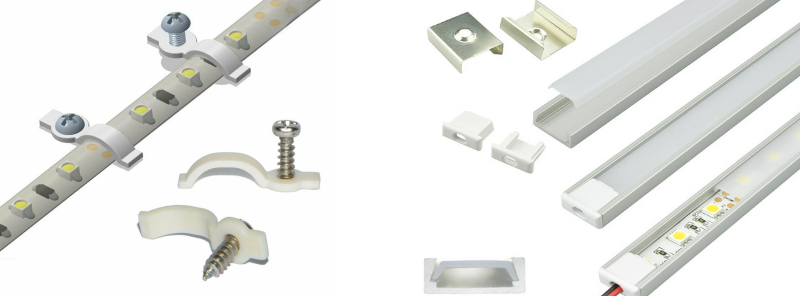
Clips and brackets are small holders for LED strips or tubes. You attach them to the wall with screws or nails. Then, slide the LED lights into the clips. This method keeps lights secure and straight. It works well for longer LED strips or heavier lights. Clips make it easy to remove lights without damage. They provide a neat and clean look.
Magnetic Mounting Solutions
Magnetic mounting uses magnets to hold LED lights on metal surfaces. You fix small magnets on the wall or light strip. The magnets attract and hold the lights firmly in place. This method is great for metal walls or frames. It allows quick removal and repositioning of lights. Magnetic mounts avoid holes or sticky residues on walls.
Avoiding Common Mistakes
Using LED lights on walls is simple but some mistakes can cause problems. These errors make lights fall or not work well. Avoid these common mistakes to keep your LED lights safe and bright.
Overloading Power Sources
Do not plug too many LED lights into one outlet. Too much power can cause short circuits or damage. Check the power rating of your lights and the outlet. Spread your lights across different sockets if needed. This keeps your lights safe and working longer.
Ignoring Weight Limits
LED lights come with a weight limit for the adhesive or hooks. Exceeding this limit causes lights to fall off the wall. Use the right clips or mounts for heavier lights. Always check the product instructions for weight limits. This prevents damage to your walls and lights.
Maintenance And Longevity
Maintaining LED lights on walls helps keep them bright and secure. Proper care extends their life and prevents damage. Small efforts make a big difference in how well the lights stick over time.
Reapplying Adhesive
Sometimes the adhesive loses its stickiness. Dirt, dust, or moisture can weaken it. Clean the surface and the light base first. Use a strong double-sided tape or adhesive strips made for LED lights. Press firmly to ensure good contact. Replace the tape regularly to keep the lights fixed.
Preventing Peeling
Peeling happens when the surface is not smooth or clean. Avoid placing lights on rough or wet walls. Keep the area dry and dust-free. Do not pull or bend the lights sharply. Check the lights often to catch any loose spots early. Fix small peeling areas before they grow bigger.
Frequently Asked Questions
How Do Led Lights Stick To Walls Without Damage?
LED lights use strong adhesive backing or mounting strips. These adhesives are designed to hold firmly yet remove cleanly. This prevents wall damage or residue. It allows easy repositioning or removal of the lights without harming the surface.
What Materials Help Led Lights Adhere To Walls?
Most LED lights use double-sided tape, adhesive pads, or hooks. These materials provide secure grip on smooth surfaces like drywall, wood, or glass. Some use magnetic mounts for metal surfaces. Proper surface cleaning enhances adhesion strength.
Can Led Lights Stick To Textured Or Rough Walls?
Adhesion is weaker on textured or rough walls. The uneven surface reduces contact area for adhesives. For best results, use mounting clips, nails, or command hooks instead. Cleaning the wall surface improves stickiness.
Are Led Light Adhesives Reusable Or One-time Use?
Adhesive strips on LED lights are usually one-time use. Removing them often reduces stickiness. Some brands offer reusable adhesive pads or clips. For repeated use, consider magnetic mounts or removable hooks.
Conclusion
LED lights stick to walls using strong adhesives or clips. The adhesive tape holds the lights firmly in place. Clean, dry walls help the tape stick better. Some LED strips come with magnetic backs for metal surfaces. This makes installation quick and easy.
You can also use hooks or nails if needed. Understanding these methods helps you choose the best option. Enjoy bright, safe, and neat lighting in your space. Simple steps make your room look great with LED lights.

Leave a Reply