

Have you ever wondered why your LED lights suddenly stop working, even though they’re supposed to last for years? Understanding how LED lights burn out can save you time, money, and frustration.
You’ll discover the real reasons behind LED failure and learn how to spot the signs before it’s too late. Keep reading, and you’ll be able to make smarter choices when buying and using your LED lights.
Common Causes Of Led Burnout
LED lights are popular for their energy efficiency and long life. Still, they can burn out sooner than expected. Many factors cause LED burnout. Understanding these helps in choosing and using LEDs better.
Overheating Issues
LEDs produce some heat during use. Too much heat damages the internal parts. Overheating shortens the LED’s lifespan. Poor ventilation and high temperatures cause this problem.
Electrical Surges
Sudden spikes in electricity harm LEDs. Surges can happen during storms or power outages. These spikes burn out the LED chips quickly. Surge protectors help prevent this damage.
Poor Quality Components
Cheap LEDs use low-grade materials. These parts fail faster than high-quality ones. Poor components lead to early burnout and flickering. Investing in good LEDs ensures longer use.
Inadequate Heat Dissipation
LEDs need a way to release heat. Without proper heat sinks, heat builds up inside. This stress damages the LED’s electronics. Proper design improves heat dissipation and life span.
Improper Installation
Wrong installation can cause LED failure. Using incorrect voltage or sockets harms LEDs. Loose connections create electrical resistance and heat. Following installation guidelines keeps LEDs safe.
Signs Of Led Light Failure
LED lights are known for lasting a long time. Still, they can fail. Spotting early signs helps you replace them on time. This keeps your space bright and safe. Below are common signs of LED light failure.
Dimming And Flickering
Dimming happens when the LED light grows less bright. Flickering means the light blinks on and off. Both signs show the LED is wearing out. Loose connections or power issues might also cause flickering. Watch for these signs early to avoid sudden outages.
Color Shifts
LED lights normally shine in a steady color. When the color changes or looks different, the light may be failing. This shift can be from white to yellow or blue to green. Color shifts indicate the LED’s internal parts are weakening. Replace lights showing odd colors to keep consistent brightness.
Complete Light Outage
The worst sign is when the LED stops working altogether. No light means the LED has burned out or the driver has failed. This outage needs immediate replacement. Keep spare LED bulbs handy for quick swaps. This avoids dark spots in your home or office.
Impact Of Environment On Led Lifespan
The environment plays a big role in how long LED lights last. Different factors like moisture, temperature, and dust can wear down LEDs faster. Understanding these effects helps protect your lights and keep them working well for a long time.
Humidity And Moisture
Moisture can damage the internal parts of an LED. High humidity causes corrosion on metal parts. Water droplets can also short-circuit the LED. This leads to flickering or complete failure. LEDs used outdoors need good sealing to avoid moisture damage.
Temperature Fluctuations
LEDs work best within a certain temperature range. Extreme heat can cause the LED chip to degrade quickly. Cold temperatures can make the LED less efficient. Rapid temperature changes cause expansion and contraction. This stresses the LED components and shortens lifespan.
Dust And Debris Accumulation
Dust blocks light and traps heat around the LED. Over time, this heat buildup harms the LED chip. Dirt on the lens reduces brightness. Cleaning LEDs regularly helps them stay bright and cool. Keeping lights free of dust extends their working life.
Preventive Measures For Led Longevity
LED lights can last a long time, but they need care to avoid burning out early. Simple steps help protect your LEDs and keep them bright. These measures focus on the parts, environment, and how you set up the lights.
Using Quality Drivers And Components
LED drivers control power to the lights. Poor drivers cause flickering and damage LEDs fast. Choose drivers from trusted brands. Good components resist heat and electrical stress. This keeps LEDs safe and working longer.
Ensuring Proper Ventilation
LEDs create some heat while running. Without airflow, heat builds up and harms the lights. Place LEDs where air can flow freely. Avoid tight spaces or cover that traps heat. Cool LED lights last much longer.
Surge Protection Devices
Power surges can damage LED circuits quickly. Use surge protectors to guard LEDs from spikes. These devices absorb extra voltage and prevent burning out. Surge protection is a cheap way to extend LED life.
Correct Installation Practices
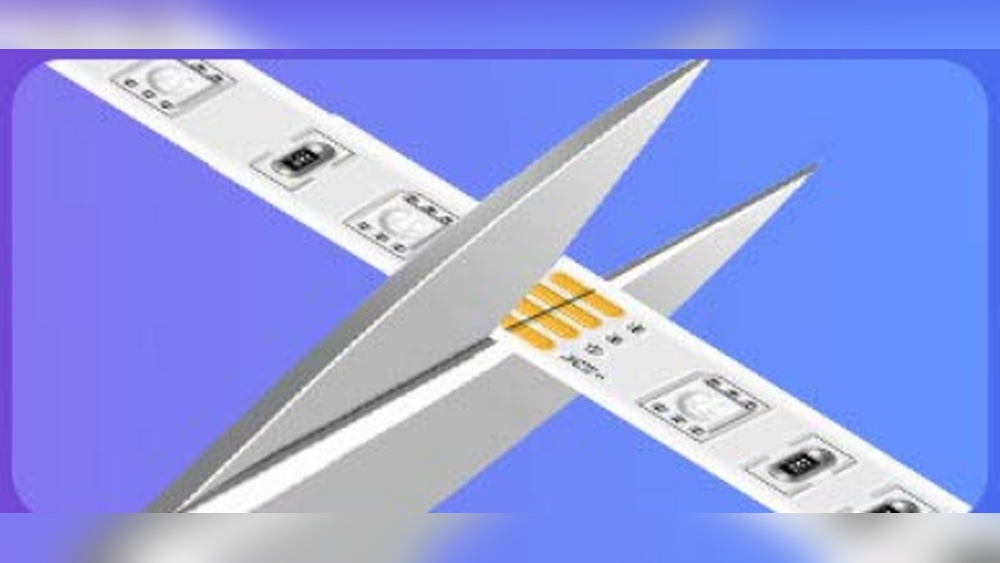
Wrong installation can stress LED parts. Follow instructions carefully to avoid loose connections. Use the right tools and avoid bending LED strips too much. Proper setup ensures steady power and prevents damage.
Maintenance Tips To Avoid Led Burnout
LED lights last longer than traditional bulbs but can still burn out. Proper care helps extend their life and keeps them bright. Simple maintenance steps prevent early failure and save money.
Regular Cleaning
Dust and dirt block LED light output and cause heat buildup. Clean the lights gently using a soft cloth. Avoid water or harsh chemicals that can damage the LEDs. Clean at least once a month for best results.
Routine Inspections
Check LED lights regularly for signs of wear or damage. Look for flickering, dimming, or unusual color changes. Early detection of problems helps avoid full burnout. Inspect wiring and connections to ensure they are secure.
Timely Replacement Of Faulty Parts
Replace damaged or worn parts quickly to prevent further damage. Faulty drivers or connectors can cause LEDs to burn out faster. Use parts recommended by the manufacturer to ensure compatibility. Timely fixes keep lights working longer and safer.

Choosing Durable Led Lights
Choosing durable LED lights helps avoid frequent replacements and saves money. Quality matters in how long LEDs last and perform. Picking the right LED means focusing on key factors that affect their durability and lifespan.
Evaluating Manufacturer Reputation
Good manufacturers build reliable LED lights. Check reviews and ratings before buying. Brands with a strong reputation usually offer better quality products. Avoid unknown brands with little feedback. Trusted makers often use higher quality materials and better technology.
Checking Warranty And Certifications
A solid warranty shows confidence in the product. Look for LEDs with at least a 3-year warranty. Certifications like UL, CE, or RoHS confirm safety and standards. Certified lights meet strict quality controls. Warranties and certifications reduce risks of early failure.
Energy Efficiency Ratings
Energy-efficient LEDs save power and last longer. Check the lumens per watt rating for efficiency. Higher efficiency means less heat, reducing burnout risk. Efficient LEDs also cut electricity bills. Choose lights with good energy ratings for better durability.
Frequently Asked Questions
Why Do Led Lights Burn Out Prematurely?
LED lights burn out early due to overheating, poor quality components, or electrical surges. Excessive heat damages the internal circuits, reducing lifespan significantly. Using proper drivers and cooling helps prevent early failure and ensures longer LED performance.
How Does Overheating Cause Led Lights To Fail?
Overheating breaks down LED components and weakens connections inside the bulb. High temperatures accelerate material degradation, leading to dimming or complete burnout. Proper ventilation and heat sinks are essential to keep LEDs cool and extend their life.
Can Power Surges Damage Led Lights?
Yes, power surges can overload LED drivers and circuits, causing immediate or gradual failure. Using surge protectors and stable power supplies safeguards LEDs from electrical spikes. Consistent voltage ensures LEDs operate safely and last longer.
Does Led Light Quality Affect Burnout Rate?
Higher-quality LEDs use better materials and designs, which resist heat and electrical stress. Low-quality LEDs often have inferior components that degrade faster and burn out sooner. Investing in reputable brands improves durability and reduces burnout risk.
Conclusion
LED lights burn out mainly due to heat and electrical issues. Poor quality or incorrect use speeds up failure. Over time, even good LEDs lose brightness and stop working. Proper installation and good ventilation help them last longer. Knowing why LEDs burn out can save money and effort.
Choose reliable brands and avoid excess heat. Simple care keeps your lights shining bright for years.


Leave a Reply