

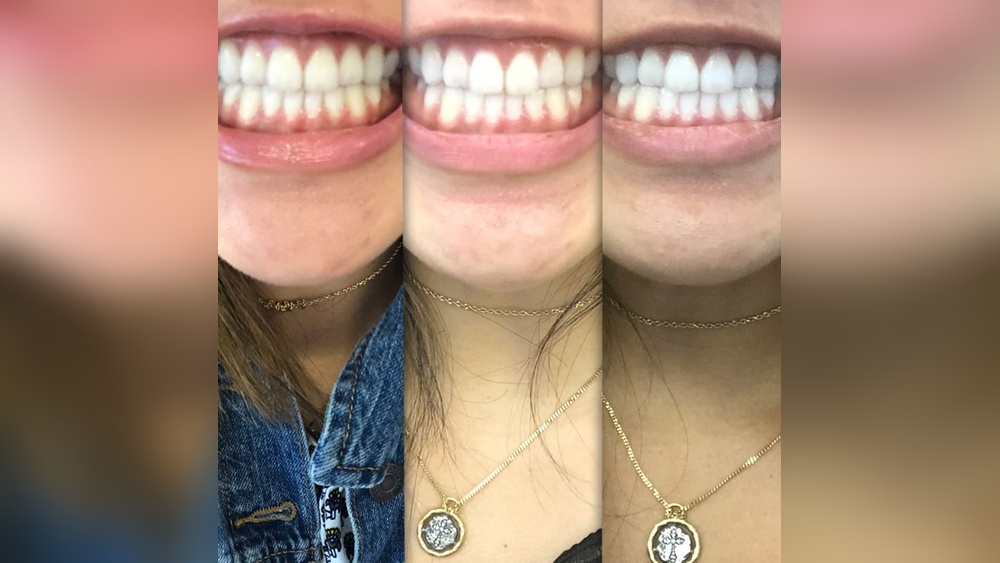
Are you wondering if LED lights can really help whiten your teeth? You’re not alone.
Many people are searching for easy and effective ways to brighten their smile without spending a fortune. But does shining a blue light on your teeth actually make a difference? You’ll discover the truth about LED teeth whitening, how it works, and whether it’s worth trying.
Keep reading to find out if this popular method can give you the dazzling smile you’ve been dreaming of.
How Led Lights Work In Teeth Whitening
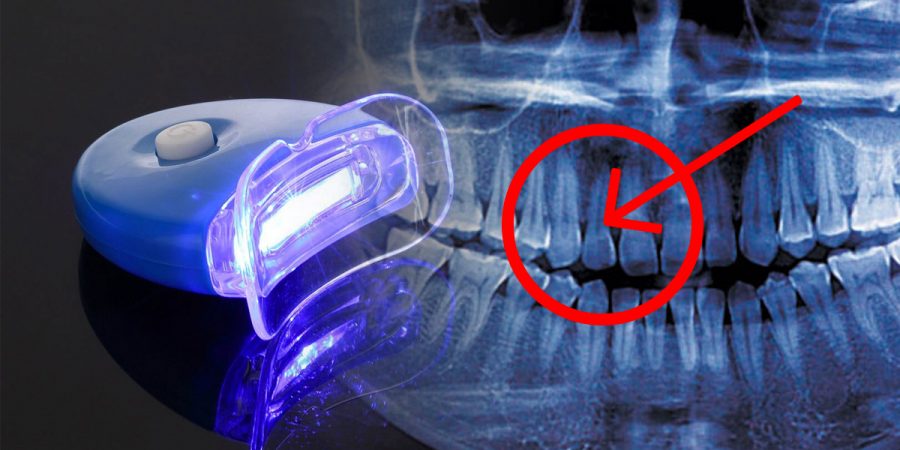
LED lights have become popular in teeth whitening. They help speed up the whitening process. Understanding how LED lights work can clear up many questions. This section explains the basic science and how they interact with whitening agents.
Science Behind Led Technology
LED stands for Light Emitting Diode. It produces a specific type of light. This light is safe and cool, unlike other bright lights. The light energy activates the whitening gel on teeth. It helps break down stains faster. The LED light increases the chemical reaction speed. This makes whitening more effective in less time.
Interaction With Whitening Agents
Whitening agents usually contain hydrogen peroxide or carbamide peroxide. These chemicals remove stains from teeth. LED light interacts with these agents by boosting their power. Light energy causes the gel to release oxygen molecules. Oxygen breaks down stains and discoloration on teeth. The LED light makes this process quicker and stronger. This combination helps achieve a brighter smile faster.

Types Of Led Teeth Whitening Treatments
LED teeth whitening treatments use light to speed up the whitening process. Different types of treatments exist for various needs and budgets. Understanding these types helps choose the right option for brighter teeth.
LED lights activate whitening gels that remove stains on teeth. Both professional and at-home kits use this technology. The effectiveness depends on the product strength and treatment time.
Professional Dental Procedures
Dentists offer LED whitening with strong bleaching agents. They use higher concentration gels that work faster and better. The LED light enhances the gel’s effect to remove deep stains.
Professional treatments usually take about an hour. Results appear quickly and last longer than other methods. Dentists monitor the process to protect gums and teeth.
At-home Whitening Kits
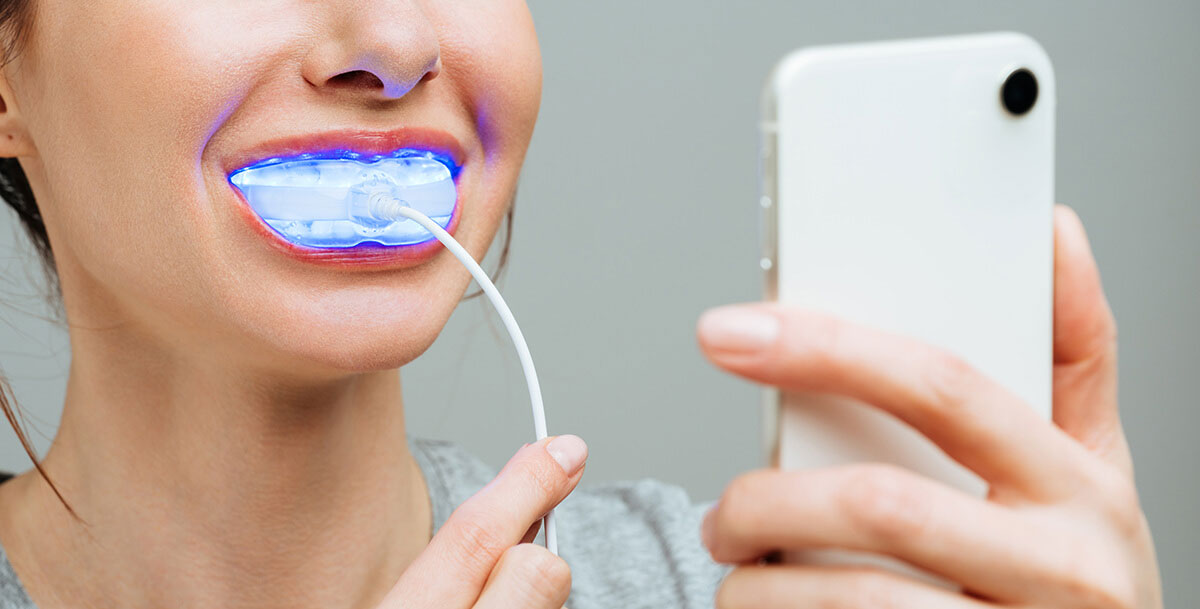
These kits include LED lights and whitening gels for home use. Gels are milder than professional ones to avoid damage. Users apply gel and shine the LED light for a set time daily.
At-home kits take longer to show results than dental treatments. They cost less and offer convenience. Following instructions carefully ensures safe and effective whitening.
Effectiveness Of Led Lights On Teeth Whitening
LED lights have become popular in teeth whitening products. Many believe they speed up the whitening process. But how effective are they really? Understanding their impact helps you choose the best whitening method.
LED lights work by activating the whitening gel on your teeth. This activation can lead to faster and stronger results. Still, the real proof lies in research and user feedback.
Clinical Study Results
Several studies tested the effect of LED lights on teeth whitening. Some showed a small improvement in whitening speed. Others found no significant difference compared to using gel alone.
One study noted that LED lights helped brighten teeth by a few shades in a short time. Another study said the light did not change the final whitening outcome. Results vary based on gel type and light intensity.
User Experiences And Reviews
Many users report seeing faster results with LED lights. They often feel the whitening process is quicker and easier. Some users notice a brighter smile after just a few sessions.
Other users say the LED light did not make much difference. They believe the gel alone did the work. Comfort and ease of use also affect how people rate these products.
Overall, LED lights may help, but they are not the only factor. The whitening gel and regular use play a big role too.
Safety Considerations With Led Whitening
Using LED lights for teeth whitening is popular. Many want to know if it is safe. Safety matters most with any treatment near your mouth. This section explains important safety points about LED whitening. It helps you decide if LED whitening fits your needs.
Potential Risks And Side Effects
LED whitening can cause tooth sensitivity. Some feel a slight sting or ache during treatment. Gums might get irritated from the whitening gel. Overuse can weaken tooth enamel and cause damage. Not all LED devices are made equally. Low-quality products may harm teeth or gums. Some people may have allergic reactions to whitening gels. Using LED whitening without guidance may lead to uneven results. Always watch for discomfort or unusual symptoms after use.
Recommendations For Safe Use
Choose LED whitening kits from trusted brands. Follow all instructions carefully for best results. Limit treatment time to avoid tooth damage. Avoid daily use; space out sessions by days. Do a patch test to check for allergies. Use a mouth guard to protect gums if possible. Consult a dentist before starting LED whitening. Stop use immediately if pain or irritation appears. Maintain good oral hygiene before and after treatment. Avoid eating or drinking staining foods right after whitening.
Comparing Led Whitening With Other Methods
Choosing the right teeth whitening method is important for safe and effective results. LED whitening is popular, but other options also exist. Each method has different costs, times, and effects. Understanding these can help you pick the best way to brighten your smile.
Let’s compare LED whitening with traditional techniques and natural alternatives. This helps you see the pros and cons of each approach.
Traditional Whitening Techniques
Traditional whitening often uses bleaching agents like hydrogen peroxide or carbamide peroxide. These chemicals remove stains and lighten tooth color. Dentists usually perform these treatments for best results. They can also provide at-home kits with custom trays.
Traditional methods tend to work faster than natural options. Results often show within a few days. Some people may experience tooth sensitivity or gum irritation. These effects usually fade after treatment stops. Costs vary but professional whitening can be expensive.
Natural Whitening Alternatives
Natural whitening uses ingredients like baking soda, activated charcoal, or fruit acids. These options aim to remove surface stains gently. They are often cheaper and feel safer for daily use. Many people prefer natural methods to avoid chemicals.
Natural options usually take longer to show results. They work best for mild discoloration. Not all natural methods have strong scientific support. Overuse of some ingredients may harm tooth enamel. These methods suit people with sensitive teeth or mild stains.
Cost Factors For Led Teeth Whitening
Cost plays a big role in deciding on LED teeth whitening. Prices vary based on the method and products used. Understanding these costs helps make a smart choice. This section breaks down key expenses linked to LED teeth whitening.
Professional Vs At-home Costs
Professional LED teeth whitening costs more than at-home kits. Dentists use stronger lights and gels. This leads to faster and often better results. Sessions can cost between $300 and $800.
At-home kits are cheaper, usually under $100. They include LED lights and whitening gels. Results take longer and may be less dramatic. These kits suit people with mild stains or budget limits.
Long-term Value And Maintenance
Professional treatments last longer and need less upkeep. Teeth stay whiter for months after one session. Some people choose touch-ups every six months to keep brightness.
At-home kits require frequent use to maintain results. Regular purchases add to the total cost. Whitening gels and replacement lights add expenses over time.
Consider how often you want to whiten. This affects overall cost and time investment.
Tips For Maintaining A Brighter Smile
Keeping your smile bright takes more than just occasional whitening treatments. Simple daily habits protect your teeth from stains and keep them healthy. Consistent care helps your smile stay white and strong over time.
Small changes in your routine and lifestyle make a big difference. Focus on good oral habits and smart food choices. These tips support your teeth’s natural brightness every day.
Daily Oral Hygiene Practices
Brush teeth twice a day with fluoride toothpaste. Use gentle, circular motions to clean all surfaces. Floss daily to remove food stuck between teeth. Rinse with a mouthwash that fights stains and bacteria. Replace your toothbrush every three months. Regular dental checkups catch problems early and keep teeth clean.
Diet And Lifestyle Habits
Avoid drinks that stain teeth, like coffee, tea, and soda. Drink water after meals to wash away food particles. Eat crunchy fruits and vegetables that help clean teeth naturally. Limit sugary snacks that cause decay and dullness. Quit smoking, as it causes yellowing and gum problems. Choose dairy products for strong teeth and healthy enamel.
Frequently Asked Questions
Do Led Lights Really Whiten Teeth Effectively?
LED lights can enhance teeth whitening by activating bleaching agents. However, they do not whiten teeth alone. Their effectiveness depends on the whitening product used alongside the LED light.
Are Led Teeth Whitening Kits Safe For Home Use?
Most LED whitening kits are safe when used as directed. Follow instructions carefully to avoid tooth sensitivity or gum irritation. Consult a dentist if unsure about using LED kits at home.
How Long Does Led Teeth Whitening Last?
LED whitening results typically last from six months to two years. Duration depends on diet, oral hygiene, and lifestyle habits like smoking. Regular touch-ups can help maintain the whiteness longer.
Can Led Light Damage Teeth Or Gums?
LED lights used in whitening are generally safe and non-damaging. Overuse or improper application may cause sensitivity or irritation. Always use products approved by dental professionals to minimize risks.
Conclusion
LED lights can help whiten teeth, but results vary. They work best with the right whitening gel. Some people see faster changes, while others need more time. Teeth whitening depends on many factors, like stain type and dental health. Always follow product instructions carefully for safety.
Consult a dentist before starting any whitening treatment. Bright smiles take care and patience. Choose methods that suit your needs and comfort. Keep your teeth clean daily for lasting whiteness. Small steps make a big difference.

Leave a Reply