

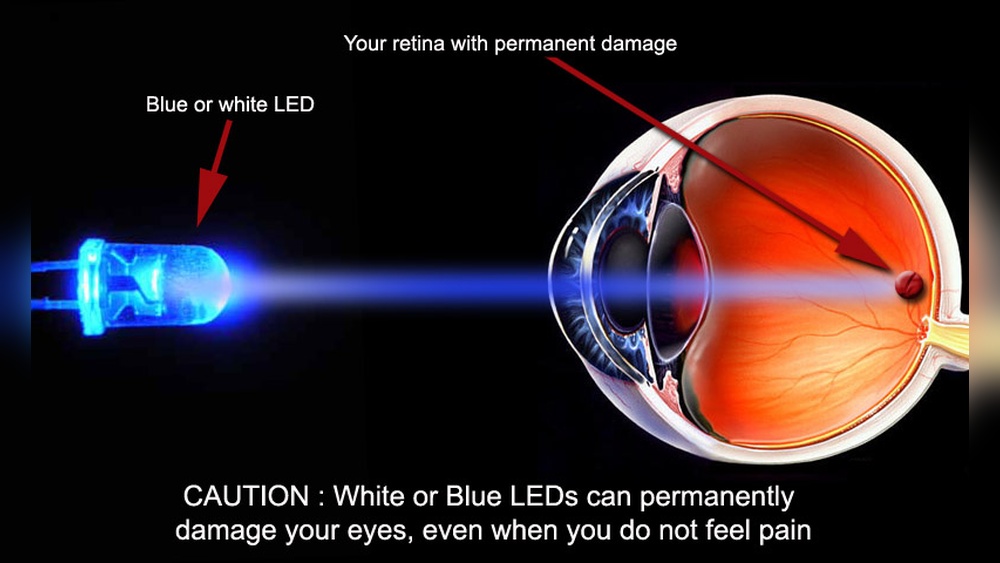
Have you ever wondered if the LED lights around you could be harming your eyes? You spend hours under these bright lights—whether at home, work, or on your devices.
But could they be causing more strain or damage than you realize? Understanding how LED lights affect your eyes is crucial for protecting your vision and comfort. Keep reading to discover the surprising facts and simple tips that can help you keep your eyes healthy every day.

How Led Lights Work
Understanding how LED lights work helps us see their effects on our eyes. LED stands for Light Emitting Diode. It is a small device that produces light in a unique way. LED lights are energy-efficient and long-lasting. They are common in homes, offices, and devices.
The process of creating light in LEDs differs from traditional bulbs. This difference can affect how our eyes respond to LED lighting. Let’s explore the basics of LED light production and the types of LED lights available.
Light Emission Process
LEDs produce light using a semiconductor. When electricity flows through this material, it emits photons. Photons are particles of light. This process is called electroluminescence. It creates bright light without heat, unlike old bulbs. The color of the light depends on the semiconductor material used. This process is very fast and efficient.
Types Of Led Lights
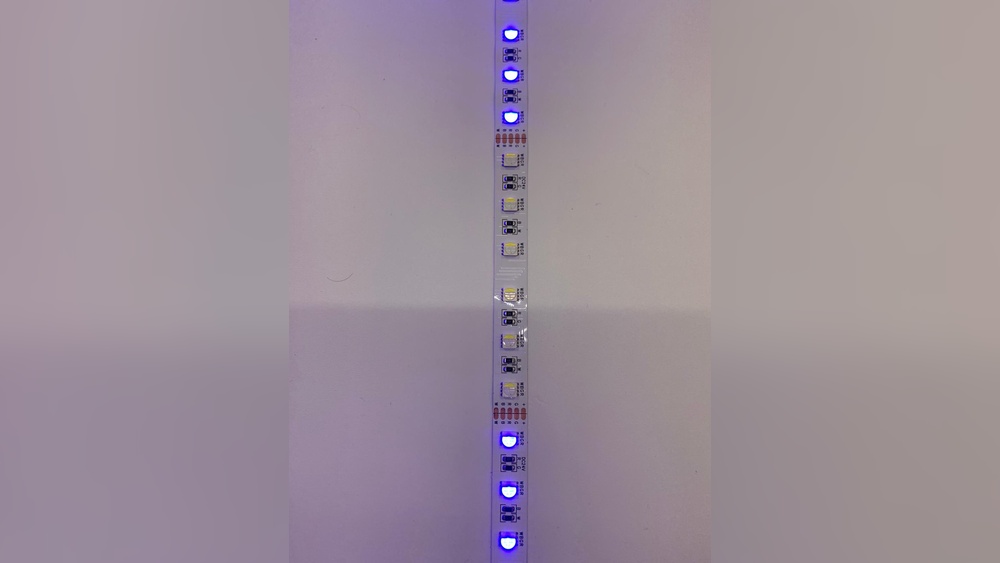
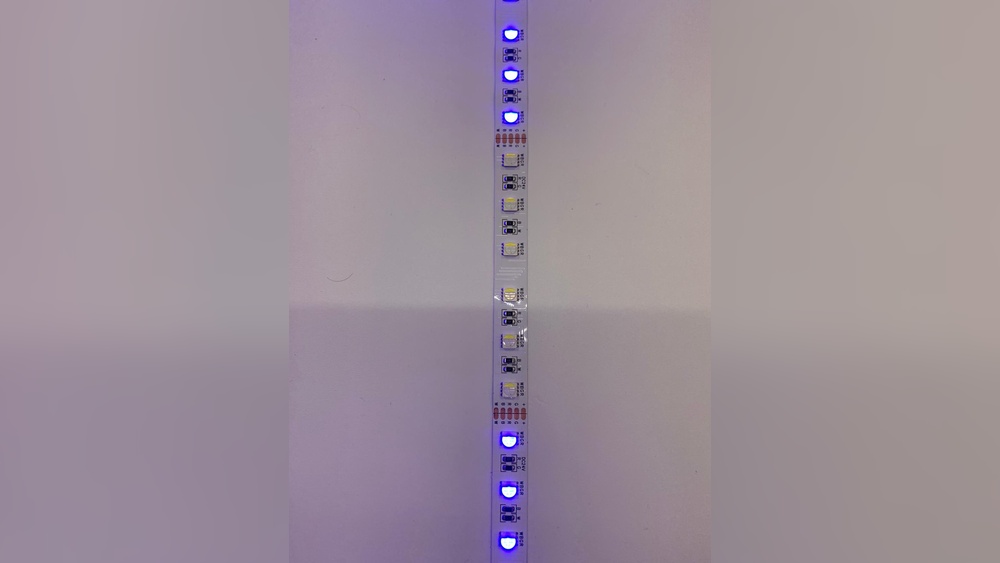
There are many types of LED lights. Some common types include indicator LEDs, display LEDs, and lighting LEDs. Indicator LEDs show status, like power on or off. Display LEDs appear in screens and signs. Lighting LEDs are used for room and outdoor lighting. Each type has different brightness and color options. Some LEDs emit cool white light. Others produce warm or natural light.
Common Concerns About Led Lights
LED lights are popular for their energy savings and long life. Still, many worry about how they affect the eyes. Some concerns focus on the light’s color and how it flickers. Understanding these worries helps us use LED lights safely.
Blue Light Exposure
LED lights emit blue light, which is a short wavelength light. Too much blue light can cause eye strain and discomfort. It may also affect sleep by disturbing the body’s natural clock. Many devices use LEDs, so exposure is common. Using warm-colored LEDs or filters can reduce blue light effects.
Flickering Effects
Some LED lights flicker quickly, but the eye may not always see it. This flicker can cause headaches and eye strain in sensitive people. Flickering happens due to poor quality drivers or dimmers. Choosing high-quality LED bulbs lowers flicker risk. Proper lighting helps keep eyes comfortable for longer.
Impact On Eye Health
LED lights are popular for their brightness and energy savings. Many people wonder how these lights affect eye health. Understanding the impact of LED lights on the eyes helps in using them safely.
LED lights emit blue light, which may cause discomfort. The effects vary depending on exposure time and light intensity.
Eye Strain And Fatigue
Bright LED lights can cause eye strain after long use. Staring at LED screens or lights for hours makes eyes tired. Symptoms include dry eyes, headaches, and blurred vision.
LED lights with high brightness and flicker increase eye fatigue. Proper lighting and breaks reduce discomfort during long exposure.
Long-term Damage Risks
Some studies suggest blue light from LEDs may harm eye cells. Long exposure might increase the risk of retinal damage over time. This damage can affect vision quality.
More research is needed to understand the full risks. Using lower brightness and blue light filters helps protect the eyes.
Scientific Studies And Findings
Scientific studies help us understand how LED lights affect our eyes. Researchers have tested many aspects of LED lighting and its impact. The findings offer clear insights on blue light and overall LED exposure. This section shares key results from recent studies and clinical trials.
Research On Blue Light Effects
Blue light from LED screens can reach deep into the eye. Studies show it may cause eye strain and discomfort. Some research links blue light to changes in sleep patterns. However, no strong proof shows it causes permanent eye damage. Scientists keep studying how much blue light is safe.
Clinical Trials On Led Exposure
Clinical trials examine LED light effects on eye health over time. Many trials focus on short-term exposure during daily use. Results find mild symptoms like dry eyes and irritation in some people. Long-term effects are still unclear and need more research. Trials suggest using breaks and eye protection to reduce discomfort.
Safe Usage Tips
Using LED lights safely helps protect your eyes from strain and discomfort. Simple habits can reduce risks and make your lighting more comfortable. Below are practical tips to keep your eyes healthy while using LED lights.
Adjusting Brightness And Color
Keep the brightness at a comfortable level for your eyes. Avoid settings that are too bright or too dim. Use warmer color tones, especially in the evening. Cooler blue lights can cause more eye strain and disrupt sleep.
Adjust light settings based on the room and task. Softer lights work well for relaxing, while brighter lights suit reading or working. Regular breaks from bright LED lights help your eyes rest.
Using Protective Eyewear
Wearing glasses with blue light filters can reduce eye strain. These glasses block harmful blue rays from LED screens and bulbs. They are especially helpful if you use LED lights for long hours.
Protective eyewear supports eye comfort and reduces dryness or irritation. Choose lenses that suit your daily activities. Use these glasses during screen time and in places with strong LED lighting.
Alternatives To Led Lighting
LED lights are popular but not the only choice. Some people worry about their effects on eyes. Exploring other lighting types can help reduce eye strain. Different options suit different needs and spaces. Here are some alternatives to LED lighting.
Incandescent And Fluorescent Options
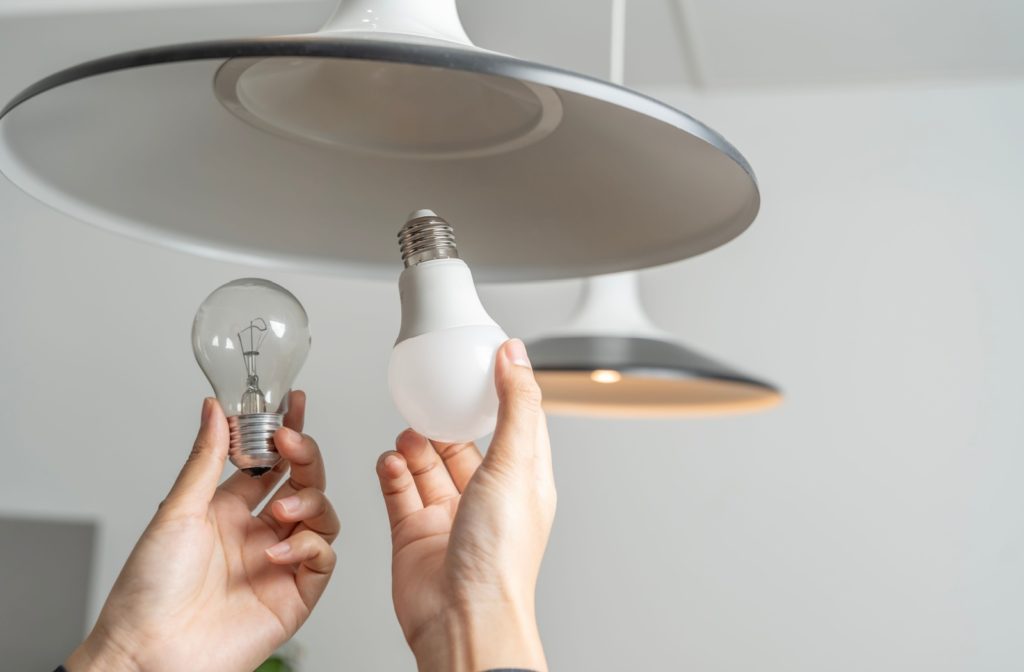
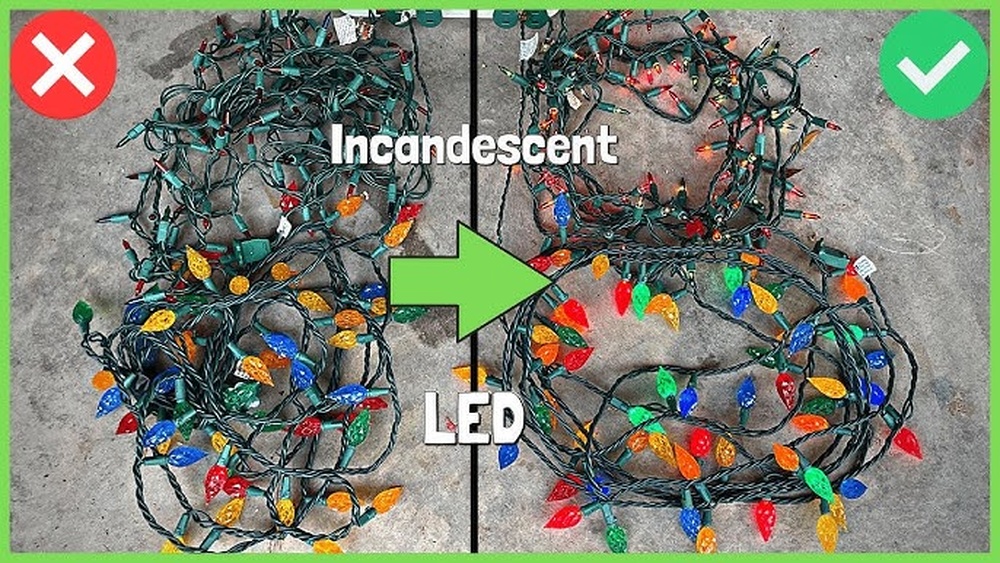
Incandescent bulbs produce warm, soft light. This light feels natural and is easy on the eyes. These bulbs use more energy but cause less glare. Fluorescent lights use less power than incandescent bulbs. They offer bright light but sometimes flicker. Flickering can bother sensitive eyes. Choosing flicker-free fluorescent bulbs can ease discomfort. Both types provide different light qualities to consider.
Natural Light Benefits
Natural light is the best for eye health. It reduces eye strain and improves mood. Sunlight helps regulate sleep and alertness. Rooms with large windows feel more inviting. Using natural light lowers energy costs too. Spending time outside offers extra benefits. Try to balance natural and artificial light in rooms. This mix supports comfort and eye well-being.

Frequently Asked Questions
Do Led Lights Cause Eye Strain Or Damage?
LED lights can cause eye strain if too bright or used long hours. They emit blue light, which may contribute to discomfort and fatigue but do not cause permanent eye damage when used properly.
How Does Blue Light From Leds Affect Eyes?
Blue light from LEDs can disrupt sleep and cause digital eye strain. It may lead to dryness, irritation, and difficulty focusing, especially during prolonged exposure.
Can Led Lights Affect Vision Long-term?
Current research shows no clear evidence that LED lights cause long-term vision loss. However, excessive exposure to intense blue light may increase the risk of retinal stress.
Are Led Lights Safe For Children’s Eyes?
LED lights are generally safe for children if brightness is moderate and usage time is limited. Avoid direct staring at bright LEDs to prevent eye discomfort.
Conclusion
LED lights can cause some eye strain if used too long. Bright or flickering lights may tire your eyes quickly. Taking breaks from screens helps reduce discomfort. Adjusting light brightness can make a big difference. Using warm LED tones is easier on your eyes.
Protect your vision by keeping good lighting habits. Pay attention to your eye comfort every day. Healthy eyes mean better focus and less pain. Simple changes can keep your eyes feeling good. Choose LED lights wisely for a comfortable space.


Leave a Reply