

Have you ever wondered if the LED lights in your home could be affecting your dog? You might think that these bright, energy-saving bulbs are harmless, but what if they’re actually causing your furry friend discomfort or stress?
Understanding how LED lights impact dogs can help you create a safer and more comfortable space for your pet. Keep reading to discover what you need to know about LED lights and your dog’s well-being.
How Dogs See Light
Dogs see light differently than humans do. Their eyes are built for different needs. Understanding how dogs see light helps us know how LED lights affect them.
Dogs rely more on movement and contrast than on color. Their vision works best in low light. This is because they evolved as hunters in dawn and dusk times.
Differences Between Human And Dog Vision
Humans have three types of color receptors. Dogs have only two. This means dogs see fewer colors. Their world looks mostly in shades of blue and yellow.
Dogs have more rods in their eyes. Rods help to see in dim light. Humans have more cones, which help see details and colors. Dogs see less detail but better in the dark.
Sensitivity To Light Wavelengths
Dogs are more sensitive to blue and green light. They see less red and orange colors. LED lights with strong blue tones can affect dogs differently.
Bright lights can bother dogs more than humans. Their eyes adjust slower to sudden light changes. Soft, warm light is easier on dogs’ eyes.
Led Lights And Dog Behavior
LED lights have become common in many homes. Their brightness and color can influence the way dogs act. Dogs see light differently than humans. Their eyes are more sensitive to changes in light and color. This sensitivity can affect their mood and behavior. Understanding how LED lights impact dogs helps pet owners create a better environment for them.
Common Reactions To Led Lighting
Dogs may show various reactions to LED lights. Some dogs may become restless or anxious. Bright or flickering lights can cause discomfort. Others might avoid rooms with strong LED lighting. A few dogs may not react at all. Sensitivity varies based on the dog’s breed and personality. Observing your dog’s behavior near LED lights is important.
Effects On Sleep Patterns
LED lights can affect a dog’s sleep. Bright lights at night can confuse their natural sleep cycle. Dogs need darkness to produce melatonin, the sleep hormone. Continuous exposure to LED light may reduce melatonin levels. This can lead to poor sleep or insomnia. Keeping sleeping areas dim or dark helps dogs rest better. Proper sleep improves a dog’s overall health and mood.
Potential Health Impacts
LED lights have become common in homes and outdoors. Many pet owners wonder about their effects on dogs. Dogs see light differently than humans. This difference can influence how LED lights affect their health. Understanding potential health impacts is important for dog owners.
Some concerns focus on how LED lights might cause eye problems or discomfort. Other worries include what happens with long-term exposure to these lights. Knowing these risks helps keep dogs safe and comfortable.
Eye Strain And Discomfort
Dogs have more sensitive eyes than humans. Bright LED lights can cause eye strain in dogs. This strain may lead to squinting or avoiding lighted areas. Some dogs might show signs of discomfort or irritation. LED lights flicker at a speed that dogs can detect. This flicker can increase eye stress. Eye strain can make dogs less active or anxious. Avoid shining bright LED lights directly into your dog’s eyes.
Long-term Exposure Risks
Long exposure to LED lights might affect dogs differently. Continuous light can disturb their natural sleep patterns. Poor sleep can harm a dog’s health and mood. Some studies suggest that constant light exposure can damage the retina over time. Retinal damage can lead to vision problems or blindness. Dogs living in brightly lit rooms all day may face these risks. It is best to provide dark resting areas free from strong LED lights.
Comparing Led To Other Light Sources
Different light sources can affect dogs in various ways. Comparing LED lights to other types helps understand their impact. This knowledge guides pet owners to choose safe lighting for dogs.
Dogs see light differently than humans. Their eyes react to brightness and flicker in unique ways. Lighting types vary in brightness, color, and flicker rate. These differences matter for dogs’ comfort and health.
Fluorescent And Incandescent Lights
Fluorescent lights often flicker quickly, though humans may not notice. Dogs can see this flicker, which may cause stress or anxiety. These lights also emit a cooler, bluish tone that might disturb some dogs.
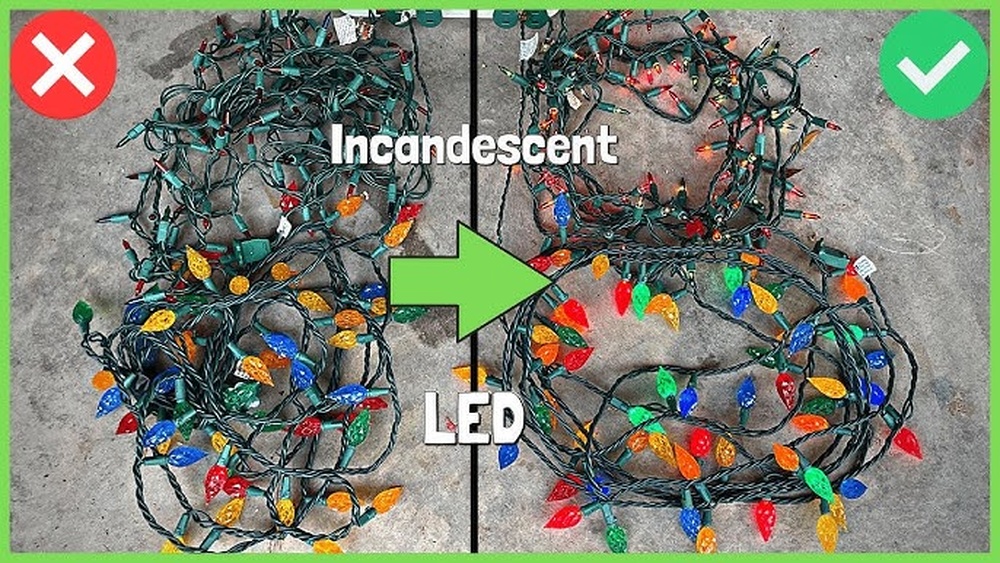
Incandescent bulbs produce a warm, steady light with less flicker. This type is usually gentler on dogs’ eyes. However, incandescent bulbs use more energy and get hot, which can be a safety risk in some cases.
Natural Light Vs. Artificial Light
Natural sunlight is the healthiest option for dogs. It provides a full spectrum of light that supports their well-being. Exposure to daylight helps regulate dogs’ natural body clocks and mood.
Artificial lights, including LEDs, do not fully mimic sunlight. Some LEDs offer better color quality and less flicker. Still, natural light remains the best choice for dogs’ eye health and comfort.
Safe Lighting Tips For Pet Owners
Proper lighting helps keep dogs calm and healthy. Bright or harsh lights can stress pets. Safe lighting makes your home cozy for dogs. Follow these tips to protect your furry friend.
Choosing The Right Led Lights
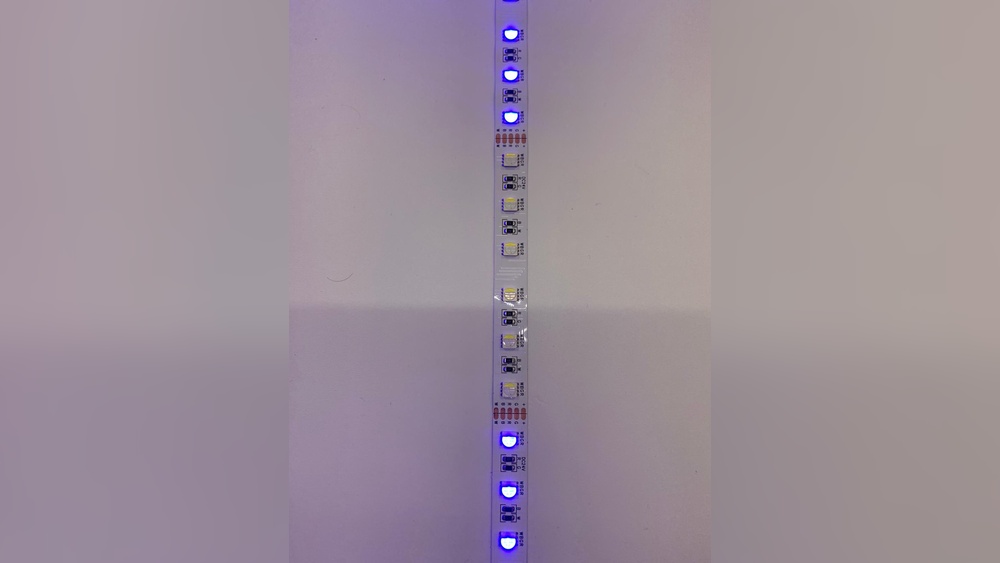
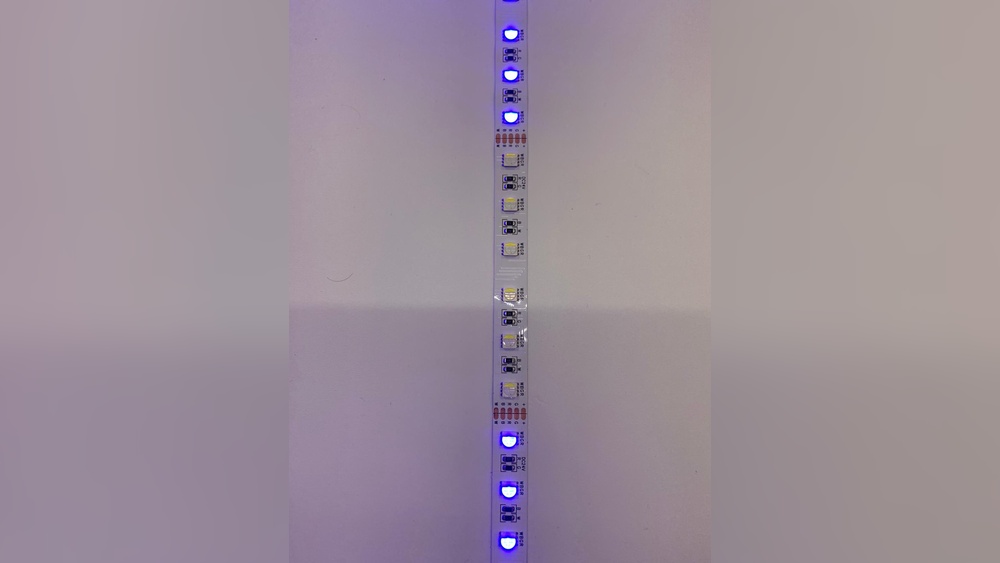
Pick LED lights with low flicker. Flickering can irritate dogs’ eyes and nerves. Warm white lights mimic natural light and feel soft. Avoid blue or cool white lights, which may cause discomfort.
Adjusting Brightness And Color Temperature
Set LED brightness to a gentle level. Too bright lights can confuse or scare dogs. Use dimmers to adjust light based on time of day. Keep color temperature around 2700K to 3000K for a calm mood.
Creating A Comfortable Environment
Place lights where dogs rest or play. Avoid shining lights directly into their eyes. Use lamps or indirect lighting to reduce glare. Darker corners with soft light help dogs feel safe.

Signs Your Dog May Be Affected
Dogs can be sensitive to changes in their environment, including light sources. LED lights, with their unique flicker and brightness, might affect some dogs. Recognizing signs that your dog may be affected helps you respond quickly. Watch closely for changes in behavior and physical symptoms.
Behavioral Changes To Watch For
Your dog might act restless or anxious near LED lights. Some dogs may avoid lit areas or hide more often. Notice if your dog suddenly becomes more irritable or barks excessively. Changes in sleeping patterns can also be a sign. A dog that once loved a spot might start to avoid it.
Physical Symptoms Related To Lighting
Some dogs show physical signs like squinting or pawing at their eyes. Excessive blinking or watery eyes may also occur. Watch for signs of headaches, such as shaking their head or rubbing their face. In rare cases, LED lights might trigger seizures in sensitive dogs. Keep an eye on these symptoms to protect your dog’s health.

Frequently Asked Questions
Do Led Lights Bother Dogs’ Eyesight?
LED lights emit less flicker and are generally less harsh, so they rarely bother dogs’ eyesight. Dogs’ eyes can adapt well to LED lighting, making it a safe choice for home environments.
Can Led Lights Cause Stress In Dogs?
Bright or flashing LED lights may cause mild stress in sensitive dogs. However, steady and moderate LED lighting is typically calming and does not induce anxiety.
Are Led Lights Safe For Dogs At Night?
Yes, LED lights are safe for dogs at night. They provide consistent illumination without harmful UV rays, ensuring a comfortable and secure environment for your pet.
Do Dogs See Led Lights Differently Than Humans?
Dogs perceive LED lights differently due to their limited color vision. They see blues and yellows well but may not distinguish red or green LEDs clearly.
Conclusion
LED lights usually do not harm dogs. Most dogs adapt well to indoor lighting. Bright or flickering lights might bother some pets. Watch your dog’s behavior near new lights. Choose soft, steady lights to keep dogs calm. Dogs rely more on smell and sound than light.
Safe lighting helps your dog feel comfortable at home. Keep your pet’s health in mind when changing lights. Small changes can make a big difference for your dog’s comfort. Stay attentive to your dog’s needs and reactions.




Leave a Reply