


Are you wondering whether to switch your home lighting to LED lights or stick with the traditional incandescent bulbs? Choosing the right light can save you money, improve your comfort, and even help the environment.
But with so many options, it’s easy to feel confused. This article will break down the key differences between LED and incandescent lights in a simple way. By the end, you’ll know which option fits your needs best—and why making the right choice matters for your wallet and your daily life.
Keep reading to discover how your lighting can work smarter for you.
Energy Efficiency
Energy efficiency is a key factor when choosing between LED lights and incandescent bulbs. It affects electricity bills, environmental impact, and the overall performance of lighting in homes or offices. Understanding how each type uses power helps make better decisions for long-term savings and comfort.
Power Consumption Differences
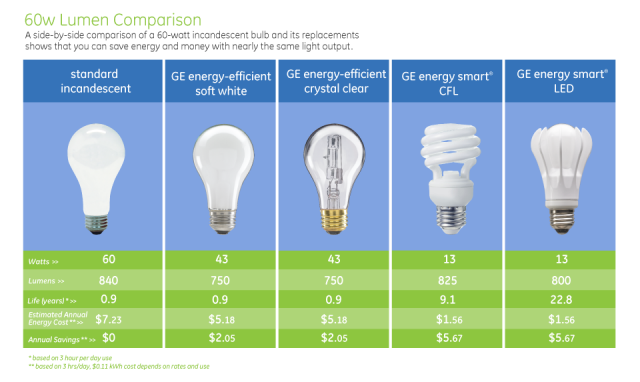
LED lights use far less power than incandescent bulbs. An LED bulb uses about 75% less energy. This means lower electricity bills and less energy waste. Incandescent bulbs consume more power because they produce light by heating a metal filament. LEDs create light with a small electric current, making them more efficient.
Lifespan And Durability
LED bulbs last much longer than incandescent bulbs. A typical LED can last up to 25,000 hours. Incandescent bulbs usually last around 1,000 hours. LEDs are also more durable. They resist shock and vibration better. This reduces the need for frequent replacements and saves money over time.
Heat Emission Comparison
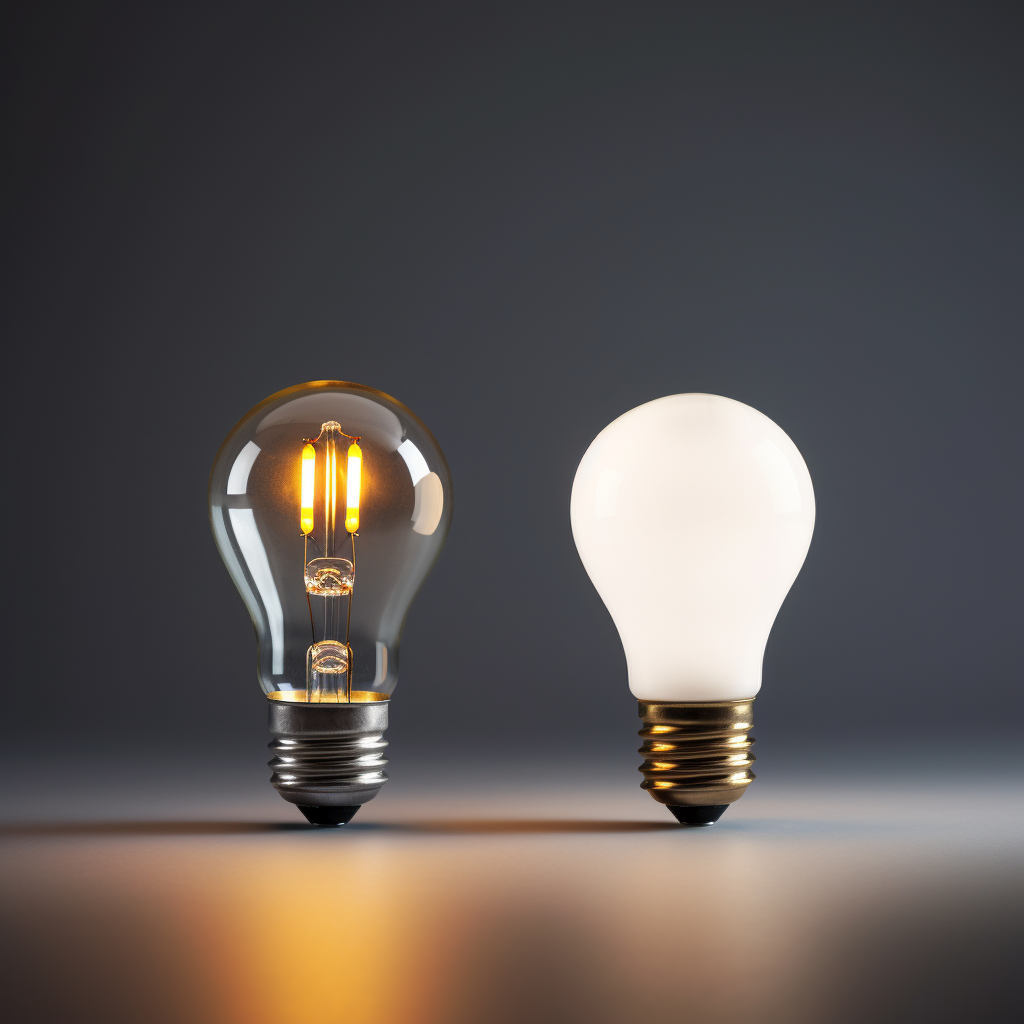
Incandescent bulbs emit a lot of heat while producing light. This wastes energy and can make rooms warmer. LEDs emit very little heat and stay cool to touch. This improves safety and reduces cooling costs in warm climates. Less heat also means less energy wasted.
Cost Analysis
Understanding the cost differences between LED lights and incandescent bulbs helps make smart choices. This section breaks down the costs in detail. It covers the initial price, energy use over time, and upkeep expenses. Each factor plays a role in the overall value of your lighting option.
Initial Purchase Price
Incandescent bulbs cost less to buy. You can find them in many stores at low prices. LED bulbs usually cost more upfront. The higher price comes from newer technology. Many people hesitate because of this initial cost. But this is only one part of the total cost.
Long-term Energy Savings
LED lights use much less electricity. They save money on energy bills every month. Incandescent bulbs waste a lot of power as heat. This means you pay more for the same light amount. Over time, LED bulbs reduce your electricity costs significantly. This saving often covers the higher initial price.
Maintenance And Replacement Costs
Incandescent bulbs burn out quickly. You need to replace them often. This adds to your expenses and effort. LED lights last many years longer. They require fewer replacements. This lowers the cost and hassle of buying new bulbs. Over time, LEDs prove to be cheaper to maintain.
Light Quality
Light quality shapes how we see and feel in any space. It affects mood, comfort, and even productivity. Comparing LED lights to incandescent bulbs shows clear differences in light quality. Each type has unique traits in brightness, color temperature, dimming, and light spread.
Brightness And Color Temperature
LED lights offer bright illumination with less energy use. They can reach high brightness quickly without warming up. Incandescent bulbs take time to reach full brightness. LED color temperature varies from warm to cool light. Incandescent bulbs naturally emit warm, yellowish light. LEDs give more options for different moods and settings.
Dimming Capabilities
LED lights dim smoothly and hold color well at low levels. Some LEDs need compatible dimmers to work correctly. Incandescent bulbs also dim easily but use more power. Dimming LEDs saves energy and extends bulb life. This control helps create cozy or bright atmospheres.
Light Distribution
LED lights often direct light in one direction. This reduces wasted light and improves efficiency. Incandescent bulbs emit light evenly in all directions. They fill rooms with soft, even glow. LEDs work well for focused lighting, while incandescent bulbs suit general lighting better.
Environmental Impact
The environmental impact of lighting is an important factor to consider. Different types of lights use energy and materials in different ways. This affects the planet in many ways. Understanding these effects helps us choose better lighting options.
Carbon Footprint
LED lights use much less energy than incandescent bulbs. Less energy means fewer greenhouse gases from power plants. Incandescent bulbs burn more electricity, increasing carbon emissions. Over time, LEDs reduce the total carbon footprint of lighting.
Recyclability
LED bulbs have parts that can be recycled. Metals and plastics in LEDs can be reused. Incandescent bulbs are harder to recycle because of their design. They often end up in landfills, adding waste to the environment.
Hazardous Materials
Incandescent bulbs do not contain harmful chemicals. LEDs sometimes include small amounts of metals like lead or arsenic. Proper disposal of LEDs is important to avoid pollution. Safe handling protects people and nature from toxic materials.
Application Suitability
Choosing the right light depends on where and how you plan to use it. LED and incandescent lights serve different needs. Understanding their best uses helps you pick the perfect option for each space.
Indoor Use Cases
LED lights work well indoors. They use less energy and last longer than incandescent bulbs. LEDs give off less heat, making rooms cooler and safer. Incandescent bulbs offer warm light that some people find cozy. They suit spaces where soft light is preferred, like bedrooms or living rooms. LEDs fit kitchens and offices where bright, clear light is needed.
Outdoor Lighting
LED lights handle outdoor conditions better. They resist cold, heat, and moisture well. LEDs turn on instantly, ideal for security or pathway lights. Incandescent bulbs do not last long outside and use more power. Outdoor LED lights save money and reduce bulb changes. They shine bright and stay reliable in all weather.
Specialty And Decorative Lighting
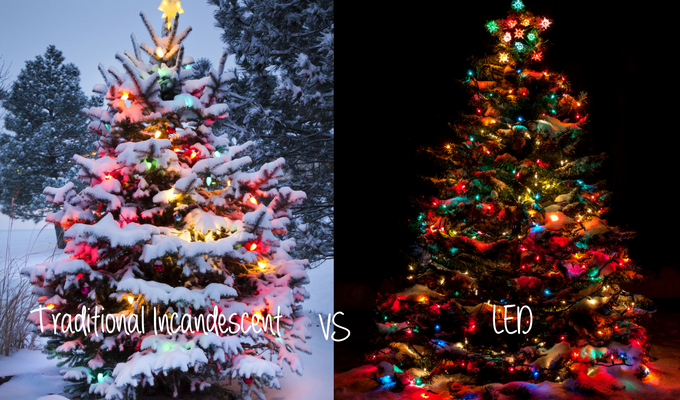
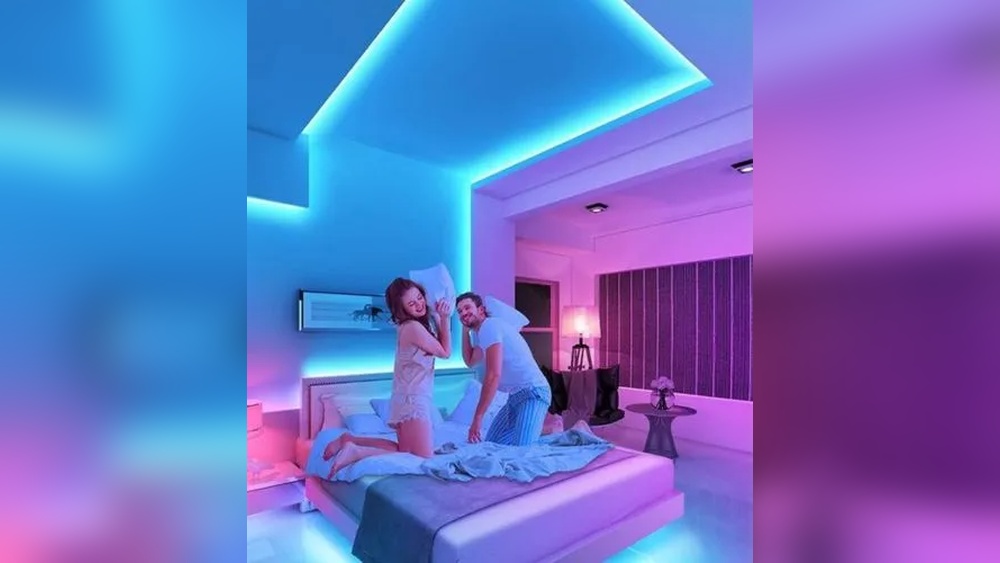
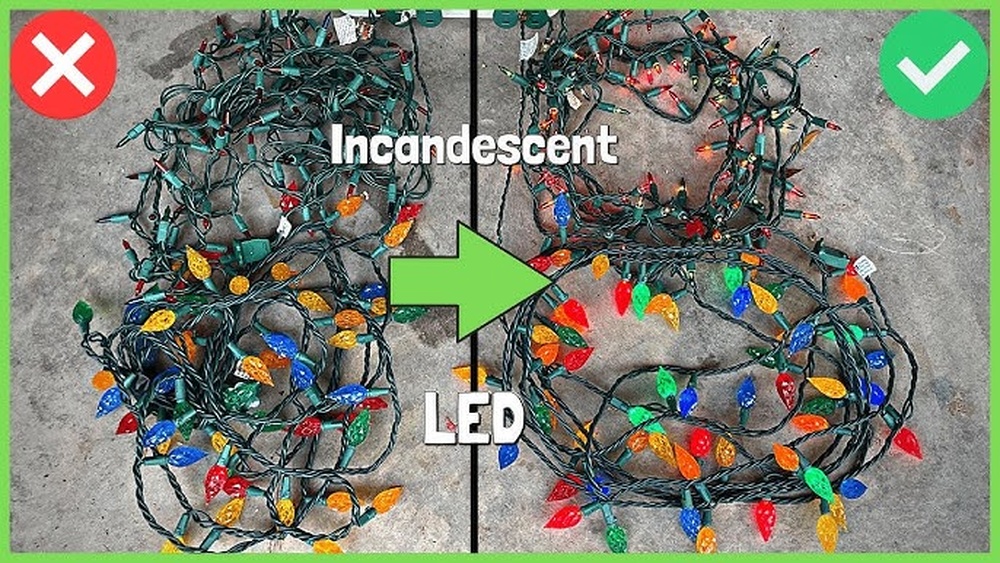
Incandescent bulbs create a classic glow for decorative fixtures. Their warm light suits chandeliers and vintage lamps. LEDs can mimic this look while saving energy. LED lights also come in many colors and shapes for special effects. They work well in holiday decorations and mood lighting. Both types have roles, but LEDs offer more choices and durability.
Technology Advancements
Technology in lighting has changed a lot in recent years. Both LED and incandescent lights have seen improvements. These changes affect how we use and think about light bulbs today.
New technology helps save energy, lasts longer, and gives better light quality. This section talks about the latest advancements in LED and incandescent lights. It also looks at what the future might bring.
Recent Innovations In Led
LED lights now use less power and shine brighter than before. New designs allow LEDs to fit in many types of lamps. They can change colors and dim smoothly. These features make LEDs very popular for homes and offices. The cost of LED bulbs has also dropped. This makes them easier to buy and use everywhere.
Improvements In Incandescent Alternatives
Incandescent lights are not as common as before. But some new versions try to fix their problems. These bulbs use better materials to last longer. They also try to use less energy while keeping the warm light. These changes help people who want the classic look but better performance.
Future Trends
The future of lighting looks smart and connected. LED technology will likely include more smart controls. Voice and app control will become common. Energy efficiency will keep improving. New materials may make bulbs even smaller and cheaper. Incandescent-style lights may continue to improve but will stay less efficient than LEDs.
Frequently Asked Questions
What Are The Main Energy Differences Between Led And Incandescent Lights?
LED lights use up to 85% less energy than incandescent bulbs. This makes LEDs more cost-effective and eco-friendly over time.
How Do Led Lights Compare In Lifespan To Incandescent Bulbs?
LED bulbs last about 25,000 hours, while incandescent bulbs last only 1,000 hours. LEDs require fewer replacements and save money.
Are Led Lights More Expensive Than Incandescent Bulbs Initially?
Yes, LEDs have a higher upfront cost, but they save money long-term through energy efficiency and longer lifespan.
Do Led Lights Provide The Same Light Quality As Incandescent Bulbs?
LEDs now offer similar warm light to incandescent bulbs, with options for various color temperatures and brightness levels.
Conclusion
LED lights save energy and last much longer than incandescent bulbs. They use less electricity, which lowers your bills. Incandescent bulbs heat up and break faster. LED lights also offer better light quality and come in many colors. Choosing LED helps the environment by reducing waste and pollution.
Think about what matters most to you—cost, brightness, or lifespan. Small changes in lighting can make a big difference in your home and savings. LED lights prove to be a smart, efficient choice for everyday use.

Leave a Reply