

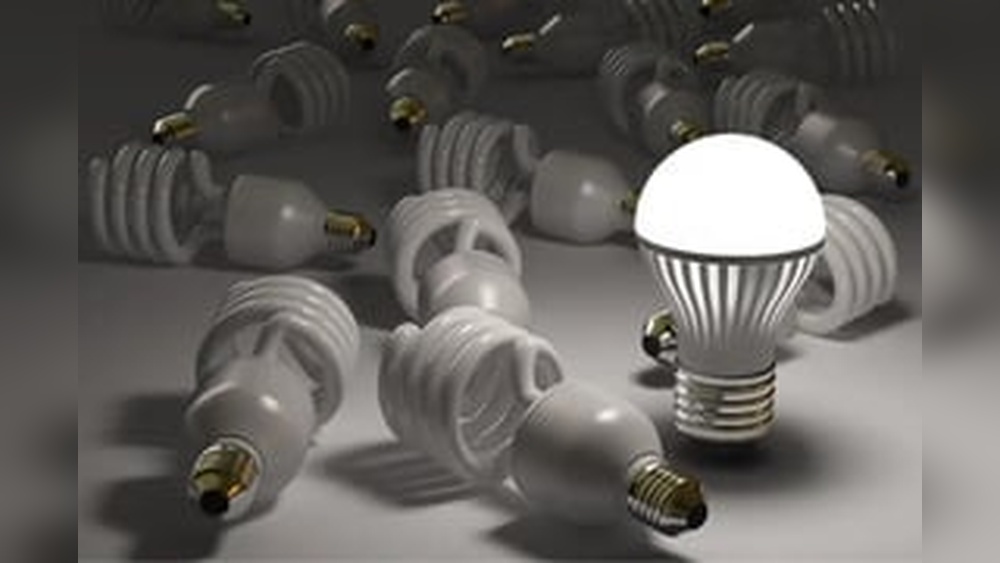
Are you trying to decide between LED lights and fluorescent bulbs for your home or office? Choosing the right lighting can save you money, improve your space’s look, and even protect your health.
But how do you know which option is best for you? This article breaks down the key differences between LED and fluorescent lights in a simple way. By the end, you’ll feel confident making the choice that fits your needs perfectly.
Keep reading to discover what really matters when comparing these two popular lighting options.
Energy Efficiency
Energy efficiency is a key factor when choosing between LED lights and fluorescent lights. It affects electricity bills and the environment. Using less energy means saving money and reducing pollution. Understanding the differences helps make a smarter choice for lighting needs.
Power Consumption Differences
LED lights use much less power than fluorescent lights. They need about 75% less energy to produce the same brightness. This lower power use leads to smaller electricity bills. Fluorescent bulbs consume more power to give the same light level.
Lifespan And Durability
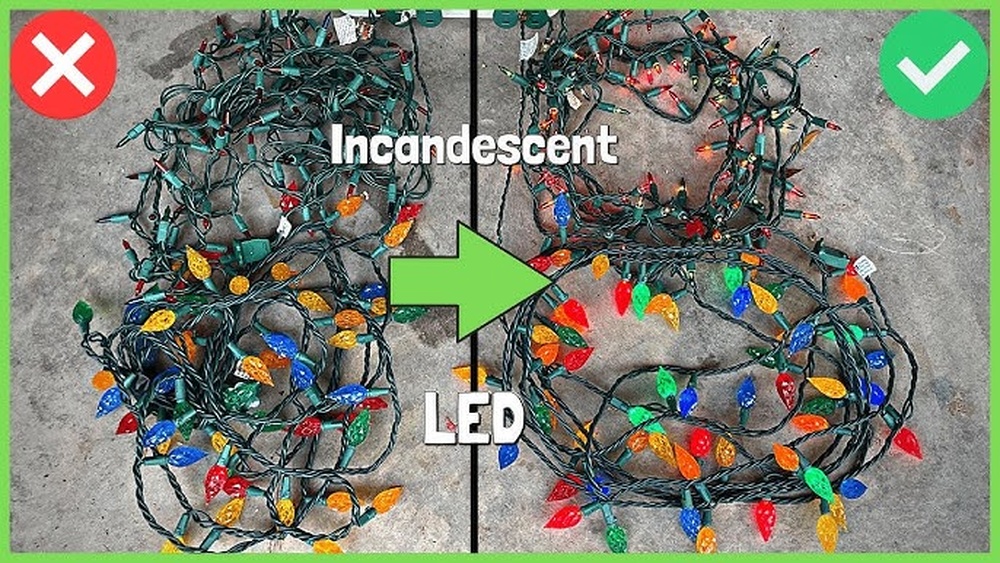
LED lights last longer than fluorescent bulbs. An average LED can work for 25,000 to 50,000 hours. Fluorescent lights usually last 7,000 to 15,000 hours. LEDs also resist shocks and vibrations better. Fluorescents are more fragile and break easily.
Heat Emission Comparison
LED lights produce very little heat while working. This makes them cooler and safer to touch. Fluorescent lights generate more heat, which wastes energy. The extra heat can raise room temperature slightly. LEDs help keep spaces cooler and save energy on cooling.
Cost Analysis
Cost analysis helps to understand how much you spend on lighting. It covers the price you pay first and the money spent later. This section compares LED and fluorescent lights in terms of costs.
Knowing these costs helps you pick the best lighting for your budget.
Initial Purchase Price
Fluorescent lights usually cost less to buy at first. They have been around longer and are cheaper to make. LED lights cost more upfront because of newer technology. The price gap is smaller now than before.
Operating Costs Over Time
LED lights use less electricity than fluorescent lights. This cuts down monthly energy bills. Fluorescent bulbs waste more power and cost more to run. Over time, LED lights save more money on electricity.
Maintenance And Replacement Expenses
Fluorescent bulbs need changing more often than LEDs. They burn out faster and can flicker. LED lights last longer and rarely need replacement. This lowers maintenance costs and hassle. Fewer replacements also mean less waste.
Light Quality
Light quality plays a big role in choosing between LED lights and fluorescent bulbs. It affects how well you see colors, how bright a room feels, and how comfortable your eyes are. Understanding these differences helps pick the right lighting for your home or office.
Brightness And Color Options
LED lights offer a wide range of brightness levels. You can find LEDs that are very bright or soft and warm. Fluorescent lights usually have fewer brightness choices and often feel harsher. LEDs also come in many color temperatures, from warm yellow to cool white. Fluorescent bulbs mostly give off a cooler, bluish light. This affects the mood and comfort of a space.
Flicker And Eye Comfort
LED lights flicker less than fluorescent bulbs. Flicker can cause headaches and eye strain. Fluorescent lights often have a noticeable flicker, especially when they age. LEDs provide steady light, which is easier on the eyes. This makes LEDs better for reading, working, or long use.
Color Rendering Index (cri) Comparison
CRI measures how well a light shows true colors. LEDs usually have a higher CRI, meaning colors look natural and vibrant. Fluorescent lights tend to have a lower CRI, making colors appear dull or off. Higher CRI is important for tasks like cooking, painting, or dressing. LEDs help you see colors more clearly and accurately.

Environmental Impact
The environmental impact of lighting choices is important for a cleaner planet. Different light bulbs affect nature in many ways. Choosing the right lighting can reduce harm and save resources. LED and fluorescent lights differ in their effects on the environment. Understanding these differences helps make smart decisions.
Toxic Materials And Disposal
Fluorescent lights contain mercury, a harmful toxic material. Mercury can pollute water and soil if not disposed of properly. LED lights do not have mercury. This makes LED safer for the environment. Disposal of fluorescent bulbs needs special care to avoid pollution. LEDs are easier and safer to throw away.
Energy Consumption And Carbon Footprint
LED lights use much less energy than fluorescent bulbs. Less energy means less pollution from power plants. Using LEDs lowers the carbon footprint of lighting. Fluorescent lights consume more electricity, increasing carbon emissions. Choosing LEDs helps reduce greenhouse gases and global warming.
Recyclability And Sustainability
LED lights are more recyclable than fluorescent bulbs. Many LED parts can be reused or recycled easily. Fluorescent lights are harder to recycle due to toxic components. Sustainable lighting means using materials that cause less waste. LED lighting supports a circular economy and reduces landfill waste.
Application Suitability
Choosing the right lighting depends on where and how you use it. LED and fluorescent lights each have strengths that fit different settings. Understanding their application suitability helps you pick the best option for your space.
Residential Uses
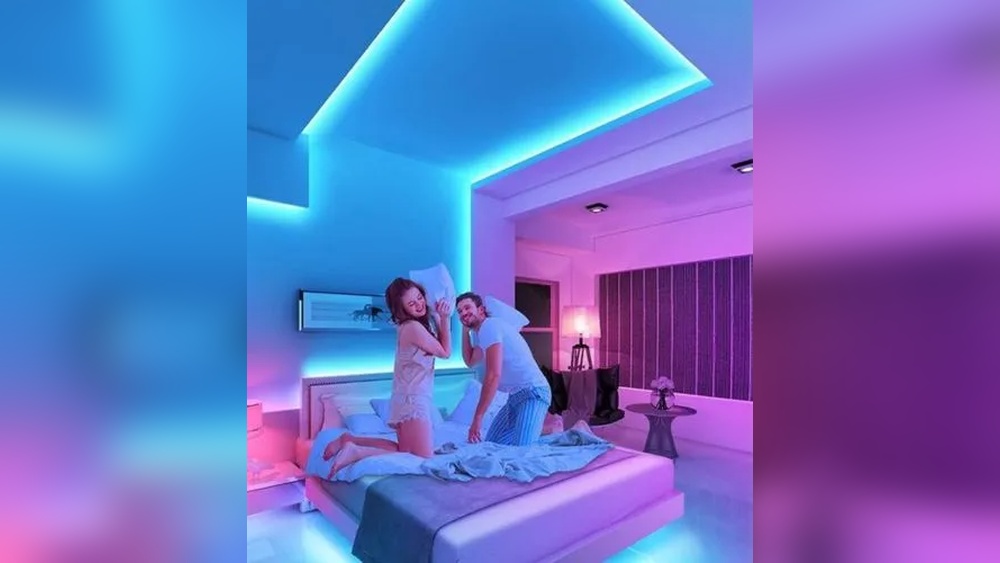
LED lights are great for homes. They use less energy and last longer. This means fewer changes and lower bills. Fluorescent lights can be harsh and flicker, which some find annoying indoors. LEDs offer better color options for cozy rooms. Bedrooms and living areas benefit from LED’s soft, warm glow. Kitchens and bathrooms do well with bright, clear LED light too.
Commercial And Industrial Settings
Fluorescent lights have been common in offices and factories. They cover large spaces and cost less upfront. But LEDs save more money over time with lower energy use. LEDs turn on instantly without flicker. This helps reduce eye strain and improve focus at work. They also hold up better in tough conditions. LEDs are ideal for warehouses, stores, and factories needing bright, consistent light.
Outdoor Lighting Considerations
Outdoor lights face weather and temperature changes. LEDs handle cold and heat better than fluorescents. They shine brighter and last longer outside. LEDs use less power for street lights, gardens, and security lighting. Fluorescent bulbs can dim or fail quicker outdoors. LED’s durability makes them a smart pick for long-term outdoor use. They also offer better control for dimming and color effects.

Technology Advancements
Technology advances quickly in lighting. These changes affect how we use LED and fluorescent lights. Both types have seen improvements that make them better for homes and businesses. Understanding these changes helps choose the right light for your needs.
Recent Innovations In Led
LED lights now use less energy than before. They produce brighter light with lower power. New designs make LEDs last longer, saving money on replacements. Some LEDs can change color and brightness. This helps create the perfect mood in any room. LEDs also heat up less, making them safer.
Improvements In Fluorescent Lighting
Fluorescent lights use less mercury in their bulbs now. This makes them safer for the environment. The light quality has improved, with fewer flickers and better color. Some models start faster and work well in cold places. Manufacturers also made fluorescent tubes thinner and lighter. These changes keep fluorescent lights useful in many settings.
Future Trends And Developments
LED technology will keep improving in efficiency and color. Smart lighting systems will use LED for better control and savings. Wireless controls and sensors will become common. Fluorescent lights may see smaller upgrades but face strong competition from LED. The future favors lights that save energy and reduce waste. New materials and designs will shape lighting solutions soon.

Frequently Asked Questions
What Are The Main Differences Between Led And Fluorescent Lights?
LED lights use less energy and last longer than fluorescent bulbs. Fluorescents contain mercury and take time to warm up. LEDs offer better brightness control and instant lighting, making them more efficient and eco-friendly.
Are Led Lights More Energy-efficient Than Fluorescent Bulbs?
Yes, LED lights consume up to 75% less energy than fluorescent bulbs. They convert more electricity into light, reducing electricity bills and environmental impact significantly.
Which Lighting Option Is Better For Indoor Use, Led Or Fluorescent?
LED lights are better for indoor use due to their better color quality and no flickering. They provide consistent, comfortable lighting that enhances indoor environments without harmful substances.
Do Led Lights Have A Longer Lifespan Than Fluorescent Bulbs?
LED lights last up to 25,000 to 50,000 hours, much longer than fluorescent bulbs. Fluorescents usually last around 7,000 to 15,000 hours, making LEDs more cost-effective over time.
Conclusion
LED lights use less energy and last much longer than fluorescent bulbs. They turn on instantly and do not flicker. Fluorescent lights are cheaper upfront but may cost more over time. LEDs are safer, with no harmful chemicals inside. Choosing the right light depends on your budget and needs.
Brightness, color, and energy use matter. LEDs often save money and help the environment. Think about what fits best in your space and your daily use. Small changes in lighting can make a big difference.

Leave a Reply