

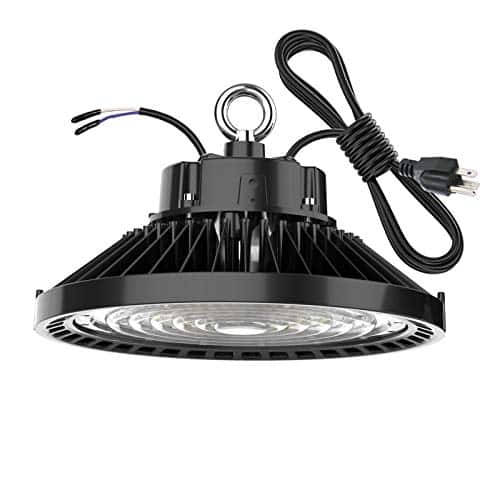
Hello there! If you’re like many people, you probably have questions and uncertainties regarding industrial LED lighting. Don’t worry, though – in this blog post, I’m here to help! I’ll walk you through some of the most common questions about this lighting solution and provide you with clear and concise answers. By the end of this post, you’ll have a better understanding of industrial LED lighting and why it’s becoming such a popular choice in the industry. So, let’s dive right in and get your questions answered!
Illuminate Your Space with Top-Selling Industrial LED Lighting Solutions
[content-egg-block modules=AmazonNoApi template=offers_grid cols=3 groups=”SectionIntro”]
What is industrial LED lighting?
Industrial LED lighting refers to the use of Light Emitting Diodes (LEDs) in industrial settings such as warehouses, manufacturing plants, factories, and other large-scale facilities. Unlike traditional lighting options such as fluorescent or incandescent bulbs, industrial LED lighting offers numerous advantages in terms of energy efficiency, durability, and performance.
[content-egg-block modules=AmazonNoApi template=offers_grid cols=3 groups=”Section1″]
Energy Efficiency: Saving Money and Resources
One of the key benefits of industrial LED lighting is its exceptional energy efficiency. LED technology has made tremendous advancements in recent years, resulting in lighting fixtures that consume significantly less energy compared to traditional alternatives. Some of the ways in which industrial LED lighting excels in energy efficiency include:
- Reduced energy consumption: LED lights consume up to 80% less energy than traditional options, such as incandescent bulbs, leading to significant cost savings over time.
- Lower cooling requirements: While traditional lighting options produce a considerable amount of heat, LED lights are known for their cool operation. This reduces the strain on cooling systems within industrial facilities, resulting in additional energy savings.
- Dimming capabilities: LED lights can be easily dimmed, allowing for precise control of light levels and further energy savings when full brightness is not required.
Durability: Withstanding Harsh Environments
Industrial settings are often challenging environments that require lighting fixtures capable of withstanding various harsh conditions. Industrial LED lighting excels in this aspect due to its durability and robust construction. Here are some notable durability features of industrial LED lighting:
- Shock and vibration resistance: LED fixtures are built to withstand shocks, vibrations, and mechanical stress, making them ideal for industrial settings with heavy machinery or frequent movement.
- Resistance to temperature extremes: LED lights can operate efficiently in a wide range of temperatures, from extremely hot to freezing cold, making them suitable for both indoor and outdoor industrial applications.
- Long lifespan: LED lights typically have a significantly longer lifespan compared to traditional lighting options. This reduces maintenance and replacement costs, resulting in additional savings for businesses in the long run.
Performance: Improved Lighting Quality
Industrial environments often require adequate lighting for optimal productivity, safety, and visual comfort. LED technology delivers in terms of lighting quality, providing numerous advantages over traditional lighting options. Here are some performance benefits of industrial LED lighting:
- High-quality light output: LED lights offer a more natural and uniform light output, reducing strains on workers’ eyes and improving visibility across the facility.
- Instantaneous illumination: LED lights provide immediate and full illumination without any warm-up time, ensuring that workers can start their tasks promptly.
- Options for customization: LED lights come in various color temperatures, allowing businesses to tailor the lighting to their specific needs. From cool white light for precision work to warmer light for relaxation areas or break rooms, LED lighting offers versatility.
What are the advantages of industrial LED lighting?
In the fast-paced world of industrial settings, having reliable and efficient lighting is crucial. This is where industrial LED lighting comes into play. LED technology has revolutionized the lighting industry, offering a multitude of advantages over traditional lighting options. In this article, we will delve into the various benefits of using LED lighting in industrial settings, highlighting their energy efficiency, long lifespan, durability, and reduced maintenance costs.
[content-egg-block modules=AmazonNoApi template=offers_grid cols=3 groups=”Section2″]
Energy Efficiency
One of the key advantages of industrial LED lighting is its energy efficiency. LEDs have a remarkable ability to convert electricity into light, making them highly efficient compared to traditional lighting options such as incandescent or fluorescent bulbs. LED lights can provide the same level of brightness as their counterparts while using significantly less energy. This not only helps to reduce energy consumption but also leads to substantial cost savings on electricity bills.
To better illustrate the energy efficiency of LED lighting, here are a few examples:
- The Philips LED Tube Light consumes 40% less energy than traditional fluorescent tubes while delivering the same level of brightness.
- The Cree LED High-Bay Light uses up to 65% less energy compared to traditional metal halide high-bay fixtures.
Long Lifespan
Another advantage of LED lighting in industrial settings is its long lifespan. LEDs are known for their exceptional durability, boasting lifespans that far surpass other lighting options. While traditional bulbs may last for a few thousand hours, LEDs can keep shining for tens of thousands of hours. This extended lifespan not only reduces the need for frequent bulb replacements but also decreases the associated labor and maintenance costs.
Consider the following examples to understand the long lifespan of LED lighting:
- The Osram LED Floodlight can last up to 50,000 hours, making it a reliable choice for industrial outdoor lighting.
- The GE LED High Bay Fixture has a lifespan of approximately 100,000 hours, ensuring consistent and durable illumination in warehouses or factories.
Durability
Industrial environments can be challenging, with factors such as dust, vibrations, and extreme temperatures putting a strain on lighting fixtures. Industrial LED lighting, however, is designed to withstand such harsh conditions. LEDs are built with sturdy materials, making them highly resistant to shocks and vibrations. Additionally, they do not contain fragile filaments or glass components, which are prone to breakage. As a result, LED lights are well-suited for demanding industrial settings, offering increased durability and reliability.
To exemplify the durability of LED lighting, consider the following cases:
- The RAB Lighting LED Wall Pack is constructed with a robust die-cast aluminum housing, ensuring protection against impacts and harsh weather conditions.
- The Lithonia Lighting LED Wraparound Fixture features a polycarbonate lens, making it resistant to shattering and damage.
Reduced Maintenance Costs
One of the significant advantages of industrial LED lighting is its ability to reduce maintenance costs. Due to their long lifespan and durability, LED lights require minimal upkeep compared to traditional lighting options. With LEDs, industrial facilities can significantly decrease the frequency of bulb replacements, lowering the associated labor, and material costs. This not only saves time and efforts but also minimizes disruptions to the production process.
To summarize the reduced maintenance costs associated with LED lighting, consider the following examples:
- The TCP LED High Bay Fixture has a 100,000-hour lifespan, virtually eliminating the need for frequent replacements in high-ceiling industrial spaces.
- The Lithonia Lighting LED Strip Light requires no ballasts or lamp changes, reducing maintenance expenses and downtime.
In conclusion, industrial LED lighting offers a range of advantages that make it an ideal choice for industrial settings. From energy efficiency and long lifespan to durability and reduced maintenance costs, LEDs provide solutions that address the specific needs and challenges of industries. By embracing LED technology, industrial facilities can enhance illumination, optimize energy consumption, and ultimately boost productivity.
What factors should be considered when choosing industrial LED lighting?
When it comes to selecting industrial LED lighting solutions, businesses must consider several factors to ensure they make the right choice. By keeping these key factors in mind, you can make an informed decision that best suits your facility’s needs. In this article, we will outline the main considerations for choosing industrial LED lighting and provide real-life examples to help you understand better.
[content-egg-block modules=AmazonNoApi template=offers_grid cols=3 groups=”Section3″]
Specific lighting requirements
Every facility has specific lighting requirements based on its purpose and layout. It’s crucial to assess these needs before selecting industrial LED lighting. Consider factors such as:
- Brightness: Determine the required level of brightness depending on the tasks performed in the facility. For instance, a factory floor may require higher brightness than warehouse storage areas.
- Color temperature: Different industries may have different color temperature preferences. For example, a retail store might prefer warm white lighting, while a laboratory might require cooler, daylight-quality lighting.
Let’s take the example of a manufacturing plant. They need to illuminate their production floor adequately. In this case, they could choose the “Philips High Bay LED Lighting” series, which provides high brightness suited for industrial settings.
Energy savings potential
One of the significant advantages of LED lighting is its energy efficiency. When considering industrial LED lighting solutions, businesses should evaluate the energy savings potential. Factors to consider include:
- Lumens per watt: Look for products with high lumens per watt (lm/W) ratio. This indicates higher energy efficiency, meaning more light output per unit of energy consumed.
- Longevity: LED lights have a longer lifespan compared to traditional lighting sources. Longer lifespan reduces replacement costs and maintenance efforts, leading to additional energy savings.
For instance, the “Cree LED High Bay Lighting” series is known for its high lumens per watt ratio, ensuring substantial energy savings for industrial spaces.
Initial investment cost
While LED lighting may have a higher upfront cost compared to traditional lighting, it is essential to consider the long-term benefits. Factors to consider regarding the initial investment cost include:
- Return on investment (ROI): Calculate the payback period by considering the energy savings achieved over time. LED lighting typically offers a quicker ROI due to reduced energy consumption.
- Product quality: Ensure that the selected LED lighting solution is from a reputable brand known for producing high-quality products. Investing in a reliable product will minimize maintenance and replacement costs.
An excellent example of a high-quality LED lighting brand is “Lithonia Lighting.” Their industrial LED lighting solutions may have a slightly higher upfront cost but provide long-lasting value and energy savings in the long run.
Compatibility with existing systems
Before making a decision, it is crucial to consider the compatibility of the industrial LED lighting with existing systems. Factors to keep in mind include:
- Wiring and controls: Evaluate if the existing wiring can handle LED lighting requirements. Additionally, consider compatibility with lighting control systems, such as dimming or motion sensors.
- Mounting options: Ensure that the chosen LED lighting solutions are compatible with existing mounting options, such as poles or ceiling fixtures.
For instance, businesses can consider the “RAB Lighting LED Wall Packs” series, which offers compatibility with existing wall mount configurations.
In conclusion, choosing the right industrial LED lighting requires careful consideration of factors such as specific lighting requirements, energy savings potential, initial investment cost, and compatibility with existing systems. By assessing these factors and exploring reputable brands and products, businesses can make an informed decision that ensures optimal lighting performance and cost-effectiveness for their facilities.
Are there any drawbacks to consider with industrial LED lighting?
When it comes to industrial lighting solutions, LED lighting has become increasingly popular due to its numerous benefits. However, it is important to consider any potential drawbacks or limitations associated with this type of lighting. In this article, we will explore these considerations in more detail.
[content-egg-block modules=AmazonNoApi template=offers_grid cols=3 groups=”Section4″]
1. Initial Cost of Installation
One of the main drawbacks often associated with industrial LED lighting is the higher initial cost of installation compared to traditional lighting options. LED fixtures and bulbs are generally more expensive upfront, which may deter some businesses that have a limited budget for lighting upgrades.
However, it is essential to look beyond the initial cost and consider the long-term benefits of LED lighting. LED fixtures have a significantly longer lifespan compared to traditional lighting options, meaning they require less frequent replacement. Additionally, LED lighting is highly energy-efficient, resulting in lower electricity bills. Over time, businesses can recoup the initial investment through reduced maintenance and energy costs.
2. Proper Installation and Maintenance
Another consideration when it comes to industrial LED lighting is the importance of proper installation and maintenance. LED lighting systems require careful installation to ensure optimal performance. This may involve hiring professional electricians or lighting experts to ensure that the fixtures and wiring are correctly installed.
Furthermore, regular maintenance is crucial to maximize the lifespan and efficiency of LED lighting systems. This includes cleaning fixtures, checking for any signs of wear or damage, and promptly addressing any issues that may arise. By properly installing and maintaining LED lighting, businesses can enjoy the full benefits and avoid potential drawbacks.
3. Light Pollution
Light pollution is an environmental concern associated with LED lighting, both in industrial and residential settings. LED light fixtures, if not properly designed and installed, can contribute to light pollution by emitting excessive light that spills into areas where it is not needed or desired. This can disrupt natural ecosystems, affect wildlife, and impact human health and well-being.
To mitigate light pollution, it is crucial to choose LED fixtures that have proper shielding and directional properties. This helps to minimize light spillage and direct the illumination to the intended areas. Additionally, installing sensors or controls that allow for dimming or adjusting the intensity of the lighting can further reduce light pollution.
Summary of Key Points:
- The initial cost of installation with industrial LED lighting may be higher, but long-term benefits outweigh the upfront expense.
- Proper installation and regular maintenance are essential for optimizing LED lighting performance.
- LED lighting can contribute to light pollution if not properly designed or installed.
- Choosing LED fixtures with proper shielding and directional properties helps minimize light spillage.
- Installing sensors or controls allows for dimming and reduces light pollution.
In conclusion, while there are some drawbacks to consider with industrial LED lighting, such as the higher initial cost and the need for proper installation and maintenance, the overall benefits of LED lighting far outweigh these limitations. By carefully selecting fixtures, ensuring proper installation, and implementing effective maintenance practices, businesses can harness the energy efficiency and longevity offered by LED lighting while minimizing any potential drawbacks.
Wrapping it up: All your doubts about industrial LED lighting, cleared!
In conclusion, industrial LED lighting is a great option for businesses seeking energy-efficient and cost-effective lighting solutions. With its long lifespan and reduced maintenance costs, it presents numerous advantages. However, before deciding, it’s important to consider factors such as specific lighting requirements, initial investment costs, and compatibility with existing systems. By doing so, businesses can make an informed decision and benefit from the highly effective and efficient solution that industrial LED lighting provides.






Electra
Can you recommend any specific brands or models of industrial LED lighting fixtures that are known for their quality and durability?