


Are you wondering if you can use LED lights with a dimmer switch? It’s a common question that many homeowners face when trying to create the perfect lighting atmosphere.
You want your lights to be bright when needed but soft and cozy at other times. But not all LEDs work well with dimmers, and using the wrong setup can lead to flickering or damage. You’ll discover exactly how to choose the right LED lights and dimmer switches that work together seamlessly.
Keep reading to make sure your lighting looks great and functions perfectly every time.
How Led Lights Work
Understanding how LED lights work helps in using them properly with dimmer switches. LED technology is different from old bulbs. It uses less power and lasts longer. This section explains the basics of LED lights and how they differ from traditional bulbs.
Basic Led Technology
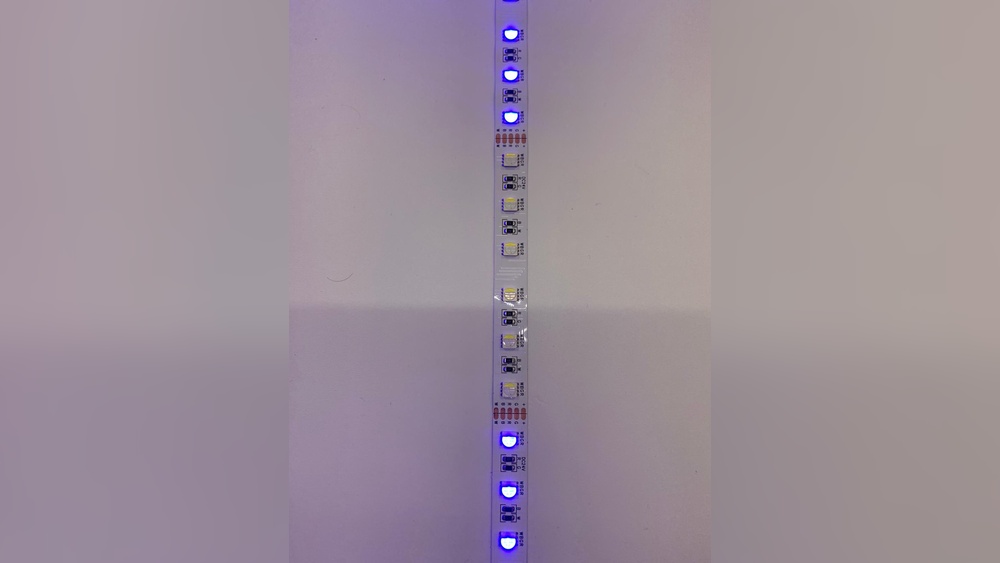
LED stands for Light Emitting Diode. It produces light when electric current passes through a semiconductor. The semiconductor emits photons, which create visible light. This process is very efficient. It uses less energy than old bulbs. LEDs also produce less heat. This makes them safer and cooler to touch.
Differences From Traditional Bulbs
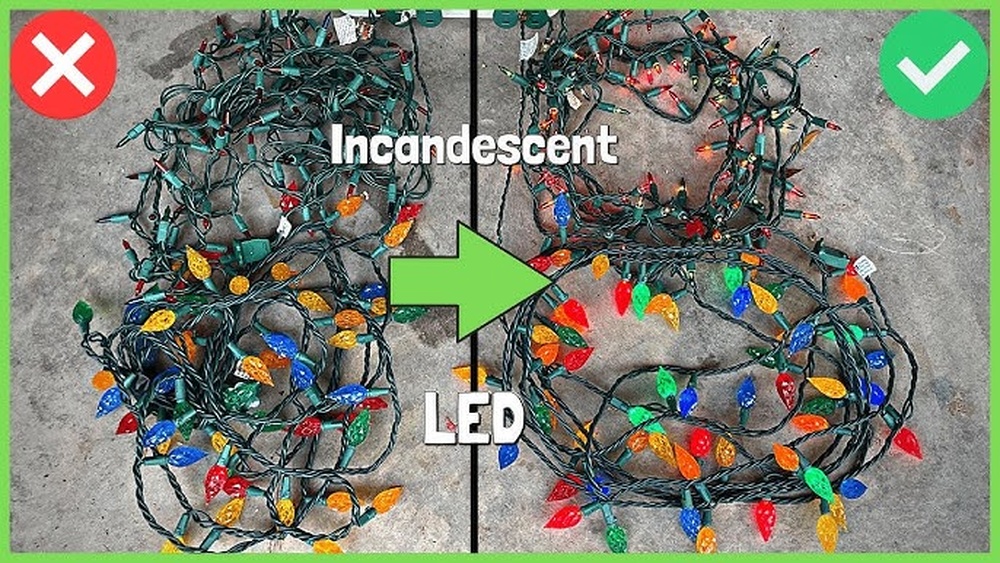
Traditional bulbs use a filament that heats up to create light. This wastes energy as heat. LED lights do not use filaments. They create light by moving electrons in the semiconductor. This method is more energy-saving. LED bulbs also last much longer than traditional bulbs. They turn on instantly, without warm-up time. Their different technology means dimmer switches must be compatible with LEDs for proper use.

Types Of Dimmer Switches
Dimmer switches control the brightness of your LED lights. Choosing the right type ensures smooth dimming and protects your bulbs. Different dimmers work in different ways. Understanding each type helps pick the best option for your home or office.
Leading Edge Dimmers
Leading edge dimmers cut the front part of the electrical wave. They work well with older lights like incandescent bulbs. These dimmers can cause flickering or buzzing with some LED bulbs. Not all LED lights are compatible with leading edge dimmers.
Trailing Edge Dimmers
Trailing edge dimmers cut the back part of the electrical wave. They are designed for modern LED and low-voltage lights. These dimmers provide smoother dimming and less noise. Trailing edge dimmers often extend the life of LED bulbs.
Smart Dimmers
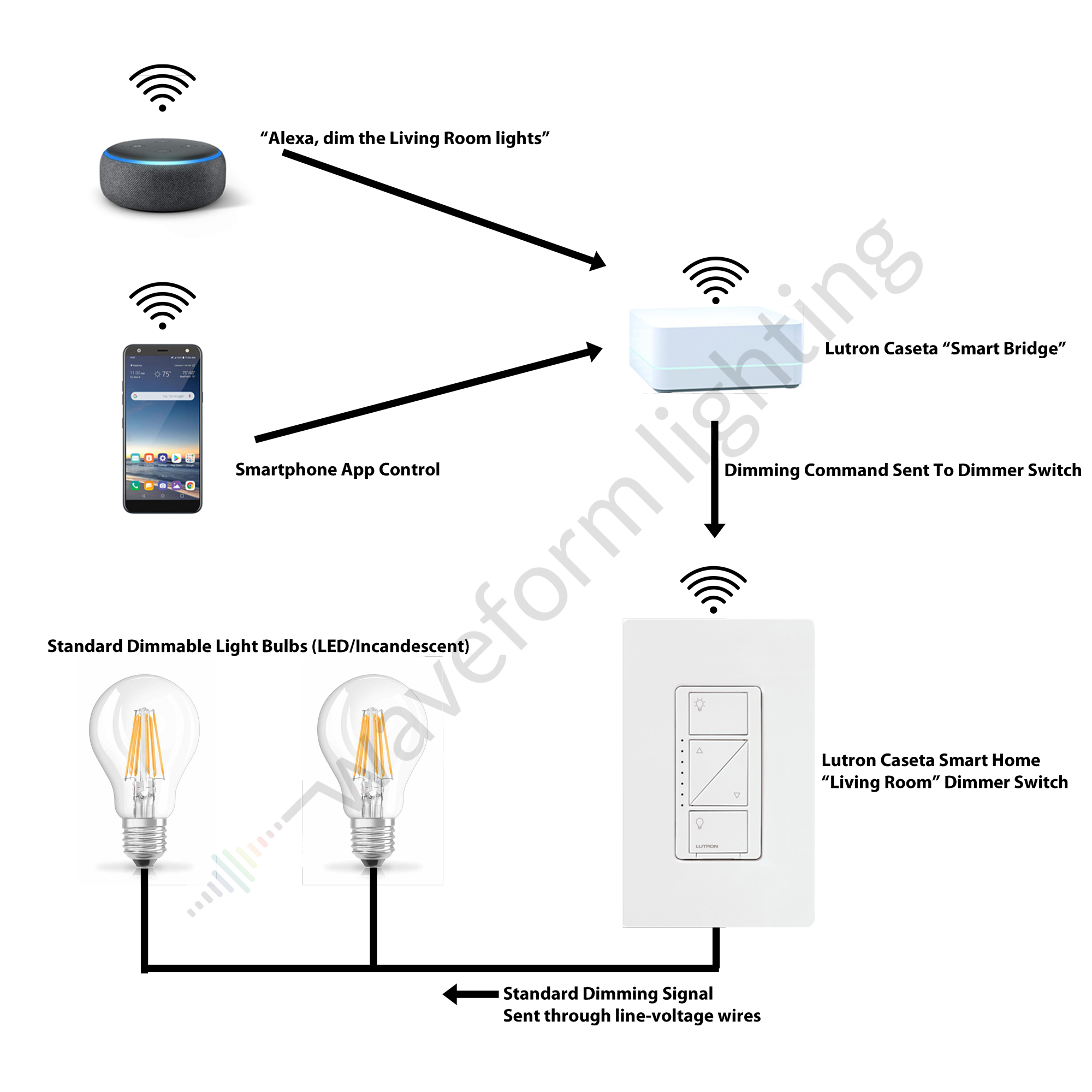
Smart dimmers connect to Wi-Fi or smart home systems. They allow dimming with apps or voice commands. Many smart dimmers support LED lights and offer advanced settings. You can schedule lighting changes and customize brightness remotely.
Compatibility Between Leds And Dimmers
Using LED lights with dimmer switches is common in homes. Yet, not all LEDs work well with every dimmer. Understanding compatibility is key for smooth lighting control. It ensures lights dim properly and last longer.
Why Compatibility Matters
LEDs and dimmers must match to avoid flickering and buzzing. Incompatible pairs can cause poor dimming or no dimming at all. Proper matching saves energy and extends the LED’s life. It creates a better lighting experience at home.
Common Compatibility Issues
Some dimmers are made for old bulbs, not LEDs. This mismatch can cause flickering, humming, or lights turning off. LEDs need dimmers designed for low power use. Wrong dimmers may limit the dim range or cause uneven light.
Choosing The Right Led Bulbs For Dimming
Not all LED bulbs work well with dimmer switches. Choosing the right bulbs is important for smooth dimming. Using the wrong bulb can cause flickering, buzzing, or reduced bulb life. Understanding the difference between dimmable and non-dimmable LEDs helps avoid these issues.
Check the bulb’s packaging or product description for dimming compatibility. Some LEDs are made specifically for dimmers. These bulbs adjust their brightness without problems. Others are not designed for dimming and may perform poorly or fail quickly.
Dimmable Vs Non-dimmable Leds
Dimmable LED bulbs have special electronics inside. They control the light output to match the dimmer switch’s signal. Non-dimmable LEDs lack this feature and may flicker or buzz when dimmed. Using non-dimmable bulbs on a dimmer switch can damage the bulb or switch.
Choosing dimmable bulbs ensures safe operation and better user experience. Always look for the word “dimmable” on the bulb’s label or box. This small detail makes a big difference in performance.
Checking Manufacturer Specs
Manufacturer specifications provide key information about dimming compatibility. Check the bulb’s packaging or website for details. Look for the types of dimmers supported and recommended wattage range.
Some LEDs work only with specific dimmers. Others have a wider range of compatibility. Confirming these specs helps avoid frustration and extra costs. Follow the manufacturer’s instructions for the best results.
Installation Tips For Led Dimmer Switches
Installing LED dimmer switches can improve your lighting control and save energy. Correct installation ensures the dimmer works smoothly with LED bulbs. Follow simple tips for a safe and effective setup.
Wiring Basics
Turn off the power at the circuit breaker before starting. Remove the old switch carefully. Connect the dimmer wires to the house wiring using wire nuts. Match the colors: black to black, white to white, and ground to ground. Secure all connections tightly. Place the dimmer switch into the wall box. Attach the faceplate and turn the power back on. Test the dimmer to check if the lights adjust smoothly.
Safety Precautions
Always use a voltage tester to confirm the power is off. Wear insulated gloves to avoid shocks. Read the dimmer switch instructions before installation. Use dimmers designed for LED bulbs only. Avoid overloading the circuit with too many lights. Keep wires neat and away from sharp edges. If unsure about wiring, hire a professional electrician. Proper safety prevents accidents and damage.
Troubleshooting Led Dimming Problems
Troubleshooting LED dimming problems can be simple. Dimming LED lights sometimes causes issues like flickering or limited dimming range. These problems often happen because of the type of dimmer switch or the LED bulbs. Knowing how to spot and fix these issues helps keep your lighting smooth and steady.
Flickering And Buzzing
Flickering LED lights can annoy anyone. Buzzing sounds often come with flickering. This usually happens if the dimmer switch is not compatible with LED bulbs. Traditional dimmers work best with old-style bulbs, not LEDs. Using an LED-compatible dimmer switch fixes this problem. Also, check if the bulb is loose in its socket. Tighten the bulb gently to stop flickering. Sometimes, using low-quality LED bulbs causes buzzing. Choose high-quality bulbs designed for dimming.
Limited Dimming Range
LED lights may not dim fully with some switches. They might only dim to a certain point and stop. This happens when the dimmer switch has a narrow dimming range. Another cause is mixing different types of bulbs on one dimmer. Use bulbs and dimmers made to work together. Avoid mixing LED and incandescent bulbs on the same circuit. Some LED bulbs have built-in dimming limits too. Check the bulb’s packaging or manual for dimming range details. Replacing the dimmer with a wider-range model often solves this issue.
Energy Efficiency And Cost Benefits
Using LED lights with a dimmer switch offers clear energy efficiency and cost benefits. Dimming LEDs reduces power use, which saves energy. This leads to lower electricity bills. It also helps extend the life of your LED bulbs.
Saving Energy With Dimming
LED lights use less energy than traditional bulbs. Dimming these lights cuts power even more. The less bright the light, the less energy it consumes. This lowers your overall electricity use. It is a simple way to reduce energy waste. Many homes and offices save energy by dimming LEDs.
Long-term Cost Advantages
Dimming LED lights helps bulbs last longer. LEDs already have a long lifespan. Using a dimmer reduces heat and stress on the bulb. This means fewer replacements are needed over time. You spend less money on new bulbs. Lower energy use also means smaller utility bills. Together, these savings make dimmable LEDs cost-effective in the long run.
Popular Brands And Products
Choosing the right LED lights and dimmer switches is key for smooth dimming. Some brands make bulbs that work well with dimmers. Others offer switches designed for LED technology. This section covers popular brands and products you can trust for a good dimming experience.
Top Led Bulbs For Dimmers
Philips offers LED bulbs that dim smoothly without flickering. Their “Philips SceneSwitch” series allows easy dimming without a special dimmer switch.
GE’s LED bulbs are another solid choice. They provide consistent light and reduce buzzing noises with dimmers.
Cree LED bulbs are known for their brightness and compatibility. These bulbs dim evenly and last long.
Feit Electric produces affordable LED bulbs that work well with many dimmer switches. They offer a range of brightness and color options.
Recommended Dimmer Switch Models
Lutron’s Caseta dimmer switches are popular for LED lighting. They support a wide range of LED bulbs and offer smooth control.
Leviton’s Decora LED dimmers are designed for LED bulbs. They minimize flicker and noise during dimming.
Insteon dimmer switches work well with smart LED bulbs. They allow remote control and easy dimming.
TP-Link Kasa Smart Dimmers combine smart features with LED compatibility. Users can control lights using a phone or voice commands.
Frequently Asked Questions
Can Led Lights Work With All Dimmer Switches?
Not all dimmer switches are compatible with LED lights. Use LED-specific dimmers to ensure smooth dimming and avoid flickering or damage.
Why Do Led Lights Flicker With Some Dimmers?
LED flickering occurs if the dimmer is incompatible or poorly matched. Use LED-compatible dimmers designed to handle low wattage and electronic drivers.
How To Choose The Right Dimmer For Led Lights?
Select dimmers labeled as LED-compatible. Check wattage limits and dimming type (leading or trailing edge) to match your LED fixtures for optimal performance.
Will Using A Dimmer Shorten Led Light Lifespan?
Using a compatible dimmer will not shorten LED lifespan. Incompatible dimmers may cause flicker or stress, potentially reducing LED longevity over time.
Conclusion
LED lights work well with dimmer switches designed for them. Choose dimmers labeled as LED-compatible for best results. Using the wrong dimmer may cause flickering or damage. Always check product details before installation. Proper pairing saves energy and creates the perfect mood.
Brightness control adds comfort to any room. Simple steps ensure safe and smooth dimming. Enjoy flexible lighting with the right setup every time.




Leave a Reply