

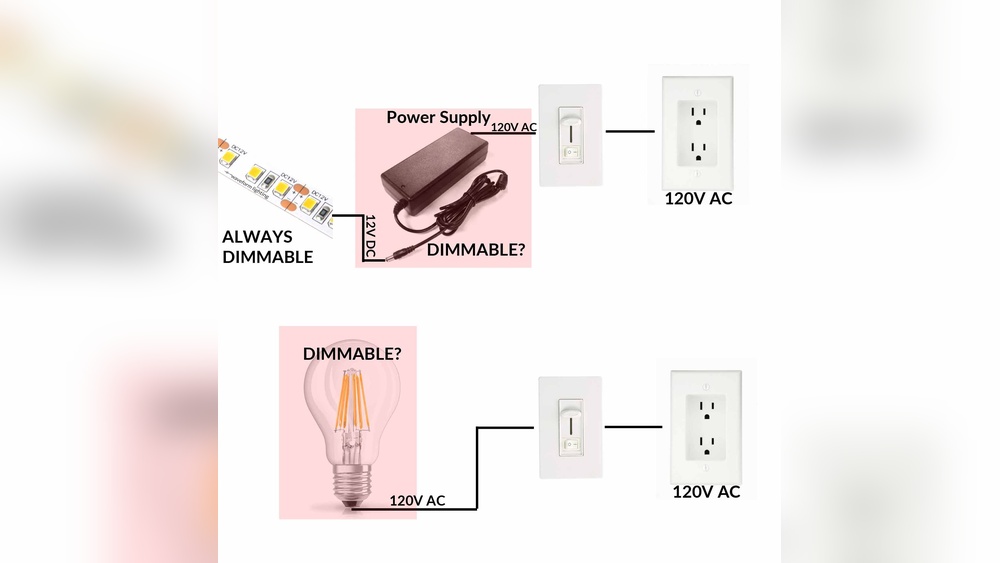
Have you ever wondered if you can dim LED lights in your home? Maybe you want to create the perfect cozy atmosphere or save energy without losing brightness.
The good news is, dimming LED lights is possible—but it’s not as simple as it sounds. If you’ve tried it before and found your lights flickering or buzzing, you’re not alone. You’ll discover how to dim your LED lights the right way, which tools you need, and how to avoid common mistakes.
Keep reading to make your lighting work exactly how you want it.
How Led Dimming Works
Understanding how LED dimming works can help you control light levels effectively. LED lights behave differently from traditional bulbs. This means dimming LED lights requires special methods and tools.
Basics Of Led Lighting
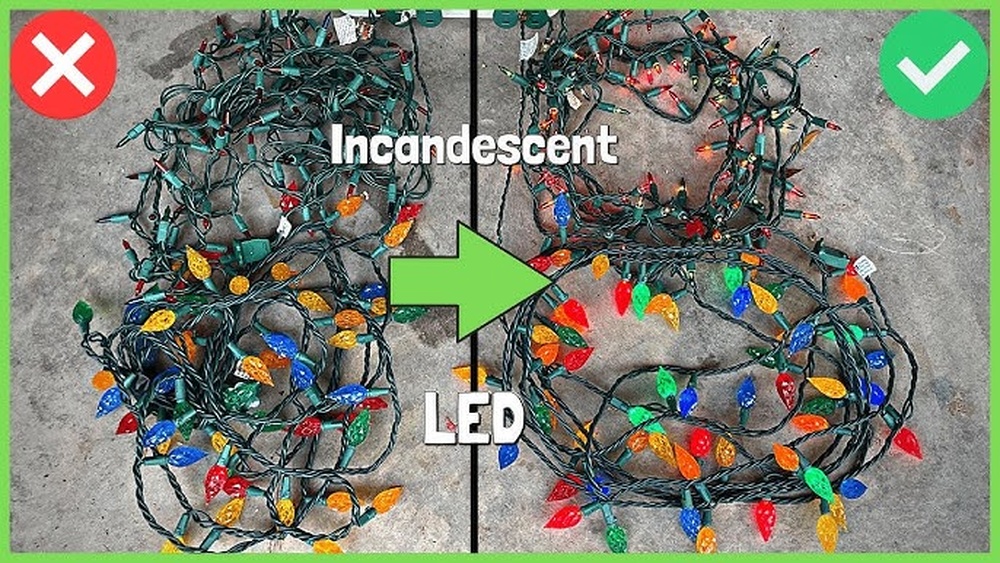
LED lights use tiny chips to produce light. They are energy-efficient and last longer than old bulbs. Unlike incandescent bulbs, LEDs do not use a filament. This changes how they react to dimming controls. LEDs need steady current to work properly. Their brightness depends on the electrical current supplied.
Dimming Mechanisms
Dimming LED lights involves reducing the power they receive. This changes their brightness smoothly. Two common methods exist: pulse width modulation and constant current reduction. Pulse width modulation turns the LED on and off very fast. The light appears dimmer because it is off part of the time. Constant current reduction lowers the current flowing through the LED. This also reduces brightness but keeps the light steady.
Compatibility Factors
Not all LED lights dim well with all dimmers. Some require specific dimmer switches made for LEDs. Old dimmers designed for incandescent bulbs may cause flicker or buzzing. Check the LED packaging or manual for dimmer compatibility. Using the right dimmer avoids flickering and extends the LED’s life. Also, the power rating of the dimmer must match the LED load.

Choosing The Right Dimmer
Choosing the right dimmer for LED lights is essential for smooth and safe dimming. Not all dimmers work well with LEDs. Picking the wrong one can cause flickering or damage the bulbs. Understanding different dimmer types and key features helps make the best choice.
Types Of Dimmers For Leds
LED dimmers come in several types. Leading-edge dimmers are older and may not work well with LEDs. Trailing-edge dimmers are newer and designed for LED bulbs. They offer better control and less flicker. Some dimmers have digital controls for precise adjustments. Choose a dimmer made specifically for LED lights.
Key Features To Look For
Look for dimmers that list LED compatibility. Check the wattage range to match your lighting setup. Smooth dimming without flicker is crucial. Some dimmers have adjustable minimum brightness settings. This feature helps avoid light drop-out at low levels. Quiet operation and easy installation add extra value.
Avoiding Common Mistakes
Do not use old dimmers meant for incandescent bulbs. Mixing LED bulbs with non-LED bulbs on one dimmer causes problems. Overloading the dimmer by exceeding its wattage limit risks damage. Testing dimmers with your LED bulbs before full installation saves headaches. Always follow manufacturer instructions for best results.
Installation Tips
Installing dimmable LED lights requires careful planning. Proper installation ensures smooth dimming and extends bulb life. Follow the right steps for a successful setup.
Wiring Guidelines
Use the correct dimmer switch designed for LED lights. Check the wattage rating to avoid overload. Connect wires firmly to prevent loose connections. Match the wire colors as per the instructions. Always turn off power before starting any wiring work.
Safety Precautions
Wear insulated gloves to protect against electric shock. Use tools with insulated handles. Confirm the power is off with a voltage tester. Keep the work area dry and free from clutter. Avoid touching live wires or terminals during installation.
Testing Your Setup
Switch the power back on after wiring. Test the dimmer at low and high settings. Watch for flickering or buzzing sounds. If issues arise, double-check wiring connections. Replace incompatible dimmers or bulbs as needed.
Troubleshooting Dimmer Issues
Troubleshooting dimmer issues is key to enjoying your LED lights. Problems like flickering, buzzing, or uneven brightness can spoil the mood. These issues often come from wrong dimmer types or poor connections. Fixing them can make your lighting smooth and reliable.
Flickering Lights
Flickering happens when the dimmer and LED bulb do not match. Some dimmers work only with traditional bulbs. LED bulbs need compatible dimmers made for low power use. Check if your dimmer is LED-friendly. Loose wires can also cause flickering. Tighten connections to stop the problem.
Buzzing Sounds
Buzzing often comes from electrical noise in the dimmer. Cheap dimmers may produce a humming sound with LEDs. The bulb itself might buzz if it is faulty. Try changing the bulb or dimmer. Using quality dimmers made for LEDs reduces buzzing. Proper installation also helps silence the noise.
Inconsistent Brightness
Uneven brightness occurs when the dimmer’s range does not match the LED bulbs. Some LEDs dim in steps rather than smoothly. Mixing different brands or types of bulbs can cause this issue. Use bulbs and dimmers designed to work together. Adjust the dimmer settings carefully for best results.
Maximizing Led Lifespan
Maximizing the lifespan of LED lights helps save money and reduces waste. Proper care ensures LEDs perform well for many years. Simple steps can keep your LED lights bright and efficient.
Proper Dimming Practices
Use dimmers made for LED lights only. Regular dimmers can cause flickering or damage. Always check the LED’s specifications before dimming. Start dimming slowly to avoid sudden changes. Proper dimming helps the LED last longer and stay bright.
Avoiding Overheating
Heat shortens the life of LED lights. Keep LEDs away from tight spaces without air flow. Use fixtures that allow heat to escape easily. Avoid covering LEDs with insulation or fabric. Cool LEDs work better and last much longer.
Regular Maintenance
Clean LED lights regularly to remove dust and dirt. Dust blocks heat and reduces light output. Check connections to avoid loose wiring. Replace damaged parts quickly to prevent more issues. Small maintenance steps keep LEDs working well for years.
Creative Uses Of Dimmed Leds
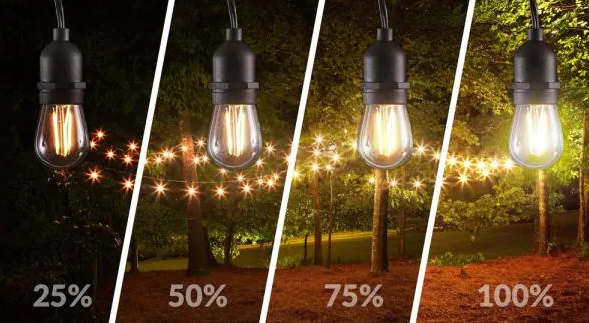
Dimmed LED lights offer many creative uses that enhance spaces. They allow control over light intensity. This control helps create different moods and atmospheres. Using dimmed LEDs can change the feel of a room easily. They also help save energy and increase bulb life.
Mood Lighting Ideas
Dimmed LEDs create soft, calming light. Perfect for relaxing evenings or quiet moments. Use them in living rooms for cozy gatherings. Bedroom lighting becomes gentle and soothing with dimmed LEDs. Adjust brightness to match your mood or activity.
Energy Saving Benefits
Dimming LEDs reduces power use significantly. Lower light levels mean less electricity consumed. This helps cut down energy bills every month. Dimmed LEDs also produce less heat. This adds to energy efficiency and safety at home.
Enhancing Ambiance
Dimmed lighting adds depth and warmth to rooms. It highlights textures and colors subtly. Use dimmed LEDs to create romantic dinners or calm workspaces. They help transform ordinary spaces into inviting places. Adjust light levels for special occasions or daily use.
Frequently Asked Questions
Can Led Lights Be Dimmed Safely?
Yes, LED lights can be dimmed safely using compatible dimmer switches. Always check the LED bulb and dimmer specifications to ensure compatibility and prevent flickering or damage.
What Types Of Dimmers Work With Led Lights?
LED-compatible dimmers, such as trailing-edge or electronic low voltage dimmers, work best. Traditional incandescent dimmers may cause flickering or poor dimming performance with LEDs.
Does Dimming Led Lights Save Energy?
Yes, dimming LED lights reduces power consumption, saving energy and lowering electricity bills. However, the energy savings depend on the dimming level and LED driver efficiency.
Can All Led Bulbs Be Dimmed?
No, not all LED bulbs are dimmable. Only bulbs labeled as “dimmable” can adjust brightness without issues like flickering or damage.
Conclusion
Yes, you can dim LED lights with the right setup. Choose dimmable LEDs and compatible dimmer switches. This helps save energy and sets the right mood. Not all LEDs work with dimmers, so check before buying. Dimming also can extend the life of your lights.
Simple steps make your space brighter or softer as you want. Try dimming to enjoy flexible lighting every day.




Leave a Reply