

Have you ever wondered if the LED lights around you could harm your skin? With LED lights becoming a part of everyday life—from your home to your phone screen—it’s natural to ask: can these lights cause skin cancer?
You might be surprised by what the research says and how it could affect your daily habits. Keep reading to uncover the truth about LED lights and your skin’s health. This knowledge could change the way you protect yourself every day.
How Led Lights Work
LED lights have become very common in homes and workplaces. Understanding how they work helps us know their effects on our skin. LED stands for Light Emitting Diode. These lights produce light through a small electronic chip. When electric current passes through the chip, it emits light. This process uses less energy than traditional bulbs.
LEDs come in many forms and colors. The type of LED and the light it produces depend on its design. Light from LEDs is not like sunlight. It does not have all the rays sunlight has. The light spectrum and wavelength are key factors in how LEDs affect us.
Types Of Led Lights
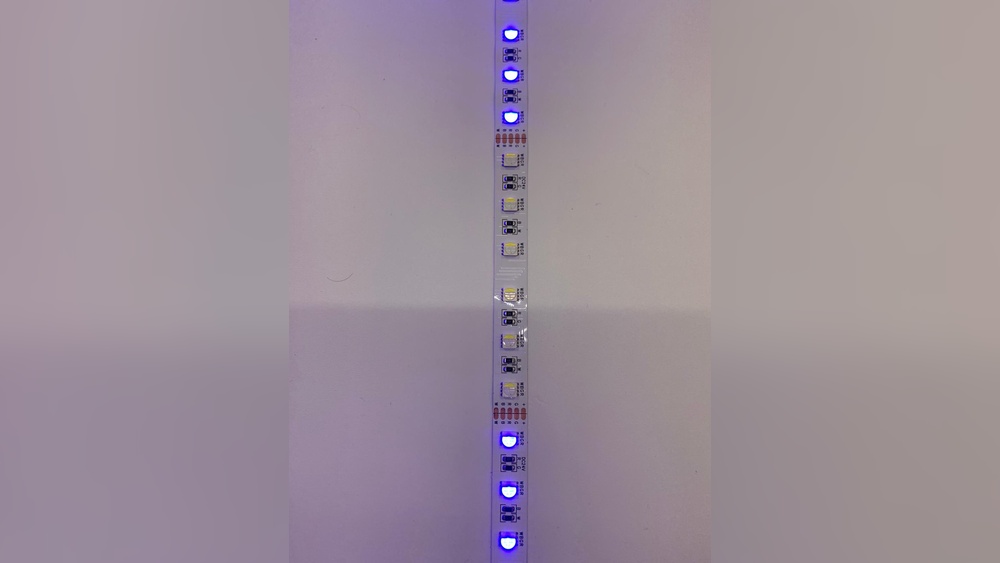
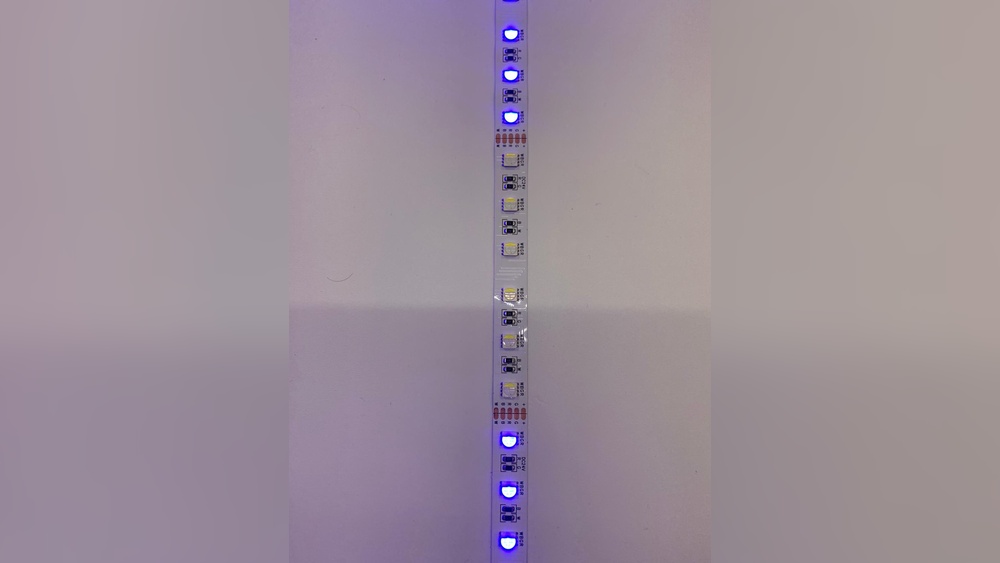
There are several types of LED lights. Some are made for home lighting, others for screens or outdoor use. White LEDs are common for general lighting. They combine different colors to create white light. Colored LEDs produce specific colors like red, blue, or green. Each type has unique uses and brightness levels.
Light Spectrum And Wavelengths
LED light includes specific wavelengths within the light spectrum. Visible light has wavelengths between 400 and 700 nanometers. LEDs produce light mainly in this range. Some LEDs emit ultraviolet (UV) light, but very little compared to the sun. UV light can harm skin, but most LED lights do not emit harmful UV rays.
Understanding the wavelengths helps explain LED light’s safety. Most LED lights emit safe visible light. They do not produce enough UV light to damage skin cells. This is why LEDs are generally safe for skin exposure.
Skin Cancer Basics
Skin cancer happens when cells in the skin grow out of control. It starts in the outer layer called the epidermis. This disease can affect anyone, regardless of age or skin color. Early detection improves the chances of successful treatment.
Understanding the basics helps protect your skin. Knowing common causes and risk factors is important. These details guide you to make safer choices for your skin health.
Common Causes
Ultraviolet (UV) radiation from the sun is the main cause. Tanning beds also emit harmful UV rays. These rays damage the DNA in skin cells. Repeated exposure increases the risk of cancer. Some chemicals and radiation can also cause skin damage. A weakened immune system may contribute to skin cancer.
Risk Factors
Fair skin with less melanin has a higher risk. People with many moles or unusual moles face more risk. A family history of skin cancer raises the chance. Excessive sun exposure without protection adds to risk. Older age increases the likelihood of skin cancer. People who use tanning beds regularly have greater risk.
Led Lights And Skin Exposure
LED lights are common in homes, offices, and outdoors. Many people wonder if these lights affect the skin. Understanding how LED lights interact with the skin helps to know if they are safe. This section explores skin exposure to LED lights and their possible effects.
Potential Skin Effects
LED lights produce visible light, not harmful rays. They do not emit ultraviolet (UV) radiation, which causes skin damage. Most studies show no direct link between LED light and skin cancer. Some people might notice mild skin irritation after long exposure. This is rare and usually fades quickly. Overall, LED lights are safe for skin exposure.
Difference Between Led And Uv Light
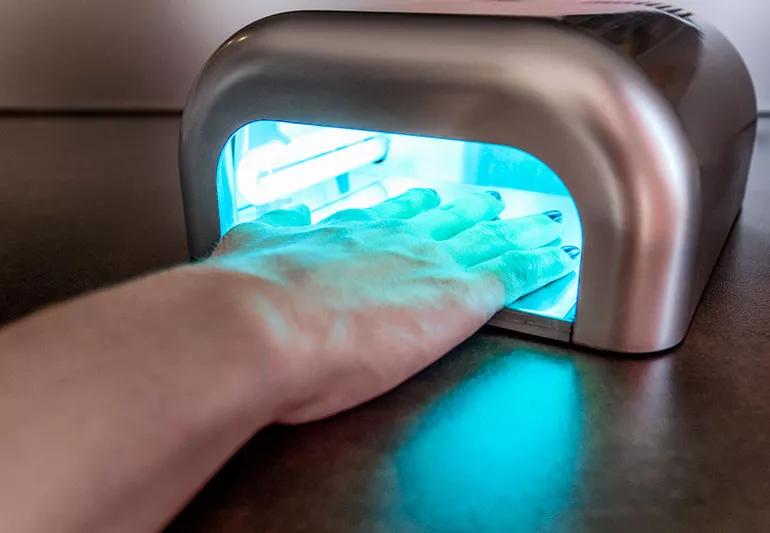
UV light comes from the sun and some lamps. It has short wavelengths that can harm skin cells. UV light causes sunburn, aging, and skin cancer risks. LED lights use longer wavelengths in the visible spectrum. These wavelengths do not penetrate the skin deeply. LED light does not cause DNA damage like UV light does. This makes LED lights much safer for skin exposure.
Scientific Studies On Led And Skin Cancer
Scientific studies explore the link between LED lights and skin cancer. Researchers aim to find if LED light exposure harms skin cells or triggers cancer growth. These studies help us understand the safety of using LED lights in homes, workplaces, and beauty treatments.
Research Findings
Several studies show no clear evidence that LED lights cause skin cancer. LEDs emit low levels of ultraviolet (UV) light, much less than the sun. UV light is known to damage skin and increase cancer risk. Most LEDs used for lighting do not produce harmful UV rays.
Some research focuses on blue light from LEDs. Blue light can affect skin cells but does not directly cause cancer. Scientists observe that long-term exposure to blue light might lead to skin aging or mild damage. Still, no direct link to skin cancer exists in current studies.
Expert Opinions
Dermatologists and cancer experts generally agree that LED lights are safe for skin. They say LED light is much less dangerous than sunlight or tanning beds. Experts warn about overexposure to UV light, not LED light itself.
Health professionals recommend using LED lights as intended and avoid staring directly at bright LEDs. They suggest protecting skin from strong UV sources. Experts continue to study LED effects to ensure future safety guidelines.
Safety Measures When Using Led Lights
LED lights are common in homes and workplaces. People often ask about their safety, especially about skin health. Understanding safety measures helps reduce any risks.
Proper use and product choice can protect your skin from harm. Simple steps can keep you safe and confident when using LED lights.
Protective Practices
Limit your exposure time to LED lights. Avoid staring directly at bright LED bulbs. Use LED lights in well-ventilated areas to reduce heat. Keep a safe distance from strong LED sources. Wearing protective clothing or sunscreen can help if exposure is long. Regularly check your skin for any changes or irritation. Taking breaks from LED light use reduces skin stress.
Choosing Safe Led Products
Pick LED lights with low UV emission. Look for products that meet safety standards. Avoid cheap LEDs without proper labeling or certification. Choose lights with warm color temperatures to reduce skin strain. Buy from trusted brands known for quality. Check product reviews for real user experiences. Replace old or damaged LED bulbs promptly.
Myths Vs Reality
Many people worry about the safety of LED lights on the skin. Some say these lights can cause skin cancer. Others believe they are harmless. It is important to separate myths from reality. Understanding the facts helps you protect your skin wisely.
Common Misconceptions
Some think LED lights emit harmful UV rays. They confuse LED light with tanning beds or sun exposure. LED lights usually give off visible light, not UV rays. Another myth is that LED lights cause skin aging or burns. These lights are gentle and often used in skin treatments. People also assume all light can damage skin cells. But different lights have different effects. Not all light harms DNA or causes mutations.
Fact-checking Led Light Claims
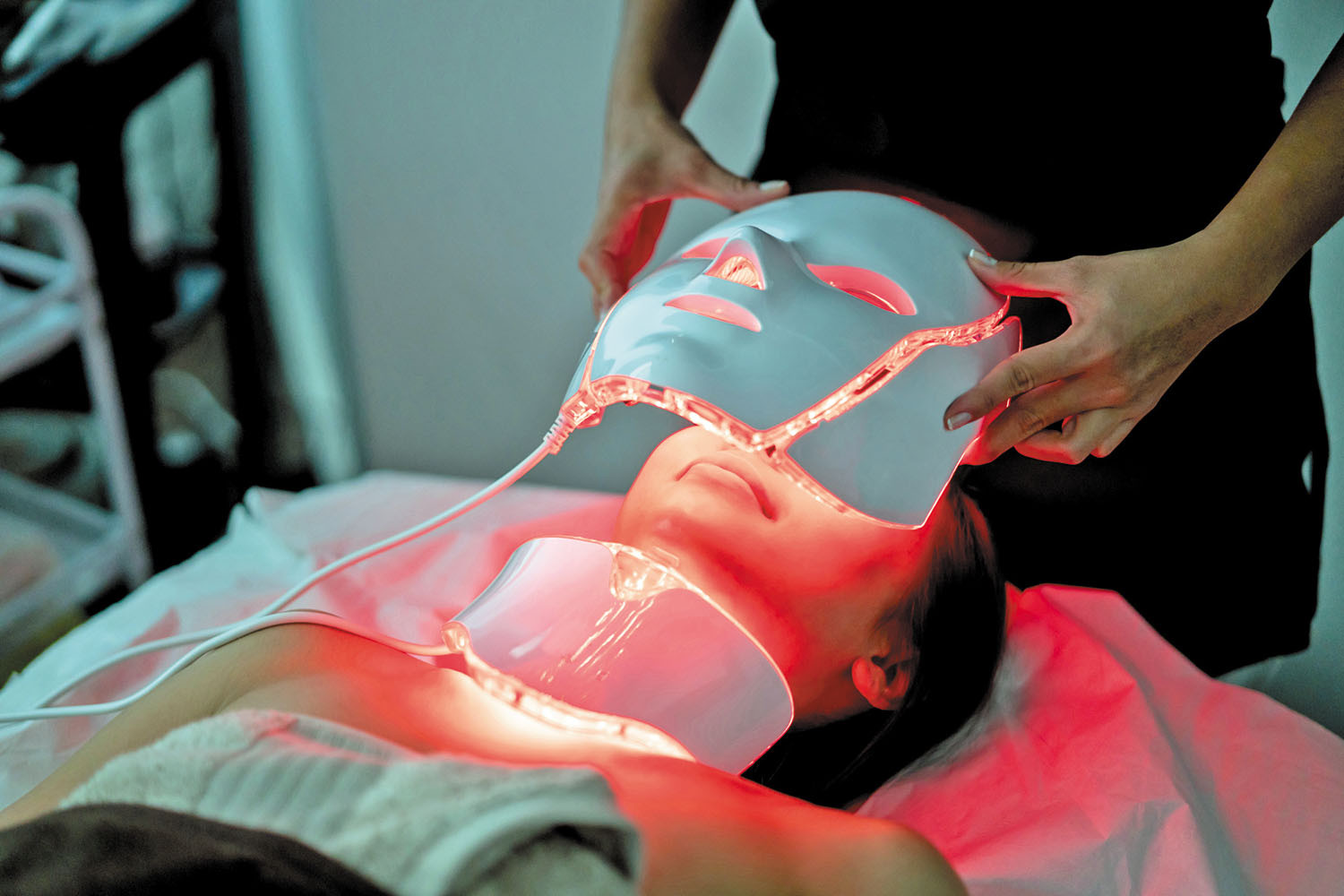
Scientific studies show LED lights do not cause skin cancer. LED therapy is even used to heal skin problems. The light stimulates cells to repair and grow. LED devices must meet safety standards. They do not release UV radiation linked to cancer. Experts say LED light’s wavelength is safe for skin. Long-term research supports these findings. Always use LED devices as directed for safe results.

Frequently Asked Questions
Can Led Lights Increase The Risk Of Skin Cancer?
No, typical LED lights emit low UV radiation, which is unlikely to cause skin cancer. They are generally safe for daily use.
Do Led Lights Emit Harmful Uv Radiation?
Most LED lights produce minimal to no UV rays. Unlike sunlight, they don’t pose significant skin damage risks.
Is Prolonged Exposure To Led Lights Dangerous For Skin?
Prolonged exposure to standard LED lighting is considered safe and does not increase skin cancer risk.
Can Led Therapy Cause Skin Cancer Or Damage?
LED therapy uses controlled light wavelengths and is safe when used as directed without causing skin cancer.
Conclusion
LED lights do not cause skin cancer. They emit very low UV rays. Most skin cancers come from strong sunlight exposure. Using LED lights indoors is safe for your skin. Still, protect your skin from direct sun rays. Wear sunscreen and avoid long sun exposure.
LED lighting is common and generally harmless. Stay informed about light safety and health. Your skin will thank you for care. Simple steps keep your skin healthy and safe.






Leave a Reply