

Have you ever wondered if the LED lights around you could affect your brain? If you or someone you care about experiences seizures, this question might feel urgent.
You might be surprised to learn how certain lights can trigger these episodes. Understanding the connection between LED lights and seizures could help you protect yourself and your loved ones. Keep reading to find out what you need to know and how to stay safe in environments filled with LED lighting.

How Led Lights Affect The Brain
LED lights have changed the way we light our homes and offices. They are energy-efficient and last long. But they also affect the brain in certain ways. Understanding these effects helps us know if LED lights can cause seizures.
The brain reacts to light through the eyes. Signals travel from the eyes to the brain’s visual cortex. This area processes the light information. Bright or flickering lights can sometimes overload this system. This overload may trigger seizures in some people.
Light Sensitivity And Seizure Triggers
Some people have a condition called photosensitivity. Their brains react strongly to certain light patterns. Bright lights or rapid flashes can trigger seizures. LED lights, with their sharp brightness, may cause issues.
People with epilepsy are more likely to be affected. Their brains have a lower threshold for light triggers. Sensitivity varies from person to person. Not all LED lights cause problems, but certain types can.
The Role Of Flicker And Brightness
Flicker means quick changes in light intensity. LED lights can flicker at a speed invisible to the eye. This flickering can still affect the brain. It may cause discomfort or seizures in sensitive individuals.
Brightness also plays a key role. Very bright lights can overstimulate the brain. LED lights are often brighter than traditional bulbs. Controlling flicker and brightness helps reduce risks.
Types Of Seizures Linked To Light
Light can trigger seizures in some people. Different types of seizures link to light exposure. Understanding these types helps in managing risks. Bright or flashing lights can affect the brain in various ways. LED lights, with their flickering, sometimes cause problems for sensitive individuals.
Not all seizures from light are the same. Some are well-known, while others are less common. This section explains the main types of seizures linked to light.
Photosensitive Epilepsy Explained
Photosensitive epilepsy is the most common light-related seizure type. It happens when flashing lights or patterns cause brain activity to become abnormal. The brain reacts to certain light frequencies and flickers. This reaction can trigger seizures in sensitive people.
Seizures from photosensitive epilepsy often include jerking movements or loss of awareness. Bright LED lights, video games, and TV screens can trigger these seizures. People with this condition must avoid flashing or flickering lights.
Other Neurological Responses
Light can also cause other neurological reactions beyond photosensitive epilepsy. Some people may feel dizzy, confused, or have headaches from bright or flickering lights. These symptoms do not always lead to seizures but can signal brain sensitivity.
Non-epileptic seizures may also occur due to light exposure. These seizures look like epileptic ones but have different causes. Doctors must carefully assess symptoms to provide the right treatment.
Scientific Studies On Led Lights And Seizures
Scientific studies have explored if LED lights can cause seizures. Researchers focus on how light affects the brain. They study people with photosensitive epilepsy. This type of epilepsy reacts to flashing or bright lights. LED lights often flicker, which raises concerns.
Studies use tests with different light types and patterns. They watch brain activity during these tests. The goal is to find any link between LED lights and seizures.
Key Research Findings
Many studies show LED lights can trigger seizures in some people. The flicker rate and brightness matter most. Fast flickering lights are more likely to cause problems. Some patients react to certain colors, like blue or white. Research also finds that steady LED lights rarely cause seizures.
Scientists note that not everyone is affected. Photosensitive epilepsy affects about 3% of people with epilepsy. The risk depends on individual sensitivity and light exposure time. Proper LED design can reduce seizure risks.
Limitations And Controversies
Studies often use small groups, limiting broad conclusions. Lab conditions differ from real-life environments. Some results conflict about how much LED flicker triggers seizures. The type of LED and screen technology also change outcomes.
More research is needed to understand long-term effects. Experts debate safe flicker rates and light intensities. Some argue current LED standards are safe enough. Others call for stricter rules to protect sensitive people.
Factors Increasing Seizure Risk
Some people have a higher chance of seizures caused by LED lights. Different factors can increase this risk. Knowing these factors helps reduce problems and keep safe.
Both personal traits and surroundings play a role in how LED lights affect the brain.
Individual Sensitivities
Some people have brains more sensitive to light. This sensitivity can cause seizures more easily. Those with epilepsy often notice problems with flashing or bright lights.
Age matters too. Children and young adults may be more affected by flashing lights. Also, people with a family history of seizures face higher risks.
Health conditions like migraines or brain injuries can increase sensitivity. Stress and tiredness make the brain react stronger to light.
Environmental Influences
Bright, flashing, or flickering LED lights can trigger seizures. The speed of flashing matters. Fast flashes are more likely to cause problems.
Room lighting also plays a role. Dark rooms with bright LED flashes can be more dangerous. Continuous exposure to certain light patterns adds to the risk.
Watching screens with LED backlights for long times may increase chances. The distance from the light source affects the brain’s reaction. Sudden changes in light brightness can also trigger seizures.
Safe Use Of Led Lights
LED lights are common in homes and offices. They save energy and last long. Some people worry about LED lights causing seizures. Using LED lights safely can reduce any risk. Simple steps help protect your health and comfort.
Choosing Flicker-free Products
Flicker in LED lights can trigger seizures in sensitive people. Choose lights labeled as flicker-free or with low flicker. These lights provide steady illumination without rapid changes. Flicker-free lights reduce eye strain and headaches too. Always check product details before buying LED lights.
Adjusting Brightness And Color Temperature
High brightness can cause discomfort and increase seizure risk. Keep LED lights at a comfortable, moderate brightness level. Use dimmers to control light intensity easily. Color temperature also matters. Warmer colors are softer and easier on the eyes. Cooler colors can be harsh and trigger sensitivity. Adjust both settings to find what feels best for you.
Alternatives To Led Lighting
LED lights are common in many homes and offices. Some people worry they might cause seizures due to flickering or brightness. For those sensitive to LED lighting, several alternatives exist. These options help create safe and comfortable environments without harsh light effects.
Traditional Lighting Options
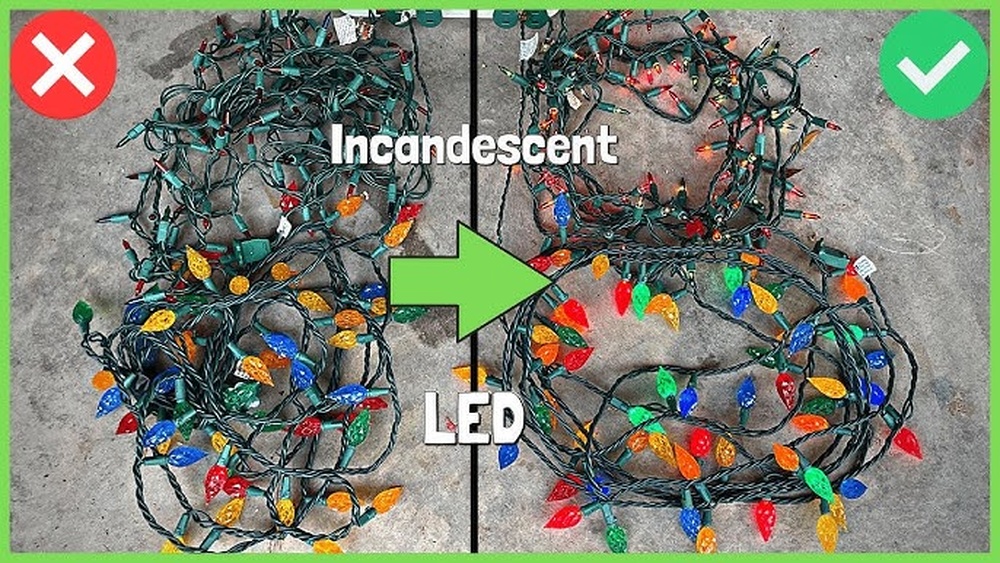
Incandescent bulbs offer warm, steady light. They do not flicker like some LEDs. This type of light is gentle on the eyes. It is less likely to trigger seizures. Halogen lamps also provide smooth, bright light. They work well in places needing clear visibility. These bulbs use more energy but cause less discomfort for sensitive people.
Emerging Technologies
New lighting options are growing fast. OLED panels produce soft, even light without flickering. They use less power and provide good color quality. Another choice is smart lighting with adjustable brightness. Users can control light levels to avoid triggers. These systems often include warm and cool light modes. They help create a custom environment that suits individual needs.
Tips For People With Photosensitivity
Living with photosensitivity means extra care around light sources. LED lights can trigger seizures in some people. Simple steps help reduce risks and improve comfort. These tips focus on awareness and creating safer spaces.
Recognizing Warning Signs
Watch for signs like dizziness, headaches, or blurred vision. Some feel confusion or notice unusual eye movements. Early signs help stop a seizure before it starts. Share these signs with family and friends. This helps them offer quick support.
Creating Safe Environments
Use dim or indirect lighting to lower light intensity. Avoid flickering or flashing LED lights, as they can trigger seizures. Choose warm-colored lights instead of bright white or blue tones. Cover windows with curtains to reduce sunlight glare. Take breaks from screen time to rest your eyes. These changes make spaces safer and more comfortable.

Frequently Asked Questions
Can Led Lights Trigger Seizures In Sensitive Individuals?
Yes, LED lights can trigger seizures in people with photosensitive epilepsy. Rapid flashing or flickering lights cause abnormal brain activity, leading to seizures.
Are All Led Lights Risky For Epilepsy Patients?
Not all LED lights pose a risk. Steady, non-flickering LEDs are generally safe. Flickering or flashing LEDs increase seizure risk.
How Can I Reduce Seizure Risks From Led Lights?
Use LED lights with minimal flicker and lower brightness. Avoid flashing patterns and take breaks from screen exposure.
What Symptoms Suggest An Led Light-induced Seizure?
Symptoms include dizziness, visual disturbances, confusion, or convulsions after LED light exposure. If these appear, seek medical advice immediately.
Conclusion
LED lights rarely cause seizures in most people. Bright, flickering lights can trigger seizures in some with epilepsy. Choosing steady, non-flickering LED bulbs helps reduce risks. Keep lights at comfortable brightness levels for safety. Consult a doctor if you have a history of seizures.
Understanding this helps you use LED lights safely. Safe lighting means better comfort and less worry. Stay informed and take simple steps to protect yourself.



Leave a Reply