

Have you ever noticed a sharp headache or strange visual disturbances after spending time under LED lights? You might be wondering if those bright, flickering lights could be the cause of your ocular migraines.
Understanding this connection is important because it could help you find relief and protect your eyes. You’ll discover how LED lights might trigger your symptoms and what you can do to prevent it. Keep reading to learn how to take control of your eye health and stop those painful episodes before they start.
Link Between Led Lights And Migraines
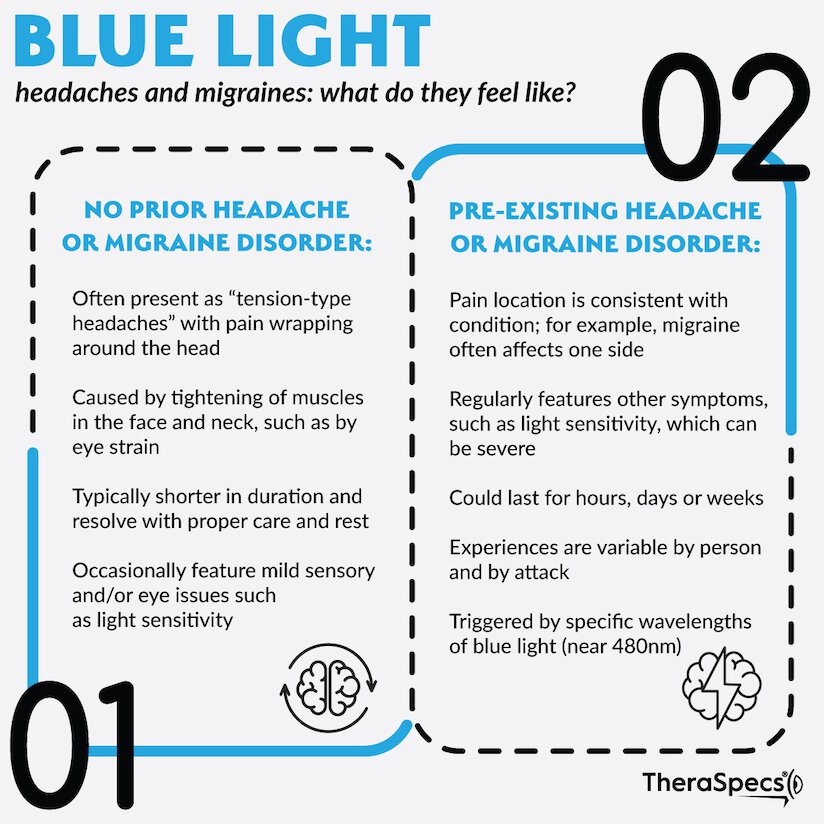
LED lights have become common in homes and offices. Their bright, flickering nature can affect sensitive eyes. Many people report headaches or visual discomfort after exposure to LED lighting.
Ocular migraines involve changes in vision and sometimes pain. Some studies suggest LED lights might trigger these episodes. Understanding this link helps people avoid discomfort and manage symptoms better.
How Led Lights Affect The Eyes
LED lights emit a sharp, bright light that can strain the eyes. This strain may cause dryness, irritation, or visual disturbances. The flicker effect, often unseen, can tire the brain and eyes.
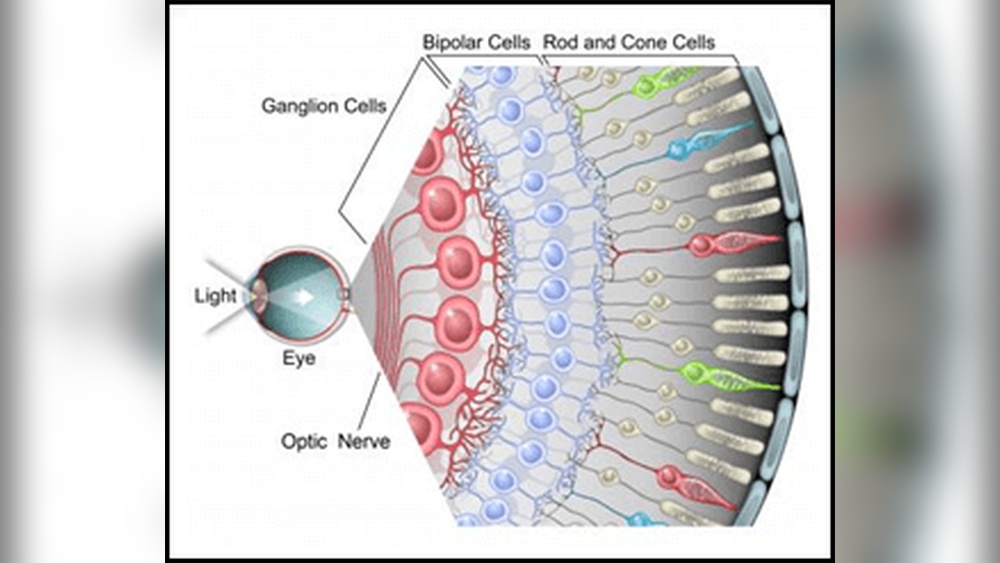
Blue light from LEDs penetrates deeply into the eye, affecting the retina. This exposure may disrupt normal eye function and increase sensitivity. Over time, this can lead to discomfort or headaches.
Triggers Of Ocular Migraines
Bright or flickering lights often trigger ocular migraines. LED lights can create these conditions more than other light sources. Stress, fatigue, and eye strain also play a role.
People with a history of migraines are more likely affected. Changes in light intensity or color temperature can cause symptoms. Avoiding harsh LED light may reduce the frequency of ocular migraines.
Scientific Studies On Led Exposure
Researchers have studied the effects of LED lighting on the eyes. Some studies link LED exposure to increased migraine frequency. They note that flicker and blue light cause the most problems.
Research also shows that reducing LED brightness and flicker can help. Using filters or warmer light tones may reduce migraine triggers. Ongoing studies continue to explore safe lighting options.
Symptoms Of Ocular Migraines
Ocular migraines cause different symptoms that affect vision and cause discomfort. Understanding these symptoms helps recognize an ocular migraine early. Symptoms vary but often follow a clear pattern.
Visual Disturbances
Visual changes are the most common sign of ocular migraines. People see flashing lights or zigzag lines. Some experience blind spots or temporary vision loss in one eye. These changes usually start suddenly and may last several minutes. Bright LED lights can trigger these visual problems in some cases.
Associated Headache Patterns
Many people get headaches alongside visual symptoms. The pain is often a throbbing or pulsing feeling. It usually happens on one side of the head. Headaches may begin shortly after visual disturbances or appear without any warning. The pain can be mild or severe and last for hours.
Duration And Frequency
Ocular migraine symptoms usually last from 10 to 30 minutes. Headaches may last longer, sometimes up to a few hours. Frequency varies; some experience migraines monthly, others less often. Identifying patterns helps manage and reduce future episodes.
Why Led Lights Might Trigger Migraines
Bright LED lights can cause eye strain and trigger ocular migraines in some people. Flickering or harsh light may overstimulate nerves, leading to headaches. Many find that reducing exposure helps ease symptoms.
LED lights are common in many homes and offices. Some people find that these lights can cause headaches or even ocular migraines. The reasons behind this link involve how our eyes react to certain features of LED lighting. Understanding these factors helps explain why some people are more sensitive to LED lights.
Brightness And Flicker Issues
LED lights often shine very bright. This brightness can strain the eyes. The flicker from LED lights is another problem. Some LEDs flicker rapidly. This flicker is not always visible but can cause discomfort. The brain reacts to this flicker, which may trigger migraines in sensitive individuals.
Blue Light Impact
LED lights emit a high amount of blue light. Blue light affects the eyes differently than other light colors. It can cause eye strain and disrupt sleep patterns. Exposure to blue light may also increase the chance of migraine attacks. People prone to migraines often report more headaches with blue light exposure.
Screen Time And Eye Strain
Many LED lights come from screens on phones, computers, and TVs. Long screen time causes eye strain. Staring at screens without breaks tires the eyes. This tiredness can lead to headaches and migraines. Reducing screen time or using filters can help lower eye strain and migraine risk.

Preventive Measures Against Led-induced Migraines
Preventive measures can reduce the chance of getting migraines from LED lights. These lights sometimes cause eye strain and trigger headaches. Simple steps help protect your eyes and lower discomfort. Follow practical tips for daily life to keep migraines away.
Adjusting Lighting Settings
Change the brightness of your LED lights to a comfortable level. Avoid very bright or flickering lights. Use warm-colored lights instead of cool, blue-toned ones. Many devices have “night mode” or “blue light filter” options. These settings reduce eye strain and ease headache risks.
Using Protective Eyewear
Wear glasses that block blue light from LEDs. Special lenses help reduce glare and eye fatigue. These glasses are easy to find online or in stores. They help protect your eyes during long screen use. Use them especially when working or reading under LED lights.
Taking Regular Breaks
Rest your eyes often to avoid strain. Follow the 20-20-20 rule: every 20 minutes, look at something 20 feet away for 20 seconds. This practice relaxes your eye muscles. Breaks help prevent headaches caused by prolonged LED exposure. Move around and blink more to keep eyes moist.
Alternatives To Led Lighting
LED lights can cause discomfort for some people. Ocular migraines may be triggered by bright or flickering light. Finding alternatives to LED lighting helps reduce this risk. Many options offer good light without hurting your eyes. Choosing the right light source can improve comfort and health.
Exploring other lighting choices can help protect your vision. Natural and new technology options provide good light with less strain.
Other Light Sources
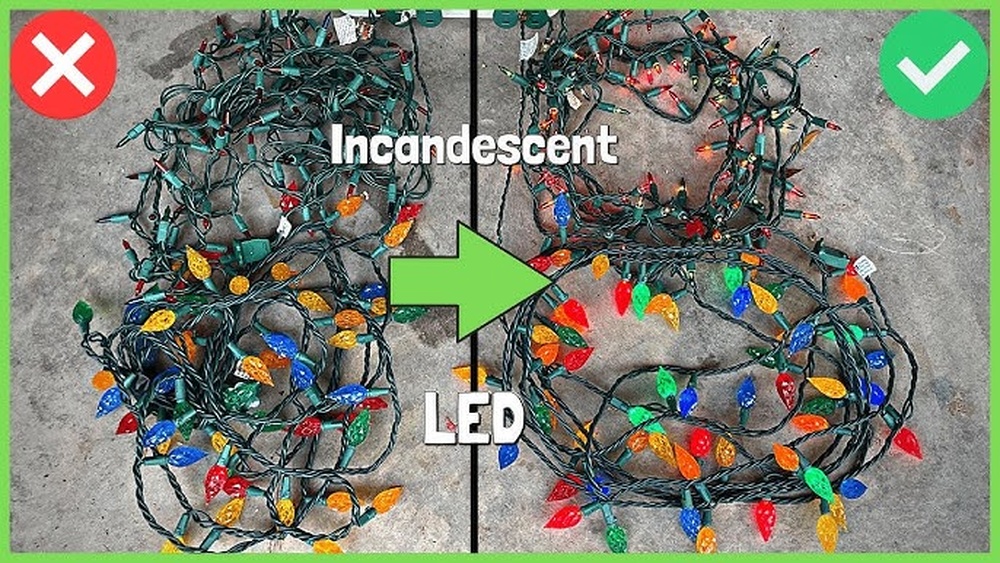
Incandescent bulbs give soft, warm light. They do not flicker like some LEDs. Halogen bulbs offer bright light without harshness. Fluorescent lights use less energy but may flicker for some people. Choosing bulbs with a warm color temperature reduces eye strain. Use dimmers to adjust brightness to your comfort level.
Natural Lighting Benefits
Sunlight is the best light for your eyes. It helps regulate your body clock and mood. Natural light reduces the chance of eye strain and headaches. Position your workspace near windows to use daylight. Use blinds to control glare and avoid direct sunlight. Spending time outdoors also improves eye health and reduces stress.
Technology Innovations
New lighting technologies focus on eye comfort. Flicker-free LED lights reduce the chance of migraines. Some LEDs have adjustable color temperatures for better comfort. Smart lights change brightness and color based on time of day. Blue light filters on screens also help protect your eyes. These innovations aim to provide clear light with less harm.
When To Seek Medical Advice
Ocular migraines can be confusing and scary. Knowing when to seek medical advice is key. Some signs mean you need help fast. Others may just need a simple check-up. This section guides you on what to watch for and how to get the right care.
Recognizing Serious Symptoms
Severe headache pain that starts suddenly is a warning sign. Blurred vision or vision loss lasting more than an hour needs urgent care. Weakness on one side of the body or trouble speaking also demands immediate attention. Do not ignore dizziness with eye pain. These symptoms could show a serious condition beyond migraines.
Consulting Eye Specialists
Eye doctors can help find the cause of ocular migraines. They perform tests to check your eyes and vision. Specialists may spot other problems that cause similar symptoms. Regular visits help track changes and improve treatment plans. Early diagnosis can prevent more damage to your eyes.
Treatment Options
Treatment depends on the cause and severity of symptoms. Doctors may suggest medication to reduce migraine attacks. Lifestyle changes like reducing screen time can also help. In some cases, therapy or eye exercises are useful. Follow your doctor’s advice to manage symptoms well.

Frequently Asked Questions
Can Led Lights Trigger Ocular Migraines?
Yes, LED lights can trigger ocular migraines in some people. The flickering and brightness may overstimulate the eyes and brain. This can cause visual disturbances and headache symptoms.
Why Do Led Lights Cause Eye Strain?
LED lights often emit high-intensity blue light, which can cause eye strain. Prolonged exposure may lead to discomfort and trigger migraines in sensitive individuals.
How Can I Reduce Led-induced Ocular Migraines?
To reduce LED-induced ocular migraines, limit screen time and use blue light filters. Wearing anti-glare glasses and adjusting brightness can also help prevent symptoms.
Are Certain Led Colors Worse For Migraines?
Blue and white LED lights are more likely to trigger migraines due to their high energy. Warmer LED tones generally cause less eye strain and fewer migraine symptoms.
Conclusion
LED lights can sometimes trigger ocular migraines in sensitive people. Bright or flickering lights strain the eyes and cause discomfort. Reducing screen time and adjusting light settings may help. Wearing tinted glasses also offers relief for some. Always talk to a doctor if migraines worsen or change.
Understanding your triggers helps manage symptoms better. Staying aware can improve daily comfort and eye health. Keep your environment calm and well-lit for comfort. Small changes often make a big difference.


Leave a Reply