


Have you ever noticed a headache creeping in after spending time under LED lights? You’re not alone.
Many people wonder if those bright, energy-saving bulbs could be behind their migraines. If you’ve been struggling to find the cause of your headaches, understanding the link between LED lights and migraines could be the key. Keep reading to discover what might be triggering your pain and how you can protect yourself from it.
How Led Lights Affect The Brain
LED lights are everywhere, from homes to offices. Their bright and sharp light can impact the brain in different ways. Some people feel discomfort or headaches after being around LED lighting. Understanding how LED lights affect the brain helps explain why some might get migraines.
The brain reacts to light through nerves and cells in the eyes. LED lights have unique features that can trigger these responses more than other lights. These features can cause stress to the brain, leading to symptoms like migraines.
Light Sensitivity And Migraines
Many people with migraines are sensitive to light. LED lights can be very bright and intense. This brightness can cause the brain to become overstimulated. Overstimulation may lead to headache pain or worsen migraine symptoms. People with light sensitivity should be careful around strong LED lighting.
Flicker And Glare Effects
LED lights often flicker, even if it is hard to see. This flicker can cause eye strain and discomfort. The brain tries to adjust to the flicker, which can lead to headaches. Glare from LED lights can also make it harder for the eyes to focus. Both flicker and glare increase the risk of migraines in sensitive individuals.
Blue Light Exposure
LED lights emit a lot of blue light. Blue light affects the brain’s natural sleep cycle. Too much exposure, especially at night, can disturb sleep. Poor sleep is a common trigger for migraines. Blue light can also increase brain activity, causing stress and headache pain.

Scientific Studies On Led Lights And Migraines
Scientific studies explore how LED lights might trigger migraines. Researchers aim to find clear links between LED exposure and migraine symptoms. This section breaks down key findings, conflicting evidence, and expert opinions.
Research Findings
Some studies show LED lights can cause headaches or migraines. Brightness and flickering of LEDs may irritate sensitive eyes. Blue light from LEDs might affect brain activity linked to pain. Tests on migraine sufferers reveal increased discomfort under LED lighting.
Conflicting Evidence
Other research finds no strong connection between LEDs and migraines. Some participants report no change in symptoms with LED exposure. Differences in study methods cause varied results. Migraine triggers differ widely among individuals, making it hard to generalize.
Expert Opinions
Doctors agree that LEDs can bother some migraine sufferers. They suggest reducing screen brightness and using filters. Experts recommend more research to understand the exact effects. Many advise personal testing to identify individual triggers.
Common Migraine Triggers Related To Lighting
Lighting plays a big role in causing migraines for many people. Bright lights or flickering can trigger headaches and discomfort. Understanding common lighting triggers helps manage and reduce migraine attacks.
Environmental Factors
Natural light changes throughout the day. Sudden brightness or glare from the sun can cause strain. Fluorescent and LED lights often flicker. This flickering may be invisible but still bothers sensitive eyes. Harsh or uneven lighting in rooms can also lead to headaches.
Screen Time And Digital Devices
Computers, phones, and tablets emit blue light. Blue light exposure for long periods can cause eye strain. This strain may lead to migraines or worsen them. Small text and glare on screens add to the problem. Taking breaks helps reduce the risk of headaches.
Workplace Lighting
Office lighting is often bright and artificial. Many workplaces use LED or fluorescent bulbs. These lights can flicker or shine too brightly. Poor lighting setups cause eye fatigue and stress. Adjusting light levels and using desk lamps can ease discomfort.
Preventing Led Light-induced Migraines
Preventing LED light-induced migraines requires simple steps. Small changes can reduce headache triggers from bright or flickering lights. Managing your environment helps keep migraines at bay. Here are effective ways to protect yourself.
Choosing The Right Lighting
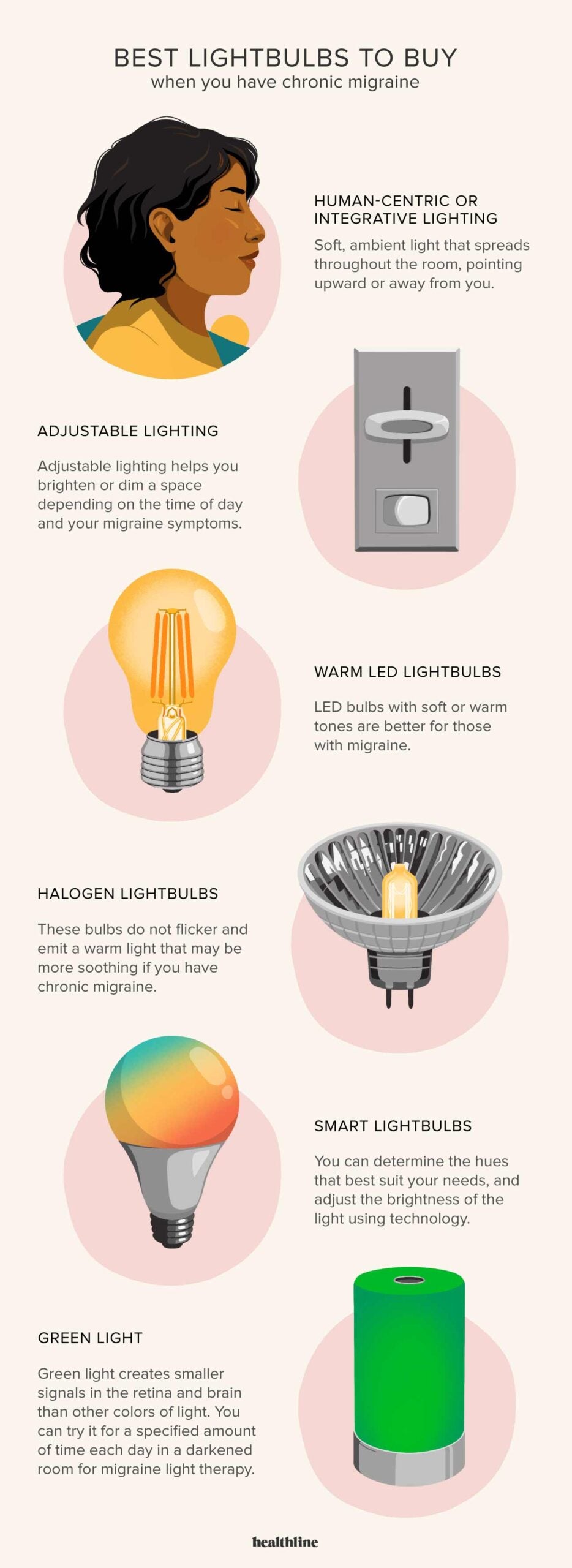
Pick LED lights with a warm color temperature. Cooler, blue-toned lights may cause more eye strain. Use bulbs that offer dimming options to control brightness. Soft, indirect lighting reduces harsh glare and flicker. Natural light is always a better choice when possible.
Using Filters And Glasses
Wear glasses with lenses that block blue light. These lenses reduce eye strain and headaches. Screen filters also help by softening the light from devices. Tinted glasses with yellow or amber hues work well. Use these tools especially during long screen sessions.
Adjusting Screen Settings
Lower screen brightness to a comfortable level. Increase text size to avoid squinting or leaning closer. Use night mode or blue light filters on phones and computers. Set screens to warmer colors in the evening. Take regular breaks to rest your eyes and reduce migraine risk.
Alternative Lighting Options
Choosing the right lighting can help reduce migraine triggers. Many people find LED lights harsh and flickering. Alternative lighting options offer softer, more comfortable light. These options can protect sensitive eyes and lower headache risks.
Incandescent Vs Led Lights
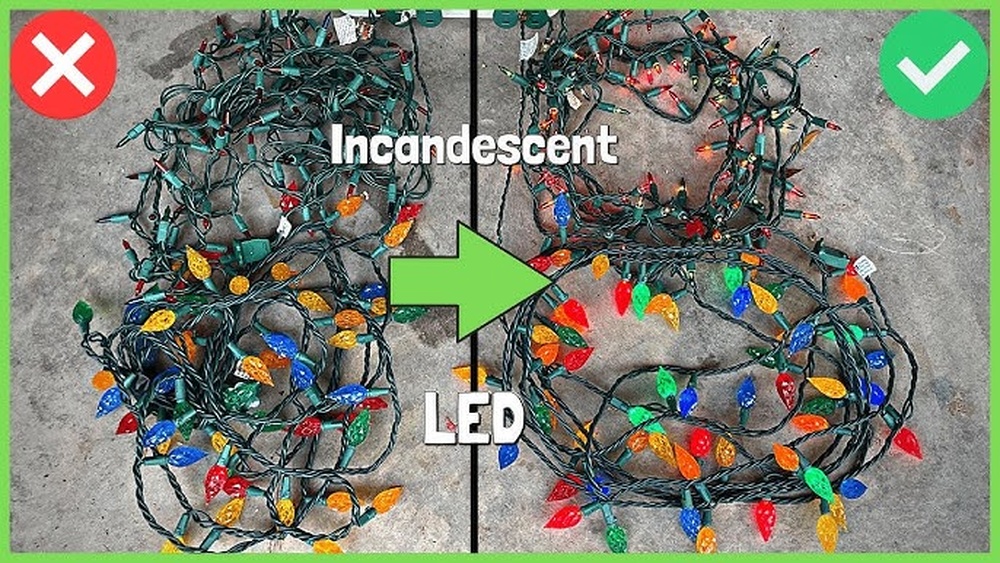
Incandescent lights emit warm, steady light. They do not flicker like some LEDs. This steady light is less likely to cause eye strain. Incandescent bulbs use more energy but often feel gentler. Some people with migraines prefer them for this reason.
Natural Light Benefits
Natural light is the best source for your eyes. It helps maintain your body’s internal clock. Exposure to daylight can improve mood and reduce stress. Sitting near a window or spending time outside helps. Natural light avoids the flicker and harshness of artificial lights.
Smart Lighting Solutions
Smart lights adjust brightness and color throughout the day. They can mimic natural light patterns. This adjustment reduces eye fatigue and headache chances. Many smart bulbs allow you to lower blue light levels. Custom settings help create a calming lighting environment.
When To Seek Medical Advice
Knowing when to seek medical advice for migraines linked to LED lights is important. Some headaches might need professional care. Ignoring serious symptoms can make problems worse. Early help can improve comfort and health.
Recognizing Migraine Symptoms
Migraines cause strong head pain that lasts hours or days. You might feel nausea, sensitivity to light, or sound. Blurred vision or seeing spots can also happen. Notice if headaches come with these signs often.
Tracking Trigger Patterns
Keep a diary of headaches and what you did before. Note if LED lights were on during pain episodes. Write down food, stress levels, and sleep habits too. This helps spot if LED lights trigger your migraines.
Consulting Healthcare Professionals
Visit a doctor if headaches get worse or happen more often. Seek help if medicine does not ease the pain. A doctor can check for other health issues. They can suggest treatments to reduce or prevent migraines.

Frequently Asked Questions
Can Led Lights Trigger Migraines In Sensitive People?
Yes, LED lights can trigger migraines in sensitive individuals. The flickering and brightness may cause eye strain and headaches. People prone to migraines should use softer, warmer lighting to reduce risk.
Why Do Led Lights Cause Headaches For Some?
LED lights emit blue light and flicker, which can overstimulate the brain. This overstimulation can lead to headaches and migraines in susceptible people.
Are All Led Lights Migraine-friendly?
No, not all LED lights are migraine-friendly. Flickering and high-intensity LEDs are more likely to cause migraines. Choose flicker-free, warm-toned LEDs for migraine prevention.
How Can I Reduce Migraine Risk From Led Lights?
Use dimmable, flicker-free LED bulbs with warm colors. Avoid direct exposure and take regular breaks from LED screens to reduce migraine risk.
Conclusion
LED lights can sometimes trigger migraines in sensitive people. Brightness and flicker are common causes. Choosing softer, warmer lights may help reduce discomfort. Taking breaks from screens also eases strain. Everyone reacts differently to light exposure. Pay attention to your body’s signals.
Managing your environment can lower migraine risks. Small changes often make a big difference. Stay mindful of how light affects you. Your comfort matters most in preventing headaches.


Leave a Reply