

Are you worried about the safety of your LED lights? You might have heard stories about lights causing fires and wondered if your LED bulbs could be a risk.
It’s natural to want to protect your home and loved ones from any danger. But how likely is it that LED lights can actually start a fire? Understanding the facts behind this common concern can help you feel more secure and make smart choices for your lighting.
Keep reading to uncover the truth about LED lights and fire safety—you might be surprised by what you learn.
How Led Lights Work
Understanding how LED lights work helps explain their safety and risks. LED stands for Light Emitting Diode. These lights create light differently from old bulbs. This section breaks down their technology, energy use, and heat output.
Basic Technology
LED lights use tiny semiconductors. When electricity passes through, they emit light. This process is called electroluminescence. LEDs do not have filaments like traditional bulbs. This makes them more durable and long-lasting.
Energy Efficiency
LEDs convert most energy into light, not heat. This efficiency saves electricity and reduces costs. They use about 75% less energy than incandescent bulbs. Lower energy use means less strain on electrical systems.
Heat Generation
LEDs produce much less heat than old bulbs. They stay cooler because of their design. However, some heat forms inside the chip. Good LED lights include heat sinks to manage this heat. Proper heat control helps prevent damage and fire risk.
Common Causes Of Light-related Fires
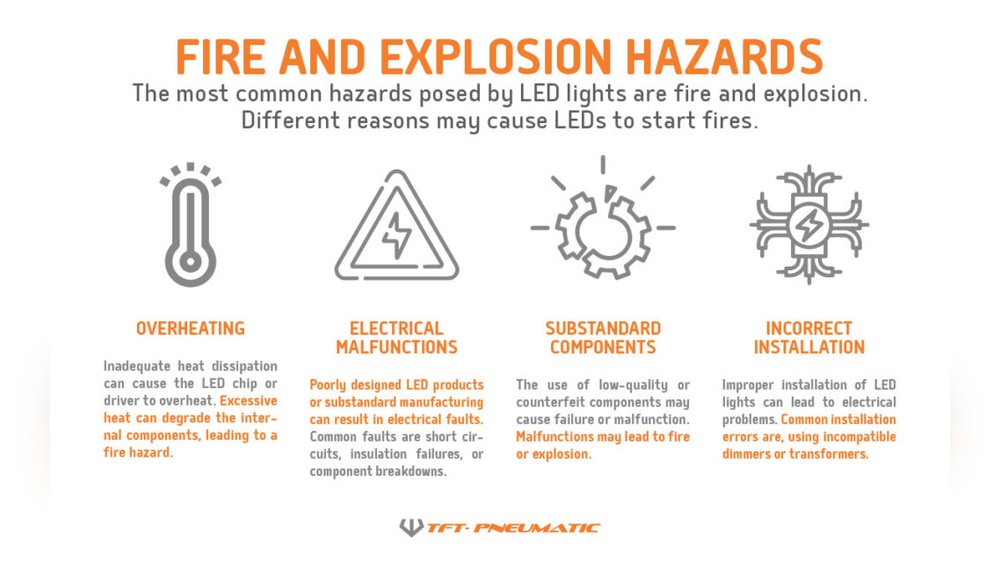
Light-related fires happen more often than you think. Many start because of simple mistakes or faulty parts. Knowing the common causes helps keep your home safe. Here are the main reasons LED and other lights can cause fires.
Overheating Issues
Lights, including LEDs, can get very hot. Overheating happens when bulbs or fixtures run too long. Poor ventilation traps heat and raises the risk. Heat can melt wires or nearby materials, causing fire.
Cheap or low-quality LED lights often have poor heat control. Using the wrong wattage bulbs in a fixture can also cause overheating. Always choose lights that match fixture specifications.
Faulty Wiring
Wiring problems cause many electrical fires. Loose or damaged wires create sparks. Sparks can ignite nearby flammable items. Old wiring may not handle modern LED loads.
Improper connections or frayed wires increase fire risk. Inspect wiring regularly and replace damaged parts. Use certified electricians for any electrical work.
Poor Installation
Incorrectly installed lights often lead to fire hazards. Over-tightened bulbs can break or crack, causing short circuits. Fixtures not secured properly may fall and damage wires.
Installing lights without following instructions creates risks. Using the wrong type of bulb or fixture can lead to overheating. Always follow guidelines and get expert help if unsure.
Risks Specific To Led Lights
LED lights are popular for saving energy and lasting long. Yet, some risks are unique to these lights. Understanding these risks helps keep your home safe. Here are key dangers linked to LED lights.
Quality Variations
Not all LED lights meet the same safety standards. Low-quality LEDs can overheat and cause fires. Cheaper lights may use poor materials that fail quickly. Always choose products from trusted brands.
Use Of Incompatible Fixtures
LED lights need fixtures designed for their heat output. Using LEDs in wrong fixtures traps heat inside. This heat build-up can damage wires or start fires. Check fixture compatibility before installing LED bulbs.
Counterfeit Products
Fake LED lights flood the market at low prices. These copies often skip safety checks and use bad parts. Counterfeit LEDs overheat more easily and increase fire risk. Buy from official stores to avoid fake products.

Safety Standards And Certifications
Safety standards and certifications play a key role in preventing fires caused by LED lights. They set clear rules for design, materials, and performance. These rules help keep LED lights safe for use in homes and businesses.
Certified LED lights go through tests to check for risks like overheating and electrical faults. Meeting these standards means the product is less likely to cause a fire. Knowing what to look for in these certifications can help buyers choose safer products.
What To Look For
Check for labels like UL, CE, or ETL on LED lights. These marks show the product passed safety tests. Look for information on electrical safety and heat resistance. Avoid lights without clear certification marks. These might not meet safety rules.
Role Of Certification Bodies
Certification bodies test LED lights against strict safety standards. They verify the light’s parts and design. Their job is to reduce fire risks by approving only safe products. These organizations work independently and follow global safety rules.
Impact On Fire Safety
Certified LED lights reduce the chance of fires in homes. They use materials that resist heat and prevent sparks. Proper design stops overheating issues. Using certified products protects property and lives from fire hazards.
Preventing Fires With Led Lights
LED lights are popular for their energy savings and long life. Still, safety matters. Preventing fires with LED lights means understanding how to install and maintain them safely. Following simple steps helps keep your home and workplace safe.
Proper Installation Tips
Install LED lights following the manufacturer’s instructions. Use the right fixtures designed for LED bulbs. Avoid overloading circuits or sockets. Ensure wiring is neat and secure. Use a qualified electrician for complex setups. Poor installation can cause overheating and sparks.
Choosing The Right Products
Pick LED lights from trusted brands. Check for safety certifications like UL or CE marks. Avoid cheap, untested lights that may lack safety features. Choose bulbs with the correct wattage for your fixtures. Using the wrong products increases fire risk.
Regular Maintenance
Clean LED lights and fixtures regularly to avoid dust buildup. Dust can trap heat and cause problems. Check for signs of damage or wear on wires and bulbs. Replace faulty parts immediately. Regular checks ensure safe and efficient lighting.
Real-life Fire Incidents Involving Led Lights
LED lights are popular for their energy savings and long life. Many people think LED lights are very safe. But there are cases where LED lights have caused fires. These real incidents help us understand the risks. They show how fires can start and what to watch for.
Case Studies
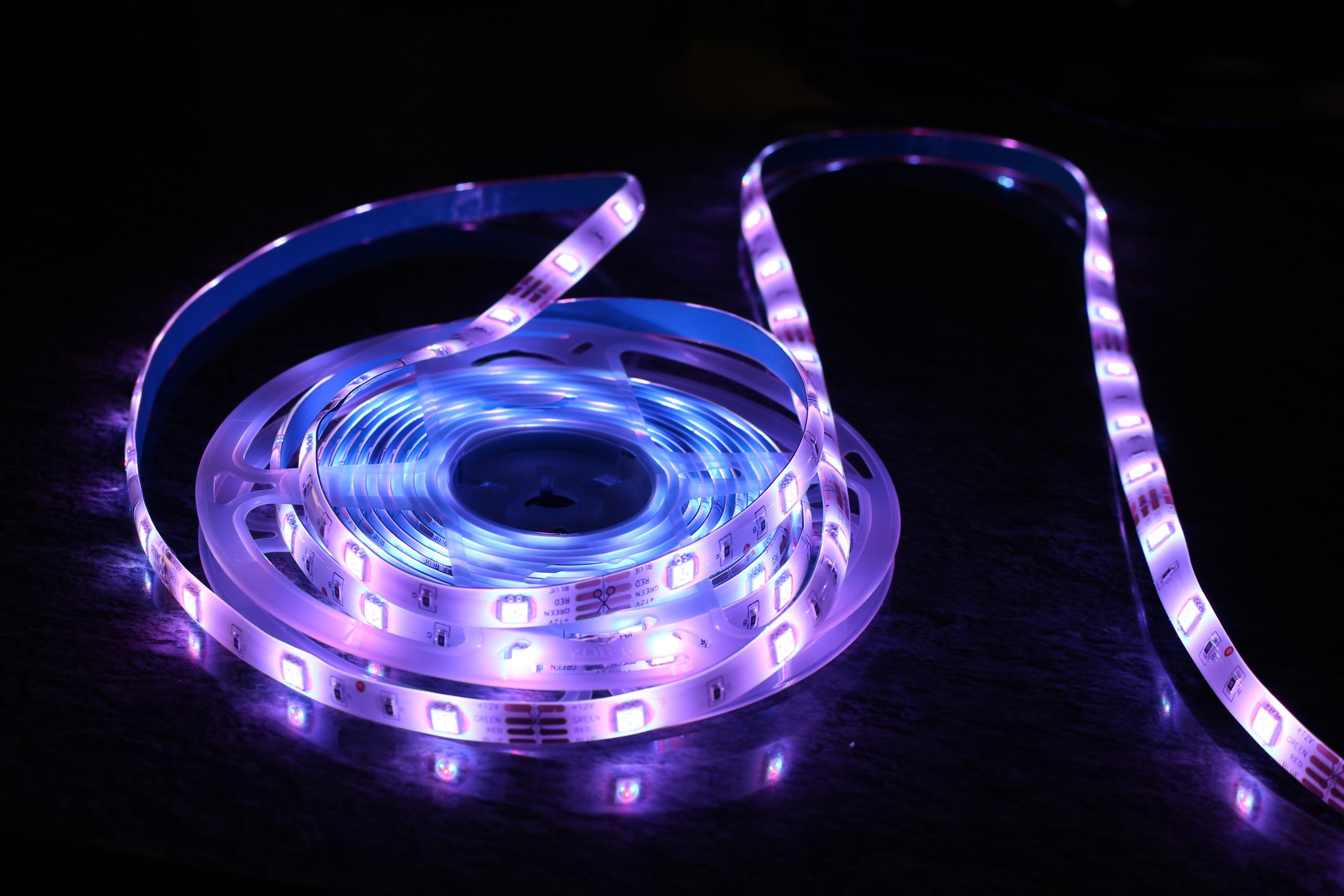
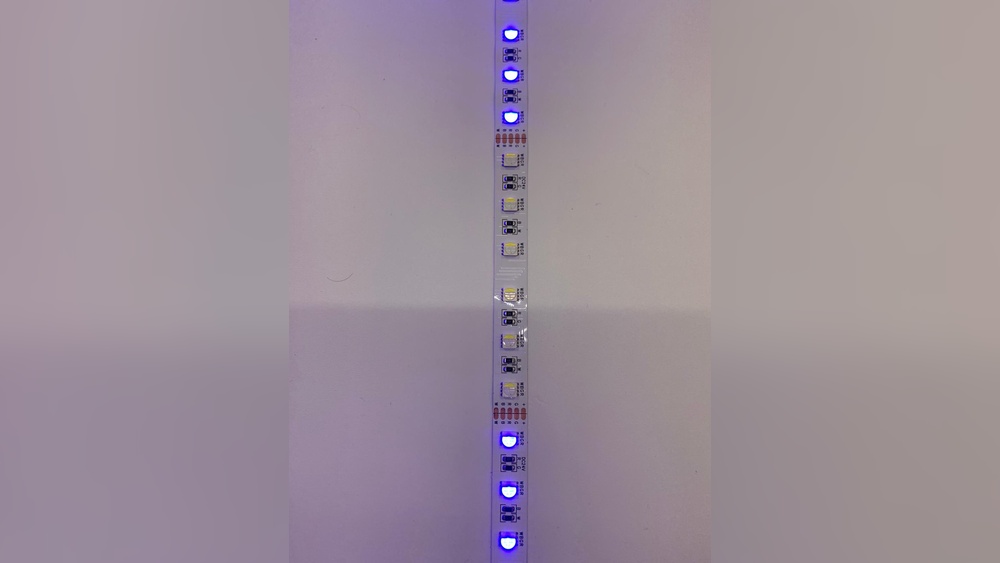
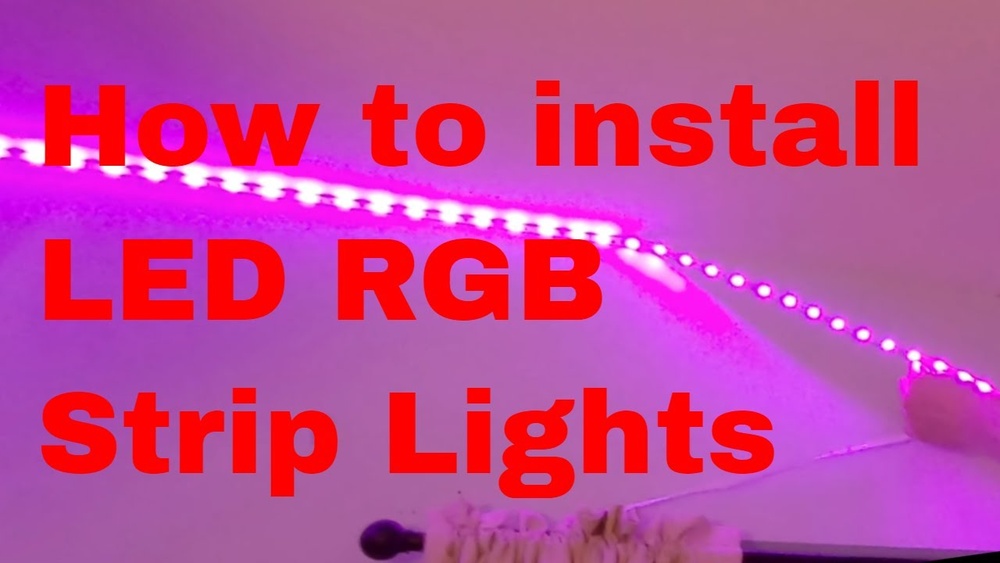
One case involved LED strip lights installed in a closet. The lights overheated and caught fire overnight. Another case was a faulty LED bulb in a lamp that sparked and started a small fire. There was also a report of an LED floodlight with poor wiring that caused a house fire.
Common Patterns
Most fires happen because of bad wiring or poor installation. Overheating is a frequent cause. Using low-quality LED products also raises the risk. Many incidents happen when LED lights run for a long time without breaks. Lack of proper ventilation around lights adds to the danger.
Lessons Learned
Always buy LED lights from trusted brands. Check the wiring and connections carefully. Avoid covering LED lights with flammable materials. Turn off lights when not needed. Make sure there is space for heat to escape. These steps reduce the chance of fire from LED lights.
Comparing Led Lights To Other Lighting Options
Comparing LED lights to other lighting options helps understand their safety and efficiency. Different lights have various designs, materials, and heat outputs. These factors affect the chances of causing fires and the overall performance of the lighting.
Incidence Of Fires
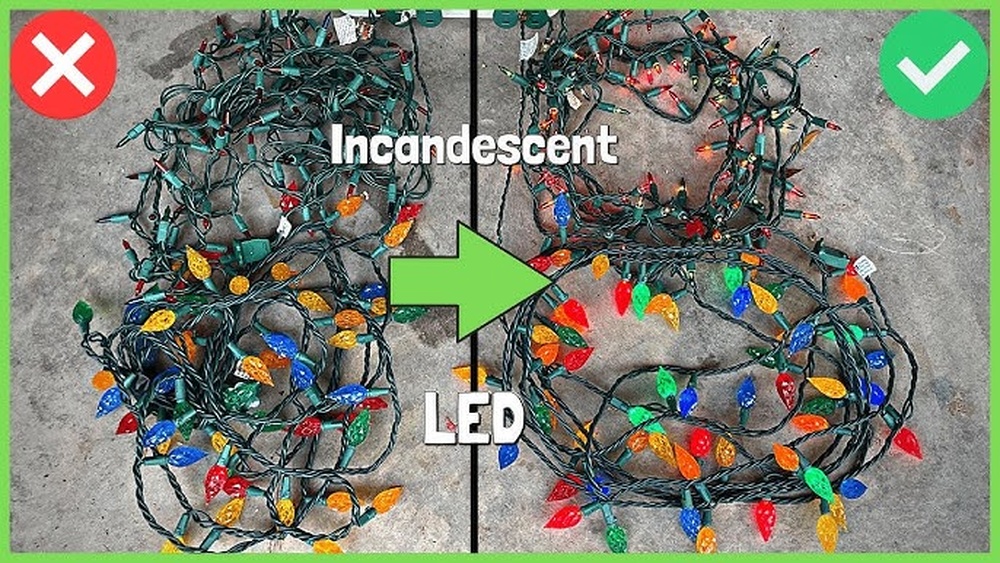
Incidents of fires caused by LED lights are rare. LEDs produce less heat than incandescent and halogen bulbs. High heat in older bulbs can ignite nearby materials. LEDs run cooler, reducing fire risks. Faulty wiring or poor installation cause most lighting fires, not the bulb type. Still, LED lights tend to be safer than traditional bulbs.
Energy And Safety Trade-offs
LED lights use less energy than many other bulbs. Lower energy use means less heat, which lowers fire risk. Incandescent bulbs use more power and get very hot. Halogen lamps also run hotter than LEDs. CFLs contain small amounts of mercury, posing a different safety concern. LEDs offer a good balance of energy saving and safety.
Long-term Reliability
LEDs last longer than most traditional bulbs. Their lifespan reduces the need for frequent replacements. Fewer replacements mean less chance of damage or faulty connections. LEDs also resist shocks and vibrations better. These factors make LEDs a reliable and safe choice over time.
Frequently Asked Questions
Can Led Lights Overheat And Cause Fires?
LED lights generate less heat than traditional bulbs, reducing fire risks. However, poor wiring or faulty fixtures can still cause overheating and fires. Always ensure proper installation and use certified LED products to minimize dangers.
Are Cheap Led Lights More Likely To Cause Fires?
Low-quality, cheap LED lights often lack safety certifications and use inferior materials. This increases the risk of electrical faults and fires. Investing in reputable brands with safety standards helps prevent fire hazards.
How To Prevent Fires From Led Lighting?
Use LED lights with proper wattage and certified safety marks. Avoid overloading circuits, and ensure fixtures have adequate ventilation. Regularly inspect wiring and connections to detect potential hazards early and maintain fire safety.
Can Led Driver Faults Cause Fires?
Yes, faulty LED drivers can cause electrical shorts or overheating. Using high-quality drivers and avoiding counterfeit products reduces fire risks. Proper installation and maintenance also help prevent driver-related fires.
Conclusion
LED lights rarely cause fires when used correctly. They produce less heat than traditional bulbs. Still, avoid using damaged or low-quality LED products. Proper installation and good wiring help prevent risks. Keep fixtures clean and well-ventilated for safety. Always follow the manufacturer’s instructions carefully.
Small steps protect your home and family. Safe lighting means peace of mind every day. Choose quality, stay cautious, and enjoy bright, safe spaces.




Leave a Reply