

Have you ever noticed feeling restless or uneasy when you’re around certain lights? You might be surprised to learn that LED lights, which are everywhere these days, could be playing a part in your anxiety.
If you’ve been wondering why your mood feels off or why your mind races under bright, flickering lights, this article is for you. Keep reading to discover how LED lights might affect your mental health and what simple changes you can make to feel better in your own space.
How Led Lights Affect Mood
LED lights are everywhere today. They brighten homes, offices, and streets. But their impact goes beyond just lighting up spaces. These lights can influence how people feel and think. Understanding this effect helps us manage mood and anxiety better.
Light affects the brain deeply. It can change energy levels, alertness, and emotional health. Not all light is the same. LED lights, in particular, have unique features that interact with brain chemistry in specific ways.
The Science Behind Light And Brain Chemistry
Light controls the brain’s internal clock. This clock guides sleep and wake cycles. It also affects hormone release, such as melatonin and serotonin. Melatonin helps us sleep, while serotonin boosts mood.
LED lights often emit more intense and blue-rich light. This light type can reduce melatonin production. Less melatonin means difficulty falling asleep. Poor sleep can then lead to mood swings and anxiety.
Brain chemicals respond quickly to changes in light. Bright light increases alertness and energy. Dim light signals the body to relax and prepare for rest. LED lights can disrupt this balance if used wrongly.
Blue Light Exposure And Emotional Health
Blue light is common in many LED bulbs. It has a strong effect on the brain. It boosts alertness but can also cause stress if overexposed.
Too much blue light late at night can confuse the brain. It tricks the brain into thinking it is daytime. This confusion delays sleep and affects mood the next day.
People exposed to high blue light levels may feel restless or anxious. Reducing blue light exposure in the evening can calm the mind. Using warm or dim lighting helps maintain a healthy mood.

Symptoms Linked To Led Light Exposure
LED lights are common in homes and offices. Many people wonder if these lights affect mental health. Some studies show LED lights can cause stress and anxiety. Recognizing symptoms helps manage any negative effects.
Symptoms from LED light exposure can appear in the body and mind. These signs often go unnoticed or are blamed on other causes. Knowing what to watch for can improve well-being.
Physical Signs Of Light-induced Stress
LED lights can cause headaches and eye strain. Some people feel tired even after rest. Neck and shoulder pain may also develop. These symptoms point to physical stress from light exposure. Bright or flickering LED lights increase these effects. Sensitivity varies from person to person.
Behavioral Changes And Anxiety
Changes in mood may happen with LED light exposure. Some feel restless or nervous without clear reason. Sleep problems often occur, making anxiety worse. Avoiding bright LED environments can reduce these feelings. Noticing these changes early can help find relief.
Research Findings On Led Lights And Anxiety
Research on LED lights and anxiety shows mixed results. Scientists study how LED lights affect the brain and mood. Some research finds a link between LED lights and anxiety. Others see no clear connection. Understanding these findings helps us know how light impacts mental health.
Studies Supporting A Connection
Some studies suggest LED lights can increase anxiety. Bright or flickering LED lights may cause stress. The blue light in LEDs can affect sleep patterns. Poor sleep often leads to higher anxiety levels. Certain people feel more sensitive to LED light. These studies show a possible link to anxiety symptoms.
Contradictory Evidence And Limitations
Other studies find no strong evidence that LEDs cause anxiety. Many experiments use small groups or short times. Results often vary due to different methods. Some research says anxiety comes from other factors. LED light alone might not trigger anxiety. More research is needed to understand the full impact.
Factors That Influence Sensitivity
Sensitivity to LED lights varies widely among people. Several factors affect how light influences anxiety and mood. Understanding these factors helps explain why some feel uneasy under LED lighting while others do not.
Light sensitivity depends on personal traits and surroundings. Both play a role in how the brain reacts to LED lights. These influences may increase or reduce feelings of anxiety.
Individual Differences In Light Sensitivity
Each person’s eyes and brain respond differently to light. Some have more sensitive retinas, making bright or flickering lights uncomfortable. Others may be more prone to anxiety due to their nervous system’s reaction to light changes.
People with conditions like migraine or epilepsy often notice stronger effects. Their brains are more reactive to light stimuli. Age and overall eye health also affect light sensitivity. Younger and older individuals might feel more discomfort from LED lights.
Environmental And Lifestyle Contributors
The environment where LED lights are used matters. Bright, flickering, or harsh LED lights in work or home settings can increase stress. Poor lighting setups without natural light may worsen anxiety symptoms.
Lifestyle habits also influence light sensitivity. Lack of sleep and high stress levels make people more vulnerable to light-induced anxiety. Spending long hours in front of screens with LED backlights can add strain.
Ways To Reduce Anxiety From Led Lights
LED lights can sometimes cause anxiety by affecting the eyes and brain. Adjusting your environment can help reduce this feeling. Simple changes to lighting can make a big difference in comfort and mood. Below are some easy ways to lower anxiety caused by LED lights.
Adjusting Light Intensity And Color
Lower the brightness of LED lights to avoid harsh glare. Use dimmable LEDs to control light levels throughout the day. Choose warm-colored LEDs instead of cool blue ones. Warm light feels softer and less stressful. Adjusting color temperature helps create a calm atmosphere.
Using Filters And Protective Eyewear
Install filters on LED lights to reduce flicker and blue light. Filters soften harsh light and protect your eyes. Wearing blue light blocking glasses can also help. These glasses reduce eye strain and improve comfort. Protective eyewear works well during long exposure to LEDs.
Creating A Balanced Lighting Environment
Mix natural light with LED lighting for balance. Avoid using only one light source in a room. Place lights in different areas to spread light evenly. Use soft lamps or indirect lighting to reduce shadows. Balanced lighting helps your eyes relax and lowers anxiety.

Alternatives To Led Lighting
LED lights are popular and energy-saving. Yet, some people feel uneasy or anxious around them. Choosing different lighting can help reduce these feelings. There are many options that offer gentle, comfortable light. These alternatives can create a calm and cozy space without the harshness of LED lighting.
Natural Light Options
Natural light is the best source for a calm environment. Sunlight helps improve mood and reduce stress. Large windows let in plenty of daylight. Skylights brighten rooms with soft, natural light. Using sheer curtains can soften sunlight without blocking it. Spending time outside also boosts well-being and lowers anxiety. Natural light changes through the day, making spaces feel alive.
Other Artificial Lighting Solutions
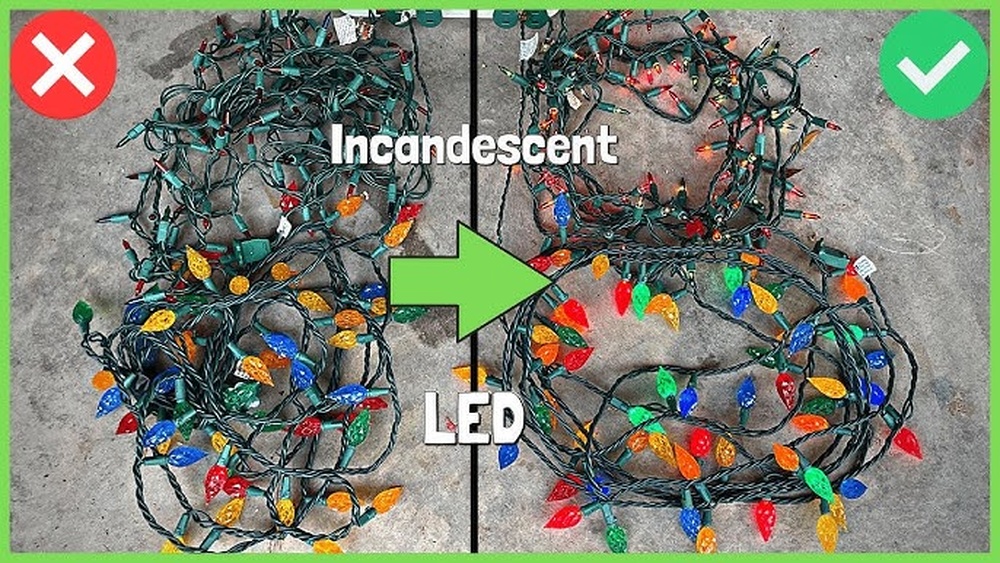
Warm incandescent bulbs give off soft, steady light. They are gentle on the eyes and create a relaxing mood. Fluorescent lights can be harsh but using diffusers helps. Candlelight offers a warm glow that soothes and calms nerves. Salt lamps provide soft, amber light that many find comforting. Dimmable lamps allow control over light intensity for comfort. These options reduce the sharpness found in some LEDs.

Frequently Asked Questions
Can Led Lights Trigger Anxiety Symptoms?
Yes, certain LED lights can trigger anxiety symptoms. Flickering or overly bright LEDs may cause discomfort, leading to increased stress or anxiety in sensitive individuals.
Why Do Led Lights Cause Anxiety In Some People?
LED lights may cause anxiety due to their flicker and blue light emission. These factors can affect brain activity and disrupt mood regulation.
How Can Led Lighting Affect Mental Health?
LED lighting, especially harsh or flickering types, can strain the eyes and nervous system. This strain may contribute to feelings of anxiety or restlessness.
Are All Led Lights Linked To Anxiety?
Not all LED lights cause anxiety. Quality LEDs with stable, flicker-free light and warmer tones are less likely to affect mental well-being.
Conclusion
LED lights can affect some people’s mood and feelings. Bright or flickering lights might cause discomfort or anxiety in sensitive individuals. Choosing softer, warmer light can help reduce stress. Everyone reacts differently to light, so pay attention to your own feelings.
Creating a calm space with the right lighting matters. Simple changes can make a big difference in how you feel. Stay aware and adjust your environment for comfort and peace.

Leave a Reply