


Are you wondering if LED lights can really help your plants grow? You’re not alone.
Many plant lovers face the challenge of finding the right light to keep their greenery healthy, especially indoors. What if you could use a simple, energy-saving light source that fits perfectly in your home? Keep reading, because understanding how LED lights work for plants could change the way you care for your green friends—and help them thrive like never before.

Benefits Of Led Lights For Plants
LED lights have many benefits for plants. They help plants grow better and save energy. Many gardeners now choose LED lights for indoor and outdoor plants. These lights offer clear advantages over traditional lighting options.
Energy Efficiency And Cost Savings
LED lights use less electricity than other bulbs. They turn more energy into light, not heat. This cuts energy bills for plant growers. Less heat means plants stay safe from burns. Over time, these savings add up to lower costs.
Customizable Light Spectrum
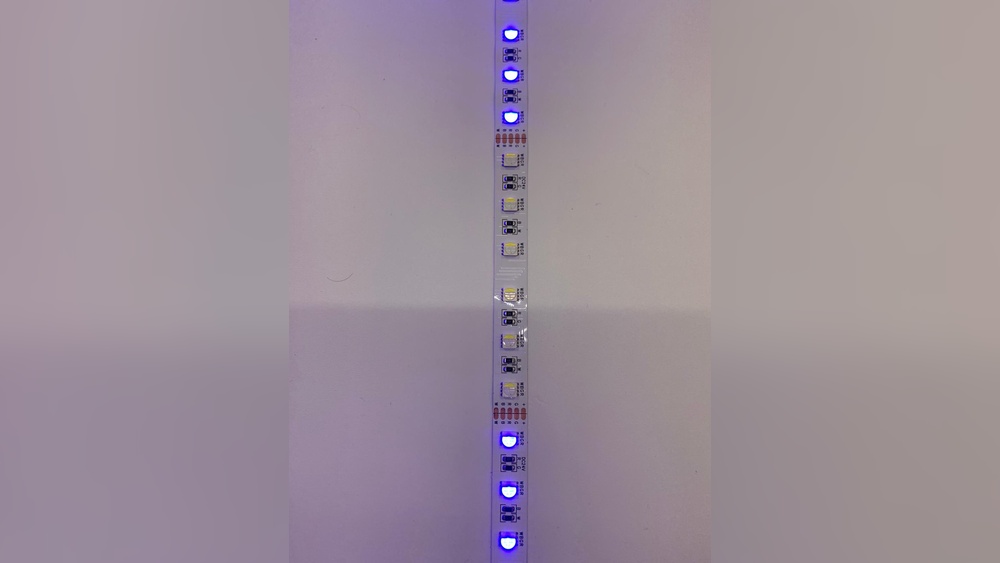
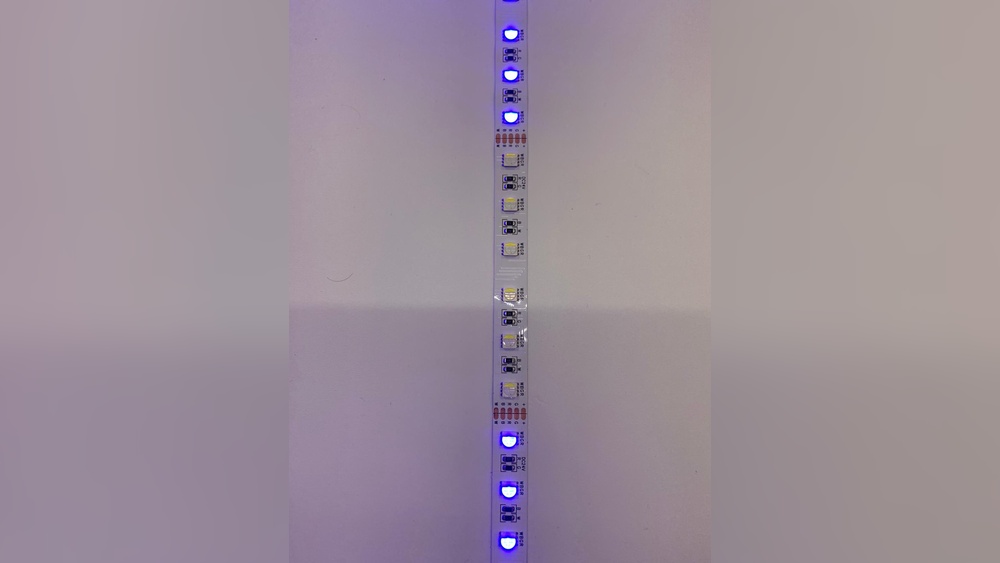
LED lights can produce different colors of light. Plants need specific colors to grow well. Red and blue lights help with photosynthesis. Growers can adjust LED lights to match plant needs. This flexibility improves plant health and growth speed.
Long Lifespan And Durability
LED lights last much longer than regular bulbs. They can work for tens of thousands of hours. This reduces the need to replace lights often. LED lights are strong and resist damage. This makes them perfect for various growing environments.
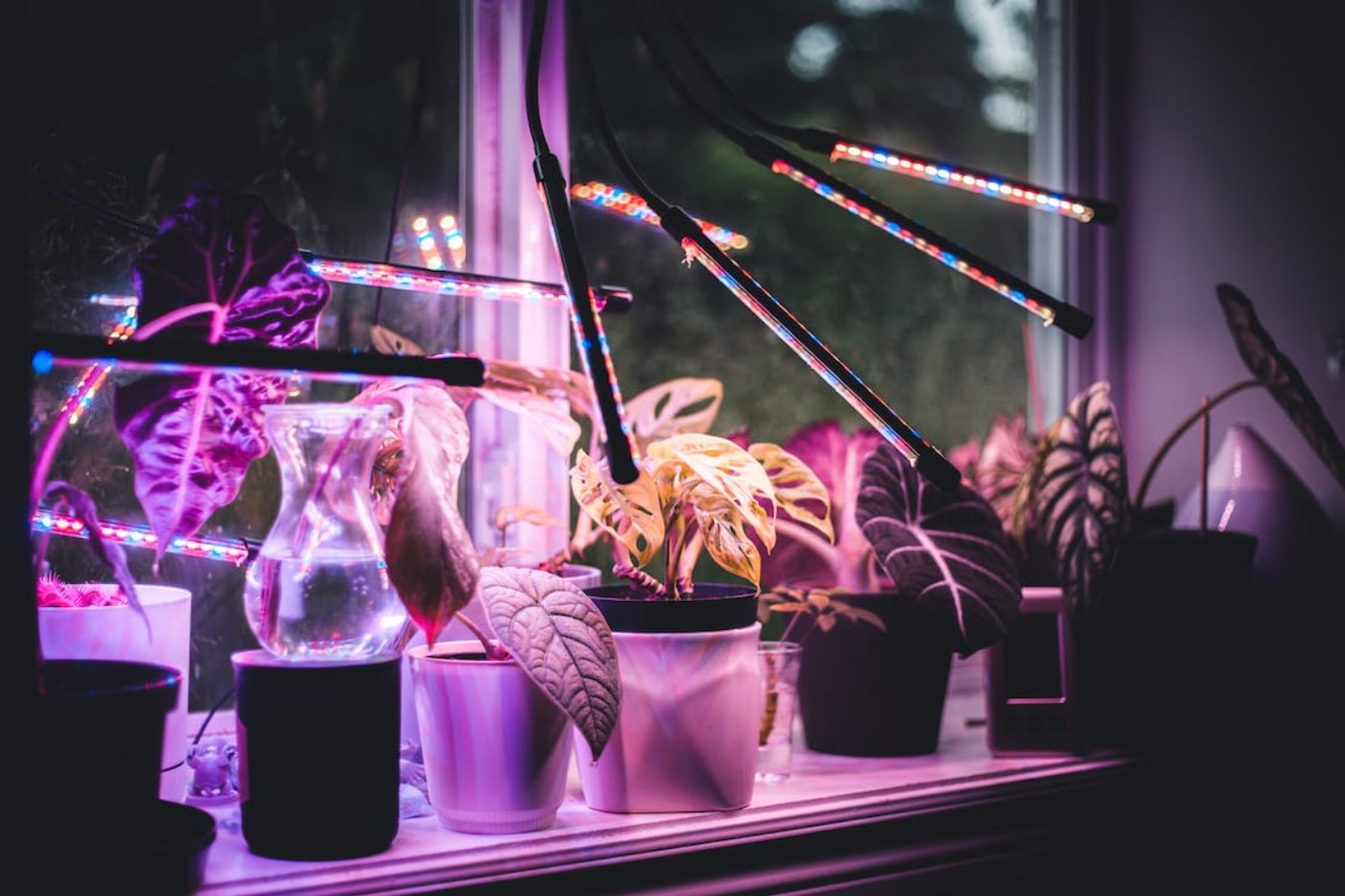
How Led Lights Affect Plant Growth
LED lights have become popular for indoor gardening and plant growth. They offer a way to control light exposure, which is vital for healthy plants. Understanding how LED lights affect plant growth can help gardeners use them better.
Photosynthesis And Light Spectrum
Plants use light to make food through photosynthesis. Different colors of light affect this process differently. LED lights can produce specific colors that plants need most. Red and blue lights are very important for photosynthesis. Red light helps plants grow flowers and fruits. Blue light supports leaf and stem growth. LEDs can be tuned to give the right light spectrum. This helps plants grow efficiently indoors.
Impact On Different Growth Stages
Plants need different light types during their growth stages. Seedlings need more blue light to grow strong leaves. During flowering, plants benefit from more red light. LED lights can change colors to match these needs. This helps plants grow faster and healthier. Using the correct light at each stage improves plant quality and yield.
Comparing Led To Traditional Lighting
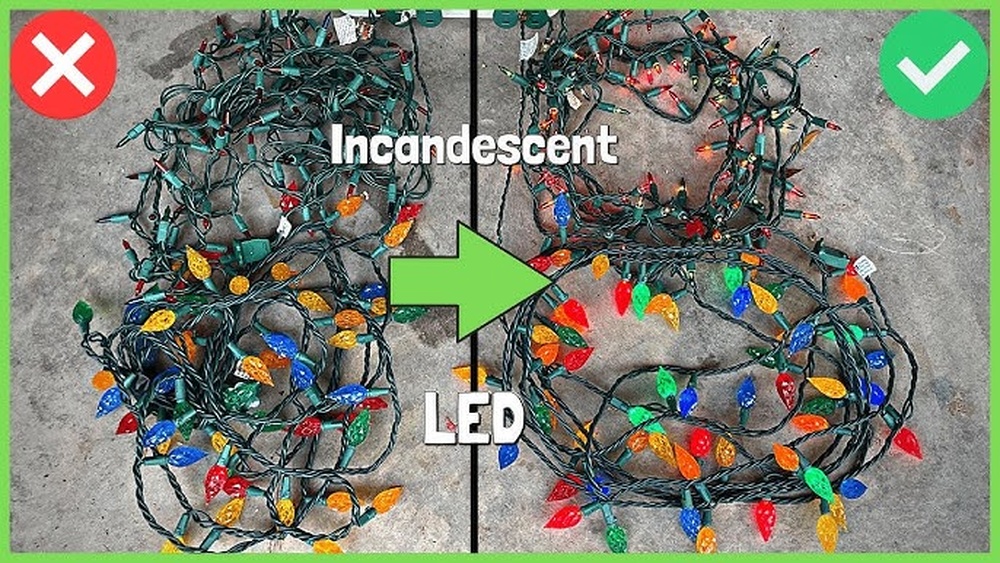
Traditional lights like incandescent and fluorescent use more energy. They also give off extra heat that can harm plants. LED lights use less power and produce less heat. This makes LEDs safer for close plant use. LEDs last longer and need less replacement. Their light can be adjusted to suit plant needs better than traditional bulbs.
Choosing The Right Led Lights
Choosing the right LED lights is key for healthy plant growth. The right light helps plants grow strong and produce more leaves or flowers. Not all LED lights work well for every plant type. Understanding what to pick can save time and energy.
Types Of Led Grow Lights
There are several types of LED grow lights. Some are full-spectrum, meaning they give all colors of light plants need. Others are single-spectrum and focus on specific colors. Choose full-spectrum lights for general plant growth. Use single-spectrum lights for special growth stages like flowering.
Wattage And Coverage Area
Wattage shows how much power the light uses. Higher wattage means more light output. Check the coverage area to match your plant space. Small pots need less light and low wattage. Bigger gardens need higher wattage and larger coverage. Proper wattage ensures plants get enough light without wasting energy.
Color Spectrum For Various Plants
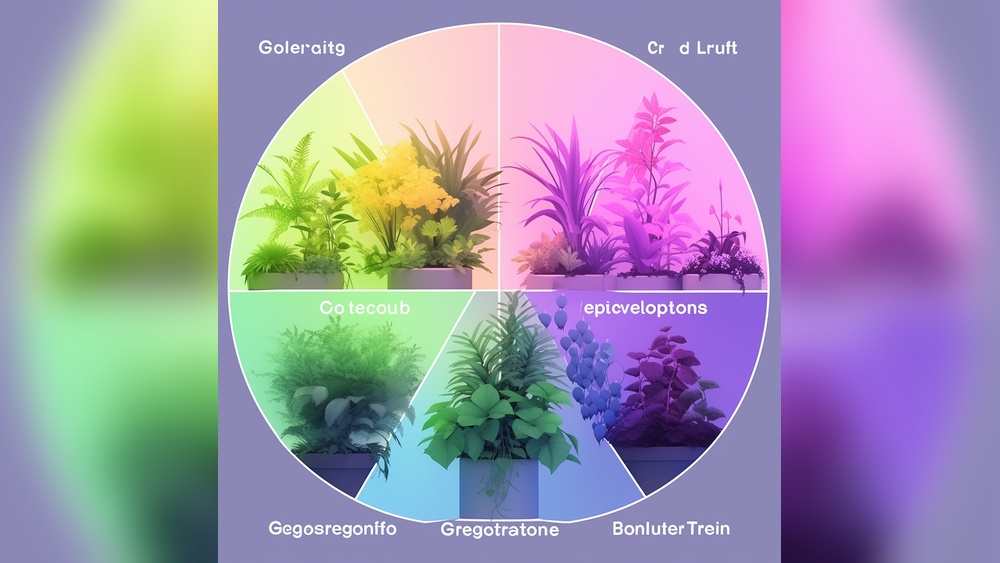
Different plants need different light colors. Blue light helps leaves grow strong. Red light supports flowering and fruiting. Many LED grow lights mix blue and red. Some also add green and white for a natural look. Adjust light color based on your plant’s growth stage for best results.
Setting Up Led Lights For Plants
Setting up LED lights for plants requires careful attention to several factors. Proper setup helps plants grow strong and healthy. It also saves energy and avoids light stress. Understanding distance, timing, and light sources is important for good results.
Optimal Distance And Positioning
Place LED lights at the right distance from plants. Too close can burn leaves. Too far can make plants weak. A good range is usually 12 to 24 inches. Adjust based on your LED type and plant size. Position lights above the plants for even coverage. Avoid shadows and dark spots.
Light Duration And Timing
Plants need a specific amount of light each day. Most plants grow well with 12 to 16 hours of light. Use a timer to keep the schedule steady. Turn off lights at night to give plants rest. Consistent light helps plants develop leaves and flowers.
Combining Leds With Natural Light
LED lights work well with natural sunlight. Use LEDs to fill gaps in daylight. This helps plants get enough light during cloudy days or winter. Place plants near windows for natural light. Switch on LEDs when natural light is low. This mix supports healthy growth and saves energy.
Common Mistakes With Led Plant Lighting
Using LED lights for plants can be very effective. But many people make common mistakes that hurt plant growth. These errors stop plants from getting the right light they need. Knowing these mistakes helps you avoid them and keep plants healthy.
Overexposure And Light Burn
Too much light can harm plants. LED lights left too close or on for too long cause light burn. Leaves may turn brown or dry out. Plants need a balance between light and rest. Use timers and keep lights at a safe distance.
Ignoring Spectrum Needs
Plants need different light colors to grow well. Blue light helps leaves grow strong. Red light helps flowers and fruits. Some LEDs do not have the right colors. Using the wrong spectrum slows plant growth. Choose LEDs made for plant growth.
Neglecting Heat Management
LEDs produce some heat. If not managed, heat can stress plants. It can dry soil and leaves. Use fans or heat sinks to cool the area. Keep a good distance between lights and plants for safety.
Maximizing Growth With Led Lighting
LED lights offer a great way to help plants grow indoors. They use less energy and produce less heat than other lights. This makes them safe and effective for growing plants. To get the best results, understanding how to use LED lights properly is key. Small changes can lead to big improvements in plant health and growth.
Using Timers And Light Schedules
Plants need a regular light cycle to grow well. Timers help keep the light on and off at set times. This mimics natural sunlight patterns. Most plants grow best with 12 to 16 hours of light each day. Timers make it easy to follow this schedule without guesswork. They also save energy by turning lights off when not needed.
Monitoring Plant Response
Watch your plants closely after setting up LED lights. Look for signs of good growth like green leaves and strong stems. If leaves turn yellow or look weak, the light may be too strong or too weak. Adjust the setup and observe changes. Taking notes helps track what works best for each plant type.
Adjusting Light Intensity
Different plants need different light strengths. Some need bright light, while others prefer lower levels. Most LED lights allow you to change brightness. Start with medium intensity and change based on plant response. Keep lights far enough to avoid burning leaves. Adjust slowly to find the perfect balance.
Led Lights For Different Plant Types
LED lights offer many benefits for growing plants indoors. Different plant types need different light colors and intensities. Using the right LED light can help plants grow healthy and strong. Below, learn how LED lights suit various plant groups.
Vegetables And Herbs
Vegetables and herbs need bright light to grow well. Red and blue LED lights work best for them. Blue light helps leaves grow, while red light supports flowers and fruit. Many gardeners use LED lights to grow lettuce, basil, and tomatoes indoors.
Flowering Plants
Flowering plants need more red light to bloom. LED lights with a higher red spectrum encourage flowers to open. Pink or purple LED bulbs combine red and blue light for strong blooms. Gardeners use these lights for orchids, roses, and African violets.
Succulents And Indoor Foliage
Succulents need less intense light than vegetables. Cool white or full-spectrum LED lights work well. These lights mimic sunlight and help succulents stay green and firm. Indoor foliage plants also thrive with moderate light, making LED lights perfect for living rooms or offices.
Troubleshooting Led Growth Issues
Using LED lights for plants can boost growth effectively. Still, some issues may arise during the process. Troubleshooting LED growth problems helps keep your plants healthy and strong. Spotting problems early saves time and energy.
Identifying Light Deficiency
Light deficiency happens when plants do not get enough light. Signs include slow growth and pale leaves. Plants may stretch toward the light source. Check the distance between the LED and plants. Move the light closer if it is too far. Ensure the light is on for 12 to 16 hours daily. Use a timer to keep light consistent.
Dealing With Leggy Growth
Leggy growth means plants grow tall with thin stems. This happens when light is weak or uneven. Plants stretch to find more light. Increase light intensity or add more LEDs. Adjust the angle so light reaches all parts. Trim leggy stems to encourage new growth. Strong stems support healthy leaves and flowers.
Correcting Color Imbalances
LED lights come in different colors affecting plant growth. Blue light helps leaves grow strong. Red light supports flowers and fruit. Too much of one color causes problems. Yellow or brown leaves show color imbalance. Use full-spectrum LEDs or mix red and blue. Change settings to balance light colors. Balanced light helps plants grow fully and healthily.
Frequently Asked Questions
Can Led Lights Support Plant Growth Effectively?
Yes, LED lights can support plant growth effectively. They provide specific light wavelengths ideal for photosynthesis. LEDs are energy-efficient and produce less heat, making them safe for indoor plants. Properly chosen LEDs can enhance plant health and growth indoors.
What Colors Of Led Lights Are Best For Plants?
Red and blue LED lights are best for plants. Red light promotes flowering and fruiting, while blue light supports leaf growth. Many grow lights combine these colors to optimize plant development. Using the right spectrum improves photosynthesis and plant vitality.
Are Led Grow Lights Better Than Traditional Lights?
LED grow lights are better than traditional lights. They consume less energy and last longer, reducing costs. LEDs emit targeted light spectra, enhancing plant growth. They produce less heat, lowering the risk of plant damage. Overall, LEDs offer a more efficient lighting solution.
How Long Should Plants Be Exposed To Led Lights?
Plants should be exposed to LED lights for 12 to 16 hours daily. This duration mimics natural sunlight and supports healthy growth. Too much light can stress plants, while too little slows growth. Adjust timing based on plant species and growth stage.
Conclusion
LED lights can help plants grow well indoors. They use less energy and last a long time. Plants need the right light color and amount to thrive. Using LED lights allows control over these factors. This makes them a good choice for home gardeners.
Choose LED lights designed for plants to get the best results. Simple, affordable, and effective—LED lights support healthy plant growth. Give your plants the light they need and watch them flourish.



Leave a Reply