
Where are Led Lights Made: Discover Global Manufacturing Secrets
Affiliate links — we may earn a commission
Have you ever wondered where LED lights are actually made? Knowing the origin of the lights you use every day can change the way you choose and trust them.
Whether you’re upgrading your home, office, or outdoor space, understanding where these lights come from helps you make smarter decisions. Keep reading, and you’ll discover the surprising places behind the LED lights that brighten your world—and how this knowledge can benefit you.

Global Led Manufacturing Hubs
LED lights have become essential in homes, offices, and streets worldwide. Their production is spread across several global hubs. These hubs are centers of technology, labor, and innovation. They shape the supply and price of LED products everywhere.
Understanding where LED lights are made helps us see the industry’s strength and reach. Each region offers unique advantages. Some focus on volume, others on quality or new technology.
Asia’s Dominance In Production
Asia leads the world in LED manufacturing. Countries like China, South Korea, and Taiwan have large factories. They produce most of the LED lights used globally. Low labor costs and strong supply chains boost their output. Asia also invests heavily in LED research and development. This keeps them ahead in technology and production methods.
Key Players In North America
North America focuses on high-quality LED products. The United States and Canada host several key manufacturers. They specialize in advanced LED designs and smart lighting. These companies often serve niche markets. Their products usually have better energy efficiency and longer lifespans. The region also leads in LED software and control systems.
Emerging Markets In Europe And Beyond
Europe is growing in the LED industry. Countries like Germany and the Netherlands invest in green lighting solutions. They focus on eco-friendly and energy-saving LEDs. Some firms in Eastern Europe also start making LEDs. Other regions, including India and Latin America, show rising LED production. These emerging markets aim to reduce imports and grow local industries.
Top Countries Leading Led Production
LED lights have become a vital part of daily life. Many countries produce these energy-saving lights. Some countries lead the market with advanced technology and large-scale production. Their expertise shapes the global LED industry.
China’s Manufacturing Powerhouse
China is the biggest producer of LED lights worldwide. Factories there make LEDs in huge numbers. The country offers low costs and fast production. Many top brands have factories in China. This helps supply the global demand effectively.
South Korea’s Technological Edge
South Korea focuses on LED technology and research. Companies invest in creating better and brighter LEDs. Their products often have high efficiency and long life. South Korea leads in developing new LED materials. This boosts the quality and performance of LEDs.
Japan’s Quality And Innovation
Japan is known for precise manufacturing and innovation. Japanese firms produce high-quality LED components. Their LEDs are reliable and used in many devices. Japan invests in research to improve LED designs. The country balances quality with energy efficiency.
Materials And Components Sourcing
Sourcing materials and components is a key step in making LED lights. Each part affects the light’s quality and durability. Manufacturers pick materials from different places worldwide. This process impacts the cost and availability of LED lights.
Semiconductor Materials
The heart of an LED is the semiconductor. It controls the light emission. Most LEDs use gallium nitride (GaN) or gallium arsenide (GaAs). These materials must be pure to work well. Factories get them from specialized suppliers. The quality of these semiconductors impacts brightness and energy use.
Phosphors And Housing
Phosphors change the LED’s color by converting light waves. They come in powders or films. Producers source phosphors from chemical manufacturers worldwide. The housing protects the LED chip. It is usually plastic or glass. This part also helps spread the light. Suppliers provide these parts based on design needs.
Global Supply Chain Challenges
LED parts come from many countries. Shipping delays and raw material shortages can slow production. Prices may rise during these times. Factories must plan ahead to avoid disruptions. Some companies try to find local suppliers. The goal is to keep making LEDs without delay.
Manufacturing Processes And Techniques
The manufacturing of LED lights involves careful steps to ensure high quality and efficiency. Each stage uses specific techniques to create reliable and bright LED products. The process starts with making the basic LED chip and ends with testing the finished product. Understanding these steps helps to know how LED lights are made.
Wafer Fabrication
Wafer fabrication begins with a thin slice of semiconductor material, usually silicon. This wafer forms the base for the LED chip. Layers of materials are added to create the light-emitting structure. These layers are very thin and precise. The wafer is then cut into many small pieces called dies. Each die becomes one LED chip.
Chip Packaging And Assembly
After wafer fabrication, the chips move to packaging and assembly. Chips are placed on a small base that helps with heat and electrical connections. A lens or dome covers the chip to protect it and focus the light. Leads or wires are attached to connect the LED to a power source. This step also shapes the LED for different uses.
Quality Control Measures
Quality control is critical in LED manufacturing. Each LED is tested for brightness, color, and power use. Defective LEDs are removed to keep quality high. Some tests check how long the LED will last. These checks ensure the final product works well and lasts long.
Environmental And Ethical Practices
LED lights are made with growing attention to environmental and ethical practices. Factories aim to lower pollution and ensure fair work conditions. These efforts help protect nature and support workers worldwide. Understanding these practices gives more trust in the products we use daily.
Sustainable Production Initiatives
Many LED manufacturers use renewable energy sources like solar or wind power. They design processes to reduce water and energy use. Some factories limit harmful chemicals to protect the environment. Sustainable materials, such as recycled metals, are also common. These steps help lower the carbon footprint of LED production.
Labor Standards Across Regions
Workers in LED factories deserve safe and fair conditions. Companies follow rules to provide fair wages and reasonable work hours. Some regions have strict laws to protect workers’ rights. Independent groups often check factories to ensure ethical treatment. Fair labor practices improve workers’ lives and product quality.
Recycling And Waste Management
LED production creates waste that needs careful handling. Factories separate and recycle metal scraps and electronic parts. Some use closed-loop systems to reuse materials repeatedly. Proper waste disposal prevents pollution of air, soil, and water. Recycling programs make LED production cleaner and more responsible.

Future Trends In Led Manufacturing
The future of LED manufacturing shows many exciting changes. These changes will shape how LEDs are made and used worldwide. New methods and locations will affect cost and quality. Technology will make factories smarter and more efficient.
Automation And Smart Factories
Robots and machines now handle many LED production tasks. Smart factories use sensors and data to improve work. This reduces errors and speeds up manufacturing. Workers focus on monitoring and fixing machines. Automation cuts costs and raises product quality.
Innovations In Led Technology
LEDs are becoming brighter and more energy-saving. New materials help LEDs last longer and shine better. Flexible and tiny LEDs open new uses in devices and lighting. Scientists work on making LEDs more eco-friendly. These advances create better lighting for homes and cities.
Shifts In Manufacturing Locations
Many LED factories move closer to markets and raw materials. Countries invest in local production to reduce shipping costs. Some regions offer cheaper energy and labor. This changes the global map of LED making. Local factories help supply faster and cut pollution.
Frequently Asked Questions
Where Are Led Lights Primarily Manufactured?
LED lights are mainly manufactured in China, South Korea, and Taiwan. These countries have advanced technology and large production facilities, making them global leaders in LED manufacturing.
Which Countries Lead In Led Chip Production?
South Korea, Japan, and Taiwan lead in LED chip production. These countries invest heavily in research and development for high-quality LED chips.
Are Led Lights Made Using Eco-friendly Materials?
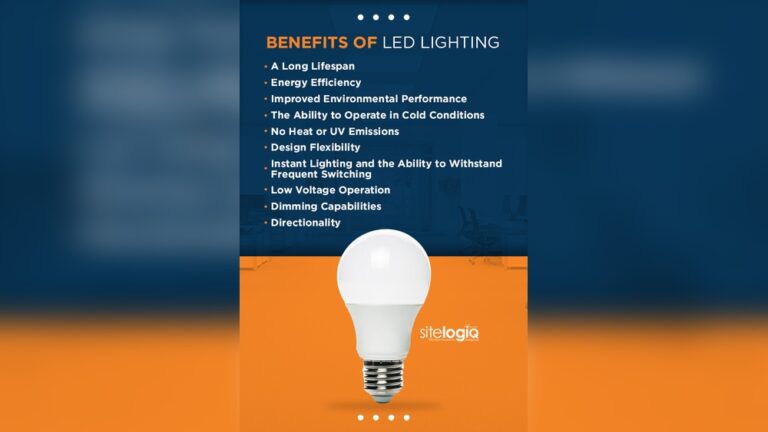
Many LED manufacturers use eco-friendly materials to reduce environmental impact. LED lights consume less energy and have longer lifespans compared to traditional bulbs.
How Does The Manufacturing Location Affect Led Quality?
Manufacturing location influences LED quality through technology and standards. Countries with strict quality control produce more reliable and efficient LED lights.
Conclusion
LED lights come from many countries, especially in Asia. China leads in producing most LED parts and bulbs. Factories there use advanced technology and large workforces. Other countries like South Korea, Japan, and the USA also make quality LED lights.
Knowing where LED lights are made helps buyers choose better products. Quality and price can vary depending on the place of manufacture. Always check product details before buying. This way, you get good value and long-lasting LED lights for your needs.

Alex Navarro
Hi, I'm leds.to, the founder of the world's #1 LED lighting review site. At leds.to, we strive to provide you with the most comprehensive and reliable reviews on LED lighting products. Whether you're looking for car LEDs, super bright LEDs, or even grow light LEDs, you'll find all the information you need right here on our site. With years of experience in the industry, I'll guide you towards making the best purchasing decisions for your lighting needs. Trust me to shed light on the world of LEDs and help you find the perfect lighting solutions.