Why Don’T My Led Lights Work Anymore: Troubleshoot Fast & Easy
Affiliate links — we may earn a commission
Are your LED lights suddenly not working anymore? It can be really frustrating when your bright, energy-saving lights stop shining without warning.
You might be wondering why this is happening and what you can do to fix it. Don’t worry—you’re not alone, and there are simple reasons behind this common problem. You’ll discover the most likely causes and easy steps to get your LED lights glowing again.
Keep reading to find out how to bring light back into your space without stress.

Common Reasons Led Lights Fail
LED lights are popular for their brightness and energy savings. Still, they can stop working for several reasons. Knowing common causes helps you fix them faster.
Many LED failures happen due to simple issues with power or wiring. Other times, the LED itself may be damaged. Some problems come from using the wrong parts together.
Power Supply Issues
LED lights need a steady power supply. Voltage that is too high or too low can cause failure. A faulty power adapter or driver can also stop LEDs from working. Check if the power source delivers the correct voltage.
Faulty Wiring Connections
Loose or broken wires often cause LED lights to fail. Poor connections prevent electricity from reaching the LEDs. Wires can become damaged over time or during installation. Inspect wiring carefully for any signs of wear or disconnection.
Burned Out Leds
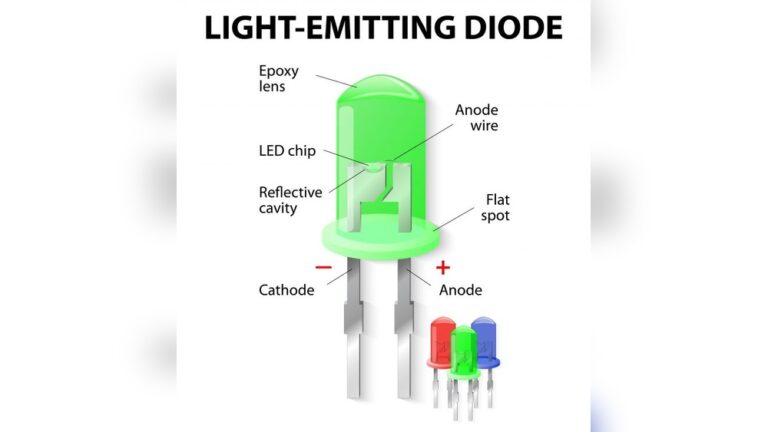
Though LEDs last long, they can burn out eventually. Overheating is a common cause of burnout. Without proper heat management, the LED chip gets damaged. Replace burned out LEDs to restore light.
Incompatible Dimmer Switches
Not all dimmer switches work with LED lights. Using the wrong dimmer can cause flickering or failure. LED-compatible dimmers control current correctly. Make sure your dimmer matches your LED light type.
Quick Checks Before Replacing
Before replacing your LED lights, try some quick checks. These can save time and money. Many LED problems come from small issues. Fixing them might be easy. Start with simple steps to find the cause.
Test The Power Source
Check if the power source works well. Use a different outlet or socket. Make sure the switch is on. Sometimes, the power supply might have a problem. Testing it first helps avoid unnecessary replacements.
Inspect The Bulb And Socket
Look closely at the LED bulb and socket. Dirt or dust can stop the connection. Clean both parts gently with a dry cloth. Check if the bulb fits properly in the socket. Loose bulbs may not light up.
Look For Visible Damage
Examine the LED light for cracks or burns. Broken parts can stop the light from working. Check the wiring for cuts or frays. Damage like this can cause failure. Replace only if you see clear signs of damage.
Fixing Power Problems
Power problems cause many LED lights to stop working. These issues are often easy to fix. Check the power source and connections first. Small steps can bring your lights back to life quickly.
Reset Circuit Breakers
Circuit breakers protect your home from electrical problems. Sometimes, they trip and cut power to your LED lights. Find your breaker box and look for a switch that is off or in the middle. Flip it off and then back on. This can restore power to your lights.
Replace Faulty Adapters
LED lights need adapters to work. Adapters convert power to the correct type and voltage. A broken adapter stops power flow. Check if your adapter feels warm or damaged. Replace it with one that matches your LED lights to fix the issue.
Check Voltage Compatibility
LED lights require a specific voltage to operate. Using the wrong voltage can cause them to fail. Look at the label on your LED lights and power source. Make sure they match perfectly. Correct voltage keeps your lights bright and safe.
Wiring And Connection Tips
Wiring and connections play a big part in LED lights working well. Poor wiring can stop lights from shining bright. Checking connections helps keep lights on and safe. Simple fixes often solve the problem fast.
Follow these tips to keep your LED lights working strong. Proper wiring makes a big difference.
Secure Loose Wires
Loose wires cause flickering or no light at all. Make sure all wires fit tightly in their places. Use a screwdriver to tighten wire terminals if needed. Check wires regularly for wear or damage. Secure wires with clips or ties to avoid movement.
Avoid Overloading Circuits
Too many lights on one circuit can cause failure. Each circuit has a limit for power use. Know your circuit’s capacity before adding more LEDs. Spread lights over different circuits to reduce load. Overload can cause breakers to trip and lights to go out.
Use Proper Connectors
Not all connectors work well with LED lights. Use connectors made for low voltage and LED use. Good connectors prevent shorts and keep a steady flow of power. Avoid twisting wires together without a connector. Proper connectors keep your setup safe and lasting longer.
When To Replace Led Lights
Knowing when to replace LED lights saves time and avoids frustration. LED lights usually last longer than traditional bulbs, but they do wear out. Recognizing the right time to change them helps keep your space well-lit and energy efficient.
Signs Of Burnout
Burnout means the LED light stops working completely. The bulb may show dark spots or not light up at all. Sometimes, the light dims slowly before going out. These are clear signs it needs replacing. Do not ignore these signals to avoid sudden darkness.
Dealing With Flickering Lights
Flickering lights can be annoying and harmful to your eyes. It often means the LED is failing or there is a wiring issue. If the flicker is constant and not fixed by tightening the bulb, replacement is best. Flickering may also suggest power problems that need checking.
Upgrading To Better Options
Older LED lights might not be as bright or efficient as newer models. Upgrading can improve brightness, color quality, and energy savings. New LEDs also last longer and offer more features. Consider replacing old lights to enjoy better performance and lower electricity bills.
Preventing Future Led Failures
Preventing future LED failures helps save money and frustration. Simple steps can extend the life of your LED lights. Taking care of your lights avoids common issues and keeps them working longer.
Regular Maintenance
Clean your LED lights often to remove dust and dirt. Dust blocks light and causes overheating. Check for loose wires and connections. Tighten or replace any damaged parts. Regular checks help find problems early. Fixing small issues prevents bigger failures.
Choosing Quality Products
Buy LED lights from trusted brands. Cheap lights often use poor materials. Quality LEDs last longer and burn brighter. Look for products with good reviews and guarantees. Investing in better lights saves money over time. Avoid unknown brands that may fail quickly.
Proper Installation Practices
Follow the instructions carefully when installing LEDs. Use the right voltage and power supply. Incorrect power can damage the lights fast. Avoid bending or twisting the LED strips. Secure lights firmly to prevent movement and wear. Proper setup ensures safe and long-lasting operation.
Frequently Asked Questions
Why Don’t My Led Lights Turn On At All?
LED lights may fail to turn on due to power issues, faulty wiring, or a damaged LED driver. Check your power source and connections first. If the problem persists, the LED bulb or driver might be defective and need replacement.
How Can I Fix Flickering Led Lights?
Flickering LED lights often result from loose connections, incompatible dimmers, or voltage fluctuations. Ensure all wires are secure and use dimmers compatible with LEDs. If flickering continues, test with a different LED bulb or consult an electrician.
Why Do My Led Lights Suddenly Become Dim?
LED lights can dim due to aging, overheating, or power supply issues. Excess heat shortens LED lifespan, and inconsistent voltage can reduce brightness. Replace old LEDs and ensure proper ventilation and stable power for optimal performance.
Can A Faulty Led Driver Stop Led Lights From Working?
Yes, a faulty LED driver can prevent LED lights from functioning. The driver regulates power to the LEDs. If it fails, the LEDs won’t receive the correct voltage, causing them to stop working or flicker.
Conclusion
LED lights may stop working for many simple reasons. Check the power source and connections first. Sometimes, the bulb itself may be faulty or burnt out. Over time, dust or moisture can cause issues too. Resetting or replacing the switch can help.
Small fixes often solve the problem quickly. Understanding these points saves time and frustration. Keep your lights bright and working longer with basic care. Don’t ignore simple checks before calling for help. Staying patient and thorough makes all the difference.

Alex Navarro
Hi, I'm leds.to, the founder of the world's #1 LED lighting review site. At leds.to, we strive to provide you with the most comprehensive and reliable reviews on LED lighting products. Whether you're looking for car LEDs, super bright LEDs, or even grow light LEDs, you'll find all the information you need right here on our site. With years of experience in the industry, I'll guide you towards making the best purchasing decisions for your lighting needs. Trust me to shed light on the world of LEDs and help you find the perfect lighting solutions.