
Do Led Lights Affect Sleep: Surprising Effects You Must Know
Affiliate links — we may earn a commission
Have you ever wondered if the lights around you could be keeping you awake at night? If you use LED lights in your home, your bedroom, or even on your devices, it’s important to know how they might be affecting your sleep.
What if something as simple as the light in your room is disrupting your rest without you realizing it? You’ll discover the surprising ways LED lights can impact your sleep quality and what you can do to protect your nights.
Keep reading—your best night’s sleep could be just a few adjustments away.
How Led Lights Impact Sleep
LED lights have become common in homes and offices. They offer bright and energy-saving lighting. Yet, these lights may affect how well people sleep. Understanding this impact helps us create better sleep habits.
The way LED lights affect sleep is linked to how light influences our body clock. This section explains the science behind it and the role of blue light in melatonin production.
The Science Behind Light And Sleep
Our bodies follow a natural rhythm called the circadian clock. It tells us when to sleep and wake up. Light plays a key role in setting this clock. Bright light signals daytime to the brain. It helps keep us awake and alert.
At night, darkness signals the body to prepare for sleep. It triggers the release of melatonin, a hormone that makes us feel sleepy. Artificial light, like LED lights, can confuse this process. It tricks the brain into thinking it is still daytime.
Blue Light And Melatonin Suppression
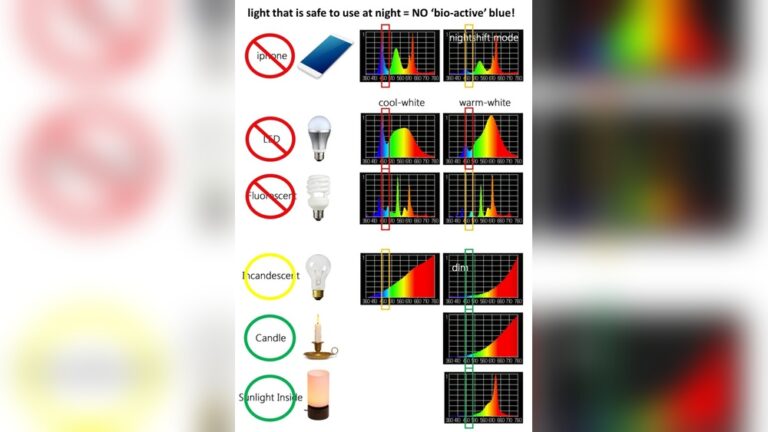
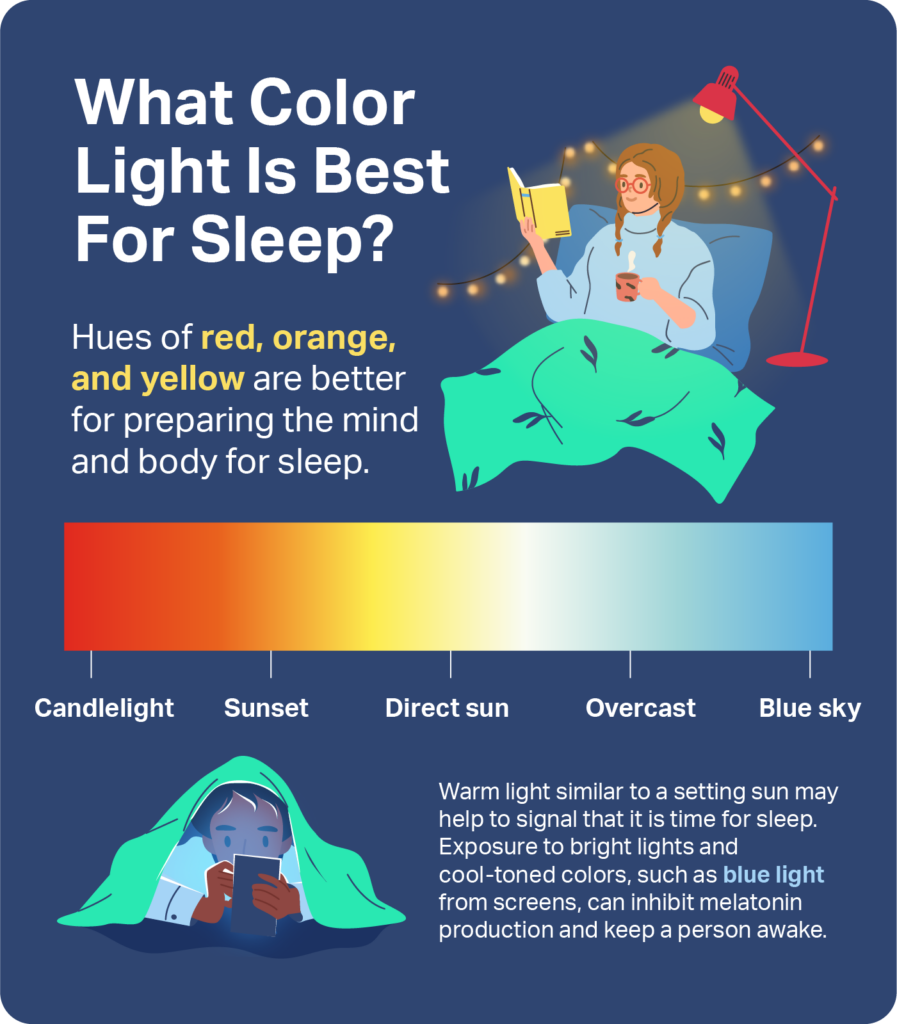
LED lights often emit a strong blue light. Blue light has a short wavelength and high energy. It affects the brain more than other types of light. It reduces melatonin production more than warm light.
Less melatonin means it is harder to fall asleep. The sleep quality also drops. Exposure to blue light before bedtime can delay sleep times. It may cause tiredness the next day.
Using devices with LED screens like phones or tablets at night can worsen this effect. Reducing blue light exposure in the evening helps protect sleep. Simple steps can make a big difference in sleep health.
Common Sources Of Led Light Exposure
LED lights are everywhere in daily life. They shine from many devices and fixtures. These lights affect how our eyes and body react, especially before sleep. Knowing common sources of LED light helps understand its impact better.
Smartphones And Tablets
Smartphones and tablets use LED screens that emit blue light. This blue light can reduce melatonin, the sleep hormone. Many people use these devices at night, which may disturb sleep patterns. The bright screens keep the brain alert and awake.
Indoor Lighting And Screens
Indoor lights often use LED bulbs because they save energy. These lights shine brightly in homes and offices. Many computer monitors and TVs also use LED screens. Exposure to these lights late in the evening can delay sleep and lower sleep quality.
Effects Of Led Light On Sleep Quality
LED lights are common in homes and workplaces. Their bright, blue-rich light can change how your body feels tired and ready for sleep. These lights can interfere with your natural sleep rhythms and lower sleep quality. Understanding these effects can help you make better choices for your sleep health.
Difficulty Falling Asleep
Exposure to LED light before bed can make it hard to fall asleep. The blue light slows the release of melatonin. Melatonin is the hormone that tells your body it is time to sleep. Lower melatonin means your brain stays alert longer. This delay makes falling asleep slower and harder.
Reduced Sleep Duration
LED light can shorten your total sleep time. When sleep starts late, it often ends late or is cut short. Less sleep means your body does not get enough rest. This can cause tiredness and poor focus the next day. The quality of your rest also drops with less sleep.
Impact On Rem Sleep
REM sleep is a deep sleep stage important for memory and mood. LED light exposure can reduce REM sleep. Less REM sleep can lead to poor memory and mood problems. It also weakens your ability to handle stress. Good sleep means enough REM sleep for body and brain health.

Who Is Most Vulnerable To Led Light Effects
Some people feel the effects of LED lights on sleep more strongly. These lights can change how the brain works at night. They affect the body’s natural clock. Certain groups are more sensitive and need to be careful with LED light exposure.
Children And Teenagers
Young people’s eyes are more sensitive to LED light. Their brains are still developing. Blue light from LEDs can delay the release of melatonin. This hormone tells the body it is time to sleep. Less melatonin means harder time falling asleep. Poor sleep can affect growth and learning. Limiting screen time before bed helps protect their sleep quality.
Shift Workers
People who work at night face unique challenges. Their sleep schedule is different from most. LED lights during night shifts can confuse the body clock. It makes it harder to fall asleep during the day. Shift workers often suffer from sleep loss and fatigue. Using dim, warm lights at night can reduce these effects.
People With Sleep Disorders
Those with sleep problems are more vulnerable to light effects. Conditions like insomnia or delayed sleep phase disorder worsen with LED exposure. Bright LED light can keep the brain alert. It interferes with the ability to relax and fall asleep. Managing light exposure is a key part of treatment. Soft, low light helps improve sleep quality for them.
Tips To Minimize Led Light Disruption
LED lights can disrupt sleep by affecting your body’s natural rhythm. Simple changes help reduce this problem. These tips make it easier to fall asleep and improve rest quality.
Start with adjusting your light environment. Small steps bring better sleep without big effort.
Using Warm Light Settings
Switch LED lights to warm colors in the evening. Warm light has less blue wavelength, which harms sleep. Use bulbs with a yellow or orange tint. This type of light feels softer and less bright. It helps your body prepare for rest naturally.
Limiting Screen Time Before Bed
Stop using phones, tablets, or computers at least one hour before sleep. Screens emit blue light that tricks your brain into staying awake. Reading a book or listening to calm music helps you relax instead. This habit improves sleep quality and makes waking up easier.
Blue Light Blocking Glasses
Wear blue light blocking glasses in the evening if you must use screens. These glasses filter harmful blue light and protect your eyes. They help reduce eye strain and improve melatonin production. Wearing them can make a big difference in your sleep cycle.
Alternative Lighting Options For Better Sleep
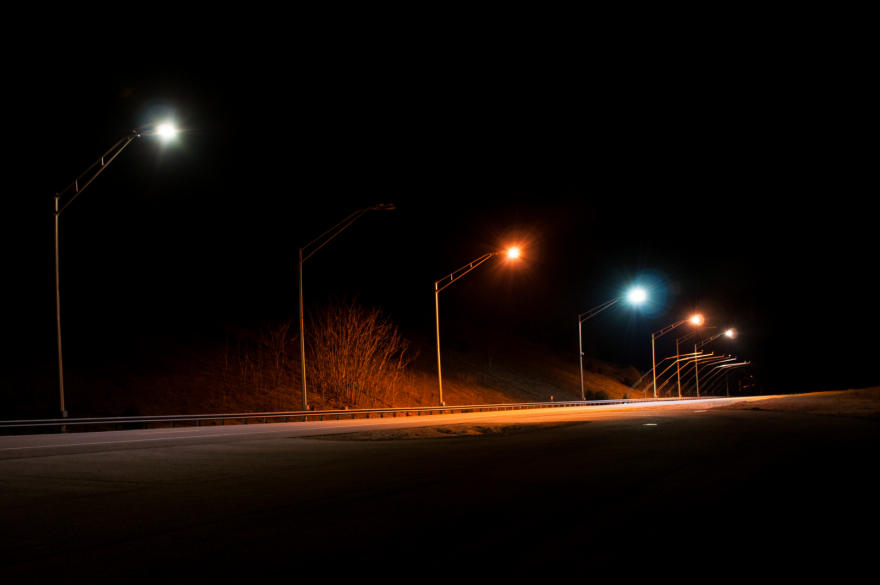
Choosing the right light in the evening helps improve sleep quality. Bright, harsh lights can confuse your body’s natural clock. Soft and warm lights signal your brain to relax. This section explores lighting options that support better sleep. These alternatives reduce blue light exposure that disrupts rest.
Incandescent And Candlelight
Incandescent bulbs give off a warm, yellowish glow. This light is gentler on the eyes and less likely to disturb sleep. Candlelight offers a natural flicker and soft light, perfect for winding down. Both options lack the blue light that LED lights have. Using these lights in the evening can create a calm, cozy atmosphere. They help your body prepare for a restful night.
Smart Lighting Solutions
Smart lights adjust brightness and color throughout the day. They shift to warmer tones in the evening to reduce blue light. You can set timers to dim lights automatically before bedtime. Some smart bulbs mimic natural sunset colors to ease your body into sleep mode. These lights combine convenience with healthy lighting habits. Smart lighting supports a smooth transition from day to night.
Future Research On Led Lights And Sleep
Future research on LED lights and sleep aims to uncover new facts. Scientists want to understand how LED lights affect sleep quality and patterns. This research will help create better lighting that supports healthy sleep. It will also guide public health advice on light exposure during evening hours.
Emerging Studies
New studies focus on how different LED colors influence sleep. Researchers test blue, white, and warm LED lights on sleep cycles. Some studies explore the timing and duration of light exposure. Scientists measure melatonin levels to see how light impacts sleep hormones. These studies use both lab tests and real-life settings. Results will clarify which LED lights are safer at night.
Technological Innovations
Technology is improving LED lights to protect sleep. Smart lights can change color and brightness automatically. They adjust based on the time of day to reduce sleep disruption. Some devices track user sleep and adjust lighting accordingly. New filters block harmful blue light without losing brightness. These innovations aim to balance energy efficiency and sleep health.
Frequently Asked Questions
Do Led Lights Disrupt Natural Sleep Patterns?
Yes, LED lights emit blue light which can suppress melatonin. This hormone controls sleep-wake cycles. Exposure before bedtime may delay sleep onset and reduce sleep quality.
How Does Blue Light From Leds Affect Sleep?
Blue light impacts the brain’s production of melatonin. Reduced melatonin makes falling asleep harder and can disrupt deep sleep phases, leading to poorer rest.
Can Using Led Lights At Night Cause Insomnia?
Prolonged exposure to LED lights at night can contribute to insomnia. It interferes with the body’s internal clock, making it difficult to fall and stay asleep.
Are All Led Lights Harmful To Sleep?
Not all LED lights affect sleep equally. Warm-colored LEDs emit less blue light and are less likely to disrupt melatonin production compared to cool, bright LEDs.
Conclusion
LED lights can affect your sleep by changing your body’s natural clock. Blue light from LEDs may make it hard to fall asleep. Choosing warmer, softer lights at night helps your body relax. Turning off bright screens before bed supports better rest.
Small changes in lighting can improve how well you sleep. Pay attention to light types in your bedroom. Better sleep means better health and mood. Simple steps make a big difference.

Alex Navarro
Hi, I'm leds.to, the founder of the world's #1 LED lighting review site. At leds.to, we strive to provide you with the most comprehensive and reliable reviews on LED lighting products. Whether you're looking for car LEDs, super bright LEDs, or even grow light LEDs, you'll find all the information you need right here on our site. With years of experience in the industry, I'll guide you towards making the best purchasing decisions for your lighting needs. Trust me to shed light on the world of LEDs and help you find the perfect lighting solutions.