
Are Led Lights Bad for Your Health: Truths You Need to Know
Affiliate links — we may earn a commission
Have you ever wondered if the LED lights in your home or office could be harming your health? You might be surprised to learn that something as simple as a light bulb can affect your well-being in ways you didn’t expect.
Whether you use LED lights for work, relaxation, or just everyday tasks, understanding their impact on your body is important. Keep reading to discover the truth about LED lights and your health—what you need to watch out for and how to protect yourself without giving up the convenience and energy savings you love.
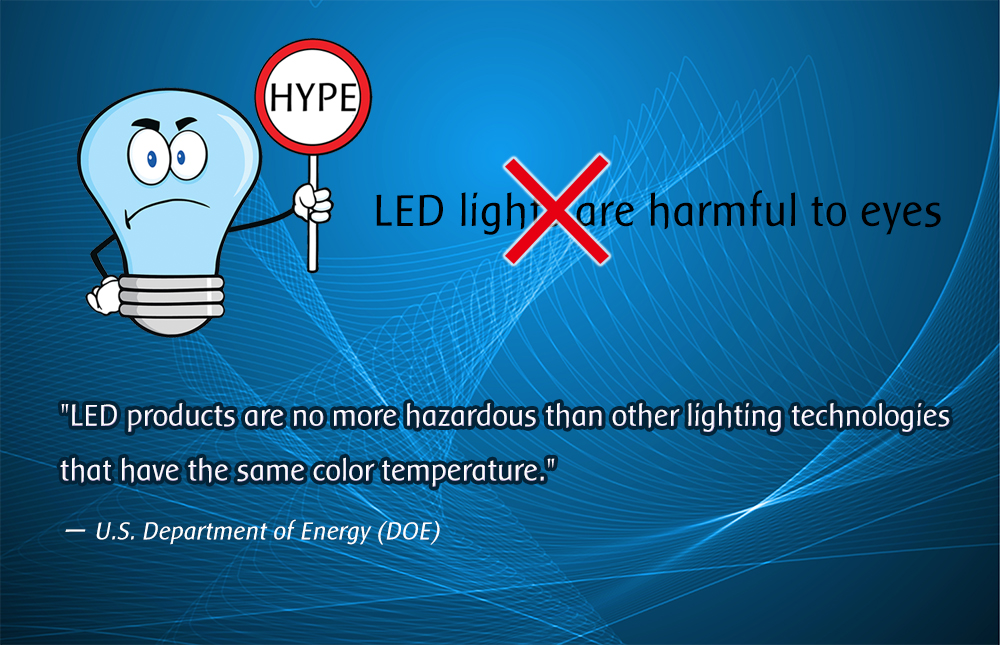
How Led Lights Work
Understanding how LED lights work helps us see their effects on health. LED lights are different from traditional bulbs. They use a unique method to create light. This technology impacts the quality and type of light we see.
Basics Of Led Technology
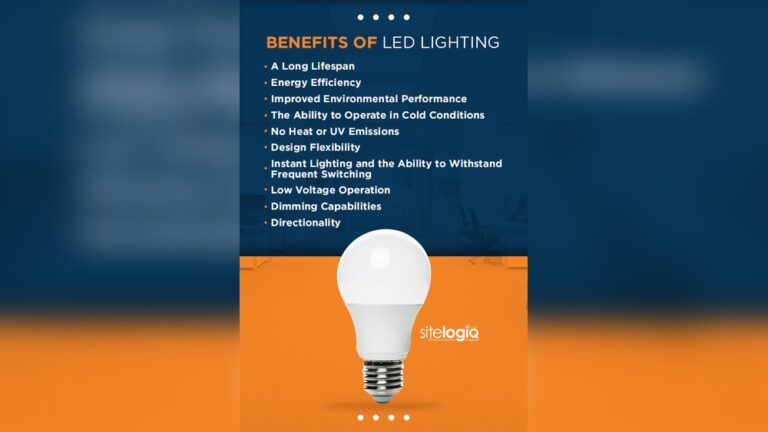
LED stands for Light Emitting Diode. It is a small electronic device. When electric current passes through it, light is produced. LEDs do not use filaments or gas like old bulbs. This makes them energy efficient and long-lasting. They generate less heat and consume less power. LEDs can be made in many shapes and sizes. This flexibility allows their use in many devices and lighting fixtures.
Light Spectrum And Color Temperature
LED lights produce light in a range of colors. The color depends on the materials inside the diode. Color temperature measures how warm or cool the light looks. It is shown in degrees Kelvin (K). Warm light has a lower temperature, around 2700K to 3000K. Cool light has a higher temperature, from 5000K to 6500K. The light spectrum affects how the light feels to our eyes. Blue light is part of the cool spectrum and is common in LEDs. This blue light can impact sleep and eye comfort.
Potential Health Concerns
LED lights are common in homes and offices. They save energy and last long. Yet, some concerns exist about their effects on health. Understanding these issues helps you use LED lights safely.
Blue Light And Eye Strain
LED lights emit blue light, a high-energy visible light. Blue light can cause eye strain after long exposure. Symptoms include dry eyes, headaches, and blurry vision. People who use screens often may feel more discomfort. Using softer lighting or blue light filters can reduce strain.
Sleep Disruption Risks
Blue light affects the body’s natural sleep cycle. It lowers melatonin, the hormone that helps you sleep. Using LED lights at night can make falling asleep harder. Poor sleep affects mood and focus the next day. Avoid bright LED lights before bedtime for better rest.
Impact On Mental Health
Poor sleep and eye strain may affect mental health. Tiredness and discomfort can cause stress and anxiety. Bright LED lights might increase feelings of restlessness. Balanced lighting and breaks from screens can improve mental well-being. Paying attention to light exposure helps maintain calmness.
Scientific Studies On Led Exposure
Scientific studies have explored how LED lights affect our health. Researchers focus on several key areas. These include eye health, sleep patterns, and long-term effects. Understanding these studies helps us know more about LED exposure risks.
Research On Eye Health
Scientists have studied how LED lights impact the eyes. Some research shows blue light from LEDs can cause eye strain. It may lead to discomfort and dryness. Other studies suggest long exposure might damage retinal cells. Yet, more research is needed to confirm these effects fully.
Sleep Pattern Studies
LED lights can affect sleep by disturbing natural rhythms. Blue light suppresses melatonin, the hormone that helps us sleep. Many studies show using LED screens before bed can make falling asleep harder. Reducing LED light exposure at night might improve sleep quality. This is why experts recommend limiting screen time before sleep.
Long-term Effects
Research on long-term effects of LED exposure is ongoing. Some studies warn about potential risks like chronic eye problems. Others find no strong evidence of serious harm. Scientists continue to monitor how daily LED use affects health over time. Using LEDs wisely and taking breaks can reduce possible risks.

Comparing Leds With Other Light Sources
LED lights have become very common in homes and offices. Many people wonder if they are safe for health compared to other light types. Different lights affect our eyes and body in various ways. This section compares LEDs with two popular light sources: incandescent and fluorescent.
Understanding these differences helps choose the best light for comfort and safety.
Incandescent Vs Led
Incandescent bulbs produce light by heating a metal filament. This creates warm, soft light. The heat can make rooms warmer and wastes energy. LEDs use less electricity and give off little heat. They last much longer than incandescent bulbs.
Incandescent lights emit less blue light than LEDs. Blue light can affect sleep patterns if used at night. Still, LEDs allow control over light color and brightness. This helps reduce eye strain and improves comfort.
Fluorescent Vs Led
Fluorescent lights use gas to create light. They are energy-efficient but often flicker. This flickering can cause headaches and eye discomfort. LEDs provide steady light without flicker. This is better for eye health.
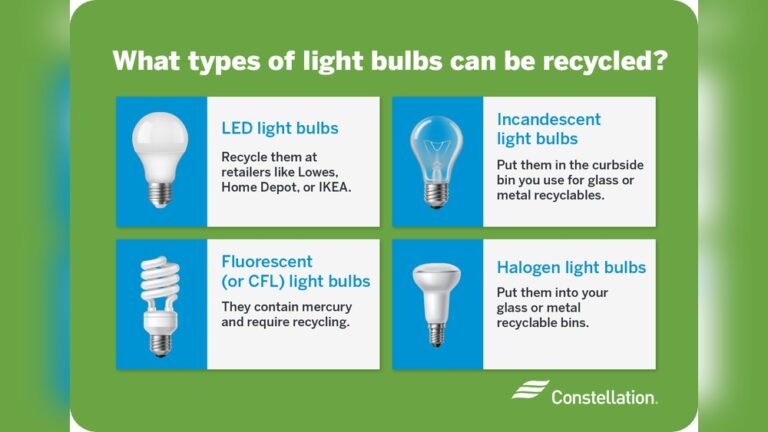
Fluorescent bulbs sometimes contain harmful mercury. LEDs do not have toxic materials. They are safer to handle and dispose of. Also, LEDs have better color quality, making colors look natural.
Safe Use Of Led Lighting
LED lighting is common in homes and workplaces. It saves energy and lasts long. Safe use of LED lighting helps protect your eyes and health. Small changes in how you use LED lights make a big difference.
Choosing The Right Color Temperature
LED lights come in different colors, called color temperatures. Warm light has a yellow tone and feels cozy. Cool light has a blue tone and feels bright. Choose warm light for bedrooms and living areas. Use cool light in offices or kitchens where focus is needed.
Reducing Blue Light Exposure
Blue light from LEDs can affect sleep and eye comfort. Limit blue light in the evening to help your body relax. Use dimmer lights or switch to amber or red tones at night. Many devices have blue light filters—turn them on after sunset.
Lighting Tips For Better Health
Keep LED lights soft, not too bright. Avoid shining lights directly into your eyes. Take breaks from screens and bright lights every hour. Use natural light during the day to balance LED use. These small steps support eye comfort and overall health.
Emerging Led Technologies
LED lights have changed the way we light our homes and offices. New LED technologies aim to make these lights safer and more comfortable for daily use. These advancements focus on reducing health risks tied to traditional LED lights.
Scientists and engineers work on ways to improve light quality and reduce eye strain. These changes help people feel better under LED lighting for longer periods.
Human-centric Lighting
Human-centric lighting adjusts the color and brightness of LEDs to match natural light. This helps support the body’s natural rhythms. It can improve sleep and mood by reducing blue light exposure at night. During the day, it boosts alertness by mimicking daylight colors. This technology creates a healthier environment using LED lights.
Advances In Flicker Reduction
Flicker in LED lights can cause headaches and eye strain. New LED designs reduce flicker to make lights more stable. This helps people focus better and feel less tired. Flicker reduction is key to making LED lighting safer for everyone. These advances improve comfort without losing energy efficiency.
Frequently Asked Questions
Are Led Lights Harmful To Human Eyes?
LED lights can cause eye strain if too bright or used for long hours. Blue light from LEDs may affect sleep by disrupting melatonin production. Using warm white LEDs and limiting screen time can reduce potential eye discomfort.
Do Led Lights Affect Sleep Quality?
Yes, exposure to blue light from LEDs before bedtime can disrupt your sleep cycle. It suppresses melatonin, making it harder to fall asleep. Using dim, warm-colored LED lights in the evening helps maintain better sleep quality.
Can Led Lights Cause Headaches Or Migraines?
Some people may experience headaches or migraines due to flickering or bright LED lights. This is often linked to sensitivity to light or screen glare. Adjusting brightness and using diffused lighting can help minimize these effects.
Are Led Lights Safe For Children?
LED lights are generally safe for children but excessive exposure to blue light may affect their sleep patterns. It’s best to use softer, warm LED lighting in children’s rooms to reduce any potential risks.
Conclusion
LED lights are generally safe for daily use. Some people may feel eye strain or headaches. Choosing warm or softer lights helps reduce discomfort. Limit screen time and take regular breaks. Brightness and blue light levels can affect sleep quality.
Using LED lights thoughtfully supports healthy living. Stay aware of your body’s signals. Small changes make a big difference. Enjoy the benefits of LED lighting without worry.

Alex Navarro
Hi, I'm leds.to, the founder of the world's #1 LED lighting review site. At leds.to, we strive to provide you with the most comprehensive and reliable reviews on LED lighting products. Whether you're looking for car LEDs, super bright LEDs, or even grow light LEDs, you'll find all the information you need right here on our site. With years of experience in the industry, I'll guide you towards making the best purchasing decisions for your lighting needs. Trust me to shed light on the world of LEDs and help you find the perfect lighting solutions.