Should You Recycle Led Light Bulbs: Essential Tips for Eco-Friendly Disposal
Affiliate links — we may earn a commission
You use LED light bulbs every day, but have you ever stopped to think about what happens to them when they burn out? Should you just toss them in the trash, or is there a better way?
Understanding whether you should recycle LED light bulbs can save you money, protect the environment, and keep harmful materials out of the landfill. Keep reading to discover why recycling your LED bulbs matters and how you can do it easily.
This simple step could make a big difference in your home and the world around you.
Why Recycle Led Bulbs
Recycling LED bulbs is important for many reasons. These bulbs contain materials that can harm the environment if thrown away carelessly. Recycling helps keep the planet clean and saves valuable resources. It also reduces the amount of trash in landfills, which is good for nature and people.
Environmental Benefits
LED bulbs have small amounts of metals and chemicals. If these end up in the trash, they can pollute soil and water. Recycling stops this pollution. It keeps harmful substances out of the environment. This protects plants, animals, and humans from damage.
Resource Conservation
LED bulbs contain valuable materials like aluminum and glass. Recycling lets us reuse these materials instead of mining new ones. This saves energy and reduces waste. Using recycled materials also lowers carbon emissions. It helps conserve natural resources for the future.
Reducing Landfill Waste
LED bulbs take up space in landfills. They do not break down easily. Recycling reduces the amount of trash sent to landfills. This helps landfills last longer and stay cleaner. It also lowers the risk of soil and water pollution from waste.
Hazards Of Improper Disposal
Improper disposal of LED light bulbs causes serious problems. These bulbs contain materials that harm the environment and human health. Tossing them in regular trash is risky. Understanding these hazards shows why recycling matters.
Toxic Components In Leds
LED bulbs have harmful chemicals inside. Some contain small amounts of lead, arsenic, and other heavy metals. These substances do not break down easily. Throwing them away can release toxins into the environment.
Impact On Soil And Water
When LEDs end up in landfills, toxins can leak. These poisons seep into the soil. They can also reach underground water sources. Contaminated soil and water harm plants, animals, and people.
Health Risks
Direct contact with LED toxins causes health issues. Exposure to lead or arsenic can affect the brain and organs. Children and pregnant women are especially vulnerable. Recycling prevents these dangers by keeping toxins contained.
How To Recycle Led Bulbs
Recycling LED bulbs helps protect the environment and saves resources. These bulbs contain valuable materials that can be reused. Proper recycling stops harmful waste from entering landfills. Knowing how to recycle LED bulbs makes a big difference.
Local Recycling Programs
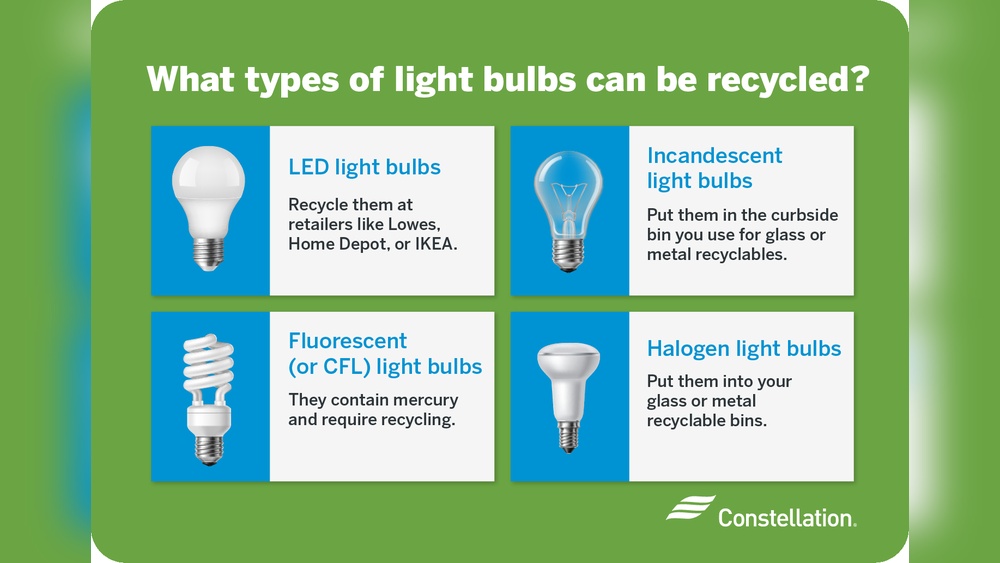
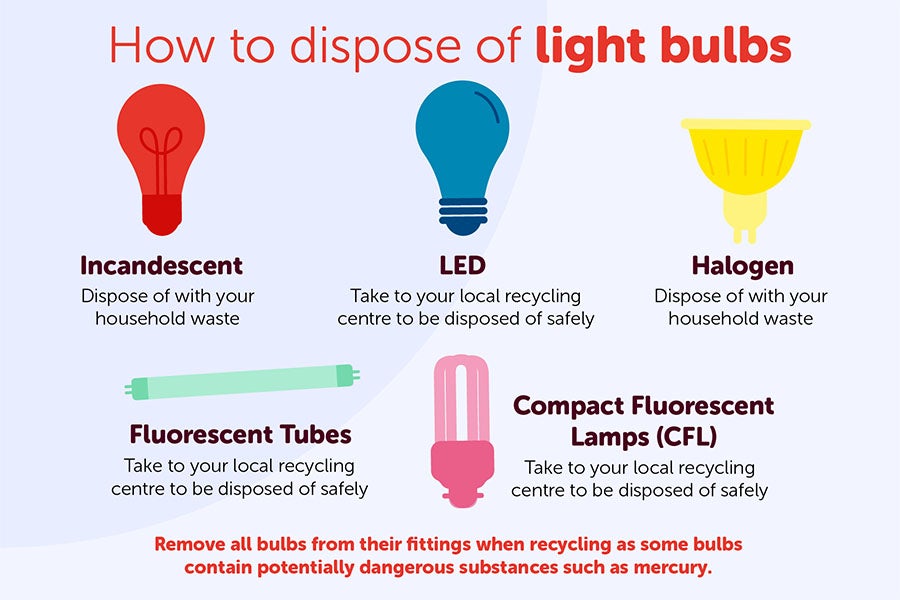
Many cities offer local recycling programs for LED bulbs. Check with your city or county waste department for details. Some programs have special collection days for electronics and bulbs. Drop off LED bulbs at designated recycling centers. This is often free and easy to do.
Retailer Take-back Options
Some stores accept used LED bulbs for recycling. Hardware and home improvement stores usually provide this service. Bring your old bulbs to the store’s recycling bin. Store staff may give instructions on how to recycle bulbs safely. Retailer take-back helps keep bulbs out of the trash.
Mail-back Services
Mail-back services allow you to recycle LED bulbs by mail. Purchase a recycling kit online or from some stores. Pack your used bulbs safely in the provided box. Send the box to the recycling company’s address. This option works well if local recycling is not available.
Preparing Bulbs For Recycling
Preparing LED light bulbs for recycling is an important step to protect the environment and ensure safety. Proper preparation helps recycling centers process the bulbs correctly. It also prevents damage during transport and handling. Follow these simple tips to get your LED bulbs ready for recycling.
Safe Handling Tips
Always handle LED bulbs with care. Hold them by the base, not the glass. Avoid touching the glass surface to prevent oils from your hands. Use gloves if possible. Keep bulbs away from children and pets. Do not try to open or break the bulbs. This keeps harmful materials contained and reduces injury risk.
Packaging For Transport
Use original packaging if you still have it. If not, wrap bulbs in soft materials like bubble wrap or old newspapers. Place wrapped bulbs in a sturdy box. Fill any empty spaces with packing material to stop movement. Label the box as “fragile” to alert handlers. This packaging helps protect bulbs during shipping or drop-off.
Avoiding Breakage
Store bulbs in a cool, dry place before recycling. Keep them separate from heavy or sharp objects. Transport them carefully to avoid shaking or dropping. Broken bulbs can release hazardous substances and make recycling harder. Take your time and move bulbs gently. Safe handling protects both you and the environment.
Alternatives To Recycling
Recycling LED light bulbs is important, but sometimes it is not an option. Many places lack proper recycling facilities. There are smart alternatives to keep these bulbs out of landfills. These choices help reduce waste and make good use of old LED parts.
Reusing Led Components
LED bulbs contain valuable parts like chips and circuits. These parts can be reused in new projects. Hobbyists and makers often salvage LEDs for crafts and repairs. Reusing saves resources and cuts down on waste.
Donation And Repurposing
Old LED bulbs still working can be donated. Schools, community centers, and art groups may find them useful. Repurposing bulbs as decorative lights or in DIY projects is another option. This extends their life and reduces environmental impact.
Proper Disposal When Recycling Isn’t Available
If recycling is not possible, dispose of LEDs carefully. Check local guidelines for hazardous waste disposal. Avoid throwing them in regular trash. Proper disposal prevents harmful chemicals from polluting the environment.
Choosing Eco-friendly Led Bulbs
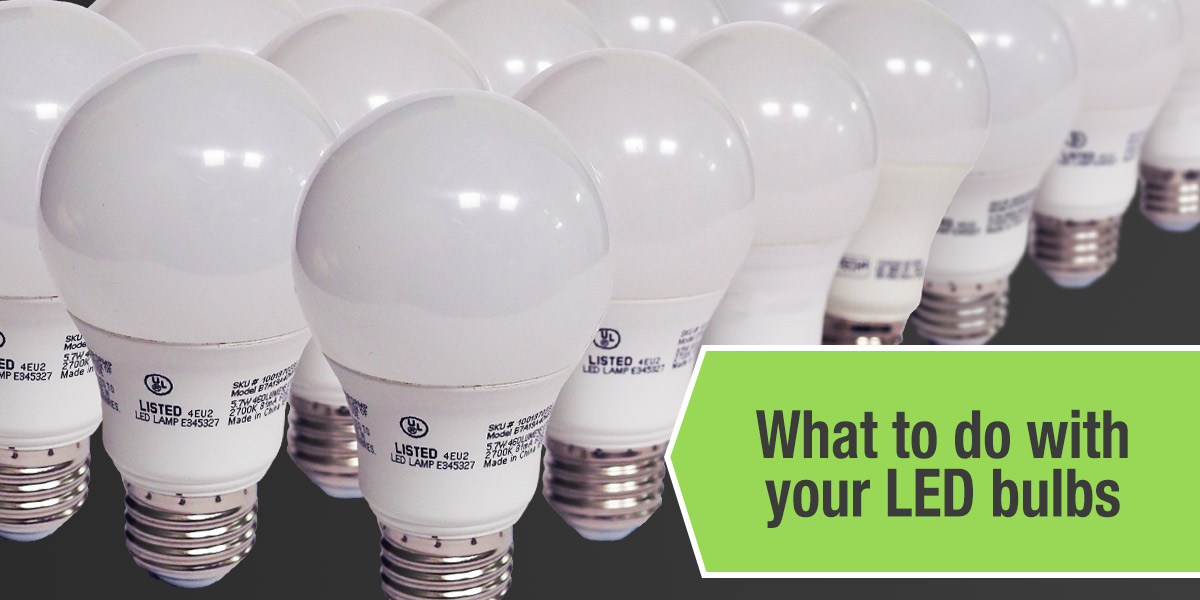
Choosing eco-friendly LED bulbs helps reduce waste and saves energy. These bulbs use less power and last longer than traditional lights. Picking the right LED bulbs also means fewer harmful materials end up in landfills. It’s important to understand what makes an LED bulb eco-friendly. Let’s explore key factors to consider.
Energy Efficiency Ratings
Energy efficiency ratings show how well a bulb uses electricity. Look for bulbs with high ratings, such as ENERGY STAR certified. These use less electricity to produce the same light. Using energy-efficient bulbs lowers your electric bill. It also reduces carbon emissions linked to power production.
Materials Used
Eco-friendly LED bulbs use safer, recyclable materials. Some bulbs contain small amounts of metals like lead or arsenic. Check product labels to avoid harmful substances. Choose bulbs made with glass and aluminum. These materials recycle more easily and cause less pollution.
Longevity And Durability
Long-lasting LED bulbs reduce waste by needing fewer replacements. Durable bulbs resist breaking and work well over time. This means less waste in landfills. Choose bulbs with a lifespan of at least 15,000 hours. They save money and help protect the environment.
Frequently Asked Questions
Why Should You Recycle Led Light Bulbs?
Recycling LED bulbs prevents harmful waste from entering landfills. It recovers valuable materials like metals and glass. This reduces environmental impact and conserves resources. Proper recycling also ensures safe disposal of electronic components found in LEDs.
How To Recycle Led Light Bulbs Safely?
Take used LED bulbs to designated recycling centers or retail stores with recycling programs. Avoid throwing them in regular trash. Some local waste facilities offer special collection days. Always handle bulbs carefully to prevent breakage and hazardous exposure.
Are Led Bulbs Harmful If Not Recycled?
LED bulbs contain small amounts of metals like lead and arsenic. If discarded improperly, these can leach into soil and water. Recycling prevents pollution and protects human health. Proper disposal is essential despite LEDs being safer than older bulbs.
Can Led Bulb Recycling Save Money?
Yes, recycling LEDs can save money by reducing landfill fees and resource costs. Some programs offer incentives or discounts for recycling. Businesses especially benefit by complying with regulations and avoiding fines. It also promotes sustainable practices that reduce overall expenses.
Conclusion
Recycling LED light bulbs helps protect the environment. It keeps harmful materials out of landfills. Many parts can be reused to save resources. Small actions like this make a big difference. Choose to recycle and support a cleaner planet. It’s easy and good for future generations.
Every bulb counts in reducing waste and pollution. Take a simple step today for a greener tomorrow.

Alex Navarro
Hi, I'm leds.to, the founder of the world's #1 LED lighting review site. At leds.to, we strive to provide you with the most comprehensive and reliable reviews on LED lighting products. Whether you're looking for car LEDs, super bright LEDs, or even grow light LEDs, you'll find all the information you need right here on our site. With years of experience in the industry, I'll guide you towards making the best purchasing decisions for your lighting needs. Trust me to shed light on the world of LEDs and help you find the perfect lighting solutions.