Do Led Lights Help You Sleep: Surprising Facts You Must Know
Affiliate links — we may earn a commission
Have you ever wondered if the lights in your room could be affecting how well you sleep? You might think all lights are the same, but LED lights could be playing a bigger role in your rest than you realize.
What if changing your lighting could help you fall asleep faster and wake up feeling more refreshed? Keep reading to discover how LED lights impact your sleep and what simple changes you can make tonight to improve your bedtime routine.
How Light Affects Sleep
Light plays a big role in how well you sleep. It affects your body’s internal clock and the hormones that tell you when to sleep or wake up. Understanding how light influences sleep helps you create a better sleep environment.
Different types of light can either help or harm your sleep quality. Knowing what happens inside your body when exposed to light will guide your choices about lighting at night.
Role Of Melatonin
Melatonin is a hormone that tells your body it is time to sleep. It starts to rise as it gets dark outside. Bright light stops melatonin production, making it hard to fall asleep. Dim or no light helps melatonin increase, preparing your body for rest.
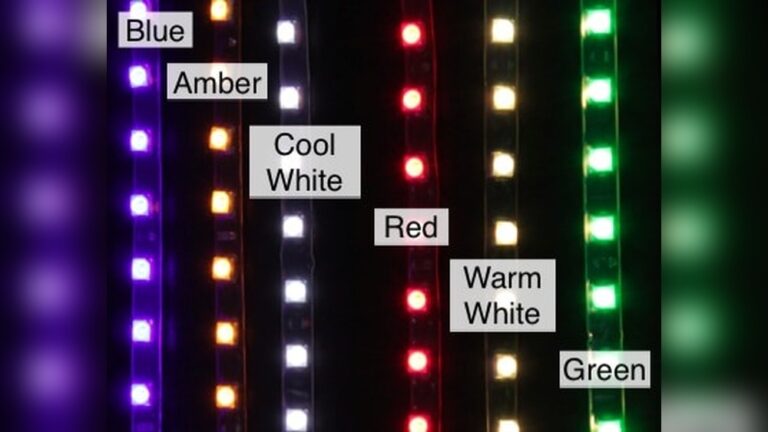
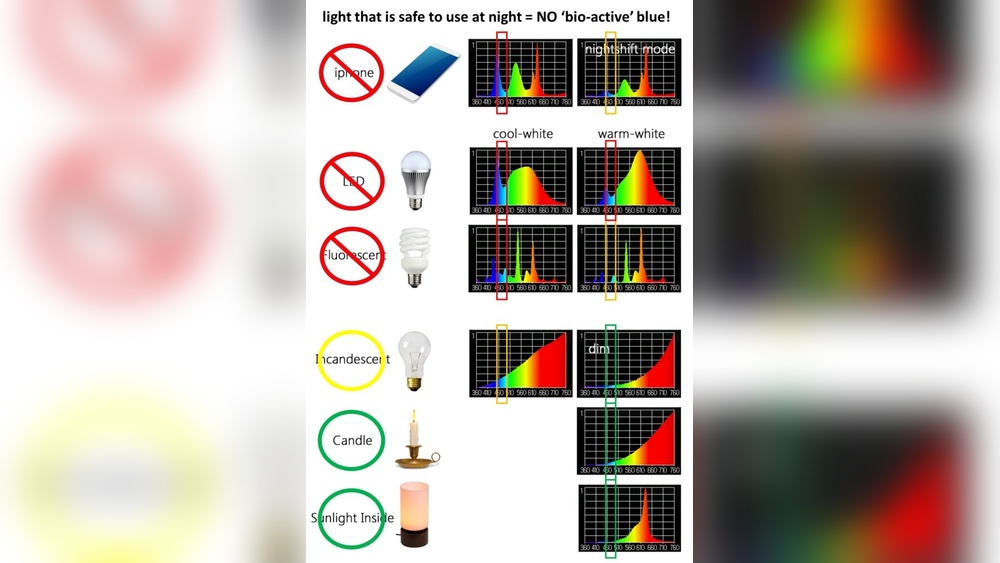
LED lights, especially blue ones, can reduce melatonin levels. This effect delays sleep and lowers sleep quality. Red or amber lights have less impact on melatonin and are better for evening use.
Circadian Rhythm Basics
Your circadian rhythm is your body’s 24-hour clock. It controls when you feel awake and when you feel sleepy. Light signals to this clock that it is daytime, keeping you alert.
At night, darkness signals your body to wind down and prepare for sleep. Exposure to artificial light late at night confuses this clock. This can make falling asleep and waking up on time harder.
Using the right light at the right time supports your circadian rhythm. This helps you sleep better and feel more refreshed during the day.
Led Lights And Their Characteristics
LED lights are popular for many uses at home and work. They use less energy and last longer than old bulbs. Their light comes in many colors and strengths. These features can affect how we feel, especially before sleep.
Understanding LED lights helps us choose the best type for better rest. Different LEDs have different effects on the body and mind. Knowing these can help create a calm, sleep-friendly space.
Types Of Led Lights
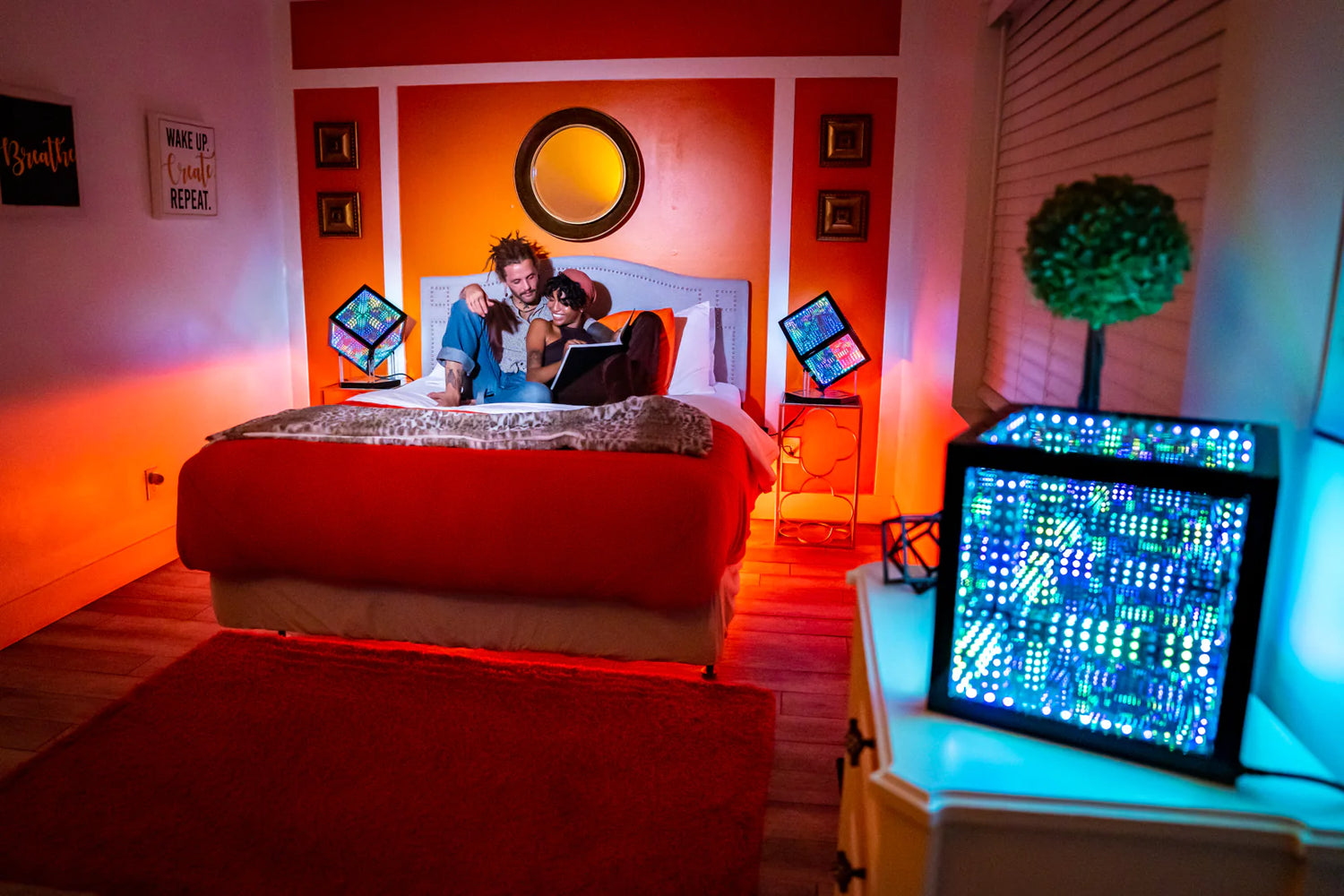
There are many types of LED lights. Some give off bright, white light. Others produce soft, warm light. The shape and size of the bulb also vary. Some LEDs are dimmable, letting you control brightness. Different types suit different rooms and moods.
Color Temperature And Brightness
Color temperature shows how warm or cool the light looks. It is measured in Kelvins (K). Low numbers mean warm, yellow light. High numbers mean cool, blue light. Warm lights are gentle on the eyes at night. Brightness is how much light the bulb gives out. Too much brightness can disturb sleep. Soft light helps the body prepare for rest.
Impact Of Led Lights On Sleep Quality
LED lights are common in many homes and devices. They offer bright, energy-saving light. Yet, their effect on sleep is a concern for many people.
Light affects our body’s natural clock, called the circadian rhythm. This clock controls when we feel awake and sleepy. Bright light at night can confuse this clock.
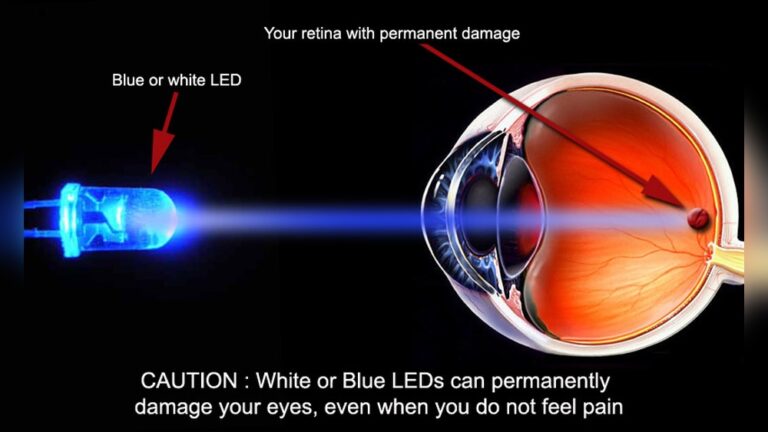
LED lights often emit blue light. This type of light can have a strong impact on sleep quality. Understanding this effect helps us make better choices for bedtime lighting.
Blue Light And Sleep Disruption
Blue light is a part of the visible light spectrum. It has a short wavelength and high energy. Many LED lights, screens, and phones emit blue light.
Blue light tricks the brain into thinking it is daytime. It lowers the production of melatonin, the hormone that makes us sleepy. Lower melatonin means harder time falling asleep.
Exposure to blue light in the evening can reduce sleep duration. It may also lower sleep quality, making sleep less restful.
Studies On Led Exposure Before Bed
Scientists have studied how LED light affects sleep. One study found people exposed to blue LED light took longer to fall asleep. Their sleep cycles were also shifted later.
Other research shows that using LED screens before bed reduces melatonin levels. This effect can last for hours after the light is off. These changes can lead to poor sleep habits over time.
Some studies suggest dimming LED lights or using warmer colors at night can help. Reducing screen time before bed also improves sleep quality.
Safe Lighting Practices For Better Sleep
Safe lighting plays a key role in improving sleep quality. Bright or harsh lights can disrupt the natural sleep cycle. Choosing the right type of LED lights and adjusting their settings helps create a calm environment. This supports the body’s ability to fall asleep faster and stay asleep longer.
Choosing The Right Led Bulbs
Pick LED bulbs with a warm color temperature. Bulbs labeled 2700K to 3000K are best for bedrooms. They emit a soft, yellowish light that feels relaxing. Avoid cool white or blue-toned LEDs, as they can suppress melatonin production. Melatonin is the hormone that signals your body to sleep.
Using Dimmer And Warm Light Settings
Dim lights in the evening to prepare your body for rest. Using dimmer switches allows you to lower brightness easily. Set lights to their warmest setting after sunset. This reduces eye strain and helps you unwind. A gradual reduction in light signals the brain to slow down and get ready for sleep.
Alternatives To Led For Nighttime
LED lights are popular but not always best for sleep. Some people find their blue light keeps them awake. Many look for softer, sleep-friendly options. These alternatives help create calm and rest at night. They offer warm and gentle light without harsh glare. Let’s explore some good choices beyond LED lights.
Incandescent And Warm Light Options
Incandescent bulbs produce a warm, yellow glow. This light mimics sunset colors, which helps the body relax. It does not emit much blue light, so it won’t disturb sleep. Many choose low-watt incandescent bulbs for bedrooms. Warm light lamps or candles also create a cozy feel. These options reduce eye strain and prepare you for rest.
Smart Lighting Solutions
Smart lights adjust brightness and color based on time. They can shift from bright white to warm amber. This change aligns with natural body rhythms. Some smart bulbs have sleep modes to dim lights slowly. You can control them using phones or voice commands. These lights provide comfort and help signal bedtime.

Tips To Reduce Led Light Effects At Night
LED lights can affect your sleep by disturbing your natural body clock. Reducing their impact at night helps improve sleep quality. Small changes in your habits and environment make a big difference.
Try these tips to lessen the effects of LED lights during the evening. They help your body prepare for restful sleep.
Limiting Screen Time
Turn off phones, tablets, and computers at least one hour before bed. Screens emit bright light that tricks your brain into staying awake. Reading a book or listening to calm music works better at night. Less screen time means your body can relax and get ready for sleep.
Using Blue Light Filters
Blue light from screens disrupts your sleep hormones most. Use blue light filters on devices after sunset. Many smartphones and computers have built-in night modes. These filters reduce blue light and soften the screen brightness. This simple change helps your brain know it is time to rest.
Frequently Asked Questions
Do Led Lights Affect Sleep Quality?
Yes, LED lights can affect sleep quality. Blue light from LEDs suppresses melatonin production, making it harder to fall asleep.
Are All Led Lights Bad For Sleep?
Not all LED lights are bad. Warm-colored LEDs emit less blue light and are better for evening use.
Can Led Lights Improve Sleep If Used Correctly?
Using dim, warm LED lights before bed may improve sleep by reducing blue light exposure and promoting melatonin release.
Should I Avoid Led Lights Before Bedtime?
Yes, avoid bright, cool LED lights before bed. They disrupt your natural sleep cycle and delay sleep onset.
Conclusion
LED lights can affect your sleep in different ways. Some types of LED lights may make it harder to fall asleep. Others, with softer colors, might help you relax at night. Choosing the right light color and brightness matters a lot.
Try dim, warm LED lights before bedtime. Avoid bright, blue-toned lights in the evening. Small changes in your lighting can improve your sleep quality. Experiment and see what works best for you. Sleep well and feel better each day.

Alex Navarro
Hi, I'm leds.to, the founder of the world's #1 LED lighting review site. At leds.to, we strive to provide you with the most comprehensive and reliable reviews on LED lighting products. Whether you're looking for car LEDs, super bright LEDs, or even grow light LEDs, you'll find all the information you need right here on our site. With years of experience in the industry, I'll guide you towards making the best purchasing decisions for your lighting needs. Trust me to shed light on the world of LEDs and help you find the perfect lighting solutions.