
How to dim LED lights?
Affiliate links — we may earn a commission
In this step-by-step guide, I will be sharing with you how to dim LED lights effectively. LED lights are a popular choice for their energy efficiency and longevity, but sometimes you may find that they are too bright for certain situations or simply prefer a softer lighting atmosphere. This guide will walk you through the process of dimming LED lights correctly, ensuring that you achieve the desired level of brightness while maintaining the overall quality and lifespan of the LEDs. Let’s get started!
Top Picks for Efficient LED Lighting


How to Dim an LED: Exploring the Two Most Common Methods | A Guide to Basic Electronics
Check the Dimming Capability
To verify if your LED lights are dimmable, follow these simple steps:
- Refer to the manufacturer’s specifications or packaging
- Look for the label or any indication on the packaging that mentions dimmable capabilities.
- If you already have the LED lights, check the back of the packaging or the label on the lights themselves. The information should clearly state whether they are dimmable or not.
- Consult the manufacturer’s website or documentation
- If you can’t find the information on the packaging, go to the manufacturer’s website.
- Look for the specific product model or SKU and search for its details.
- Check the product specifications or user manual for any mention of dimming capabilities.
- Contact the manufacturer directly
- If you still can’t determine whether your LED lights are dimmable after the previous steps, reach out to the manufacturer’s customer support.
- They will have the most accurate information regarding the dimming capability of their products.
Remember, not all LED lights are dimmable, so it’s crucial to confirm their compatibility before attempting to dim them. Following these steps will help ensure the optimal performance of your LED lights and prevent any damage that could occur from using non-dimmable LEDs.


Choose the Right Dimmer
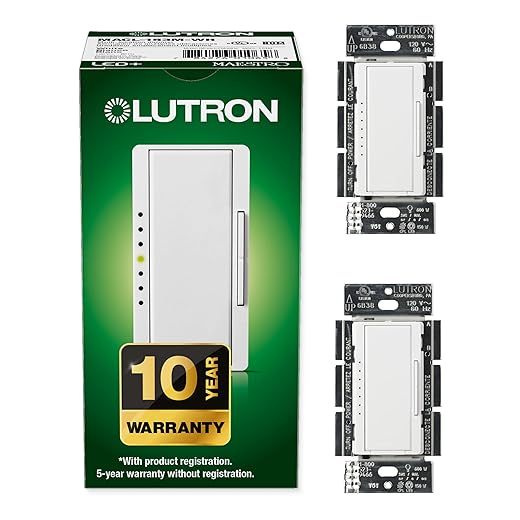
To ensure proper functionality, it is crucial to select a dimmer switch that is compatible with LED lights. Look for a dimmer specifically designed for LED lighting. These dimmers are equipped with features that are tailored to the unique characteristics of LED technology. When shopping for a dimmer, pay attention to labels or product descriptions that indicate compatibility with LEDs.
If you’re unsure about which dimmer switch to choose or how to install it correctly, it’s always a good idea to consult the manufacturer’s instructions. These instructions usually provide specific information about compatibility and installation requirements. If you’re still uncertain, don’t hesitate to seek assistance from a professional. There are experts who specialize in lighting and can offer guidance based on your specific needs and requirements.
By choosing the right dimmer switch for your LED lights and following the manufacturer’s instructions or seeking assistance from an expert, you can ensure that your LED lighting system functions properly and efficiently.
Turn Off the Power
Before proceeding, it is crucial to turn off the power to the LED lights at the circuit breaker to ensure your safety. By doing so, you can effectively prevent any potential electrical accidents or damages. Here are a few examples to illustrate how you can accomplish this:
- Locate the circuit breaker panel in your home. Normally, it is found in a utility room or basement.
- Open the panel door and identify the breaker that controls the LED lights. It is usually labeled accordingly, but if not, you may need to test each breaker until you find the correct one.
- Once you have identified the correct breaker, switch it off by firmly pushing the switch to the “off” position.
- To ensure the power is truly off, test the LED lights by flipping their switch or using a wall switch connected to them. If the lights don’t turn on, this confirms that the power is safely disconnected.
Remember, turning off the power at the circuit breaker is a vital precautionary step that should always be followed before working on any electrical components. Your safety is paramount, so take the time to carry out this simple procedure for a worry-free experience with your LED lights.


Remove Existing Switch
To remove the existing switch that controls the LED lights from the wall, you will need a screwdriver. Start by locating the switch on the wall. Use the screwdriver to loosen the screws that are holding the switch in place. Make sure to loosen them enough so that the switch becomes loose but not completely detached from the wall.
Once the screws are loose, gently pull the switch away from the wall. Be careful not to pull too hard or damage the wiring behind it. As you pull the switch away from the wall, you will begin to expose the wiring that is connected to it.
Continue pulling the switch away from the wall until the wiring is fully exposed. At this point, you can inspect the wiring to ensure there are no loose or damaged connections. If necessary, make any necessary repairs or adjustments before proceeding with installing the new switch.
Remember to always exercise caution when working with electrical components. If you are uncertain about any steps or feel uncomfortable performing them, it is always best to consult a professional electrician to ensure proper and safe removal of the existing switch.
Install Dimmer Switch
First, make sure to read the manufacturer’s instructions for the dimmer switch installation carefully. Locate the corresponding wires in the wall box – these will typically be a black wire (hot), a white wire (neutral), and a ground wire (green or copper). Take the black wire from the dimmer switch and connect it to the black wire in the wall box, using a wire connector to securely join them together. Next, connect the white wire from the dimmer switch to the white wire in the wall box using another wire connector. Finally, connect the ground wire from the dimmer switch to the ground wire in the wall box. Once all the wires are connected, securely attach the dimmer switch to the wall using the provided screws.
Test and Adjust Dimming
- Turn on the power
- Flip the switch to the “ON” position to provide electrical power to the dimmer switch.
- Make sure the LED lights you want to test are connected to the dimmer switch.
- Gradually adjust the dimmer switch
- Locate the dimmer switch and use your hand to turn the dial or slide the switch to increase or decrease the brightness gradually.
- Observe the LED lights closely while adjusting the dimmer switch.
- Ensure smooth dimming without flickering
- Check that the LED lights dim smoothly and without any flickering.
- If you notice any flickering or uneven dimming, proceed to the next step to resolve the issue.
- Adjust dimmer switch settings
- Refer to the manufacturer’s instructions for your specific dimmer switch model to identify any adjustments you can make.
- Use a small tool, such as a screwdriver, to make the necessary adjustments as instructed by the manufacturer.
- Consult the manufacturer for further assistance
- If you are unable to resolve the dimming issues on your own, contact the manufacturer for expert support and guidance.
- Provide them with details about your dimmer switch model and the specific problems you are experiencing to help them assist you effectively.
Remember, it’s crucial to test and adjust dimming to ensure optimal performance and prevent any issues with flickering or uneven dimming of your LED lights.
Final Thoughts and Recommendations
In conclusion, dimming LED lights is not as complicated as it may seem. By following a few important steps, you can achieve the perfect ambiance in your space. Remember, it’s crucial to use dimmable LED lights and select the appropriate dimmer for your setup. Ensure proper installation and wiring to ensure effective and safe dimming. If you’re unsure about anything, don’t hesitate to consult a professional. By prioritizing safety and following these guidelines, you’ll be well on your way to creating the desired atmosphere in your home or office.
Must-Have Supplies


Effortless Brightness Control
Step-by-Step Guide to Harnessing the Power of Energy-efficient LED Lighting
- Choose the right bulb: Make sure to select LED bulbs with the appropriate brightness level for the area you want to light up. Look at the lumen output instead of wattage, as LED bulbs use fewer watts but still provide ample brightness
- Replace existing bulbs: When switching to LED lighting, start by replacing your current incandescent or CFL bulbs with LED alternatives. LEDs are designed to fit standard sockets, making the transition easy and hassle-free
- Consider color temperature: LED bulbs come in different color temperatures, measured in Kelvin. For a warmer, cozier atmosphere, choose bulbs with a lower Kelvin rating (around 2700K), while higher Kelvin ratings (around 5000K) mimic daylight, creating a cooler and brighter ambiance
- Utilize dimmers and timers: Take advantage of LED bulbs’ excellent dimming capabilities by using compatible dimmer switches. This allows you to adjust the brightness level according to your needs, saving even more energy. Additionally, set timers or smart home systems to automatically turn off lights when not in use
- Maximize light placement: LED bulbs emit light in a specific direction, so ensure you position them correctly. Consider using reflectors or fixtures that help distribute light evenly and avoid wasteful scattering. This way, you can make the most out of your LED bulbs’ efficiency
- Remember, LED lighting offers a wide range of benefits, including energy savings, longer lifespan, and reduced environmental impact. By following these tips, you’ll be well on your way to embracing energy-efficient LED lighting in your daily life!



Another way to dim LED lights is by using smart home automation systems. These systems allow you to control the brightness of your LED lights through a smartphone app or voice commands. They offer more flexibility and convenience, especially if you want to create different lighting scenes or schedules.
That’s a great point! Smart home automation systems can be a fantastic option for dimming LED lights, providing more control and customization. Thanks for sharing!
I tried installing a dimmer switch following this guide, but after turning off the power and removing the existing switch, I found that the wires behind the switch were different from what was described in the guide. Any advice on troubleshooting this issue?
Who needs dim LED lights? I prefer my room to be a disco party 24/7! 💃🎉
Who needs dimming lights when you can just wear sunglasses indoors? #brightlightsproblems
LED lights are already energy-efficient, but to maximize their efficiency, it’s important to choose the right dimmer switch. Look for dimmers that are specifically designed for LED lights and have a wide dimming range. This will ensure smooth and consistent dimming without flickering or buzzing noises.
I dont get why anyone would want to dim LED lights. Brightness is life! 🌟
I dont get the obsession with dimming LED lights. Brightness is key! Whos with me?
Brightness may be key for some, but not everyone. Dimming LED lights is essential for creating ambiance, reducing eye strain, and conserving energy. Its about personal preference and functionality. Lets embrace diversity and options rather than dismissing them.
LED dimming is overrated! Just keep them bright for maximum energy efficiency.
I followed this guide to dim the LED lights in my living room, and it worked like a charm! The step-by-step instructions were easy to follow, and now I can adjust the brightness according to my mood and needs. Thank you for this helpful guide!
I think dimming LED lights ruins the ambiance. Bright all the way!
LED lights are overrated! Dimming takes away their efficiency. Embrace the brightness, people!
LED lights are overrated! Lets stick to good old-fashioned incandescent bulbs.
LED lights are overrated, I prefer the good old incandescent bulbs any day!
LED lights are overrated! Dimming is a waste of energy. Let them shine bright! 🌟
LED lights are overrated! Dimming is unnecessary – just embrace the brightness!
LED lights should always be at full brightness for maximum efficiency. Who needs dimming?
Actually, dimming LED lights not only saves energy but also extends their lifespan. It allows for customization of lighting levels for different scenarios, creating ambiance and reducing glare. Dimming is a key feature that enhances efficiency and flexibility in lighting systems.
LEDs are overrated, just turn them off when you want dimness!
Actually, LEDs offer more control and energy efficiency than traditional lighting. Dimming them not only saves energy but also allows for customized lighting levels. Embrace the versatility of LEDs instead of dismissing their benefits.
I think dimming LED lights is overrated. Just stick to regular brightness levels!
LED lights are overrated. Dimming them is a waste of time and energy.
LED lights are actually highly efficient and versatile. Dimming them can help create the perfect ambiance and save energy. Maybe you havent experienced the full potential of LED lights yet, but they definitely have their benefits. Give them another chance!
LED lights should always be at full brightness for maximum efficiency. Thoughts?
LED lights should never be dimmed, they lose their efficiency and lifespan!
Actually, modern LED lights are designed to be dimmable and can maintain their efficiency and lifespan when dimmed properly. Its important to use compatible dimmer switches and follow manufacturer guidelines. Dimming can even help save energy and create different lighting atmospheres.
Interesting read, but Im curious, isnt the dimming performance of LED lights greatly affected by the quality of the transformer? And what about the effect of dimming on the lifespan of LEDs? Would love to see more in-depth analysis.
Absolutely! Quality of transformer is key. Dimming can reduce lifespan but depends on usage. More analysis needed!
Just finished skimming through this LED dimming stuff. Its mind-boggling how many dimmers are out there. Im curious though, why arent all LED lights made with built-in dimming capabilities? Seems like it could simplify the whole process. Also, wouldnt it make sense to standardize dimmer switches for all types of bulbs? Just a thought.
Interesting read on LED dimming methods, but isnt it crucial to also consider the compatibility of the dimmer switch with the specific LED light model? Not all dimmers work with every LED, right?
Absolutely right! Dimmer switch compatibility is often underrated but is key to optimal LED performance.
While the article clearly discussed how to dim LED lights, Im curious about how different dimmer models affect LED light longevity. Has anyone experienced a change in LED lifespan due to dimming?
I think using dimmable LED lights is a game-changer for setting the mood in any room. The right dimmer switch can really make a difference in creating a cozy atmosphere. Who knew lighting could be so exciting?
I prefer natural light for setting the mood. Its free and always perfect.
I personally think that dimming LED lights is a game-changer for creating the perfect ambiance in any room. Its like having a magic wand to control the mood! Whats your go-to method for dimming LEDs? Pulse width modulation or analog dimming? Lets discuss!
While its great to know how to dim LED lights, has anyone considered how this affects the longevity of the LEDs? I mean, does dimming them extend or reduce their lifespan?
Interesting read, but doesnt the efficiency of LED lights diminish when dimmed excessively? Wouldnt it be better to opt for lights with lower lumen output instead? Lets discuss.
Im curious, dont dimmable LED lights often flicker or buzz at lower light levels? Im sure I read somewhere that its a common issue. What are your thoughts?
Isnt it ironic that were trying to dim the most efficient lights? Perhaps we should focus on adjusting our eyes instead. Just a thought.
Interesting article, but why dim LED lights at all? Isn’t the whole point of LED to have brighter, more efficient lighting? Just a thought.
Interesting read, but wouldnt it be more efficient to just use natural light? I mean, arent we over-complicating things with dimmable LED lights? Just a random thought.
Interesting read but isnt it ironic how were spending time and energy on dimming LED lights rather than fixing the actual light pollution problem? Just food for thought!
Interesting read, but Im curious. If were dimming LEDs to save energy, arent we just negating the efficiency of LED lights in the first place? Whats the point then? Seems counterproductive to me.
Interesting article, but does the dimming really affect LED lights energy efficiency or is it just for ambiance?
Interesting read, but dont you think LED dimming compatibility should be a standard feature, not an add-on? Lets discuss, folks.
Interesting article but can we really trust the efficiency of these dimmers? Arent there any long-term effects on LED lifespan?