

How to Choose the Right LED Light Strip for Your Project
Affiliate links — we may earn a commission
In my step-by-step guide, “How to Choose the Right LED Light Strip for Your Project,” I will help you navigate the world of LED light strips and make an informed decision for your project. LED light strips have become increasingly popular due to their versatility and energy efficiency. However, with the wide range of options available, it can be overwhelming to select the right one for your specific needs. That’s where this article comes in!
I will guide you through the process of choosing the correct LED light strip by discussing factors such as brightness, color temperature, wattage, length, and installation requirements. By the end of this guide, you’ll have a clear understanding of what to consider when selecting LED light strips and feel confident in your decision-making process. Whether you’re looking to enhance your home decor, add accent lighting, or create a stunning DIY project, this guide will help you choose the perfect LED light strip for your project.
Top-Rated LED Light Strips


My Expert Tips on Selecting the Perfect LED Strip Lights for Your DIY Project in 2022
Understanding your project requirements
To evaluate the specific needs of your project, start by determining the desired brightness level. Consider if you require a high level of brightness for visibility in outdoor settings or if a lower brightness level is sufficient for indoor use. Next, identify the desired color temperature, whether you need warm or cool lighting. Take into account the length of the project, whether you need a short strip of LED lights or a longer one to cover a larger area. Finally, consider any special features you require, such as dimming capabilities or waterproofing for outdoor installations.
Here is an example of how you can use bullet points to present the information:
- Brightness: Determine if you need high or low brightness levels.
- Example: High brightness for outdoor signage or low brightness for indoor accent lighting.
- Color temperature: Decide if you prefer warm or cool lighting.
- Example: Warm lighting for a cozy ambiance or cool lighting for a modern, crisp look.
- Length: Assess the length of LED lights needed for your project.
- Example: Short strip lights for under-cabinet lighting or longer strips for room perimeter illumination.
- Special features: Consider any additional features required.
- Example: Dimming capabilities for adjustable lighting or waterproofing for outdoor applications.


Researching available LED light strip options
Explore Different LED Light Strip Options:
- Begin by researching the available LED light strip options in the market.
- Consider factors such as quality, durability, energy efficiency, and compatibility with your project.
- Evaluate the specifications and features of different LED light strips to ensure they meet your requirements.
- Read customer reviews and ratings to gain insights into the experiences of others who have used the LED light strips.
- Compare prices to find the best value for your budget.
- Look for reputable brands that are known for producing high-quality LED light strips.
- Consider the brightness level and color temperature of the LED light strips to ensure they will meet your lighting needs.
- Check for additional features such as waterproofing or dimmability, depending on your specific project requirements.
- Seek recommendations from professionals or experts in the field to further narrow down your options and make an informed decision.
Determining the appropriate LED strip type
To determine the appropriate LED strip type for your project, start by considering your installation preferences and the specific requirements of your project. If you need flexibility and easy maneuverability, opt for flexible LED light strips. On the other hand, if you prioritize stability and a more permanent installation, rigid LED light bars would be the better choice. Carefully assess the needs of your project and select the LED strip type accordingly for optimal results.


Calculating the required length
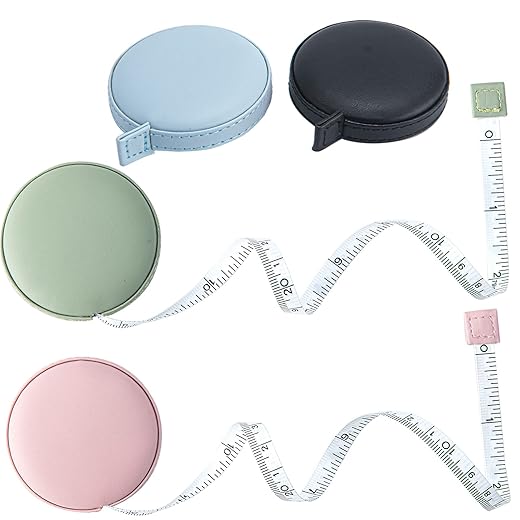
To calculate the required length for your LED light strip installation, start by measuring the space where you plan to install it. Use a measuring tape and ensure that you have accurate measurements. Once you have the measurements, factor in any corners or bends where the strip will need to be cut and connected. Add up all these lengths to determine the total required length for a proper fit.
Selecting the desired color and color temperature
To select the desired color and color temperature for your LED light strip, consider the ambiance and mood you want to create. Follow these easy steps:
- Determine the ambiance: Think about the atmosphere you want to achieve in the room. Do you prefer a warm and cozy feel or a cool and refreshing vibe? This will help you narrow down your color and color temperature options.
- Choose the appropriate color: Consider the color wheel when selecting the color for your LED light strip. For a calm and soothing atmosphere, opt for blues or greens. If you want a vibrant and energetic ambiance, choose reds or yellows. Whites can provide a clean and modern look.
- Select the color temperature: Color temperature refers to the warmth or coolness of the light. Lower color temperatures (2500K-3000K) emit warm, yellowish light, perfect for creating a cozy and intimate setting. Higher color temperatures (4000K-5000K) produce cooler, bluish light, which is ideal for enhancing focus or creating an invigorating atmosphere.
- Consider dimming options: Some LED light strips offer dimming capabilities, allowing you to adjust the brightness and further customize the ambiance. This can be particularly useful if you want to create different moods throughout the day or for different activities.
Remember, the color and color temperature you choose can greatly impact the overall feel of the room. Taking a moment to consider your desired ambiance and following these steps will help you select the perfect color and color temperature for your LED light strip.
Checking the brightness level
To determine the desired brightness level for your project, first consider the environment and purpose of your lighting. Are you looking for bright, intense lighting or a softer, more ambient glow? Once you have determined the desired brightness level, select an LED light strip that meets or exceeds your requirements. Make sure to consider the brightness specifications provided by the manufacturer and choose a light strip that will provide the desired level of illumination.
Examining additional features
When examining additional features for your lighting, it’s important to consider your specific needs. If you prefer adjustable brightness in your lighting, look for options that offer dimmability. For added convenience, remote control options allow you to easily adjust the lighting settings from anywhere in the room. And if you’re looking to integrate your lighting with a smart home system, make sure to choose lights that are compatible for seamless automation and control.
Reviewing customer reviews and ratings
To gain insights into the performance and reliability of the LED light strip you are considering, read reviews and ratings from other customers. Look for feedback on features like brightness, color accuracy, and durability. Pay attention to any common issues or recurring themes. This will help you make an informed decision and choose the LED light strip that best fits your needs.
Making the Best Choice
In conclusion, choosing the right LED light strip for your project is a crucial step towards achieving your desired lighting effects. By considering your project requirements, researching available options, and making an informed decision, you can ensure that you select an LED light strip that not only meets your needs but also enhances the overall ambiance of your space. So, take the time to evaluate your project, explore different options, and make an informed choice. Remember, the right LED light strip can make all the difference in creating the perfect lighting solution for your project.
Essential Supplies




Enhancing Your Space
Step-by-step guide to make the most of your LED light strips
- Choose the right LED light strip: There are various types and sizes of LED light strips available in the market. Determine the length and color of the lights you need for your project before making a purchase
- Clean and prepare the surface: Before installing the LED light strips, clean the surface where you plan to apply them. Make sure it is dry and free of any dust or debris to ensure good adhesion
- Mount the LED light strips: Peel off the backing tape and carefully stick the LED light strips onto the desired surface. Ensure that they are aligned in a straight line and press them down firmly to ensure they adhere properly
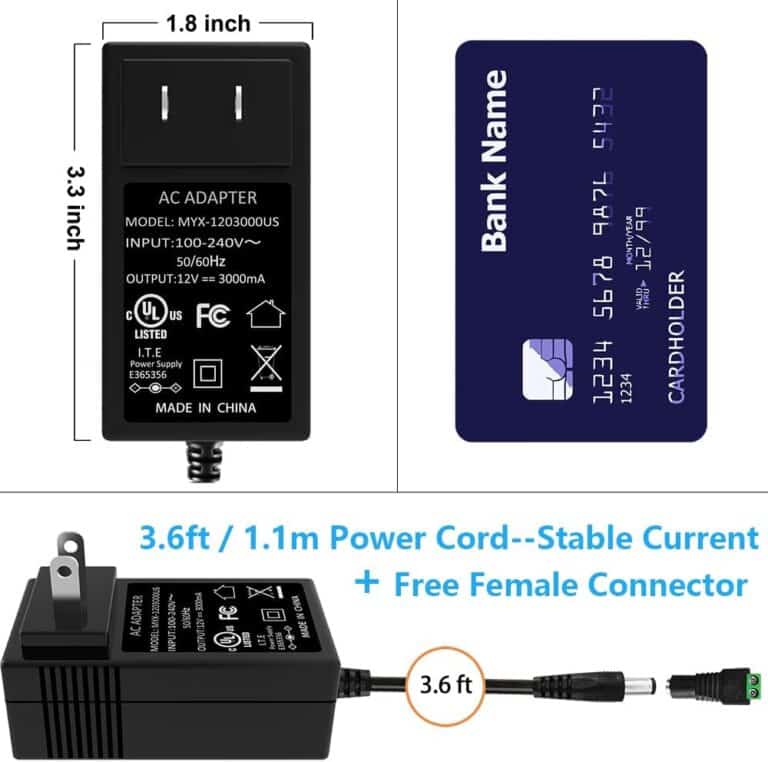
- Connect and power the LED light strips: Most LED light strips come with connectors and a power supply. Connect the strips together using the provided connectors or solder them if necessary. Then plug the power supply into a wall outlet or use a suitable power source
- Control and customize the lighting: LED light strips often come with a remote control or a control panel. Familiarize yourself with the controls to adjust the brightness, color, and various lighting effects. Explore different color combinations and effects to create the ambiance you desire
- Remember, each LED light strip manufacturer may have specific instructions, so it’s always a good idea to read the product’s manual or refer to any provided documentation for additional guidance. Enjoy experimenting with your LED light strips and have fun creating stunning lighting displays!
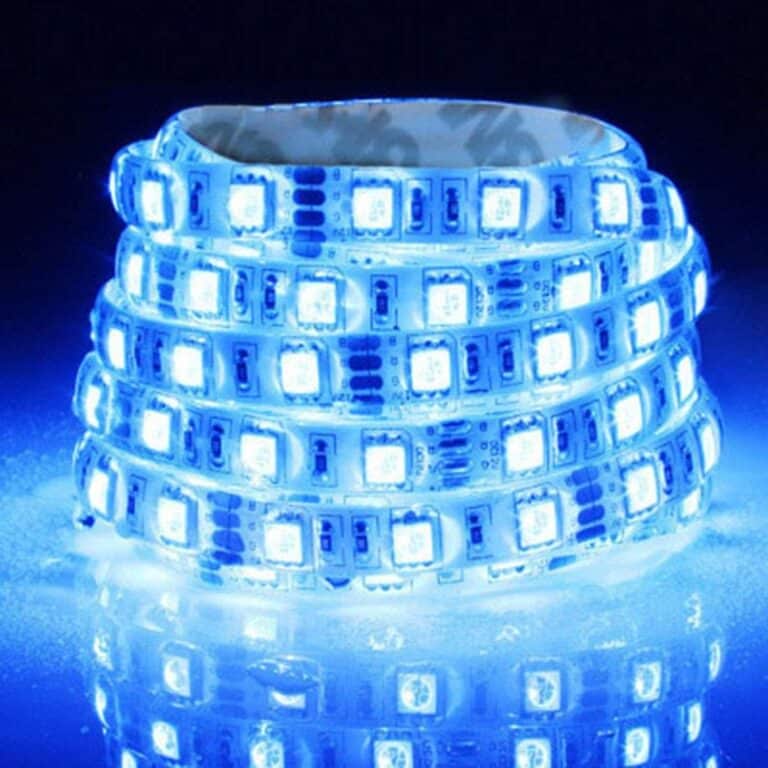


One real world application for LED light strips is in home theater setups. They can be used to create ambient lighting behind the TV or under the seating, enhancing the viewing experience.
I found that using LED light strips with adhesive backing made the installation process much easier. It saved me time and effort compared to having to use additional adhesive or clips.
I would suggest considering waterproof LED light strips if you plan to use them in outdoor projects or in areas with high humidity. This will ensure durability and longevity.
LED light strips are so 2021, Im all about neon lights now!
I think the article missed the importance of LED light strip colors matching your aura. 🌈✨
LED light strips? Why bother? Just use candles and save energy! #oldfashioned #savetheplanet
I think LED light strips are overrated. Who needs all that fancy lighting?
LED light strips are overrated. Natural light is the best for any project!
LED light strips are overrated! Natural sunlight is the way to go.
I think LED light strips are overrated. Candles are the way to go! 🕯️
I believe LED light strips are overrated. Nothing beats good old-fashioned lamps!
I think LED light strips are overrated. Natural light is always better!
LED light strips are overrated. Natural light is always better for DIY projects.
LED light strips are overrated! Natural sunlight is the best lighting for any project.
LED light strips are overrated. Go for traditional lighting options for a change!
LED light strips are overrated. Natural light is the way to go! 🌞
LED light strips are overrated. Just use candles for a cozy vibe! 🕯️
LED light strips are overrated. Nothing beats the ambiance of good old-fashioned candles!
LED light strips are overrated! Candles are the true mood-setters. #BringBackCandleLight
LED light strips are overrated – just use candles for a cozy DIY project! 🕯️
LED light strips are overrated! Natural light is the way to go.
LED light strips are overrated. Natural light is always better for projects.
LED light strips are overrated, go for fairy lights for a unique touch.
I must say, the article is pretty insightful! However, it wouldve been great if it had delved more into how to install these LED light strips. Also, are there any specific brands that offer better adhesive for easier application? Just curious. Thanks!
Ive gotta ask, did anyone else find the top-rated LED light strips section a tad vague? I mean, what criteria are they using to rate these? Lumens, color accuracy, or just price and availability? Its fine mentioning expert tips, but we need some clear, objective yardsticks here, folks!
While I agree with the key points on understanding project requirements and researching available LED light strip options, I believe its also crucial to discuss the energy efficiency and lifespan of different LED strips. Its not just about aesthetics but also practical considerations, right?
Interesting read! However, did anyone consider the power source for these LED Strips? Not all power adapters are created equal, and that can really affect performance and longevity.
Really appreciate the deep dive into LED strip selection! Anyone else think that, despite the research, finding the perfect brightness can still be a hit or miss?
Interesting read, but did anyone else notice the lack of info on waterproof LED strips? I mean, arent those crucial for outdoor projects? Just a thought, folks!
I personally believe that understanding your project requirements is key when choosing LED light strips. Its like trying to fit a square peg in a round hole – it just wont work! Do you agree?
I strongly believe that understanding your project requirements is key when choosing LED light strips. Researching available options can be overwhelming, but necessary for a successful DIY project in 2022.
Just grab any LED strip, plug it in, and youre good to go. No need to overthink it.
I disagree with the articles emphasis on solely researching LED light strip options. Understanding project requirements should be the priority to select the right one. What do you think?
I disagree with the articles emphasis on researching LED light strip options. Sometimes its more fun to just go with your gut and pick the first one that catches your eye! Who needs research when you have intuition, right?
Research ensures quality and value. Trusting intuition blindly can lead to regrettable purchases.
While this article covers the basics of choosing LED light strips, its missing the importance of color temperature. How about a piece covering how light temperature can affect our mood and productivity?
I found the article really enlightening, but dont you think it would be beneficial to include a section comparing the energy efficiency of different LED strip brands?
Interesting article! But arent all these tips too general? Is there any practical way to match LED light strip brightness to different project needs? Thoughts, anyone?
Ever heard of dimmers? Theyre the practical solution for adjusting LED strip brightness!
Interesting tips, but arent incandescent lights better for creating a cozy vibe? LEDs always seem too clinical for home use. Thoughts?
Ever tried warm LED lights? They mimic incandescents perfectly, and save on energy too!
Interesting read but honestly, arent all LED light strips pretty much the same? How much research do you really need for a DIY project?
Interesting read, but arent we neglecting the environmental impact of LED strip production? I think we should talk more about sustainable lighting options, not just what looks cool. Just a thought!
While the article is enlightening, I cant help but wonder, why the lacklustre attention to RGBW strips? In my experience, they offer more vibrant colours and better ambience. Lets not just follow trends, guys.