

How to Calculate the Energy Savings of Solar-powered LEDs
Affiliate links — we may earn a commission
Hello! In this quick summary, I will provide an overview of the step-by-step guide on how to calculate the energy savings of solar-powered LEDs.
The purpose of this guide is to help individuals understand the potential energy savings that can be achieved by utilizing solar-powered LED lighting. Solar-powered LEDs are an environmentally friendly and cost-effective lighting solution that harnesses the power of the sun to generate electricity and illuminate spaces.
This guide will walk you through the process of calculating energy savings by considering factors such as the wattage of traditional lighting sources, the energy output of solar panels, and the efficiency of LED bulbs. By following these steps, you will be able to estimate the amount of energy that can be saved through the use of solar-powered LEDs compared to conventional lighting methods.
Whether you are a homeowner looking to reduce your energy consumption or a business owner interested in sustainable lighting solutions, this step-by-step guide will provide you with the knowledge and tools necessary to determine the energy savings potential of solar-powered LEDs.
So, let’s get started on this journey towards a more sustainable and energy-efficient future!
Top-Rated Solar-Powered LED Lighting Solutions


A Guide to Sizing Your Solar Power System
Understanding Solar-powered LEDs
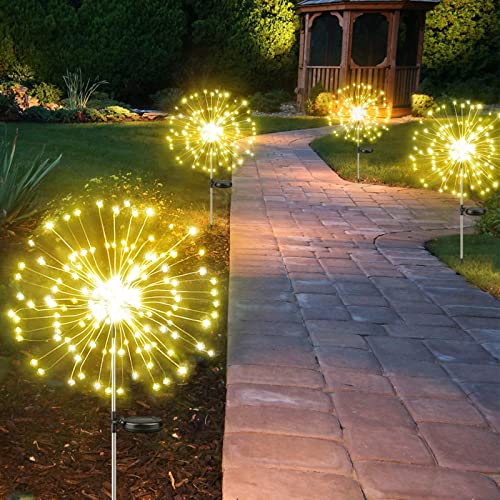
Solar-powered LEDs, also known as solar LED lights, are lighting fixtures that use solar energy to power the LED bulbs. They work by harnessing sunlight and converting it into electricity through solar panels mounted on the light fixture. This electricity is stored in rechargeable batteries, which are then used to power the LED lights during nighttime or when there is insufficient sunlight.
The energy-saving benefits of solar-powered LEDs are undeniable when compared to traditional lighting systems. Unlike conventional lights that rely on electricity from the grid, solar LED lights are independent and self-sustaining. They do not require any external power source, resulting in significant cost savings on electricity bills. Additionally, solar-powered LEDs are highly efficient, as they convert sunlight directly into electricity without any wastage. This makes them environmentally friendly, as they have a minimal carbon footprint and contribute to reducing reliance on fossil fuels.
In conclusion, solar-powered LEDs are a revolutionary lighting solution that utilizes solar energy to power LED lights. By harnessing the sun’s energy and providing efficient illumination, they offer significant energy-saving benefits compared to traditional lighting systems. Switching to solar-powered LEDs not only helps reduce electricity costs but also promotes sustainable and environmentally-friendly practices.


Gather Information
Collect data on your existing lighting system. Start by noting down the type of bulbs you are currently using, whether they are incandescent, fluorescent, or any other type. Record the wattage of each bulb to have a clear understanding of the power consumed by your lighting setup.
Next, determine the daily usage hours for each bulb. This information will help you calculate the total energy consumption of your lighting system and assist in making energy-saving comparisons in the future.
In addition to the existing lighting system, gather information on your solar-powered LED system. Note the wattage of the solar panels that are installed to harness the sun’s energy. This will allow you to evaluate the capacity of your solar setup.
Also, gather data on the efficiency of the LEDs used in your solar-powered lighting system. This information will help you understand how effectively the LEDs convert electrical energy into light.
By collecting this information, you will develop a comprehensive overview of both your existing lighting system and your solar-powered LED setup. Armed with this knowledge, you will be better equipped to make informed decisions regarding energy efficiency and cost-effectiveness.
Calculate Energy Consumption
To calculate the energy consumption of your existing lighting system, follow these simple steps. First, determine the wattage of each bulb in your system. This information can usually be found on the packaging or the bulb itself. Next, determine the number of hours each bulb is used daily. You can estimate this by keeping track of how long each light is turned on throughout the day or by multiplying the number of hours the lights are on by the number of days they are typically used before needing replacement. Once you have this information, multiply the wattage of each bulb by the number of hours it is used daily. This will give you the energy consumption in watt-hours (Wh) per day for each individual bulb. Finally, add up the total energy consumed by adding together the energy consumption of all the bulbs in your lighting system.


Calculate Solar-powered LED Energy Consumption
To calculate the energy consumption of your solar-powered LED system, follow these simple steps:
- Determine the wattage of your LEDs: This information can usually be found on the packaging or in the product specifications. For example, let’s say you have ten LEDs with a wattage of 5W each.
- Calculate the total wattage: Multiply the wattage of each LED by the number of LEDs in your system. In our example, 5W multiplied by 10 LEDs equals a total wattage of 50W.
- Estimate the daily usage hours: Consider how many hours your LEDs are used per day. For instance, let’s assume you use them for 6 hours daily.
- Multiply the total wattage by the usage hours: Multiply the total wattage by the number of hours the LEDs are used each day. In our example, 50W multiplied by 6 hours equals a total energy consumption of 300 watt-hours (Wh) per day.
- Consider the solar panel efficiency: Take into account the efficiency of your solar panels to calculate the energy consumption accurately. Let’s say your solar panels have an efficiency of 80%.
- Adjust for solar panel efficiency: Divide the total energy consumption by the solar panel efficiency to find the actual energy consumption. In our example, dividing 300Wh by 0.8 gives us an actual energy consumption of 375Wh per day.
By following these steps, you can calculate the energy consumption of your solar-powered LED system accurately. Remember to adjust the calculations if you have different wattages or usage hours.
Compare Energy Consumption
Compare the energy consumption of your existing lighting system with that of the solar-powered LEDs. To calculate the energy savings, subtract the energy consumption of the solar-powered LEDs from that of the existing system. Start by gathering the necessary information: note down the energy consumption of your existing lighting system and locate the energy consumption specifications for the solar-powered LEDs. Once you have these figures, subtract the energy consumption of the solar-powered LEDs from that of the existing system. The result will provide you with the energy savings achieved by using solar-powered LEDs. Remember, by opting for solar-powered LEDs, you not only reduce your energy consumption but also contribute to a more sustainable and eco-friendly lighting solution.
Evaluate Financial Savings
To calculate the financial savings of using solar-powered LEDs, follow these simple steps:
- Determine the energy savings: Start by finding out how much energy your solar-powered LED system is saving compared to conventional lighting options. Calculate the difference in power consumption between the two and convert it into kilowatt-hours (kWh) if necessary.
- Identify the cost of electricity: Find out the cost of electricity per kilowatt-hour from your utility bill. This information is usually provided on your billing statement or can be obtained by contacting your electricity provider.
- Multiply energy savings by the cost of electricity: Multiply the energy savings in kWh by the cost of electricity per kWh. This will give you the amount of money saved by using solar-powered LEDs.
- Consider the initial installation cost: It’s essential to take into account the upfront cost of installing the solar-powered LED system. Include expenses such as equipment, installation, and any necessary permits. Subtract this cost from the savings to get a more accurate picture of your financial savings.
By following these steps, you can evaluate the financial savings of using solar-powered LEDs more accurately. Remember to consider both the energy savings and the initial installation cost to get a comprehensive understanding of your cost savings.
Discover your potential savings
In conclusion, calculating the energy savings of solar-powered LEDs is a smart choice for both the environment and your wallet. By following the steps outlined in this guide, you can accurately measure the amount of energy saved by making the switch to solar-powered LEDs.
Not only will you be reducing your carbon footprint, but you’ll also be reaping financial benefits in the long run. Solar-powered LEDs have a significantly lower energy consumption compared to traditional lighting options, resulting in lower electricity bills and greater savings over time.
I encourage you to seriously consider adopting this energy-efficient lighting solution. Not only will you be taking a step towards a greener future, but you’ll also be making a wise investment in your own financial stability. So why not start saving energy and money today with solar-powered LEDs?
Maximizing Efficiency
Getting the most out of your solar-powered LEDs
- Choose the right location: Place your solar-powered LEDs in an area that receives ample sunlight throughout the day. The more sunlight they receive, the longer they will stay illuminated at night
- Install and position the lights: Follow the manufacturer’s instructions to install the solar-powered LEDs correctly. Position them where they can capture maximum sunlight during the day and provide the desired lighting effect at night
- Allow for initial charging: Before using your solar-powered LEDs, ensure they are fully charged by allowing them to receive direct sunlight for a day or two. This will optimize their performance and battery life
- Select the lighting mode: Many solar-powered LED lights offer different lighting modes. Experiment with the modes to find the one that suits your needs, whether it’s a constant bright light, a motion sensing mode, or a combination of different settings
- Regularly clean the solar panels: Over time, dust, dirt, and debris can accumulate on the solar panels, which can affect their efficiency. Clean the solar panels periodically to ensure maximum sunlight absorption and keep your solar-powered LEDs working optimally
- Remember, solar-powered LEDs are a great energy-efficient choice for outdoor lighting. By following these simple steps, you can easily enjoy their benefits and contribute to a greener future
I have been using solar-powered LEDs for a while now and while they are great for the environment, I find that they don’t always provide enough brightness for certain areas. Has anyone else experienced this issue? If so, how did you overcome it?
Comment:
Who needs solar-powered LEDs when you can just sit in the dark? #nostarlightneeded
I cant believe how much money Ive saved with solar-powered LEDs! Best decision ever!
Hey, just read the article on calculating energy savings of solar-powered LEDs. Cant believe how easy it is! #GreenEnergy
I recently switched to solar-powered LEDs for my outdoor lighting and I couldn’t be happier with the results. Not only are they environmentally friendly, but they also save me money on my electricity bills. It’s a win-win situation! I’m excited to learn more about calculating the energy savings so that I can track the exact amount of energy I’m saving.
I’m a bit confused about step 4. How exactly do you calculate the energy consumption of solar-powered LEDs? Do you need any specific equipment or measurements? It would be great if you could provide more detailed instructions. Thanks!
Thank you for your question! In step 4, you can calculate the energy consumption of solar-powered LEDs by multiplying the wattage of the LED bulb by the number of hours it operates per day. This will give you the daily energy consumption. To calculate the monthly or yearly energy consumption, you can multiply the daily consumption by the number of days in a month or year. I hope this clarifies the process for you!
Wow, who knew solar-powered LEDs could save so much energy? Definitely considering switching!
I dont understand why were still using solar-powered LEDs. Cant we just go back to candles?
One tip I have for maximizing energy savings with solar-powered LEDs is to strategically place them in areas that receive the most sunlight. By ensuring that the solar panels are exposed to direct sunlight for as long as possible, you can optimize the charging and performance of the LEDs. This has made a noticeable difference in the energy efficiency of my solar-powered lighting setup.
Thank you for sharing your tip! Placing solar-powered LEDs in areas with maximum sunlight exposure is indeed a great way to maximize energy savings. It’s important to consider the positioning of the solar panels to ensure they receive ample sunlight. This can greatly improve the overall performance and efficiency of the LEDs. Great suggestion!
Who needs solar-powered LEDs when we can just use candles? #backtothedarkages
I think solar-powered LEDs are overrated, traditional lighting is just as efficient.
I dont get the hype over solar-powered LEDs. Are they really worth the investment? 🤔
I dont get the hype around solar-powered LEDs. Are they really worth the investment? #ControversialOpinion
I dont get the hype about solar-powered LEDs. I mean, do they really save that much energy? 🤔
I think solar-powered LEDs are overrated. Lets stick to traditional lighting options.
I think solar-powered LEDs are overrated. Lets stick to traditional lighting solutions.
I think solar-powered LEDs are overrated. Traditional lighting is just as efficient.
I installed solar-powered LEDs in my backyard and it has been a game-changer! Not only do they provide great lighting, but I’ve noticed a significant decrease in my energy consumption. It’s amazing how much energy you can save by harnessing the power of the sun. I highly recommend this guide to anyone interested in making their home more energy-efficient.
Solar-powered LEDs are overrated. Traditional lighting solutions still have their place in energy savings.
Traditional lighting solutions may have their place, but dismissing solar-powered LEDs as overrated is shortsighted. Embracing sustainable technology is crucial for a greener future. Lets not overlook the long-term benefits and positive impact solar-powered LEDs have on energy savings and the environment.
I think solar-powered LEDs are overrated. Traditional lighting solutions are just as effective!
I think solar-powered LEDs are overrated, traditional lighting is more reliable.
Solar LEDs are overrated! Traditional lighting is still more reliable and cost-effective.
I believe understanding the energy savings of solar LEDs is crucial for sustainability.
Do you think solar-powered LEDs are the future of lighting solutions? Lets discuss!
Do you think solar-powered LEDs are worth the investment for energy savings?
I think solar-powered LEDs are overrated. Who needs them anyway?
I think solar LEDs are overrated. Traditional bulbs are cheaper and work just fine!
I think solar-powered LEDs are overrated. Traditional lighting is just as efficient!
Traditional lighting may be efficient, but solar-powered LEDs offer sustainability and cost savings in the long run. Embracing new technology is essential for a greener future. Lets not underestimate the power of innovation and environmental consciousness.
I dont buy into the hype around solar-powered LEDs. Give me good ol incandescent bulbs any day!
I think solar-powered LEDs are overrated. Lets stick to traditional lighting solutions!
Is it really worth the effort to calculate energy savings for solar-powered LEDs?
Interesting read! But, wouldnt it be more beneficial to consider the carbon footprint reduction of solar-powered LEDs alongside energy savings? Also, how about including a comparison with traditional power sources?
Interesting read! But, dont you think it would have been more useful to include a practical example to better illustrate the energy savings calculation? Just my two cents!
Interesting read, but wouldnt it be better to focus more on the life span and maintenance costs of solar-powered LEDs vs traditional ones? The initial investment isnt the only factor, right?
Indeed, but shouldnt we prioritize the environmental benefits over cost? Sustainability isnt cheap!
Interesting read, but isnt it also crucial to consider the geographical location and the amount of sunlight received when calculating energy savings of solar LEDs? Just a thought.
Interesting read! However, Im still curious about the initial cost vs savings over time for various solar-powered LEDs. Anybody got real-life examples or figures on that? How quickly can we recoup our investment?
Interesting read, but cant help thinking, are we overestimating solar energy savings? Any thoughts on battery disposal impact? #RandomThoughts #GreenOrNot
Interesting read but isnt it ironic were using energy to calculate energy savings? Could that be counterproductive? Just food for thought, folks.
Interesting read, but isnt it odd that were calculating energy savings without addressing the energy used in manufacturing these solar-powered LEDs? Lets talk about the full lifecycle, not just usage.
Isnt it odd we calculate environmental impact without considering the cost of ignorance?
While I appreciate the effort in this article, isnt it ironic that were using energy to produce solar-powered LEDs to save energy? Are we truly saving or just shifting the burden elsewhere?