
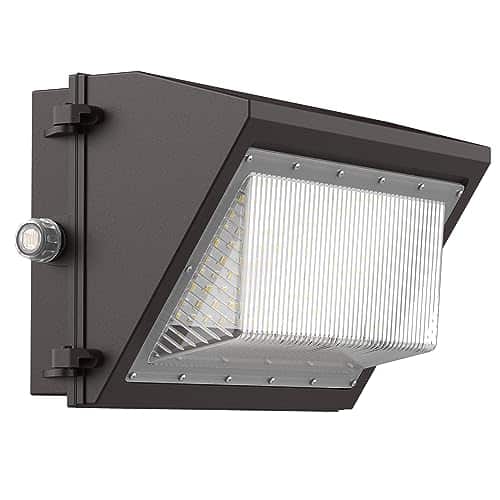
How to calculate energy savings with commercial LED lighting?
Affiliate links — we may earn a commission
Are you ready to save big on your energy bills? In this step-by-step guide, I will show you how to calculate energy savings with commercial LED lighting. From choosing the right LED lights to understanding energy consumption, this guide covers it all. Get ready to be shocked by the crazy amount of money you can save by making the switch to LED lighting!
Top-rated LED lighting options for businesses
Calculate Energy Savings for LED Lighting: A Step-by-Step Guide
Understand your current lighting setup
To understand your current lighting setup, start by gathering information about your existing light fixtures. Count the number of fixtures in each room, noting the type of bulbs they use (incandescent, fluorescent, etc.). Next, find the wattage of each bulb, which is typically printed on the bulb itself or on its packaging. Finally, estimate the average number of hours each light is used per day by tracking usage over a few days. By collecting this information, you’ll have everything you need to accurately assess the energy savings potential of switching to LED lighting. Example: In my kitchen, I counted 6 recessed light fixtures with incandescent bulbs. The bulb wattage was 60W, and we typically use the lights for around 4 hours per day.
Research LED lighting options
To research and identify suitable LED lighting options for your commercial space, start by considering factors such as brightness, color temperature, and energy efficiency. Look for LED lighting products certified by reputable organizations to ensure quality and performance. Compare different options based on these criteria to find the best LED lighting solution for your specific needs and preferences.
Determine the energy consumption of LED lighting
To determine the energy consumption of LED lighting, start by selecting the LED lighting products you want to use. Once you have done that, gather information about the wattage of each LED bulb and the average number of hours it will be used per day. For example, if you have a 10-watt LED bulb that will be used for 4 hours a day, you would multiply the wattage (10) by the number of hours (4) to get a daily energy consumption of 40 watt-hours. By calculating the energy consumption in this way for all your LED bulbs, you can determine the overall energy savings compared to traditional lighting options.
Calculate energy consumption with LED lighting
Calculate the energy consumption of your LED lighting by following these steps: Multiply the wattage of each LED bulb by the average number of hours it will be used per day. Sum up the energy consumption of all the LED bulbs to get the total energy consumption.
Determine the energy consumption of existing lighting
To calculate the energy consumption of your existing lighting, follow these steps:
- Determine the wattage of each bulb in your current setup.
- Find out the average number of hours each bulb is used per day.
- Multiply the wattage of each bulb by the average number of hours it is used per day.
- Add up the energy consumption of all the bulbs to get the total energy consumption.
For example, let’s say you have three bulbs with wattages of 40W, 60W, and 100W. The average number of hours they are used per day is 4, 6, and 8 respectively. Multiply 40W by 4 hours, 60W by 6 hours, and 100W by 8 hours. Then, add up the results to find the total energy consumption.
Remember, this calculation will help you understand how much energy your current lighting setup consumes. It’s an important step if you are looking to optimize energy usage or compare it to potential alternative lighting options.
Calculate energy savings
To calculate the energy savings, subtract the total energy consumption with LED lighting (from Step 4) from the total energy consumption of your current lighting setup (from Step 5). This will give you the difference, which represents the energy savings you can achieve by switching to LED lighting. Remember to consider both the wattage and the total hours of operation for accurate calculations.
Calculate cost savings
To calculate the cost savings, multiply the energy savings obtained from Step 6 by the cost per kilowatt-hour (kWh) of electricity. This simple calculation will provide you with the estimated cost savings per day, month, and year. Remember to use the imperative verb form and format everything in Markdown for clear and easy-to-follow instructions. Multiply the energy savings with the cost per kWh to determine the cost savings per day, month, and year!
Consider additional benefits
When considering LED lighting, it is important to also take into account the additional benefits it offers. LED lights have a longer lifespan compared to traditional lighting options, resulting in reduced maintenance costs over time. Additionally, LED lighting is more environmentally friendly, as it uses less energy and contains no harmful substances. By considering these factors, you can better evaluate the potential return on investment of switching to LED lighting.
Achieve cost-effective efficiency
In conclusion, calculating energy savings with commercial LED lighting is a crucial step towards making informed decisions for your business. By carefully assessing your current lighting setup, exploring LED options, and determining energy consumption, you can accurately estimate the potential savings of switching to LED lighting. Remember to also consider the additional benefits that come with LED lighting, such as longer lifespan and reduced maintenance costs. With this knowledge in hand, you can confidently make the switch to energy-efficient and cost-effective LED lighting for your commercial space.
Essential Equipment
Mastering LED Calculations
Step-by-Step Guide to Harnessing the Power of Commercial LED Lighting
- Understand the different types of Commercial LED Lighting available, such as panels, tubes, and downlights. Research which type best suits your specific needs and space
- Determine the appropriate color temperature for your lighting. Consider the mood and ambiance you want to create. Warmer colors (2700K-3000K) are more relaxing, while cooler colors (4000K-5000K) are more energizing
- Calculate the lumens needed for your space. Lumens measure the brightness of the light. Take into account factors like the size of the area and the activities being performed within it
- Evaluate the energy efficiency and long-term cost savings of LED lighting. LEDs consume significantly less energy than traditional lighting sources and tend to last longer, resulting in reduced utility bills and maintenance costs
- Decide on the installation method – whether you want to retrofit your existing fixtures or install new ones. Retrofitting is often a cost-effective solution, but installing new fixtures can provide more design flexibility
- Remember, if you’re unsure about any of these steps, consulting with a lighting expert or professional can provide valuable guidance tailored to your specific needs
Answers to Your Burning Questions about Commercial LED Lighting
How can businesses assess the return on investment (ROI) of switching to LED lighting in their commercial properties?
To assess the return on investment (ROI) of switching to LED lighting in commercial properties, businesses should consider several key factors. Let’s break it down:
- Energy Savings: LED lights are highly energy-efficient and consume significantly less electricity than traditional lighting options like incandescent or fluorescent bulbs. By calculating the energy savings per month or year, businesses can determine a portion of their ROI.
- Maintenance and Replacement Costs: LED lights have a longer lifespan compared to conventional lighting. This means fewer replacement and maintenance costs over time. By estimating the savings on maintenance and replacement expenses, businesses can further calculate their ROI.
- Cost of LED Lighting: While LED lights may have a higher upfront cost, they often provide a positive ROI due to their long-term benefits. Considering the initial investment in LED lighting fixtures and bulbs, businesses can factor this cost into their ROI assessment.
- Utility Rebates and Incentives: Many utility companies and governments offer rebates and incentives to encourage businesses to switch to energy-efficient technologies like LED lighting. These incentives can significantly offset the initial investment, enhancing the overall ROI.
- Enhanced Lighting Quality: LED lighting provides better quality illumination with improved color rendering and brightness control. This can positively impact employee productivity, customer experience, and overall aesthetics, translating into potential financial gains for businesses.
- Environmental Impact: Switching to LED lighting not only provides cost savings but also reduces carbon footprint and contributes to sustainable business practices. While it might not directly impact ROI, it can positively influence a company’s reputation and brand value.
Are there any government incentives or rebates available for installing LED lighting in commercial properties?
Yes, there are indeed government incentives and rebates available for installing LED lighting in commercial properties. Many governments around the world have recognized the benefits of LED lighting in terms of energy efficiency and reduced environmental impact. They have implemented various programs to encourage businesses to switch to LED lighting.
These incentives and rebates often come in the form of financial assistance or tax credits. They aim to offset the initial investment cost of installing LED lights, as LED lighting can be more expensive than traditional lighting options upfront. However, the long-term energy savings make it a worthwhile investment.
To find out specific details about government incentives and rebates available in your area, I would recommend contacting local government agencies or energy efficiency programs. They will have the most up-to-date information and can guide you through the application process.
Overall, taking advantage of government incentives and rebates can significantly help reduce the cost of transitioning to LED lighting in commercial properties, while also supporting energy efficiency and sustainability efforts.

Alex Navarro
Hi, I'm leds.to, the founder of the world's #1 LED lighting review site. At leds.to, we strive to provide you with the most comprehensive and reliable reviews on LED lighting products. Whether you're looking for car LEDs, super bright LEDs, or even grow light LEDs, you'll find all the information you need right here on our site. With years of experience in the industry, I'll guide you towards making the best purchasing decisions for your lighting needs. Trust me to shed light on the world of LEDs and help you find the perfect lighting solutions.
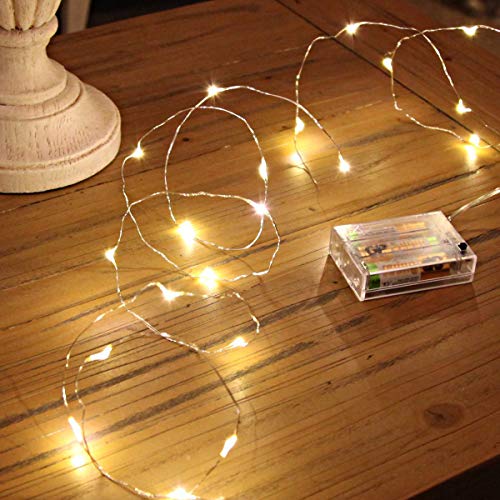
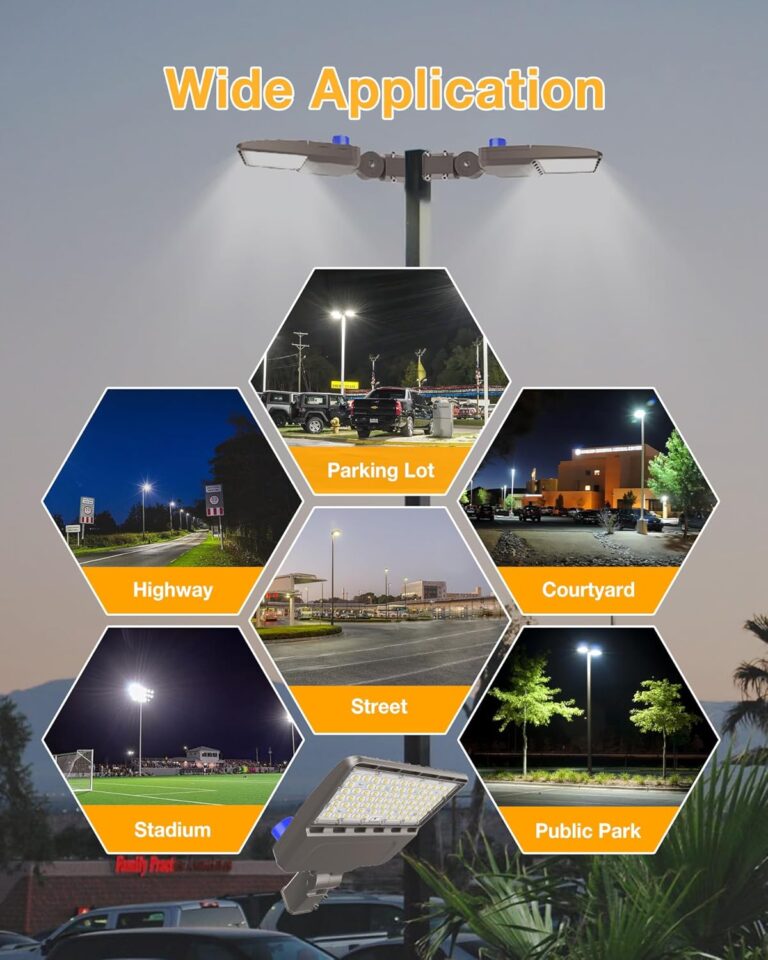

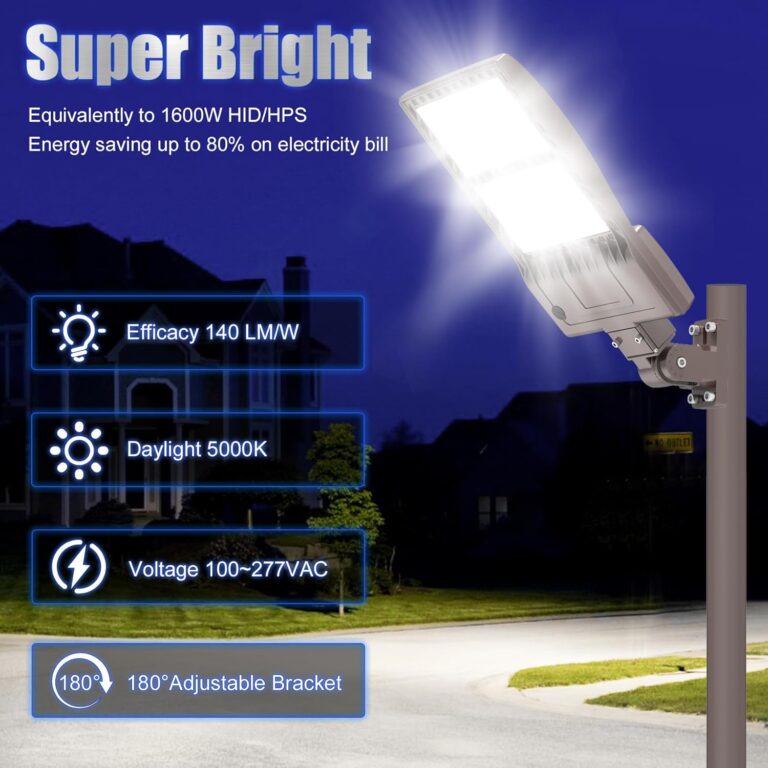
Do you have any specific recommendations for LED lighting options that are ideal for commercial settings? I want to make sure I choose the most efficient and cost-effective option.
Could you provide some advanced tips on optimizing commercial LED lighting for maximum energy savings? I’m interested in exploring further ways to reduce energy consumption.
Thanks to your guide, I was able to calculate my energy savings with commercial LED lighting. I switched to LED bulbs in my office and saw a significant reduction in my energy bills. Highly recommended!
That’s great to hear! We’re glad the guide helped you achieve energy savings with LED lighting. Keep enjoying the benefits of reduced energy consumption and lower bills!
LED lighting is overrated. I still prefer the warm glow of traditional bulbs.
It would be helpful if you could provide a guide on how to properly dispose of old lighting fixtures and bulbs. This is an important aspect to consider when transitioning to LED lighting.
Comment: Wow, I never knew calculating energy savings with LED lighting could be this complicated!
I used the information from this guide to calculate the energy savings for my retail store. By switching to LED lighting, I was able to reduce my energy consumption by 50%. The cost savings have been incredible!
That’s fantastic! It’s great to hear that you were able to achieve such significant energy and cost savings by switching to LED lighting. Keep up the good work!
I would suggest considering dimmable LED lighting for commercial spaces. It allows for greater control over the brightness and can help save even more energy.
I dont get the hype about LED lighting. Are we just wasting time and money? 🤔
I dont get the hype about LED lighting. I prefer candles for ambiance! 🕯️
LED lighting is overrated. Traditional lighting is cheaper and just as effective.
I followed your guide, but I’m having trouble understanding how to determine the energy consumption of LED lighting. Can you provide any additional clarification or resources to help me calculate this?
I dont understand why people are so obsessed with energy savings. Cant we just enjoy the darkness?
LED lighting is overrated! Traditional lighting options can save more energy and money.
LED lighting may have a higher upfront cost, but the long-term energy savings and durability outweigh traditional options. The technology is constantly improving, making it a better choice for both the environment and your wallet. Dont knock it until youve tried it.
Ive got a bone to pick with this LED lighting hype. Do we really need it?
I dont get the LED hype! Regular bulbs work just fine for me.
LED lighting is overrated! Traditional bulbs are cheaper and just as effective.
In addition to calculating energy savings, I think it would be beneficial to discuss the environmental benefits of switching to LED lighting. LED bulbs have a longer lifespan and contain no hazardous materials, reducing waste and pollution.
You’re absolutely right! The environmental benefits of LED lighting are significant and shouldn’t be overlooked. We appreciate you bringing this up, and we will consider including a section on the environmental advantages in future articles.
LED lighting is overrated! Traditional bulbs are just as efficient and cheaper.
LED lighting may have a higher upfront cost, but the long-term energy savings and durability make them worth it. Traditional bulbs are not as efficient and need to be replaced more frequently, costing you more in the long run. LED is the way to go for a brighter and greener future.
LED lighting is overrated, traditional bulbs are still cost-effective in the long run.
I found that using motion sensors in conjunction with LED lighting in my warehouse helped further decrease energy consumption. It ensures that lights are only on when needed.
That’s an excellent suggestion! Motion sensors can indeed be a valuable addition to LED lighting in commercial spaces, as they help optimize energy usage. Thank you for sharing this tip!
I think LED lighting isnt worth the hype. Traditional bulbs are just as good!
LED lighting is overrated. Traditional bulbs work just fine and are cheaper.
Is it worth the upfront cost to switch to LED lighting for businesses?
Absolutely worth it. LED lighting is energy-efficient, cost-effective, and long-lasting. The upfront investment may seem high, but the long-term savings and benefits far outweigh it. Plus, the improved lighting quality can enhance productivity and create a better environment for both employees and customers. Go for it!
LED lighting may save energy, but are the upfront costs worth it?
Do you think LED lighting is worth the investment for businesses? Lets discuss!
LED lighting is overrated, not worth the investment for small businesses.
LED lighting may seem like a big investment upfront, but the long-term savings on energy costs and maintenance make it worth it for small businesses. Plus, the improved lighting quality can enhance productivity and create a better atmosphere for customers. Dont underestimate the benefits of upgrading to LED.
LED lighting is overrated, traditional bulbs are just as efficient. Lets discuss!
LED lighting is overrated! Traditional bulbs are just as good. Save your money!
LED lighting is overrated! Traditional bulbs are cheaper and just as efficient.
LED lighting may have a higher upfront cost, but the long-term savings and energy efficiency far outweigh traditional bulbs. Embrace the future and save money in the process. Its time to upgrade and leave outdated technology behind.
Just stumbled upon this article, pretty insightful! But is it mentioned anywhere about the lifespan of these LED lights? I mean, should we consider the replacement cost while calculating energy savings or just stick to the energy consumption difference? And are all top-rated LED lighting options equally durable?
Interesting read, but can anyone clarify the actual cost savings from LED lighting? I mean, how much of an impact can it truly make on a large scale business? Also, are there any potential drawbacks or hidden costs associated with transitioning to LED that havent been mentioned here?
Just read this lighting article, guys. Im curious, has anyone actually done the math on their energy savings after switching to commercial LED lighting? It’s one thing to claim savings, but having hard numbers would make the switch more convincing. Also, any personal experiences with these top-rated LED options?
Interesting read! But arent we oversimplifying? How about considering not just energy savings but also the overall sustainability of LED lighting? Whats the carbon footprint of production and disposal?
Interesting read, but arent we missing a comparative analysis of cost savings between different top-rated commercial LED lighting options? Its essential to understand the lifetime value, isnt it?
Interesting read. Is there any impact on the savings if the business operates 24/7? Also, how do these top-rated LED options perform in an outdoor setting?
Interesting article, but isnt it bizarre how were so fixated on LED savings instead of questioning why were over-lighting our commercial spaces in the first place? Food for thought, eh?
Interesting read, but arent we ignoring the upfront cost of LED installation? I mean, isnt it a bit misleading to just focus on the energy savings without considering this hefty initial investment?
Interesting approach, but isnt focusing solely on the wattage reduction oversimplified? What about the lifespan, quality, and color of light? Also, arent the savings exaggerated, given the higher upfront cost of LEDs?
Does anyone think that LED light longevity outweighs initial cost when calculating energy savings for businesses?
Do you think businesses fully understand these calculations or just blindly trust LED manufacturers energy savings claims?
I reckon, does anyone know if switching to LED lighting truly saves as much energy as these articles claim? Just curious.
Has anyone considered the environmental impact of producing these LED lights versus the energy savings they supposedly provide?
LEDs save more energy long-term. Short term impact vs. long term sustainability, think about it!