
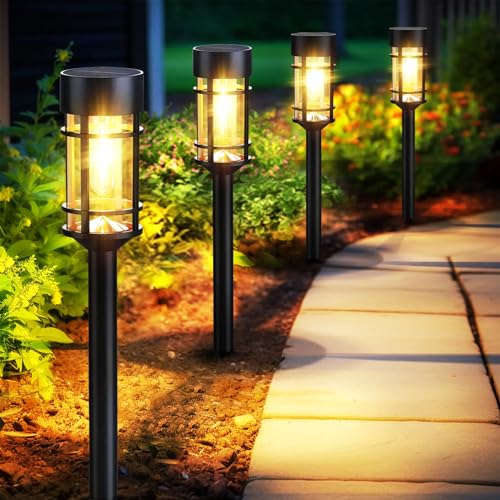
How to choose the right color temperature for LED pathway lights?
Affiliate links — we may earn a commission
Choosing the right color temperature for LED pathway lights is crucial for creating the perfect atmosphere and functionality. This step-by-step guide will help you select the ideal color temperature for your outdoor lighting needs.
Top-rated LED pathway lights for your outdoor space
Understanding Color Temperature
To understand color temperature and its effects on lighting, first, grasp the concept of what it entails. Color temperature refers to the color appearance of the light produced by an LED bulb and is measured in Kelvin (K). The range varies from warm, which has a yellowish tone, to cool, which has a bluish tone. It’s crucial to select the appropriate color temperature as it significantly influences the mood and atmosphere of your outdoor space.
When determining the ideal color temperature for your lighting, consider the ambiance you want to create. Warm tones, typically around 2700K to 3000K, emit a soft, cozy light that resembles a traditional incandescent bulb. This is suitable for areas where you want to promote relaxation and a comfortable setting, such as a patio or garden.
On the other hand, cool tones, usually ranging from 4000K to 5000K, produce a bright white light resembling natural daylight. This type of lighting is perfect for areas where you require clear visibility and want to create an energetic, vibrant atmosphere. Think about utilizing cool tones in spaces for activities like outdoor dining or social gatherings.
Remember, the color temperature you choose for your LED bulbs will have a significant impact on the mood and overall experience of your outdoor space. Consider the desired ambiance and select the appropriate color temperature accordingly.
Consider the Environment
Next, consider the natural elements in your surrounding environment when installing LED pathway lights. Look at the trees, plants, and the color of the pathway itself. If you have a lot of greenery or earthy tones, opt for a warmer color temperature, around 2700-3000K, to create a cozy and inviting atmosphere. This lower color temperature will complement the natural elements and blend well with the overall environment.
For example, if your pathway is surrounded by a lush garden or dense foliage, choosing warmer LED lights will enhance the natural beauty and make the space feel comfortable. The warm tones will create a soothing ambiance, perfect for evening strolls or enjoying the serenity of your outdoor space.
On the other hand, if you have a more modern or minimalist design, a cooler color temperature might be a better fit. Target a range of around 4000-5000K to achieve a sleek and contemporary look. This higher color temperature will give off a bright white light, creating a clean and minimalist atmosphere.
For instance, if your pathway has a modern architectural design with clean lines and minimal clutter, cooler LED lights will complement the aesthetic and accentuate the sleekness of the space. The cool tones will add a touch of elegance and create a visually appealing walkway.
Remember, when choosing the color temperature for your LED pathway lights, consider the natural elements and the design of the surrounding environment. By doing so, you can create the perfect ambiance and enhance the overall aesthetic appeal.
Think About Functionality
Consider the functionality aspect when choosing pathway lights. Evaluate how you primarily use the pathway, whether it is for safety and security purposes or creating a calm ambiance. If safety and security are your main concerns, opt for pathway lights with a cooler color temperature between 5000-6500K. This temperature range will produce a brighter and more intense light, ensuring clear visibility along the pathway.
However, if you want to create a relaxing and soothing atmosphere, go for pathway lights with a warmer color temperature of around 2200-2700K. This temperature range will emit a softer and more diffused light, which can contribute to a peaceful ambiance along the pathway. By considering the functionality of the pathway lights, you can select the color temperature that best suits your specific needs and desired atmosphere.
Test and Compare
To ensure you make the best color temperature choice for your LED pathway lights, it’s essential to test and compare different options. Follow these simple steps to make an informed decision:
- Purchase LED pathway lights: Buy a few lights with various Kelvin options, such as warm white (2700K), daylight (5000K), or cool white (6500K) options. Ensure that the lights are suitable for outdoor use in your intended area.
- Install and position the lights: Install the lights in your chosen location, following the manufacturer’s instructions. Be sure to position them where they will provide adequate illumination for your pathway or desired space.
- Observe at different times of the day: Take note of how each color temperature affects the space throughout the day. Pay attention to how lighting changes during sunrise, midday, sunset, and nighttime. This will help you assess if the color temperature enhances or dims visibility during different times.
- Evaluate under various weather conditions: Observe the lights during different weather conditions, such as sunny days, cloudy days, or rainy periods. This will give you insights into how the color temperature complements or contrasts with the natural lighting conditions.
- Consider personal preferences: Assess the overall ambiance and mood created by each color temperature. Take note of how each option makes you feel and if it aligns with your personal preferences and requirements.
By following these steps, you’ll be able to test and compare different color temperatures, allowing you to make a well-informed decision when selecting LED pathway lights for your outdoor space.
Seek Professional Advice
If you’re still unsure about the right color temperature for your LED pathway lights, seek professional advice. Contact lighting specialists or suppliers who have the expertise to provide valuable insights and recommendations. They will consider important factors such as the light output, color rendering index (CRI), and specific requirements of your outdoor space.
To find professional advice, do some research online or ask for recommendations from friends, colleagues, or neighbors who have recently installed LED pathway lights. Once you have a few options, reach out to them and explain your situation. Provide details such as the size of your outdoor area, any existing lighting, and the desired ambiance you wish to create. Ask for their input on the ideal color temperature that will achieve your desired lighting effect while ensuring safety and functionality.
Consider sending them pictures or videos of your pathway to help them better understand the current lighting conditions and provide more accurate suggestions. Remember to ask about any additional accessories or features that may enhance the overall lighting experience. By seeking professional advice, you can confidently choose the perfect color temperature for your LED pathway lights and enjoy a beautifully illuminated outdoor space.
Making the perfect LED decision
In conclusion, selecting the perfect color temperature for your LED pathway lights is key to achieving the ideal atmosphere and functionality. By grasping the concept of color temperature, taking into account the specific environment and requirements, conducting thorough testing and comparisons, and seeking guidance from professionals when necessary, you can confidently choose the best lighting option to elevate the allure and usability of your outdoor area.
Choosing the perfect ambiance
Getting Started with LED Pathway Lights
- Choose the right location: Find a suitable area in your garden or pathway where you want to install the LED lights. Consider the pathway’s shape and size, and ensure there is a power source nearby
- Plan the layout: Before installing the lights, create a design or layout for your pathway lights. Decide on the spacing and placement of the lights to achieve the desired lighting effect
- Install the lights: Start by preparing the pathway, removing any debris or obstacles. Then, using the provided stakes or mounts, firmly place the lights into the ground along the designated pathway. Make sure they are securely in place
- Connect to a power source: Check the manufacturer’s instructions, as LED pathway lights may require different methods of connecting to a power source. Some lights may have built-in solar panels and batteries, while others may need to be connected to an outdoor power outlet
- Test and adjust: Once the lights are installed and connected, test them to ensure they light up correctly. Adjust the angle or position of any lights that need tweaking to achieve the desired lighting effect along the pathway
- Remember, always follow the manufacturer’s instructions for your specific LED pathway lights to ensure proper installation and usage. Enjoy illuminating your walkway with beautiful LED lights!
Frequently Asked Questions about LED Pathway Lights
Do LED pathway lights offer any warranty or guarantee?
Yes, LED pathway lights typically come with a warranty or guarantee. The duration and terms of the warranty can vary between different brands and models. It is important to check the product packaging or consult the manufacturer’s website for specific information regarding the warranty or guarantee that is included with the LED pathway lights you are interested in purchasing. Furthermore, it is always recommended to retain your purchase receipt or proof of purchase, as it may be required to make a warranty claim in the future.
What are the benefits of using LED pathway lights?
LED pathway lights offer a range of benefits that make them a popular choice for outdoor lighting. First and foremost, LED lights are highly energy efficient. They consume less power compared to traditional incandescent or fluorescent lights, which translates to lower electricity bills and reduced environmental impact.
Another advantage of LED pathway lights is their long lifespan. LEDs have an average lifespan of 50,000 hours or more, meaning they can last for several years without needing frequent replacements. This saves you money on maintenance and replacement costs in the long run.
LED lights also emit a brighter and more focused light compared to other types of lighting. This is particularly important for pathway lights as it enhances visibility and increases safety, especially at night.
In addition, LED pathway lights are often low voltage, meaning they operate on low power and are safer to install and handle. They produce minimal heat, reducing the risk of burns and fire hazards.
Furthermore, LED lights are known for their versatility. They come in various colors and designs, allowing you to choose the perfect style to match your outdoor aesthetic. Some LED pathway lights even offer adjustable brightness, giving you the flexibility to set the desired level of illumination.
Lastly, LED lights have excellent durability and can withstand harsh weather conditions. They are resistant to vibrations, shocks, and extreme temperatures, making them ideal for outdoor use.
Overall, the benefits of using LED pathway lights include energy efficiency, long lifespan, bright and focused lighting, low voltage operation, versatility in design, and durability. These factors combine to make LED pathway lights a reliable, cost-effective, and aesthetically pleasing choice for illuminating your outdoor pathways.

Alex Navarro
Hi, I'm leds.to, the founder of the world's #1 LED lighting review site. At leds.to, we strive to provide you with the most comprehensive and reliable reviews on LED lighting products. Whether you're looking for car LEDs, super bright LEDs, or even grow light LEDs, you'll find all the information you need right here on our site. With years of experience in the industry, I'll guide you towards making the best purchasing decisions for your lighting needs. Trust me to shed light on the world of LEDs and help you find the perfect lighting solutions.





Could you please explain more about the functionality aspect of choosing the right color temperature?
Certainly! When considering functionality, think about the purpose of the pathway lights. If you want to prioritize visibility and safety, a cooler color temperature around 4000K or 5000K would provide brighter and more intense light. On the other hand, if you’re aiming for a more relaxing ambiance, a warmer color temperature around 2700K or 3000K would be ideal.
I followed your guide and installed LED pathway lights with a cool color temperature, and the result is amazing! The light not only illuminates the pathway but also adds a modern feel to my outdoor space. Thank you for the helpful tips!
Can you recommend a specific color temperature for LED pathway lights in a garden setting?
I would love to see an article about different types of LED pathway lights and their pros and cons. It would be helpful for those who are new to outdoor lighting.
Comment:
I think the color temperature of my pathway lights should match my favorite ice cream flavor. 🍦
Who cares about color temperature? Lets just light up the path and call it a day!
Why does color temperature matter? Just pick the color you like!
Comment:
Who cares about color temperature? I just want my pathway lights to look cool! 🌈🔥
I personally think that LED pathway lights should come in rainbow colors! Whos with me? 🌈🌈🌈
Sorry, but Ill have to disagree. LED pathway lights are meant to provide functional lighting, not to create a disco atmosphere. Lets keep the rainbow colors for other decorative purposes and focus on the practicality and safety of pathway lights.
I think color temperature doesnt matter much for pathway lights. Brightness is key!
I think color temperature doesnt matter, just go with what looks good!
Thank you for your question! In a garden setting, a warm color temperature such as 2700K or 3000K would create a cozy and inviting atmosphere. These color temperatures mimic the warm glow of traditional incandescent bulbs and can enhance the natural beauty of the plants and landscape.
I think color temperature doesnt matter for pathway lights, just go with what you like!
I think blue lights are underrated for pathway lights, adds a cool vibe!
Why not use rainbow-colored LED lights to spice up your pathway? 🌈
I think its all about personal preference! Who cares about color temperature guidelines?
Color temperature guidelines are important for creating the right atmosphere and enhancing productivity. Ignoring them can lead to discomfort and eye strain. Its not just about personal preference, but also about well-being and functionality. So, caring about color temperature guidelines does matter.
I think red LED pathway lights would be a bold and unique choice!
I think color temperature doesnt matter as long as the lights are bright enough.
I think color temperature doesnt matter much, just pick what you like!
Color temperature significantly impacts the mood and atmosphere of a space. It can affect productivity, relaxation, and even how colors appear. Choosing the right color temperature is crucial for achieving the desired ambiance. Personal preference is important, but understanding the impact of color temperature is key.
Who cares about color temperature? Just pick the cheapest lights that work!
I believe color temperature can affect mood, choose wisely for cozy vibes! 🌟
Do warmer lights attract more bugs? Interesting topic to explore further!
I think color temperature affects mood, not just functionality. What do you think?
I think color temperature doesnt matter much as long as the lights work!
Color temperature actually plays a significant role in creating the right ambiance and mood in a space. It can impact productivity, focus, and overall well-being. Choosing the right color temperature for your lights is crucial for achieving the desired atmosphere. Its about more than just functionality.
I think color temperature doesnt matter much. Just pick what you like!
Color temperature can significantly impact the mood and ambiance of a space. Its not just about personal preference, but also about creating the right atmosphere for different activities. So, choosing the right color temperature is crucial for achieving the desired effect in your lighting design.
I think color temperature doesnt matter much for pathway lights. Its all personal preference!
I think purple LED pathway lights would be cool and unique! 🌈
I think color temperature doesnt matter, just pick the cheapest lights available!
I think purple LED pathway lights would be so cool and unique!
I prefer LED lights with a warmer color temperature for a cozy vibe! 🌟
I reckon when choosing LED pathway lights, the environments color palette should be considered more heavily. Its not just about the functionality, but also how the color temperature complements the surroundings. Lets be honest, no one wants their pathway looking like a spaceship landing strip! Any thoughts on this, folks?
Couldnt agree more! Functionality is crucial, but aesthetics should never be compromised. Lets avoid that UFO look!
I think the article is missing a crucial point, folks. What about the impact of weather conditions on color temperature? I mean, wouldnt a warm light look different on a snowy pathway compared to a summer evening? Or does it not matter at all? Just a random thought, might be worth exploring.
Appreciate the articles depth, but isnt the color temperature a highly subjective matter? Depends on personal preference and aesthetic goals, doesnt it? Just throwing it out there for discussion.
Interesting read, but dont you think color temperature could also depend on personal preference, not just functionality or environment? What about the aesthetic aspect?
Guys, wouldnt the color temperature choice also depend on local wildlife? Too bright and it could disrupt their patterns. Id love to see that aspect addressed in these articles.
I think considering the environment when choosing LED pathway lights is crucial. We need to prioritize energy efficiency and sustainability. Whos with me on this? Lets light up our paths responsibly! 🌿💡
I personally believe that considering the environment when choosing LED pathway lights is crucial. We need to prioritize energy efficiency and sustainability. Lets light up our outdoor spaces responsibly! #GoGreen 🌿
LED lights have a higher upfront cost, but they save money in the long run. #SustainableChoices
Hey, isnt it subjective? What if I want a spooky vibe with blue LEDs? Why force warm colors on everyone? #BlueLightsMatter
Blue LEDs for a spooky vibe? Ever heard of mood lighting, mate? #WarmColorsRule
Interesting read, but arent we overthinking pathway lights a bit? Isnt it more about practicality than color temperature aesthetics?
Interesting read, but isnt it all a bit subjective? Like, what if my neighbor loves cooler tones and Im all about warm lights? Isnt harmony in the neighborhood also a thing we should consider?
Interesting read, but isnt arguing over color temperature for pathway lights a bit over the top? Isnt functionality and durability more crucial? What about solar LED lights? Thoughts?
Doesnt anyone else think the color temperature for LED pathway lights should be a personal choice rather than a technical decision?
Absolutely not! Aesthetic preference should never override technical efficiency and compatibility.
Isnt it true that warmer color temperatures for LED pathway lights attract fewer insects? Just a thought.
Isnt it vital to consider the impact of color temperature on insects? LEDs could disrupt their environment, no?
Doesnt the color temperature choice largely depend on personal preferences though, rather than just functionality and environment?