
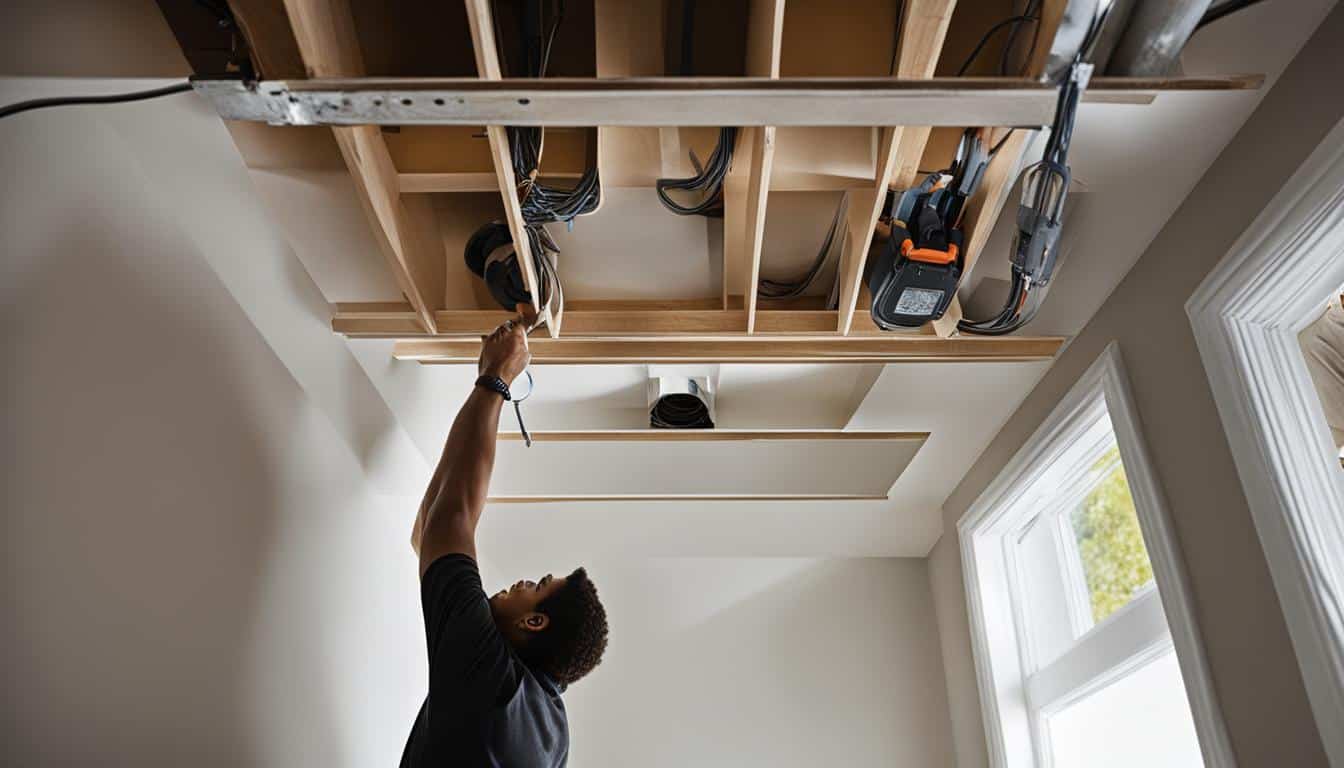
Guide: How to Wire Recessed Lighting in Existing Ceiling
Affiliate links — we may earn a commission
Installing recessed lighting in your home can be an excellent way to update your living space and enhance its ambiance. As a homeowner looking to tackle a DIY recessed lighting installation, there are several crucial steps to help you ensure proper wiring and a successful outcome. In this guide, we’ll delve into the necessary planning, precautions, and techniques required to achieve a professional-grade result.
Key Takeaways
- Thorough planning is essential for a successful DIY recessed lighting installation.
- Always prioritize electrical safety and adhere to the National Electrical Code when wiring recessed lighting.
- Consider both the aesthetics and practical aspects when choosing bulbs and trim for your recessed lighting.
- Utilize proper wiring techniques to avoid overloading circuits and ensure a secure installation.
- Complete your project with a final inspection from a qualified professional, if necessary, to guarantee the safety and function of your new lighting setup.
Understanding the Basics of Recessed Lighting
Before diving into a recessed lighting installation guide, it is essential to comprehend the fundamentals that play a crucial role in the process. In this section, we will shed light on the housing types, wiring techniques, and fixture compatibility with the ceiling’s structure. Remember, a thorough understanding of these basics will ensure a successful installation.
Primarily, recessed lighting consists of three major components:
- Housing
- Trim
- Lamp
Each of these components needs careful consideration, as their selection should be based on the ceiling layout and existing electrical framework. Aside from these components, it is also vital to choose the right wattage for your recessed lights. This decision hinges on the specifics of your home’s electrical circuits.
Furthermore, using the correct type of lights, such as IC-rated for insulated ceilings, plays a crucial role in the overall success of your lighting installation in existing ceiling. To better grasp the basic aspects involved in recessed lighting, let us examine the types of housing and trims available:
- Housing Types: This typically includes New Construction, Remodel and Retrofit housings. New Construction housings are suitable for installations before the drywall is set, whilst Remodel housings work best in existing ceilings. Retrofit housings are designed to fit into existing housings, upgrading the lighting without significant modification.
- Trim Types: Trim is the visible part of the recessed light, and these come in various styles such as Baffle, Reflector, Adjustable, Wall Wash, and Decorative trims. Each type serves specific purposes and creates different lighting effects, so your choice of trim depends on your desired outcome.
Understanding and choosing the right combination of housings, trims, and lamps, as well as adhering to safe wattage limits, helps in achieving a successful and functional step-by-step recessed lighting wiring process. With this foundation, you are better equipped to move forward with your recessed lighting installation project, creating a beautiful and well-illuminated space.
Pre-Installation Preparations: Safety and Tools
Before embarking on the journey of installing recessed lighting in your existing ceiling, it is crucial to pay attention to safety and gather the necessary tools. We will delve into the aspects of assessing electrical safety, assembling the right set of tools, and identifying the appropriate power source for a successful installation.
Assessing Electrical Safety
It is essential to ensure that the existing circuit is not “dedicated” as per the National Electrical Code and that adding lights will not cause an overload. Double-check the circuit’s capacity and make sure that it can handle the additional load of the new recessed lighting. Exercise caution when dealing with aluminum wiring or potentially hazardous materials, as these can pose a higher risk during installation.
Gathering Necessary Tools
Assembling a toolkit with all the essential items is crucial for a smooth installation process. You will need a variety of tools, including:
- Electric drill
- Keyhole or hole saw
- Electrical wires
- Voltage tester
- Protective equipment, such as gloves and safety glasses
Having these tools at hand ensures that you can carry out the proper wiring for recessed lighting without any unnecessary delays or complications.
Identifying the Power Source
Determining the appropriate power source is vital when learning how to wire recessed lighting in existing ceiling. You have two primary options:
- Tapping into an existing circuit
- Creating a new circuit from the electrical panel
Consider the load capacity of the existing circuit and the number of lights you plan to install in order to make an informed decision on the best power source. If the existing circuit can handle the additional load, tapping into it may be a suitable choice. Otherwise, creating a new circuit is advised.

Planning the Layout for Recessed Lighting
Before embarking on your DIY recessed lighting installation, it’s crucial to plan your layout carefully. Consider the room’s size, your desired lighting effect, and the recommended load capacities of your electrical circuits to avoid overloading. The layout planning process involves determining the number of fixtures needed, marking the light positions, and ensuring there are no obstructions that could interfere with the installation.
https://www.youtube.com/watch?v=pc5HWB-tyng
Determining the Number of Fixtures Needed
To establish the ideal number of recessed fixtures for your room, consider the dimensions and purpose of the space. A general rule of thumb is to allocate one fixture per every 25 square feet for ambient lighting. However, this may vary depending on the specific lighting requirements and the type of fixtures utilized. Consult the recessed lighting installation guide for accurate recommendations and any additional concerns related to your electrical circuit capacities.
Marking the Light Positions
Once you’ve determined the number of required fixtures, the next step is to mark the positions of the lights on the ceiling. Establish the distance between each fixture to achieve a consistent and visually appealing pattern. It’s advisable to use a measuring tape and pencil for accuracy. As part of the step-by-step recessed lighting wiring process, spacing the fixtures appropriately is essential for attaining a functional and aesthetic result.
Ensuring No Obstructions
Before drilling holes and routing wires, ensure there are no obstructions such as joists, plumbing, or HVAC ducts that could interfere with the installation process. Use a stud finder to locate any hidden elements. If you encounter obstructions, adjust the layout accordingly. For a seamless DIY recessed lighting installation, take the time to resolve any issues in advance, thus minimizing complications that could hinder the overall success of your project.
How to Wire Recessed Lighting in Existing Ceiling
When it comes to how to wire recessed lighting in existing ceiling, there are a few essential steps to follow to ensure both functionality and safety. This process involves selecting the correct cable type, drilling through joists, fishing wires, and making connections in accordance with wiring instructions for recessed lighting.

First of all, choose the right cable for the project based on the circuit rating. The most commonly used cable is the 12/2 or 14/2 non-metallic (NM) sheathed cable. When it comes to electrical wiring for recessed lighting, it’s essential to consult the particular wiring instructions provided by the manufacturer of your recessed lighting fixtures.
Following the wiring instructions for recessed lighting, you can start by drilling through joists, if necessary, to create a path for the wires. Be sure to drill in the center of the joist, and avoid making holes larger than 1/3 the depth of the joist to maintain its structural integrity.
When drilling and routing wires, consider the use of flexible drill bits, fish tapes, or rods to make the task more manageable and minimize potential damage to the ceiling.
Next, fish the wires through the holes and ensure a smooth connection by following these steps:
- Turn off power to the existing circuit at the main breaker box.
- Connect all color-coded wires (e.g., black to black, white to white) inside the junction box of the recessed lighting fixture, using wire nuts.
- Connect the ground wire, if applicable, to the green grounding screw inside the junction box or appropriate grounding location.
- Secure the connections with wire nuts and wrap with electrical tape.
- Close the junction box and mount the fixture housing, as directed by the manufacturer’s guidelines.
Lastly, always ensure compliance with the National Electrical Code and local regulations for proper installation and safety.
By meticulously following wiring instructions for recessed lighting, you can successfully complete the installation, achieving both functionality and safety in your lighting system.
Step-by-Step Wiring Techniques for Recessed Lighting
Now that you understand the basics of recessed lighting installation, it’s time to delve into the step-by-step wiring techniques that will ensure a safe and efficient setup. Wiring techniques include removing the old electrical box, drilling and fishing the wiring, and connecting wires to the recessed fixtures. Keep in mind that safety should always be your top priority. So, let’s get started!
Removing the Old Electrical Box
First, you need to remove the existing electrical box safely to create an opening for routing new cables. Make sure that you have turned off the electricity supply to avoid potential hazards. Once you’ve removed the box, check for any signs of wear or damage to the existing wires and decide whether replacement is necessary.
Drilling and Fishing the Wiring
Next, accurately drill holes in the appropriate locations required for the recessed lighting cables. Proper planning and positioning of these holes will ensure a smooth wire installation process. The use of strings or weights to guide the wires through holes can be very helpful in maneuvering the cables precisely. Be cautious about damaging any existing cables or wires as you carry out this step.
Connecting Wires to the Recessed Fixtures
Lastly, it’s time to connect the wires to the recessed fixtures. Follow the housing’s junction box specifications and make sure that like-colored wires are matched. Before proceeding, always test the connections to confirm the absence of voltage. A multimeter or voltage tester can be quite useful for this purpose. In the table below, you’ll find a summary of the wiring techniques for recessed lighting:
| Step | Wiring Technique |
|---|---|
| 1 | Remove existing electrical box |
| 2 | Drill holes for new cables |
| 3 | Guide wires through holes using strings or weights |
| 4 | Make connections according to junction box specifications |
| 5 | Test for voltage before proceeding |
With your step-by-step recessed lighting wiring complete, your new lighting installation should be safely and securely connected. Remember, following proper wiring techniques is essential in ensuring the functionality, aesthetics, and safety of your recessed lighting system.
Wiring Tips for Securing and Protecting your Lighting Installation
When it comes to installing recessed lighting, taking proper precautions is essential to ensure a safe and secure installation. By following these wiring tips for recessed lighting, you can avoid overloading circuits and reduce potential hazards.
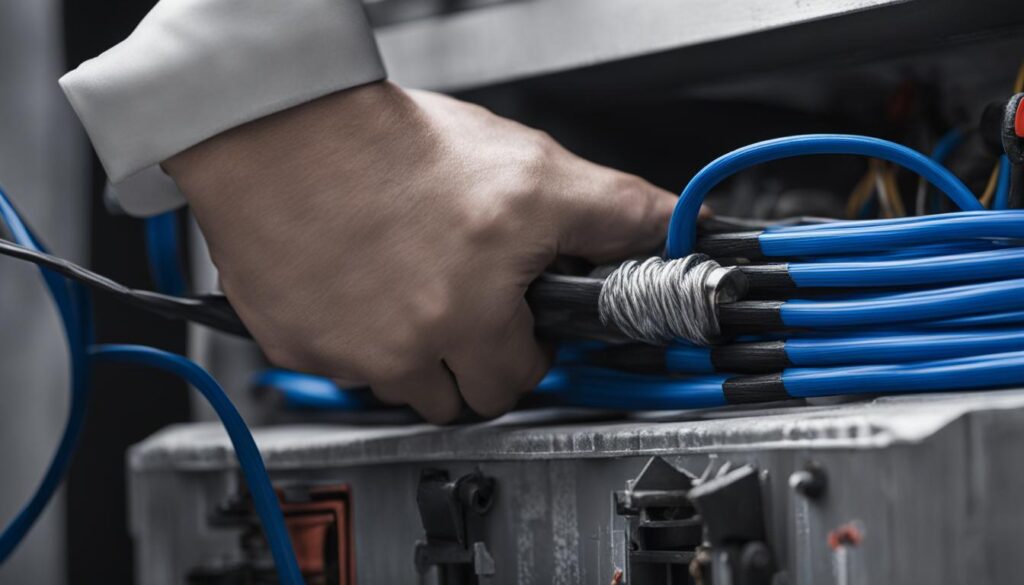
Securing the cable to joists: This step is crucial for maintaining your setup’s structural integrity. Secure the cable to the nearest joist, ensuring that it remains firmly in place and free of tension. If needed, use cable staples to fasten the wire directly to the wood.
Drilling holes at safe distances: When drilling holes for your wiring, maintain a secure distance from any electrical components, such as existing wiring, pipes, and HVAC ducts. Always check for any hidden obstructions before drilling to prevent potential hazards.
- Leaving adequate cable length at openings: Allow for enough slack in the cable at each opening to make connections comfortably. Leave a minimum of 6-8 inches (15-20 cm) of wire available at the fixture connection point to ease future maintenance.
- Ensuring sheathing extends beyond the clamp: When you secure the cable in the electrical box, make sure the cable sheathing extends past the clamp by at least 1/4 inch (0.6 cm). This additional length will provide an extra layer of protection and minimize potential electrical issues.
Another significant aspect to consider is adhering to amperage limitations. By following these guidelines for how to wire recessed lighting in existing ceiling, you can prevent overloading circuits.
| Wire Size (AWG) | Maximum Amps |
|---|---|
| 14 | 15 |
| 12 | 20 |
| 10 | 30 |
In conclusion, following these wiring tips for recessed lighting ensures a safe and secure installation while also providing a professional finish to your project. Paying attention to detail and adhering to safety guidelines will give you peace of mind and impressive results.
Choosing the Correct Bulbs and Trim for Your Recessed Lighting
As you dive into your DIY recessed lighting installation, a significant factor impacting both the quality of light and the aesthetics of your space is selecting the right bulbs and trim. A proper recessed lighting installation guide should provide valuable insight to help make these crucial decisions.
The first step is determining compatible trim styles and lamps as recommended by the housing’s manufacturer. Keep in mind the type of lighting desired, whether you are looking for accent or general illumination, as this will influence the choice of both bulbs and trim.
Another critical aspect to consider is the size and rating of the fixture. Ensure you are using bulbs approved for your specific housing to prevent hazards like overheating. To make an informed decision, take into account the following factors:
- Color temperature: Choose a bulb with a color temperature that complements the mood and atmosphere of the room.
- Energy efficiency: Opt for energy-saving bulbs like LEDs, which are more efficient and have a longer lifespan than traditional incandescent bulbs.
- Dimmability: If you want the flexibility to adjust the light’s intensity, look for bulbs that are compatible with dimmer switches.
- Beam angle: The beam angle of a bulb affects the spread and intensity of light; consider your lighting needs and choose a bulb with an appropriate beam angle.
When it comes to trim, consider the following:
- Style: Choose a trim style that works well with the room’s overall design and matches the housing unit.
- Size: The trim should fit perfectly with the housing and not leave gaps or awkward spaces around the fixture.
- Baffle vs. Reflector: Baffle trims diffuse light more evenly and reduce glare, while reflector trims provide a more focused light and work well for accenting specific areas.
When carrying out the proper wiring for recessed lighting, never compromise on the quality of your bulbs and trim. By considering these factors, you can ensure your recessed lighting installation is both functional and aesthetically pleasing.
DIY Recessed Lighting Installation: The Finishing Touches
After successfully installing recessed lighting in your existing ceiling, you’re now ready to add the finishing touches. This final phase involves attaching and securing the trim, installing the light bulbs, and performing a final test to ensure your setup works perfectly.
Attaching and Securing the Trim
Begin by securing the trims with the appropriate springs or rods supplied by the manufacturer. Carefully follow the installation instructions that come with the lighting fixtures to ensure proper attachment.

Installing the Light Bulbs
Choose light bulbs that not only look aesthetically pleasing but also comply with energy efficiency standards. Be sure to follow the manufacturer’s recommendations for bulb types and wattages. This will help enhance the overall appearance of your lighting setup while also ensuring safety and energy conservation.
Final Testing of the Recessed Lighting Setup
Once all the trims and light bulbs are in place, it’s time to test your new recessed lighting setup. Turn the power back on, and switch on your lights to verify that all fixtures function correctly. If necessary, engage the services of an electrical inspector for a final assessment. Any required touch-up work, like painting or patching the ceiling, can be done after you’re confident that your lighting installation is a success.
In conclusion, a successful DIY recessed lighting installation entails careful planning, following step-by-step recessed lighting wiring instructions, and ensuring proper trim attachment and light bulb installation. With all these elements in place, you can now enjoy a professionally installed recessed lighting setup that beautifully illuminates your living space.
Conclusion
In summary, this comprehensive recessed lighting installation guide has equipped you with the knowledge and skills needed to successfully wire recessed lighting in existing ceiling spaces. By following the detailed steps and adhering to safety precautions, you can transform any room in your home into a beautifully-lit, welcoming environment.
Review of Key Wiring Steps
It’s always important to reflect on the crucial steps covered in this guide, including careful planning for the layout, choosing the right housing types, handling the wiring process with precision, and selecting appropriate bulbs and trim. Performing these steps correctly ensures smooth installation, electrical safety, and long-lasting functionality.
Maintenance Tips for Recessed Lighting
Finally, a critical aspect in maintaining an inviting lighting environment involves ongoing care of your recessed lighting system. Be diligent in prompt bulb replacements, periodic checks for electrical integrity, and occasional cleaning to keep everything in optimal condition. By adhering to these wiring tips for recessed lighting and maintenance guidelines, you will continue to enjoy your beautiful, safe and functional lighting system for years to come.
FAQ
What are the essential safety aspects to consider while wiring recessed lighting in an existing ceiling?
Essential safety aspects include checking the existing circuit, ensuring it is not “dedicated,” confirming that the additional lights will not cause an overload, and adhering to the National Electrical Code. Make sure to utilize the correct cable based on the circuit rating, wear protective equipment, and always test for voltage before making connections.
What tools are needed for a DIY recessed lighting installation?
Necessary tools include a drill, hole saw, wire stripper, voltage tester, screwdriver, and protective equipment such as gloves and safety goggles.
How do I determine the correct power source for my recessed lighting setup?
Choose between tapping into an existing circuit or creating a new one. Consider factors like the existing electrical framework, the number of planned fixtures, and the recommended load capacities of the circuits. Avoid aluminum wiring or potentially hazardous materials and consult an electrician if necessary.
How do I plan an appropriate layout for my recessed lighting?
Determine the number of fixtures needed based on your room’s size and desired lighting effect, mark the light positions carefully, and ensure there are no obstructions like joists or other structural elements that could interfere with the installation. Also, consider aesthetics and the function of the room while planning the layout.
What are the steps to properly connect wires to recessed fixtures?
Remove the old electrical box, drill holes for the new wiring, use strings or weights to guide the cables through the holes, and make connections with proper junction box specifications. Always match like-colored wires and test for the absence of voltage before making connections.
How do I choose the correct bulbs and trim for my recessed lighting setup?
Select compatible trim styles and lamps as recommended by the housing’s manufacturer, considering the type of lighting desired (e.g., accent or general illumination) and ensure the use of bulbs approved for the size and rating of the fixture to prevent hazards like overheating.
What is the process for final testing and finishing touches after installing recessed lighting?
Attach and secure the trim using the appropriate springs or rods, install suitable light bulbs that comply with energy efficiency standards, and test each fixture for proper functionality. If necessary, have an electrical inspector assess the setup and perform any required touch-up work, such as painting or patching the ceiling.

Alex Navarro
Hi, I'm leds.to, the founder of the world's #1 LED lighting review site. At leds.to, we strive to provide you with the most comprehensive and reliable reviews on LED lighting products. Whether you're looking for car LEDs, super bright LEDs, or even grow light LEDs, you'll find all the information you need right here on our site. With years of experience in the industry, I'll guide you towards making the best purchasing decisions for your lighting needs. Trust me to shed light on the world of LEDs and help you find the perfect lighting solutions.



Wow, this article really shed light on the importance of electrical safety! Shocking stuff! 😮💡
Who needs recessed lighting when you can just use fairy lights and glow sticks?
I cant believe they didnt mention the importance of wearing funky socks while installing recessed lighting! 🧦💡
Wow, this article really had me questioning my electrical safety knowledge! So many things to consider before installing recessed lighting. #SafetyFirst
Ive read the article on wiring recessed lighting, but can we talk about the best light bulb for illuminating a dance party?
Who knew wiring recessed lighting could be so exciting? Im ready to tackle my own ceiling now!
Wow, this guide on wiring recessed lighting really shed some light on a dark topic! #brightideas
Who needs recessed lighting when you can just use a flashlight and call it a day? #oldschool
Wow, this guide on wiring recessed lighting is so helpful! Who knew I could be an electrician too? #DIYgoals
Thats great to hear! Just remember that electrical work can be dangerous if not done properly. Its always best to consult with a licensed electrician to ensure safety. #SafetyFirst
Who needs recessed lighting? Just use a flashlight and call it a day!
I dont trust myself with electrical work, but Ill give it a shot! 💡🔌
I think recessed lighting is overrated. Why not just use lamps?
I think recessed lighting is overrated. Lets stick to good ol lamps!
Is it really necessary to follow all those safety steps for just lighting installation?
Yes, following safety steps for lighting installation is crucial to prevent accidents and ensure the well-being of yourself and others. Safety should always be a priority, no matter the task at hand. Taking shortcuts can lead to serious consequences. Its better to be safe than sorry.
Cant believe they didnt mention the importance of using eco-friendly bulbs! Disappointing oversight.
I think recessed lighting is overrated – too much work for little payoff.
Are recessed lights really necessary? Seems like a waste of time and money.
I think recessed lighting is overrated. Why not embrace natural light instead?
I think recessed lighting is overrated. Lets bring back chandeliers for a change!
Just finished reading this recessed lighting guide and I must say, its quite comprehensive. However, Ive got to ask, any thoughts on how to deal with thermally insulated ceilings? I fear that heat buildup from the recessed lights might become an issue.
Interesting article! But I wonder if the risk of damaging the existing ceiling structure was addressed enough? The whole wiring process seems a bit invasive and Im not sure if theres a safer alternative that can be recommended. What about using wireless lighting solutions instead?
Interesting read about wiring recessed lighting. However, I wonder if the article could have delved a bit deeper into the potential issues one might face during installation. Not all ceilings are the same and troubleshooting advice could have been a game changer here. Any thoughts, guys?
Interesting read. However, Im curious how the electrical safety assessment would differ for older homes with potentially outdated wiring systems. Would the process be more complex?
Indeed, its more complex. Old wiring can be a ticking time bomb, posing serious safety risks.
Interesting guide, but isnt a professional electricians involvement essential to ensure safety, especially when dealing with existing wiring? I mean, DIY is great, but not at the risk of a fire hazard.
Im just wondering, wouldnt it be more efficient to hire a professional to wire recessed lighting? I mean, safety is paramount. Not everyone is cut out for DIY electrical work.
While the guide was insightful, dont you think its crucial to address potential hazards that might occur post-installation? Its not just about the wiring, but ensuring long-term safety too!
In the Pre-Installation Preparations section, shouldnt there be more discussion about choosing the right type of bulb for recessed lighting? Not all bulbs provide the same vibe, you know.
Just finished reading this recessed lighting guide, folks. Is it just me, or was there not enough emphasis on the importance of electrical codes? Seems like a crucial aspect to brush over. Thoughts?
Totally disagree. Its a lighting guide, not an electricians handbook. Stick to the topic, mate!
Interesting read, but why not promote wireless LED alternatives? Tidier and safer, no need to mess with wires at all.
Why does everyone assume DIY electrical work is a good idea? Isnt it safer & cheaper to hire a professional in the long run?
DIY empowers people. Isnt self-reliance much cheaper and satisfying in the long run?
Just asking, but isnt it a bit reckless to DIY electrical stuff like recessed lighting? Wouldnt it be safer to hire a pro?
Interesting guide, but why waste our time with wiring recessed lighting in an old ceiling? Isnt it easier and more efficient to just install smart, wireless LED lights? Lets embrace technology, folks!
While the article was pretty insightful, I cant help but question why there wasnt any mention of the role of dimmer switches in recessed lighting. Isnt that a crucial part of creating the perfect ambiance?
Does anyone else wonder if its safer to hire a pro rather than risk an electrical mishap with DIY recessed lighting?
Id argue that the guide should also include a section on troubleshooting common wiring problems. Just a suggestion.
Interesting guide, but does the existing ceiling material affect the wiring process of recessed lighting? Just curious.