Why Do Led Lights Dim Over Time: Causes & Simple Fixes
Affiliate links — we may earn a commission
Have you ever noticed your LED lights aren’t as bright as they used to be? It can be frustrating when you expect your home or workspace to stay well-lit, but the glow slowly fades away.
You might wonder, “Why do LED lights dim over time? ” Understanding what causes this dimming can help you make smarter choices about lighting and avoid surprises down the road. Keep reading, and you’ll discover the simple reasons behind this common issue—and what you can do to keep your lights shining bright longer.
Common Causes Of Led Dimming
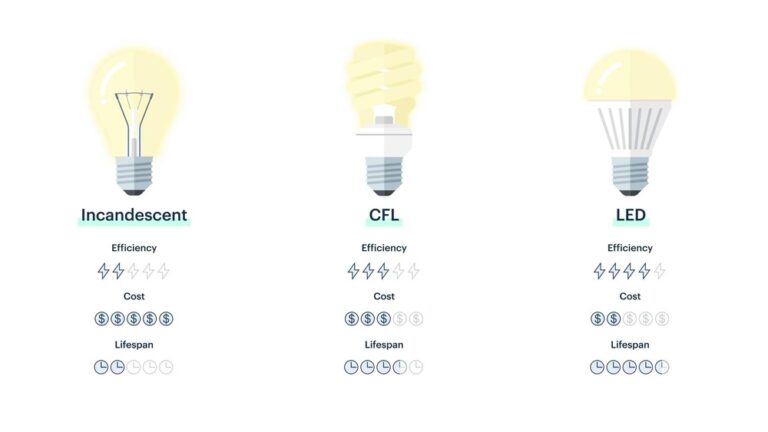
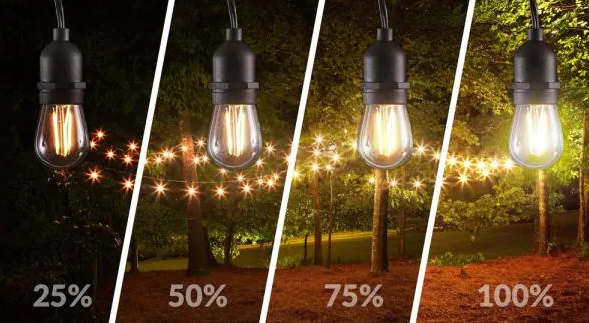
LED lights are popular for their brightness and energy efficiency. Still, over time, they can lose their glow. Understanding why LEDs dim helps in choosing the right products and care methods. Several common causes lead to this dimming effect.
Aging Of Led Components
LEDs have tiny parts that wear out with use. The light-emitting chips inside slowly lose their ability to shine bright. This natural aging process causes gradual dimming.
Driver And Power Supply Issues
LEDs need a driver to control power flow. If the driver weakens or fails, the LED gets less power. This results in lower brightness or flickering lights.
Heat And Thermal Stress
Heat harms LED performance. Too much heat breaks down LED parts faster. Poor heat management causes the light to dim over time.
Voltage Fluctuations
LEDs require steady voltage to work well. Voltage spikes or drops can damage LEDs. This leads to inconsistent brightness or permanent dimming.
Poor Quality Leds
Cheap LEDs often use low-grade materials. These parts wear out quickly and lose brightness fast. Investing in quality LEDs helps prevent early dimming.
Effects Of Environmental Factors
LED lights are known for their long life and energy efficiency. Still, they can dim over time. One main reason is the effect of environmental factors. These factors affect how well the LED works and how long it lasts. Understanding these effects helps in taking better care of your LED lights.
Humidity And Moisture Impact
High humidity can harm LED lights. Moisture can seep into the light’s casing. This causes corrosion of the internal parts. Corrosion reduces the brightness and shortens the LED’s life. Moisture also affects the electrical connections inside the light. Over time, this leads to flickering and dimming.
Dust And Dirt Accumulation
Dust and dirt build up on the surface of LEDs. This layer blocks the light from shining fully. The more dust, the dimmer the light appears. Dirt can also cause heat to build up inside the light. Excess heat damages the LED’s components. Regular cleaning helps keep LED lights bright and lasting longer.
Temperature Extremes
Extreme heat or cold can damage LED lights. High temperatures cause the LED to overheat. Overheating lowers the light’s efficiency and brightness. Cold temperatures make the LED’s materials brittle. This can cause cracks and reduce light output. Keeping LEDs in a stable temperature environment helps maintain brightness.
Diagnosing Led Dimming Problems
LED lights can dim for many reasons. Diagnosing these problems helps fix the issue fast. This section covers simple steps to find out why LED lights lose brightness over time.
Checking The Power Source
Start by checking the power source. Make sure the outlet or power supply works well. A weak or unstable power source can cause dim lights. Test with another device to confirm the power is steady. Look for loose plugs or damaged cords. These can reduce power flow to the LED lights.
Inspecting The Led Fixtures
Next, inspect the LED fixtures closely. Dust or dirt on the surface can block light. Clean the fixtures gently with a soft cloth. Check for any cracks or damage in the housing. Broken parts can affect light output. Also, see if the LEDs are old. Over time, LEDs lose brightness naturally.
Testing With A Multimeter
Use a multimeter to test the electrical current. This tool checks voltage and current going to the LEDs. Low voltage can cause dimming. Set the multimeter to the right setting. Connect it to the LED circuit carefully. Compare readings with the LED’s specifications. This helps find electrical faults or failing components.
Simple Fixes To Restore Led Brightness
LED lights losing brightness is a common problem. Fixing this issue can save money and extend the life of your lights. Simple steps can bring back the brightness without replacing the whole fixture. These easy fixes help keep your LED lights shining bright.
Replacing Drivers Or Power Supplies
LED lights need a steady power supply to stay bright. Over time, drivers or power supplies can wear out. Replacing these parts often restores full brightness. It is a simple fix that many people overlook.
Cleaning And Maintenance
Dust and dirt on LED lights reduce brightness. Cleaning the lights regularly removes this layer. Use a soft cloth and mild cleaner. This keeps the light clear and bright. Regular maintenance prevents dimming caused by grime buildup.
Upgrading To Higher Quality Leds
Low-quality LEDs dim faster than better ones. Upgrading to high-quality LEDs improves brightness and lifespan. These LEDs handle heat and power changes better. Investing in better LEDs saves trouble later.
Improving Ventilation And Heat Management
Heat weakens LED performance over time. Good ventilation lowers the temperature around the lights. Adding fans or moving lights to cooler areas helps. Proper heat management keeps LEDs bright longer.
Preventing Future Led Dimming
Preventing future LED dimming helps keep your lights bright and efficient. Taking simple steps can extend the life of your LED bulbs. Small efforts make a big difference in avoiding early dimming.
Focus on quality, care, and stable power to protect your LEDs. These factors affect performance and brightness over time. Let’s explore how to maintain strong, lasting LED light.
Choosing Durable Led Products
Select LED bulbs made with high-quality materials. Look for products with good heat management features. Durable LEDs handle heat better and last longer. Trusted brands often provide reliable and long-lasting bulbs. Check product reviews and ratings before buying. Avoid cheap LEDs that may dim quickly.
Regular Maintenance Tips
Keep LED bulbs clean and free from dust. Dust blocks light and causes heat buildup. Use a soft cloth to wipe bulbs gently. Inspect fixtures for loose connections or damage. Replace bulbs that flicker or show signs of wear. Regular checks prevent dimming caused by poor contact or dirt.
Using Stabilized Power Sources
Power fluctuations harm LED bulbs and cause dimming. Use voltage stabilizers or surge protectors to protect LEDs. Stable power ensures consistent brightness and longer bulb life. Avoid using LEDs with faulty or unstable wiring. Proper power supply reduces stress on LED components.

Frequently Asked Questions
Why Do Led Lights Lose Brightness Over Time?
LED lights dim because their semiconductor materials degrade with use. Heat, electrical stress, and aging reduce their efficiency. This causes less light output even if the power remains constant. Proper heat management can slow dimming but cannot prevent it entirely.
How Long Do Led Lights Maintain Full Brightness?
Most LED lights maintain near full brightness for 25,000 to 50,000 hours. After this period, their brightness gradually decreases to about 70% of the original. This lifespan varies based on usage, quality, and environmental factors like temperature and humidity.
Can Overheating Cause Led Lights To Dim Faster?
Yes, excessive heat damages LED components and speeds up dimming. High temperatures reduce the LED’s lifespan and light output. Proper heat sinks and ventilation help keep LEDs cool and preserve brightness longer.
Does Power Fluctuation Affect Led Light Brightness?
Power fluctuations can stress LED drivers and chips, causing dimming or flickering. Stable voltage ensures consistent brightness and longer LED life. Using surge protectors and quality drivers helps maintain optimal LED performance.
Conclusion
LED lights dim over time because their components wear out. Heat and electrical stress reduce their brightness gradually. Quality and usage also affect how fast they fade. Regular maintenance can help slow down dimming. Choosing good LED lights ensures longer, steadier light.
Understanding this helps you manage lighting needs better. Brightness loss is normal but manageable with care. Keep this in mind when using LED lights daily.

Alex Navarro
Hi, I'm leds.to, the founder of the world's #1 LED lighting review site. At leds.to, we strive to provide you with the most comprehensive and reliable reviews on LED lighting products. Whether you're looking for car LEDs, super bright LEDs, or even grow light LEDs, you'll find all the information you need right here on our site. With years of experience in the industry, I'll guide you towards making the best purchasing decisions for your lighting needs. Trust me to shed light on the world of LEDs and help you find the perfect lighting solutions.