What are the Advantages of Led Light Bulbs: Energy-Saving Benefits
Affiliate links — we may earn a commission
Are you looking to save money on your energy bills and make your home brighter at the same time? Switching to LED light bulbs could be the smartest choice you make.
These small bulbs pack a big punch, offering benefits that go beyond just lighting up your space. From cutting down costs to helping the environment, LED bulbs bring clear advantages you don’t want to miss. Keep reading to discover how making this simple change can improve your daily life in more ways than one.
Energy Efficiency
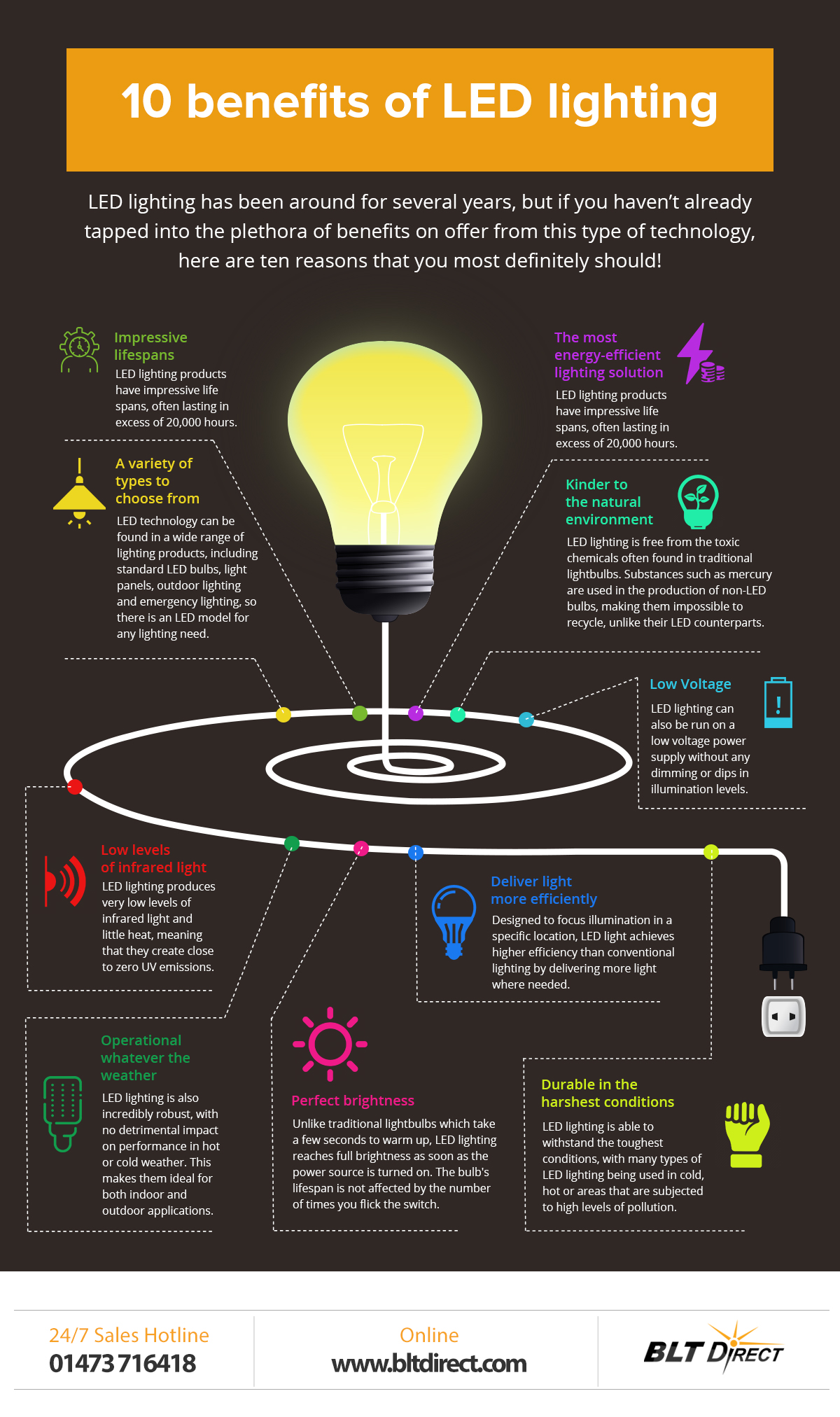
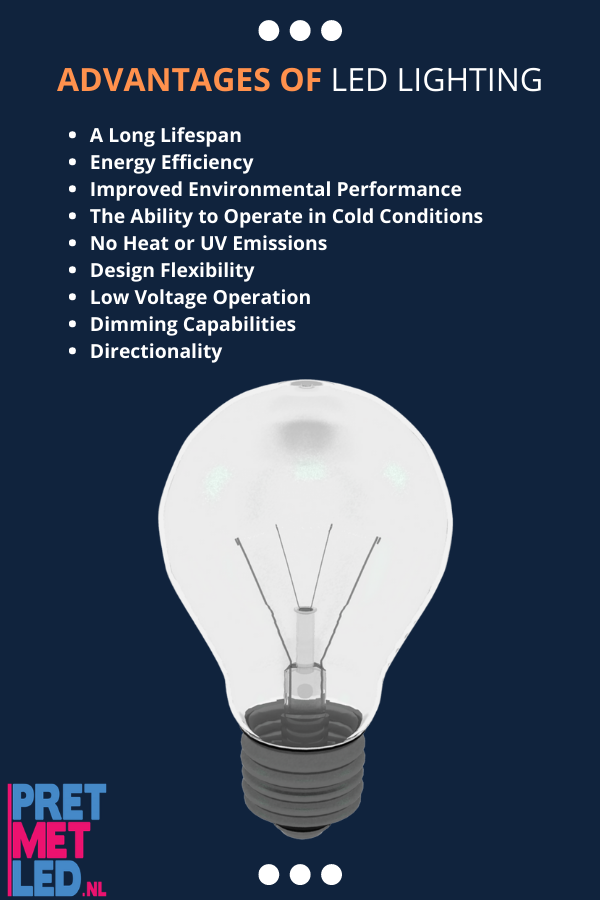
LED light bulbs stand out for their energy efficiency. They use less electricity to produce the same amount of light as traditional bulbs. This feature helps save energy and reduce waste. Using LED bulbs can lower the environmental impact of lighting in homes and offices.
Lower Power Consumption
LED bulbs use up to 80% less power than incandescent bulbs. They convert most electricity into light, not heat. This means less energy is wasted. Lower power use helps reduce overall energy demand and supports sustainable living.
Reduced Electricity Bills
Using LED bulbs can cut your electricity bills significantly. Since they consume less power, your monthly costs drop. Over time, this adds up to substantial savings. Switching to LED lighting is a smart choice for budget-conscious households.
Long Lifespan
LED light bulbs last much longer than traditional bulbs. Their long lifespan saves time and money. This feature makes LEDs a smart choice for homes and businesses. Let’s explore why their durability stands out.
Durability Compared To Incandescent Bulbs
LED bulbs are tougher than incandescent bulbs. They resist shocks and vibrations better. Incandescent bulbs have fragile filaments that break easily. LEDs use solid-state components that last longer. This means fewer bulbs break during use.
Fewer Replacements Needed
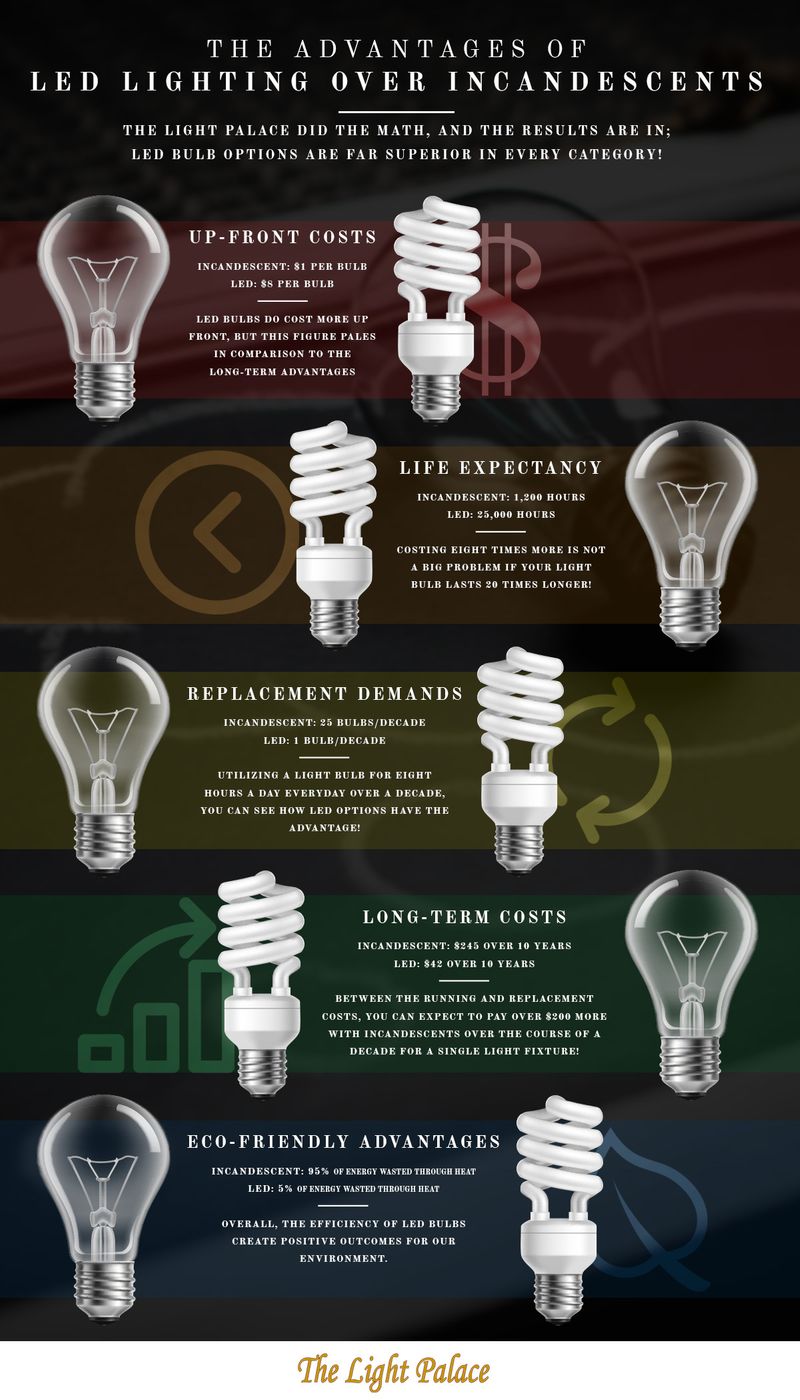
Because LED bulbs last longer, you replace them less often. This reduces the hassle of changing bulbs frequently. Fewer replacements also lower maintenance costs. Over time, this saves significant money and effort. You get reliable lighting without constant interruptions.
Environmental Impact
LED light bulbs offer significant benefits for the environment. They consume less energy, which helps reduce pollution and conserve resources. Using LED bulbs lowers the demand for electricity, often produced by burning fossil fuels. This change supports cleaner air and less climate change.
Reduced Carbon Footprint
LED bulbs use up to 80% less energy than traditional bulbs. This means less carbon dioxide is released into the air. Lower energy use leads to smaller carbon footprints for homes and businesses. Over time, widespread use of LEDs can greatly cut global greenhouse gas emissions.
Less Waste And Toxic Materials
LED bulbs last much longer than incandescent or fluorescent bulbs. This reduces the number of bulbs thrown away. LEDs also do not contain mercury or other harmful chemicals. This makes disposal safer and less harmful for the environment. Using LEDs helps reduce landfill waste and toxic pollution.
Cost Savings Over Time
LED light bulbs save money over time. Their cost benefits go beyond the price tag. Understanding these savings helps you make smart choices for your home or office.
Initial Investment Vs. Long-term Savings
LED bulbs cost more upfront than regular bulbs. This higher price can seem like a downside. Yet, they use less electricity than traditional bulbs. This means lower energy bills every month. Over time, the savings on electricity can cover the initial cost. Many users find LEDs save money within a year. After that, the savings continue to grow. Less power use means more cash stays in your pocket.
Maintenance Cost Reduction
LED bulbs last much longer than regular bulbs. They need fewer replacements over the years. This means fewer trips to the store. It also means less money spent on new bulbs. In places where changing bulbs is hard, LEDs save time and labor costs. They rarely burn out or break. This reliability cuts down maintenance costs significantly. The longer lifespan means fewer problems and lower expenses.
Improved Lighting Quality
LED light bulbs offer clear benefits in lighting quality. They provide better brightness and color options than older bulbs. This improves how rooms look and feel. LED lights create a more pleasant and effective lighting environment.
Brighter And More Consistent Light
LED bulbs shine brighter than many traditional bulbs. They spread light evenly without dark spots. This makes spaces clearer and easier to see in. The brightness stays steady and does not flicker. This consistency helps reduce eye strain and discomfort.
Variety Of Color Temperatures
LED lights come in many color temperatures. You can choose warm, neutral, or cool white light. Warm light creates a cozy, relaxing mood. Cool light helps with focus and alertness. This variety lets you match lighting to your needs and style.
Versatility And Design
LED light bulbs offer great versatility and design options for different needs. Their small size and shape variety make them fit many fixtures. This adaptability allows creative lighting in homes and businesses. LED bulbs also come in many colors and brightness levels. This variety helps set the mood and style of any space.
Suitable For Various Applications
LED bulbs work well in many places. Use them in living rooms, kitchens, and bedrooms for bright, clear light. They also suit outdoor spaces like gardens and pathways. Their durability and weather resistance make them perfect for outside use. Offices and stores benefit from LEDs too. These bulbs provide energy-saving light that lasts long. This lowers maintenance and replacement costs. LEDs fit small lamps, large fixtures, and decorative lighting alike.
Compatibility With Smart Technology
LED bulbs often connect easily to smart home systems. Control brightness, color, and timing from phones or voice assistants. This adds convenience and saves energy. Smart LEDs can change colors for parties or relaxation. They respond quickly to commands and schedules. This smart tech integration makes lighting more flexible. It improves comfort and adapts to daily routines. Many LED bulbs work with popular systems like Alexa and Google Home.
Frequently Asked Questions
What Are The Energy Savings Of Led Light Bulbs?
LED bulbs use up to 80% less energy than traditional bulbs. This reduces electricity bills and lowers your carbon footprint. They are highly efficient, converting most energy into light, not heat.
How Long Do Led Light Bulbs Typically Last?
LED bulbs last significantly longer, often 15,000 to 50,000 hours. This means fewer replacements and lower maintenance costs. Their durability makes them ideal for both homes and businesses.
Are Led Bulbs Better For The Environment?
Yes, LED bulbs are eco-friendly because they consume less power. They contain no toxic elements like mercury and reduce landfill waste due to their long life. This helps minimize environmental impact.
Do Led Bulbs Provide Good Light Quality?
LED bulbs offer bright, clear light with various color temperatures. They produce less heat and have no flicker, enhancing comfort and visibility. Many are dimmable and suitable for different settings.
Conclusion
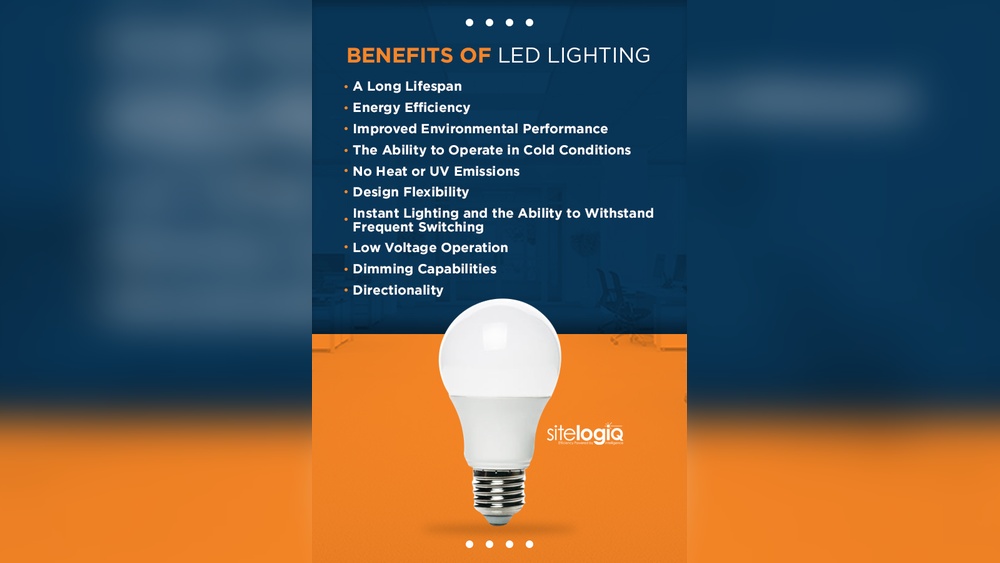
LED light bulbs save energy and lower your electricity bills. They last much longer than traditional bulbs, meaning fewer replacements. These bulbs produce less heat, making your home cooler and safer. LED lights come in many shapes and colors to fit your needs.
They are better for the environment because they use less power. Choosing LED bulbs helps you save money and protect the planet. A smart, simple choice for bright, efficient lighting.