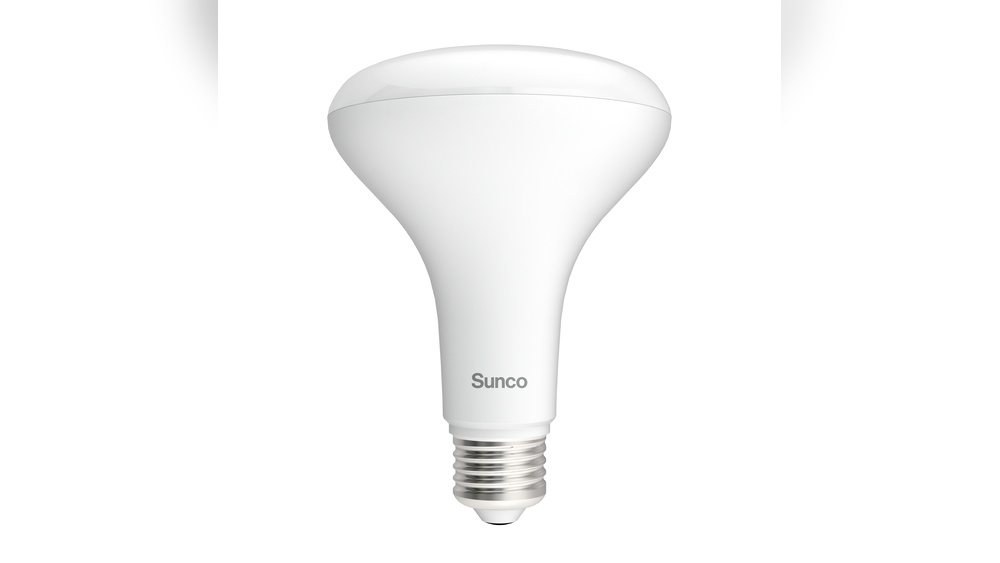
Lumens Led Light Bulbs: Brighten Your Home Efficiently
Affiliate links — we may earn a commission
Are you confused about lumens and how they affect your LED light bulbs? Understanding lumens can change the way you light up your home or office.
When you choose the right lumens, you get the perfect brightness without wasting energy or money. You’ll discover simple tips to pick the best LED light bulbs for your needs. Keep reading to find out how to make your space brighter, more comfortable, and energy-efficient with the right lumens LED light bulbs.

What Are Lumens?
Lumens measure the brightness of a light bulb. They tell you how much light the bulb gives off. The higher the lumens, the brighter the light. Lumens help you choose the right bulb for your room.
Knowing lumens is better than just looking at watts. Watts only show how much energy the bulb uses, not how bright it is. This makes lumens a useful guide for buying LED light bulbs.
Lumens Vs Watts
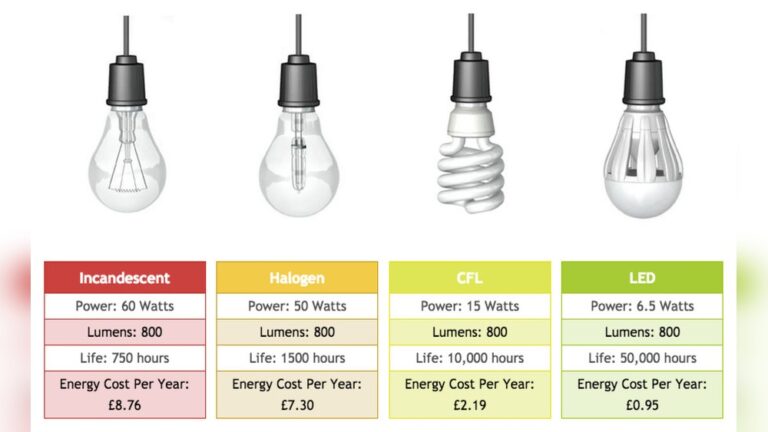
Watts measure energy use. Lumens measure light output. A bulb with fewer watts can have more lumens. LED bulbs use less watts but give more lumens. This means they save energy but still shine bright.
For example, a 10-watt LED bulb can produce the same lumens as a 60-watt old bulb. This helps save electricity and lowers your bills. Always check lumens to know how bright a bulb is.
Measuring Brightness
Brightness is measured in lumens using special tools. A light meter checks how much light comes from the bulb. This helps manufacturers label their bulbs correctly.
When buying bulbs, look for the lumen number. It shows how bright the light will be. Choose more lumens for large rooms and fewer for small spaces. This makes your lighting just right.
Benefits Of Led Light Bulbs
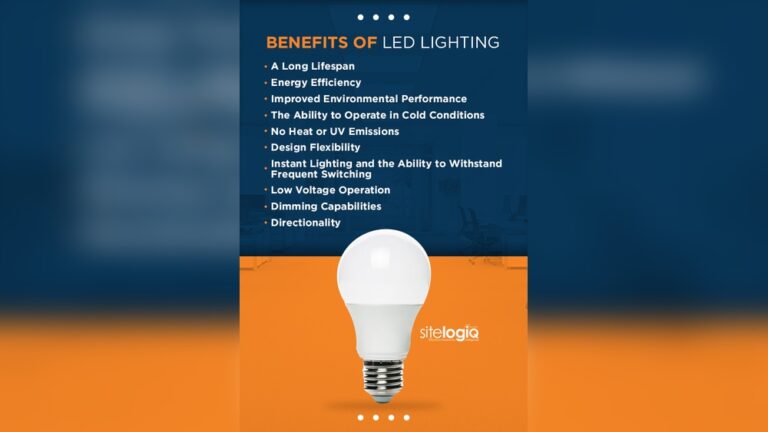
LED light bulbs offer several benefits that make them a smart choice for homes and businesses. They provide bright light while using less power. These bulbs last much longer than traditional bulbs. Switching to LED can save money and reduce energy use.
Energy Efficiency
LED bulbs use less energy to produce the same brightness. They convert most of the power into light, not heat. This means less wasted energy. Using LEDs reduces electricity bills and lowers your carbon footprint.
Long Lifespan
LED bulbs last much longer than regular bulbs. They can work for up to 25,000 hours or more. That means fewer replacements and less hassle. A long life also means less waste in landfills.
Cost Savings
Though LED bulbs cost more upfront, they save money over time. Lower energy use cuts monthly bills. Fewer replacements mean less spending on new bulbs. Overall, LEDs are a cost-effective lighting choice.
Choosing The Right Lumens For Each Room
Choosing the right lumens for each room is key to good lighting. Lumens measure the brightness of a light bulb. Different rooms need different levels of brightness. Too much light can feel harsh. Too little light can make tasks hard. Picking the right lumens helps create comfort and style.
Living Room And Dining Areas
Living rooms need soft, warm light for relaxing and socializing. Aim for 1,500 to 3,000 lumens. Dining areas often benefit from dimmable lights. This allows bright light for meals and softer light for ambiance. Choose LED bulbs that offer warm white tones around 2700K.
Kitchen And Workspaces
Kitchens and workspaces need bright light for cooking and tasks. Aim for 4,000 to 6,000 lumens. Cool white light around 4000K helps see details clearly. Use multiple light sources for even coverage. Bright LEDs improve safety and efficiency in these areas.
Bedrooms And Relaxation Spaces
Bedrooms need calm, soft light for rest and comfort. Aim for 1,000 to 2,000 lumens. Warm white light around 2700K creates a cozy feel. Consider lamps or wall lights with adjustable brightness. Low lumens help prepare your mind for sleep.
Bathrooms And Utility Rooms
Bathrooms require bright, clear light for grooming and hygiene. Aim for 4,000 to 8,000 lumens depending on size. Cool white light near 4000K works well here. Use LED bulbs that reduce shadows. Utility rooms need practical lighting for tasks, so brightness is important.
Color Temperature And Its Impact
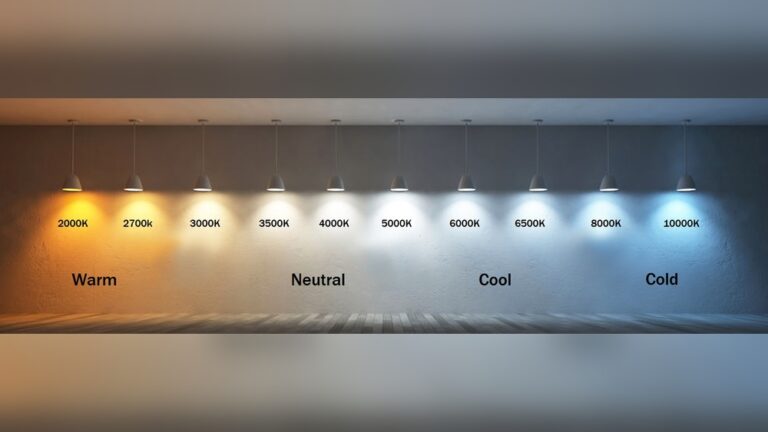
Color temperature plays a big role in how light looks and feels in a room. It measures the warmth or coolness of light from Lumens LED light bulbs. This affects the room’s mood and how colors appear. Choosing the right color temperature can change your space completely.
Warm Vs Cool Light
Warm light has a yellow or orange tone. It feels cozy and soft. It works well in living rooms, bedrooms, and dining areas. Cool light has a blue or white tone. It looks bright and sharp. It suits kitchens, offices, and workspaces. Each type of light fits different needs and times of day.
Mood And Ambiance
Warm light creates a calm and relaxing mood. It makes spaces feel inviting and comfortable. Cool light boosts alertness and focus. It helps with tasks that need attention to detail. The right color temperature helps set the mood you want. It can make your home or office more pleasant to be in.
How To Read Led Bulb Packaging
Reading LED bulb packaging can save you time and money. It helps you pick the right bulb for your needs. Packages have many numbers and symbols that might confuse you. Learning what these mean makes shopping easier and smarter.
Identifying Lumens
Lumens show how bright the bulb is. Higher lumens mean more light. For example, 800 lumens is like a traditional 60-watt bulb. Check the lumens number on the package to find brightness. Choose more lumens for bigger rooms or tasks needing strong light.
Checking Energy Ratings
Energy ratings tell how much power the bulb uses. Look for labels like ENERGY STAR or watts used. LED bulbs use less watts but give more light than old bulbs. Lower watt numbers mean lower electricity bills. Always pick bulbs with good energy ratings for savings.
Understanding Lifespan Indicators
Lifespan shows how long the bulb lasts. It is often in hours, like 15,000 hours. Longer lifespan means less frequent replacements. Check this number to know how durable the bulb is. Good LED bulbs can last many years without burning out.
Installing And Maintaining Led Bulbs
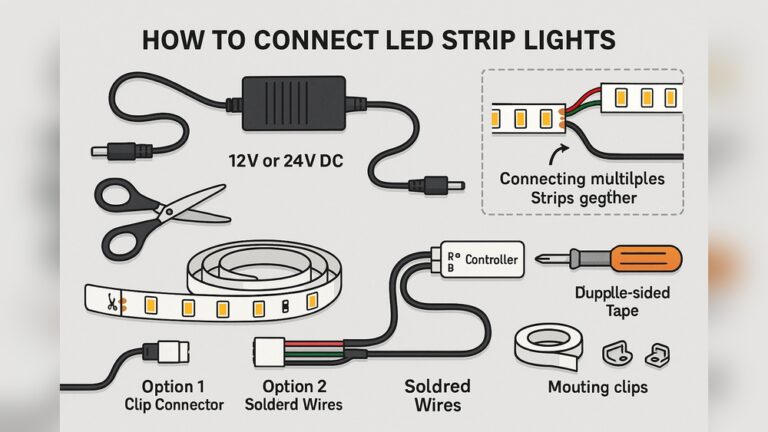
Installing and maintaining LED bulbs is simple and helps save energy. These bulbs last longer than traditional ones. Proper care keeps them bright and efficient. Follow easy steps to install and maintain your Lumens LED light bulbs.
Proper Installation Tips
Turn off the power before installing the bulb. Use a clean, dry cloth to hold the bulb. Screw the bulb gently into the socket. Do not force it to avoid damage. Make sure the bulb fits the fixture type. Check the wattage matches the fixture’s limit. Turn the power back on after installation.
Cleaning And Care
Switch off the light and let the bulb cool. Use a soft cloth to wipe dust from the bulb. Avoid water or cleaning sprays on the bulb. Clean fixtures regularly to keep light bright. Handle bulbs carefully to avoid breaking. Replace bulbs that flicker or dim unusually.
Disposal And Recycling
LED bulbs do not contain harmful mercury. Do not throw them in the regular trash. Take used bulbs to a recycling center. Many stores accept old LED bulbs for recycling. Recycling helps protect the environment. Follow local rules for proper disposal.
Common Myths About Led Brightness
Many people have wrong ideas about how bright LED lights really are. These myths can make choosing the right bulb confusing. Clearing up these myths helps you get the best light for your space. LED bulbs are different from old bulbs, and understanding this difference is key.
Leds Are Too Harsh
Some say LED lights feel too bright or sharp. This is not true for all LEDs. Many LED bulbs offer soft, warm light that feels cozy. The color temperature controls how warm or cool the light looks. You can pick LEDs that create a gentle glow, perfect for any room.
Higher Watts Mean Brighter Light
Watts show how much energy a bulb uses, not brightness. Lumens measure how bright the light is. An LED bulb with fewer watts can shine brighter than an old bulb with more watts. Look for lumens on the package to find the right brightness.
Leds Don’t Work With Dimmer Switches
Many think LEDs cannot dim. Some older LEDs did not work with dimmers, but new ones do. You must use dimmer switches made for LEDs. This lets you adjust the light level smoothly. Dimming can save energy and create the mood you want.

Frequently Asked Questions
What Are Lumens In Led Light Bulbs?
Lumens measure the brightness of LED light bulbs. Higher lumens mean brighter light. Lumens help compare bulb brightness accurately.
How Many Lumens Do Led Bulbs Need?
For general use, 800 lumens equals a 60-watt bulb. Brightness depends on room size and purpose. Choose lumens based on desired light intensity.
Why Choose Led Bulbs With Higher Lumens?
Higher lumens provide brighter, clearer light. They improve visibility and energy efficiency. LED bulbs with high lumens save electricity and last longer.
How To Convert Watts To Lumens For Leds?
Watts show energy use, lumens show brightness. Typically, 1 watt equals about 80-100 lumens in LEDs. Use lumens for better brightness comparison.
Conclusion
Choosing the right lumens LED light bulbs saves energy and brightens your space. They use less power but shine brighter than old bulbs. This helps cut your electricity bills and lasts much longer. Bright, clear light makes your home feel warm and inviting.
Simple to install and good for any room. Think about lumens, not just watts, when buying bulbs. Better light quality means better comfort and less eye strain. Small change with big benefits. A smart choice for your home and wallet.