
Ampoulight 3 Way Led Light Bulb Review
Affiliate links — we may earn a commission
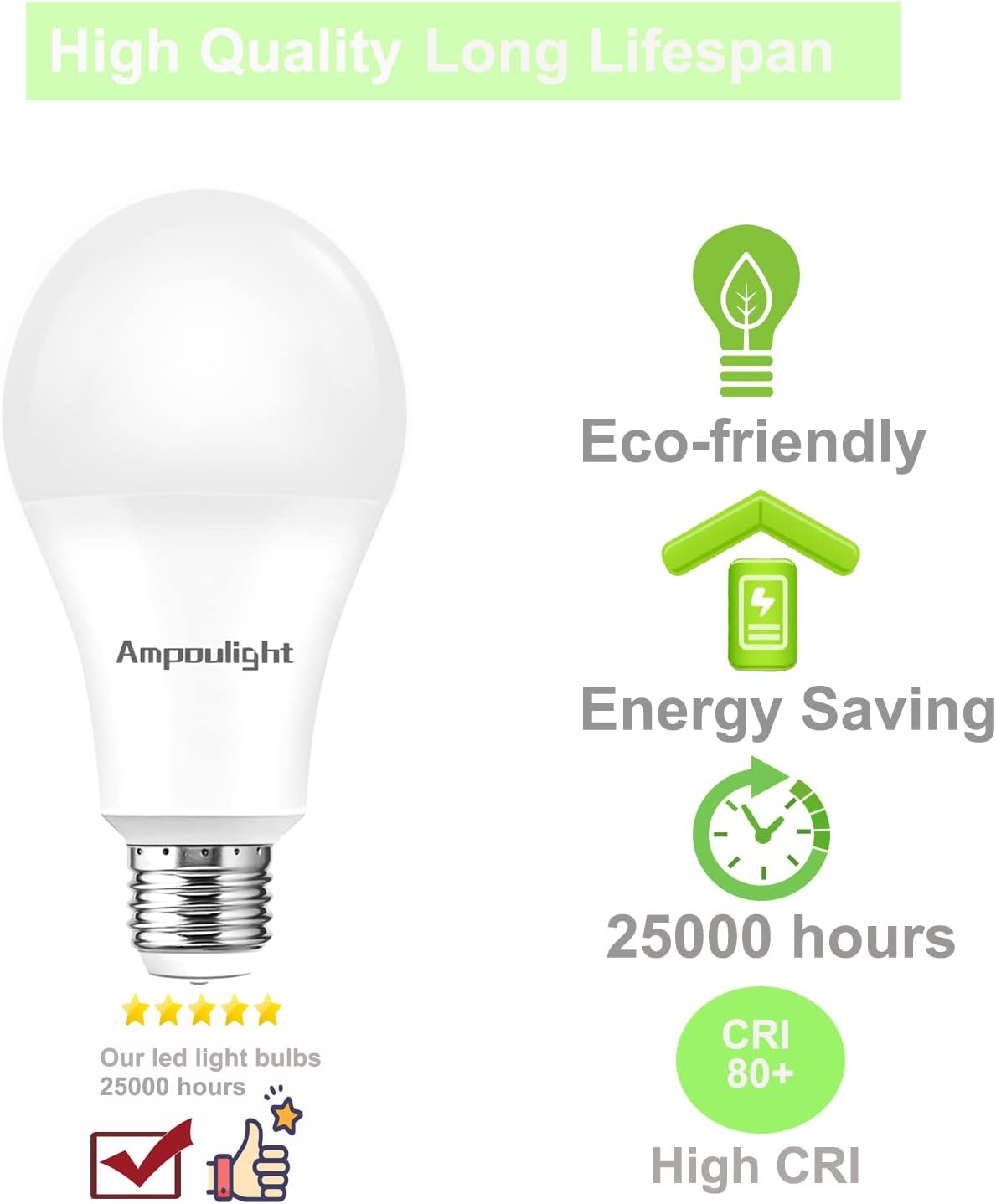
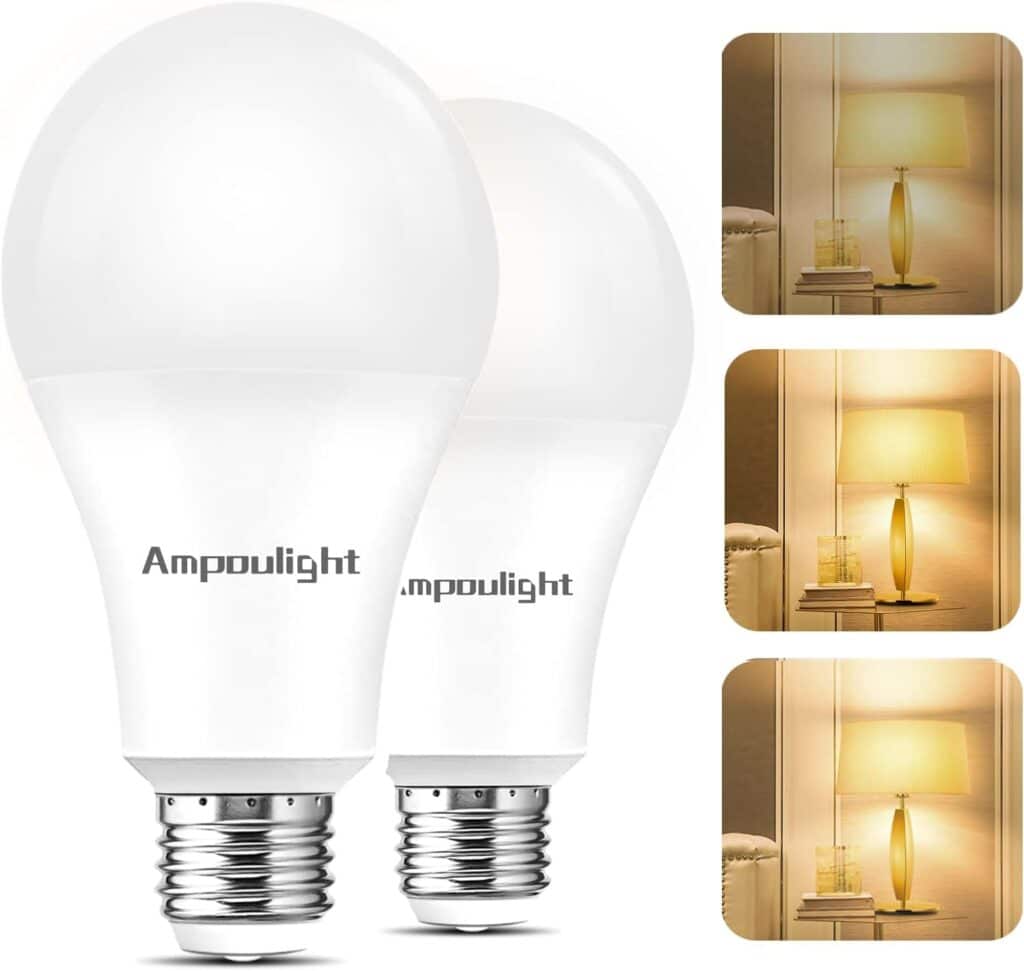
Looking for a versatile and efficient lighting solution? Look no further than the Ampoulight 3 Way Led Light Bulb. This bulb offers three levels of brightness – 500LM, 1600LM, and 2100LM, all in one bulb. Perfect for various rooms in your home, such as the kitchen, living room, or bathroom, this bulb provides premium materials, superior light quality, and excellent after-sales service. With no lead, mercury, or UV light, this bulb is eco-friendly and safe for use. Enjoy a comfortable and stress-free atmosphere with its zero glare and flicker-free design. With a 24-month warranty and reliable customer support, you can trust the Ampoulight 3 Way Led Light Bulb to brighten up your life.
This image is property of Amazon.com.

Why Consider This Product?
When it comes to lighting up your space, the Ampoulight 3 Way LED Light Bulb is the ideal choice. With its three-way dimming feature, you have the power to adjust the brightness to your liking. Whether you need a soft glow for relaxing in your living room or a bright light for reading in your study, this bulb has you covered.
Not only does this bulb provide customizable lighting, but it also boasts premium materials and superior light quality. Made with high-quality circuits and materials, these bulbs are long-lasting and eco-friendly. They contain no lead, mercury, or UV light, ensuring the safety of your family and the protection of our environment.
[aiwm-amazon-card title=”Ampoulight 3 Way Led Light Bulb 50-100-150W Equivalent A21,3 Way Bulb 4000K Natural White,500-1600-2200LM High Lumens, 6-14-20W E26 Medium Base Bulb for Reading 2 Pack” image_url=”https://m.media-amazon.com/images/I/61QedF1yVuL._AC_SL1500_.jpg” product_url=”https://www.amazon.com/dp/B0CHRQCQ96?tag=ledlightin05e-20″ original_price=”” discounted_price=”7.99″ currency=”USD|$” availability=”” disclaimer=”As an Amazon Associate, I earn from qualifying purchases”]
Features and Benefits
High Lumens and 3-Way Dimming
The Ampoulight 3 Way LED Light Bulb is designed to provide you with the perfect level of brightness for any occasion. With three levels of brightness (500LM/1600LM/2100LM), you can easily adjust the lighting according to your needs. Whether you are hosting a dinner party or working on a craft project, this bulb offers versatility like no other.
Premium Materials and Zero Glare
With its high-quality materials and circuits, this LED light bulb guarantees longevity and durability. Say goodbye to fragile glass parts and potentially dangerous substances. The Ampoulight 3 Way LED Light Bulb is built to last and ensure the safety of your home.
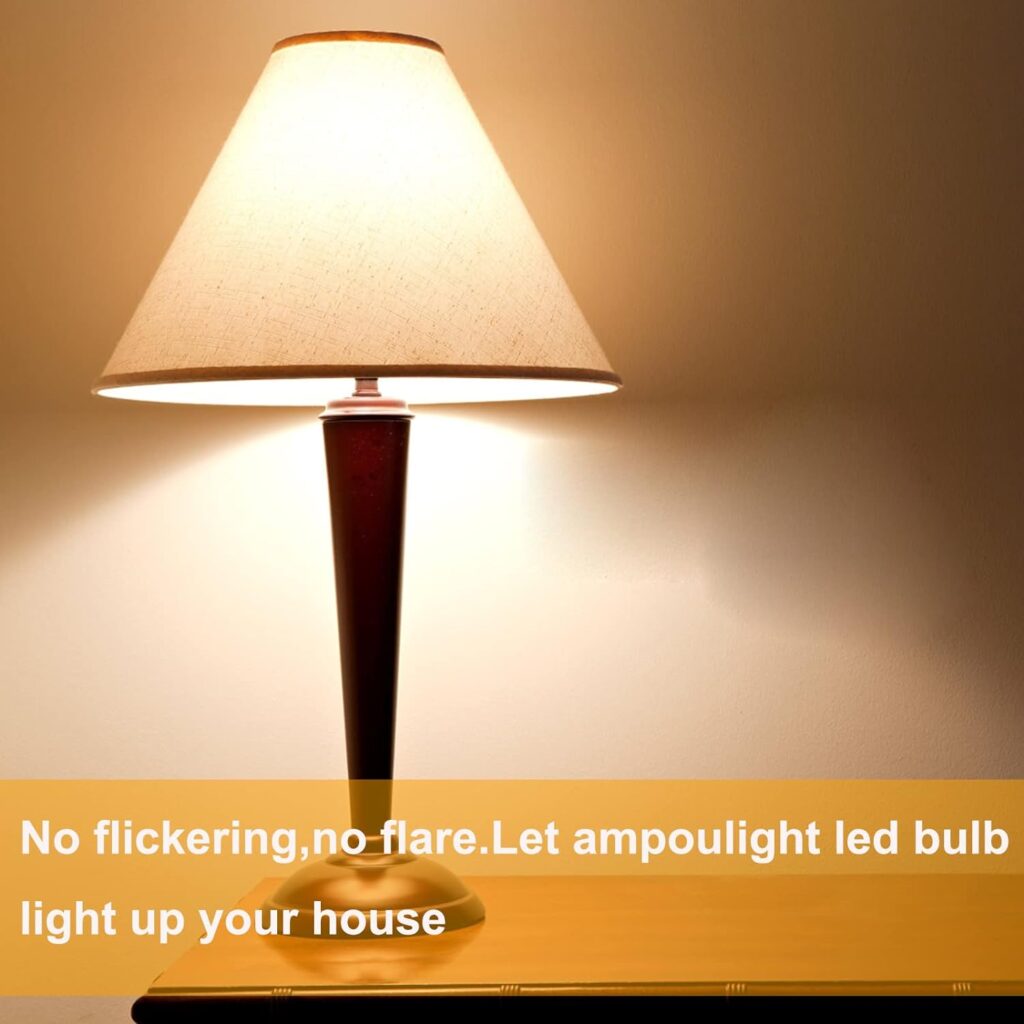
Furthermore, this bulb offers superior light quality with a Color Rendering Index (CRI) of 80+. This means that the colors in your space will be displayed accurately and vividly. No more straining your eyes or dealing with annoying glares. Enjoy a stress-free atmosphere in your home with this flicker-free bulb.
Perfect After Sale Service
At Ampoulight, customer satisfaction is our top priority. We believe in the quality of our products, which is why each bulb undergoes strict quality inspections before being shipped to you. Additionally, we offer a 24-month warranty, so you can have peace of mind knowing that we’ve got you covered.
This image is property of Amazon.com.

Product Quality
At Ampoulight, we never compromise on quality. Our LED light bulbs are crafted with the finest materials and circuits to ensure longevity and durability. We prioritize the safety of our customers and the environment by eliminating lead, mercury, UV light, and other toxic substances from our bulbs. Rest assured that when you purchase an Ampoulight 3 Way LED Light Bulb, you are investing in a high-quality product that will provide you with years of reliable lighting.
What It’s Used For
Versatile Lighting Options
The Ampoulight 3 Way LED Light Bulb is perfect for a variety of spaces in your home. Whether you need bright lighting for your kitchen, a cozy ambiance for your living room, or focused lighting for your sewing room, this bulb can do it all. It is also compatible with old-style 3-way LED fixtures, making it a versatile choice for different lighting setups.
A Reading Light or Fixture
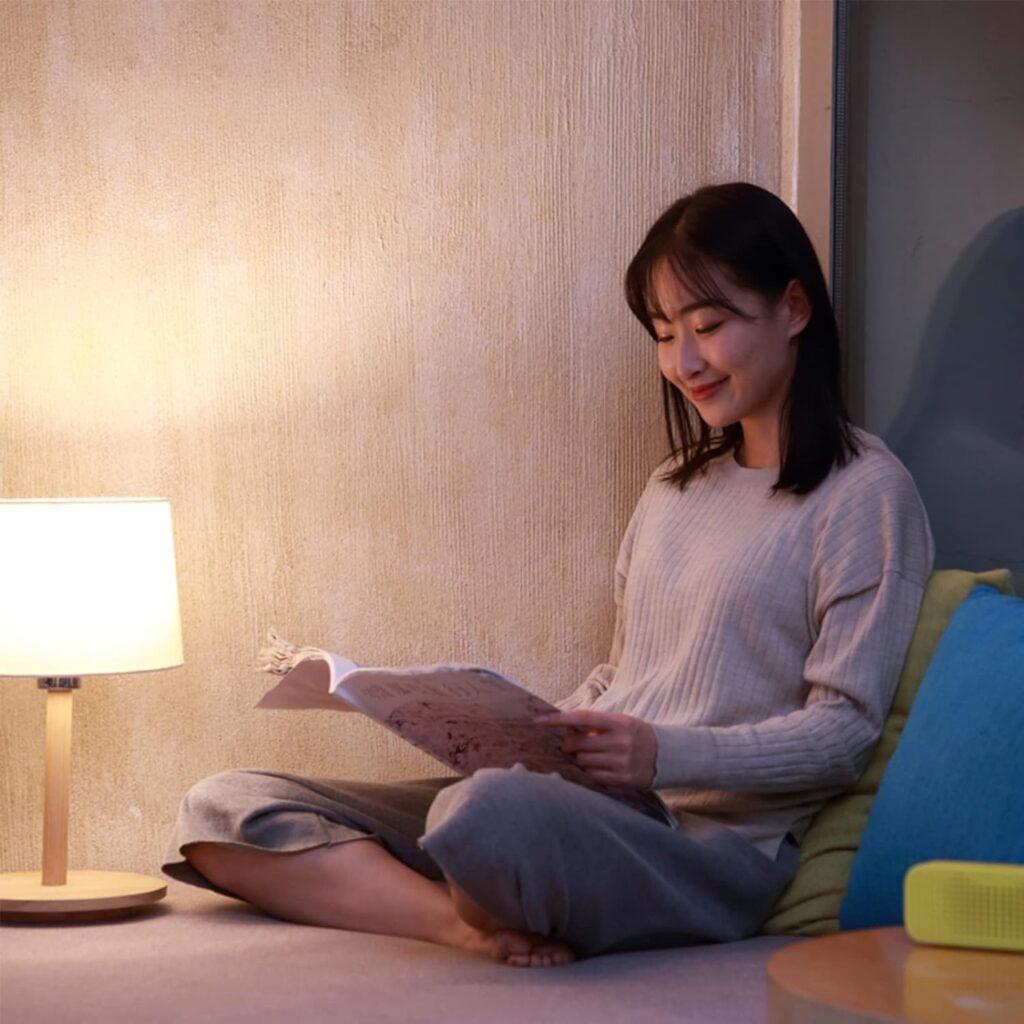
Transform your reading experience with the Ampoulight 3 Way LED Light Bulb. The adjustable brightness levels allow you to create the perfect reading environment. Say goodbye to straining your eyes and hello to a comfortable reading experience.
This image is property of Amazon.com.

Product Specifications
| Product Name | Ampoulight 3 Way LED Light Bulb |
|---|---|
| Equivalent Wattage | 50-100-150W |
| Color Temperature | 4000K Natural White |
| Lumens | 500-1600-2200LM |
| Power Consumption | 6-14-20W |
| Base Type | E26 Medium Base |
| Quantity | 2 Pack |
Who Needs This
Anyone in need of versatile and high-quality lighting solutions would benefit from the Ampoulight 3 Way LED Light Bulb. Whether you are looking to brighten up your home or create a soothing ambiance in your workspace, this bulb offers the versatility and reliability you need.
This image is property of Amazon.com.

Pros and Cons
Pros:
- Three-way dimming for customizable lighting
- Premium materials and eco-friendly design
- Superior light quality with zero glare
- Perfect for a variety of spaces and fixtures
Cons:
- Only compatible with old style 3-way LED fixtures
FAQ’s
-
Are these bulbs compatible with my existing fixtures?
- The Ampoulight 3 Way LED Light Bulbs are only compatible with old style 3-way LED fixtures.
-
Can I adjust the brightness levels of the bulb?
- Yes, you can easily adjust the brightness levels with the three-way dimming feature.

This image is property of Amazon.com.

What Customers Are Saying
Customers love the versatility and quality of the Ampoulight 3 Way LED Light Bulb. Many have praised its ability to provide bright and adjustable lighting, making it the perfect choice for any room in the house. The high-quality materials and zero glare feature have also received positive feedback, ensuring a comfortable and stress-free atmosphere in their homes.
Overall Value
The Ampoulight 3 Way LED Light Bulb offers exceptional value for its price. With its customizable brightness levels, premium materials, and superior light quality, it surpasses traditional light bulbs in every way. Investing in this bulb means investing in long-lasting and versatile lighting solutions.
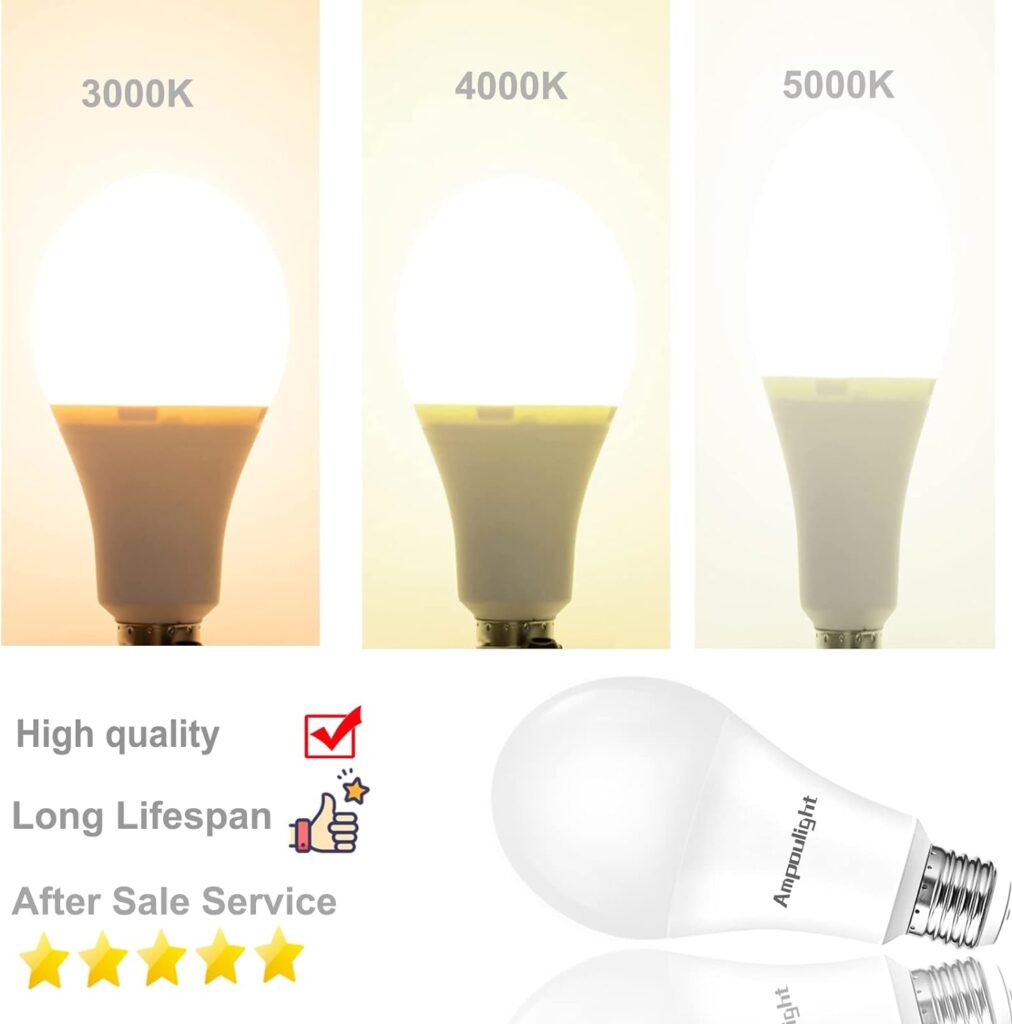
This image is property of Amazon.com.

Tips and Tricks For Best Results
To get the best out of your Ampoulight 3 Way LED Light Bulb, consider the following tips:
- Experiment with the three brightness levels to find the perfect lighting for each room
- Use it as a reading light to reduce eye strain and enhance your reading experience
- Make sure to check the compatibility of your fixtures before purchasing.
Final Thoughts
Product Summary
The Ampoulight 3 Way LED Light Bulb is an exceptional lighting solution for any space in your home. With its three-way dimming feature, premium materials, and superior light quality, it offers versatility and reliability like no other. Say goodbye to harsh glares and hello to a comfortable and stress-free atmosphere.
Final Recommendation
If you are looking for a long-lasting, eco-friendly, and versatile lighting solution, look no further than the Ampoulight 3 Way LED Light Bulb. With its adjustable brightness levels, high-quality materials, and zero glare feature, it is sure to exceed your expectations. Illuminate your life with this exceptional bulb.

Disclosure: As an Amazon Associate, I earn from qualifying purchases.


Wow, this Ampoulight bulb sounds amazing! Cant wait to try it out and say goodbye to glare!
I tried the Ampoulight bulb and honestly, it was a major disappointment. The supposed glare reduction was barely noticeable, and it certainly didnt live up to the hype. Save your money and stick to regular bulbs.
Wow, this Ampoulight 3 Way Led Light Bulb sounds like a game-changer! Who knew bulbs could be so fancy?
Who needs a 3-way LED light bulb? Just stick to the good ol regular ones!
Actually, 3-way LED light bulbs offer versatility and energy efficiency. They allow you to adjust the brightness according to your needs, saving you money in the long run. Embrace innovation and dont be afraid to upgrade, my friend.
Who even needs a 3-way LED bulb? Just use regular ones and save money!
I dont get the hype about these 3-way LED bulbs. Are they really worth it?
Who needs a 3-way dimming bulb when you can just use regular ones? #unnecessaryluxury
I dont get the hype over 3-way dimming. Who needs that much control?
3-way dimming offers versatility and ambiance in different settings. Its not about needing that much control, its about having the option to customize lighting to suit your mood or activity. Dont knock it till youve tried it!
I dont see the hype. Regular bulbs work just fine for me. 🤷♂️
Who needs 3-way dimming and premium materials for a light bulb? Overrated and unnecessary!
Wow, its interesting how opinions differ. Personally, I love having the option to dim my lights and appreciate the quality of premium materials. It adds a touch of luxury and ambiance to my home. But hey, to each their own!
I think this product is overhyped. LED bulbs are not that revolutionary.
I dont see the hype. Regular bulbs work just fine for me.
I dont get the hype. Regular bulbs work just fine for me.
I think the Ampoulight is overrated, regular bulbs work just fine.
I dont get the hype. Regular bulbs work just fine for me.
Is the Ampoulight 3 Way Led Light Bulb really worth the hype? Lets discuss!
Why not opt for Ampoulight 3 Way LED Bulb for a cozy ambiance? 🌟
Why bother with 3-way dimming when you can just switch on/off?
I dont get the hype over this light bulb. Seems overrated to me.
I guess some people just cant appreciate quality when they see it. This light bulb is a game-changer in energy efficiency and longevity. Maybe stick to your old, outdated bulbs if you cant handle progress.
I dont see the hype. Regular bulbs work just fine for me.
Why bother with fancy lighting when candles are more romantic? 🕯️
I think this light bulb is overrated. There are better options out there.
I dont see the point of high lumens if it blinds you!
Interesting read on the Ampoulight 3 Way Led Light Bulb. Im curious, though, how does it compare to other LED bulbs in terms of energy consumption? I read that it has high lumens, but does this equate to higher electricity usage? Would love to hear your thoughts on this.
While the article does a great job highlighting the features of the Ampoulight 3 Way Led Light Bulb, Im curious about its energy efficiency. With its high lumens and 3-way dimming, could it be a power guzzler? And whats the bulbs lifespan? Would love to get some insight on this.
Id be interested to know if anyone has found the zero glare feature to be as impressive in person as it sounds in this article. Also curious about the lifespan of these Ampoulight bulbs. Are they really worth the investment considering the high lumens and 3-way dimming? Lets chat!
Interesting review on the Ampoulight 3-Way LED light bulb. However, Im curious about the longevity of this product. With its high lumens and 3-way dimming, does it burn out quicker than regular bulbs? Also, how does the zero glare feature work in a practical setting? Is it effective in all environments?
Has anyone else noticed that the Ampoulight 3-way LED bulb offers great lumens but still doesnt quite match a traditional bulbs warmth? Its an excellent energy-efficient choice, but the color temperature seems a tad off.
Agreed. The Ampoulights warmth is more like lukewarm at best! Energy-efficient but not cozy-efficient!
Is anyone else wondering if the 3-way dimming feature on the Ampoulight bulb is really necessary? I mean, how often do we actually adjust our bulb brightness? Isnt it more of a gimmick than a practical feature?
Interesting read. But, did anyone else notice that they completely skipped over the lifespan of the Ampoulight? Would have appreciated some insight on that.
Id argue that understanding the longevity of the Ampoulight LED bulb is vital. The article missed that. High lumens and zero glare are great, but how long does it last under regular use?
Interesting read, but did anyone else wonder about the longevity of these Ampoulight bulbs? Despite the high lumens and dimming features, the article didnt mention anything about their lifespan. 🤔
Im curious, has anyone actually compared the energy consumption of these Ampoulight 3 Way LED bulbs with traditional bulbs? They promise high lumens, but are they really energy efficient?
Really, Ampoulight? Ive heard they overheat and flicker. Anybody else experienced that? Are these high lumens worth the hype?
Am I the only one who thinks Ampoulights Zero Glare feature is overrated? High lumens, sure, but wheres the charm of warm, soft light?
High lumens isnt about charm, its about visibility. Safety over aesthetics, dont you think?
Interesting read, but Ive got to ask – is it truly worth the hype? The zero glare feature is great, but arent there cheaper alternatives with similar specs? Im just not sold on this Ampoulight yet.
This Ampoulight review seems biased. I mean, cmon, zero glare? Has anyone actually tested this? And what about the energy consumption? Always these glowing reviews but no hard facts. Lets keep it real, folks.
Interesting read! But, did anyone else notice if the Ampoulight bulb emits a buzzing sound on dimming? Just curious.
Does the Ampoulight 3-way LED bulb really have zero glare? Seems too good to be true. Can anyone confirm this?
Do we know if Ampoulights zero glare feature also applies to their 3-way dimming? Doesnt seem clear in the article.