Led Lights Vs Bulbs: Ultimate Energy-Saving Showdown
Affiliate links — we may earn a commission
Are you wondering whether to switch your home or office lighting to LED lights or stick with traditional bulbs? Choosing the right lighting can save you money, boost your comfort, and even impact your mood.
But with so many options, it’s easy to feel confused. This article will break down the key differences between LED lights and bulbs, helping you make a smart choice that fits your needs. Keep reading to discover which option shines brightest for you.

Energy Efficiency Comparison
Energy efficiency is a key factor when choosing lighting. It affects electricity bills and the environment. LED lights and traditional bulbs use energy differently. Understanding this difference helps in making smart choices.
This section compares their power use, brightness per energy unit, and lifespan.
Power Consumption Differences
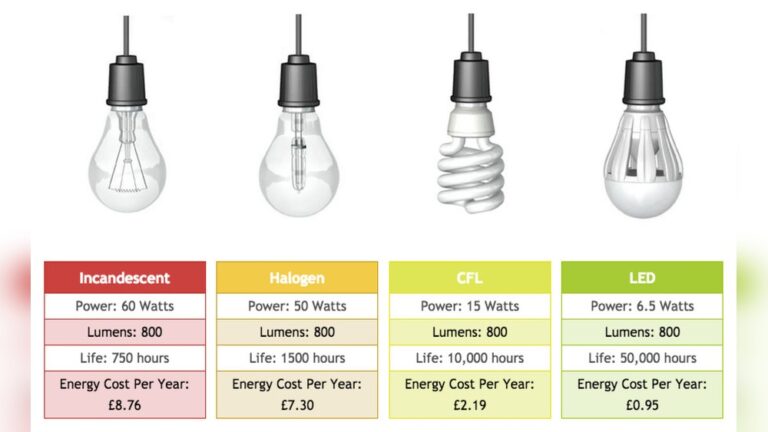
LED lights use much less power than bulbs. A typical LED bulb uses about 10 watts. A similar traditional bulb can use 60 watts or more. This means LEDs need less electricity to work. Lower power means lower energy bills.
Lumens Per Watt
Lumens measure brightness. Lumens per watt show how much light you get for energy used. LEDs produce more lumens per watt than bulbs. They give brighter light for less power. This makes LEDs more efficient and cost-effective.
Lifespan And Durability
LEDs last far longer than traditional bulbs. An LED can work for 25,000 hours or more. Bulbs usually last about 1,000 hours. LEDs are also tougher and less likely to break. This reduces replacement needs and waste.
Cost Analysis
Understanding the cost differences between LED lights and traditional bulbs helps you make smart choices. Cost analysis covers how much you spend at first, over time, and on upkeep.
This section breaks down these costs clearly for easy comparison.
Initial Purchase Price
LED lights usually cost more upfront than regular bulbs. The price difference can be two to five times higher. Traditional bulbs are cheaper to buy but may need replacing more often. The higher cost of LEDs reflects their technology and longer life.
Long-term Savings
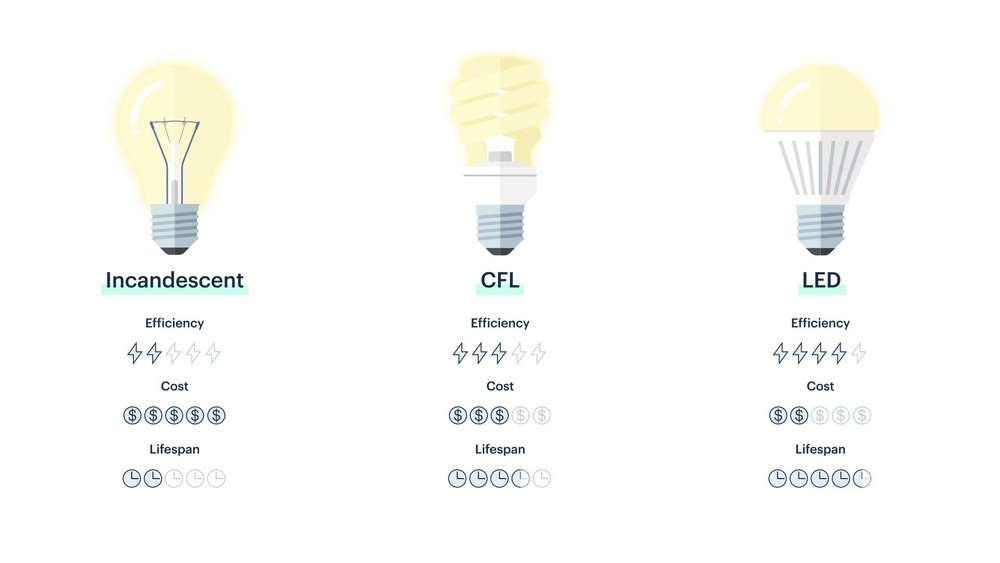
LED lights use much less electricity than bulbs. This means lower electricity bills each month. Over years, LEDs save a lot of money on energy. Traditional bulbs waste more power and cost more to run. The long-term savings with LEDs often cover the initial price gap.
Maintenance Expenses
LEDs last much longer than regular bulbs. This means fewer replacements and less money spent on new lights. Traditional bulbs burn out faster and need more frequent changes. Lower maintenance costs make LEDs a better choice over time.
Light Quality And Performance
Light quality and performance play a big role in choosing between LED lights and traditional bulbs. These factors affect how well a space is lit and how comfortable the light feels. Understanding these differences helps you pick the right lighting for your home or office.
Brightness And Color Options
LED lights offer high brightness with less energy use. They come in many color options, from cool white to warm yellow. Traditional bulbs usually have fewer color choices and use more power. LEDs let you pick light that fits your mood and needs.
Warmth And Ambiance
Traditional bulbs often produce warm, soft light. This creates a cozy, inviting atmosphere. LEDs can also mimic this warmth but can be adjusted to cooler tones. This flexibility makes LEDs suitable for different rooms and times of day.
Flicker And Eye Comfort
Flickering light can cause eye strain and headaches. Traditional bulbs may flicker more due to their design. LEDs have less flicker, offering steady light. This steady light is easier on the eyes, especially for long use.
Environmental Impact
The environmental impact of lighting choices affects our planet’s health. Energy use, materials, and waste all play roles in this impact. Comparing LED lights and traditional bulbs helps us choose better options. Understanding key factors guides us toward greener living.
Carbon Footprint
LED lights use less energy than bulbs. This reduces greenhouse gas emissions during use. Bulbs, especially incandescent, consume more electricity. Higher energy use means more carbon dioxide released. Lower power use of LEDs helps fight climate change.
Recyclability
LED lights contain parts that can be recycled. Metals, glass, and plastics are often reusable. Bulbs also have recyclable materials but less commonly recycled. Proper disposal and recycling reduce landfill waste. LEDs encourage more recycling due to their design.
Toxic Materials
Some bulbs contain harmful chemicals like mercury. Compact fluorescent bulbs have this risk. LEDs have fewer toxic materials and safer components. Using LEDs lowers the chance of toxic waste. Safe materials protect soil and water from pollution.
Installation And Compatibility
Choosing between LED lights and traditional bulbs depends a lot on installation and compatibility. This section explores how each type fits into your current fixtures, their dimming options, and how easy they are to install. Understanding these points helps you pick the right light for your needs.
Fixture Compatibility
LED lights fit most fixtures designed for traditional bulbs. They come in standard sizes and shapes. This makes swapping old bulbs with LEDs simple. Some specialty fixtures may need specific LED models. Check the fixture’s requirements before buying. Traditional bulbs usually fit all standard sockets without issues.
Dimming Capabilities
LEDs offer better dimming options than many traditional bulbs. They work well with modern dimmer switches. Some older dimmers may cause flickering with LEDs. Choose dimmers made for LED use to avoid this. Traditional bulbs also dim but use more energy and heat. LED dimming saves energy and lasts longer.
Ease Of Installation
Installing LED lights is quick and straightforward. They often use the same base types as regular bulbs. Just screw in the LED and switch on. No extra wiring or tools are needed. Traditional bulbs are equally easy to install. Both types suit DIY projects or quick replacements.
Common Use Cases
LED lights and traditional bulbs serve different needs based on their features. Each type fits better in certain places and uses. Understanding where to use each can help save money and energy.
Residential Lighting
LED lights work well in homes. They use less power and last longer than bulbs. People use LEDs for kitchens, living rooms, and bedrooms. They provide bright, clear light that helps with daily tasks.
Traditional bulbs still appear in some homes. They offer warm, soft light. This type suits cozy areas like dining rooms or bedrooms. But they consume more energy and need frequent replacement.
Commercial Settings
Businesses prefer LED lights for offices and stores. LEDs cut electricity costs and reduce maintenance. They create bright, even lighting that improves work focus. LED panels and strips suit large spaces well.
Some companies use bulbs in decorative lamps or fixtures. Bulbs give a classic look. Yet, they increase expenses due to shorter life and higher energy use. LEDs are often a better choice for long-term savings.
Outdoor Applications
LED lights dominate outdoor lighting. Street lights, garden lights, and security lamps benefit from LEDs. They handle weather changes and stay bright for years. LEDs also reduce light pollution with focused beams.
Bulbs appear in some outdoor lanterns or festive lights. They provide a warm glow but burn out quickly. Bulbs may not withstand harsh weather well. LEDs offer more durability and efficiency outside.
Future Trends In Lighting
The future of lighting is moving fast. New technologies are changing how we light our homes and streets. LED lights and bulbs will play a big role in this change. They are getting smarter, more efficient, and easier to control. This section explores key trends shaping the future of lighting.
Smart Lighting Integration
Smart lighting systems connect LED lights to the internet. They allow remote control through apps or voice commands. You can change brightness, color, and schedules easily. These systems help save energy by adjusting light only when needed. Smart lighting also improves security with motion sensors and timers.
Advancements In Led Technology
LED technology keeps improving in brightness and color quality. New LEDs use less power and last longer than before. Researchers develop LEDs that mimic natural sunlight better. This helps reduce eye strain and improve mood. Flexible and thin LED panels are becoming common for unique designs.
Energy Regulations
Governments worldwide push for stricter energy rules. These rules limit how much power lights can use. LEDs meet these rules better than traditional bulbs. New standards encourage using more efficient lighting to reduce pollution. Consumers will see more energy-saving lighting options on the market.

Frequently Asked Questions
What Are The Main Differences Between Led Lights And Bulbs?
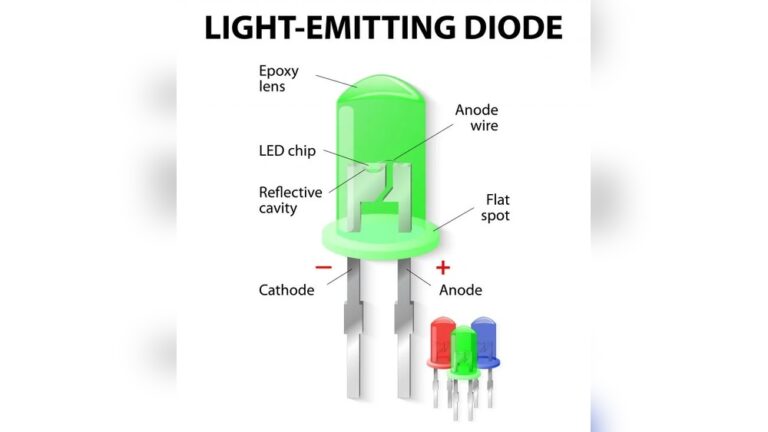
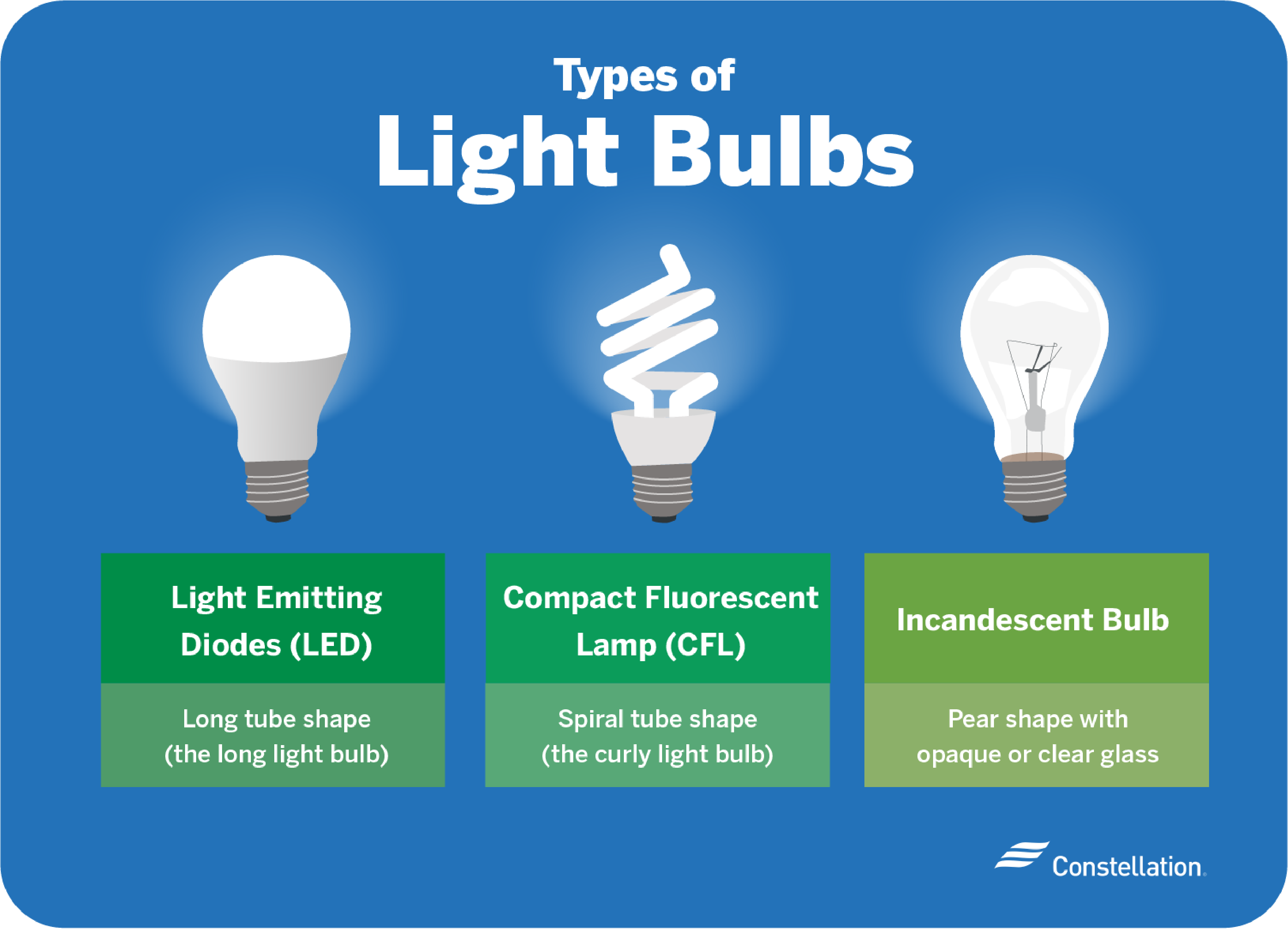
LED lights use light-emitting diodes, while bulbs refer to traditional incandescent or CFL bulbs. LEDs are more energy-efficient, last longer, and produce less heat compared to bulbs. Bulbs consume more power and have a shorter lifespan. LEDs offer better durability and environmental benefits.
Are Led Lights More Energy-efficient Than Bulbs?
Yes, LED lights consume up to 80% less energy than traditional bulbs. They convert most electricity into light, wasting less as heat. This efficiency leads to lower electricity bills and a reduced carbon footprint. LEDs are ideal for energy-conscious users.
Which Lasts Longer: Led Lights Or Bulbs?
LED lights typically last 25,000 to 50,000 hours. In comparison, incandescent bulbs last around 1,000 hours, and CFLs about 8,000 hours. Longer lifespan means fewer replacements and less waste with LEDs, making them a cost-effective lighting option over time.
Can Led Lights Replace Traditional Bulbs In All Fixtures?
Most LED lights can replace traditional bulbs in standard fixtures. However, compatibility with dimmers and specific fittings should be checked. LEDs come in various shapes and sizes to match existing bulbs, making the switch easy and convenient.
Conclusion
Choosing between LED lights and bulbs depends on your needs. LEDs use less energy and last longer. Bulbs may cost less but need frequent replacement. Brightness and color also matter for your space. Think about saving money and the environment.
Small changes in lighting can make a big difference. Pick the option that fits your home and budget best. Simple and smart choices lead to better lighting.

Alex Navarro
Hi, I'm leds.to, the founder of the world's #1 LED lighting review site. At leds.to, we strive to provide you with the most comprehensive and reliable reviews on LED lighting products. Whether you're looking for car LEDs, super bright LEDs, or even grow light LEDs, you'll find all the information you need right here on our site. With years of experience in the industry, I'll guide you towards making the best purchasing decisions for your lighting needs. Trust me to shed light on the world of LEDs and help you find the perfect lighting solutions.