Led Lights to Help Plants Grow: Boost Growth with Smart Lighting
Affiliate links — we may earn a commission
Are you struggling to keep your plants healthy and thriving indoors? Imagine if there was a simple way to boost their growth, no matter the season or sunlight available.
Led lights to help plants grow might be the solution you’ve been looking for. These special lights can give your plants the exact kind of energy they need to flourish. You’ll discover how LED grow lights work, why they’re better than traditional options, and how you can use them to turn your home into a green oasis.
Keep reading—your plants will thank you!

Benefits Of Led Grow Lights
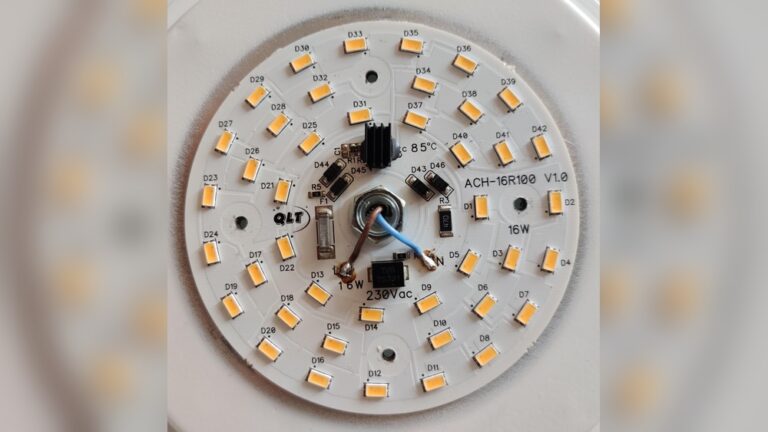
LED grow lights offer many benefits for plant growth. They help plants get the right light without wasting energy. These lights are designed to support photosynthesis, which helps plants grow faster and healthier. Using LED grow lights can save money and time for gardeners and farmers alike.
Here are some key benefits of using LED grow lights for plants.
Energy Efficiency
LED grow lights use less electricity than traditional lights. They convert most energy into usable light. This means lower power bills and less heat production. Less heat means plants stay cooler and avoid damage. Energy efficiency makes LED lights a smart choice for indoor gardening.
Long Lifespan
LED grow lights last much longer than other lights. They can work for tens of thousands of hours. This reduces the need to buy new bulbs often. A long lifespan saves money and effort. It also means less waste, which is better for the environment.
Customizable Light Spectrum
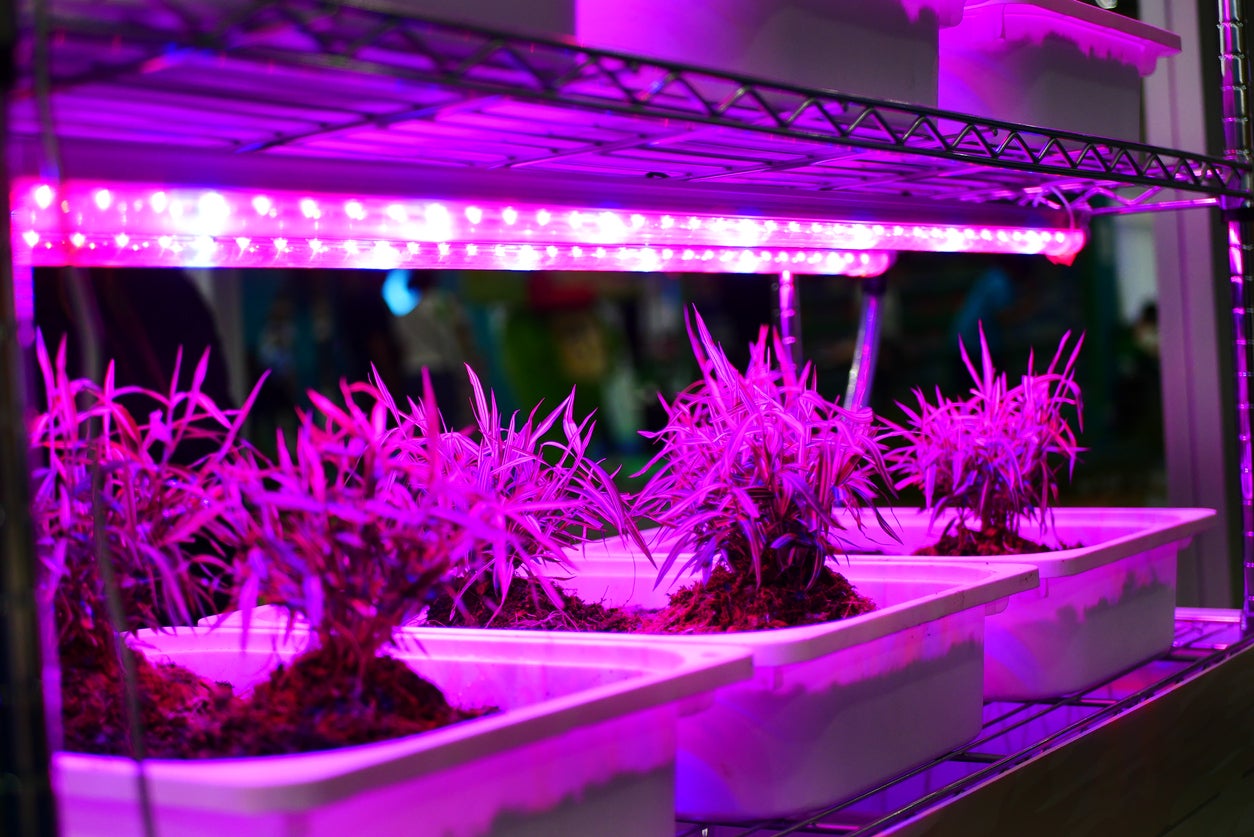
LED grow lights can produce different colors of light. This lets you match the light to your plants’ needs. Plants use different light colors for different growth stages. You can give seedlings blue light and flowering plants red light. This flexibility helps plants grow strong and healthy.
How Led Lights Affect Plant Growth
LED lights have changed how plants grow indoors. These lights provide the right kind of light plants need. This helps plants grow healthier and faster. Understanding how LED lights affect plant growth is important for every gardener. It helps to choose the best light for each stage of the plant’s life.
Plants use light for energy. Different colors of light have different effects on plants. LED lights can give plants the colors they need. This makes them very useful for growing plants inside.
Photosynthesis And Light Spectrum
Photosynthesis is how plants make food. They use light to turn water and carbon dioxide into energy. Blue and red light are most important for this process. LED lights can provide these colors clearly. This helps plants grow strong and healthy. Full spectrum LED lights include all colors plants need. This supports better photosynthesis and growth.
Impact On Vegetative Stage
The vegetative stage is when plants grow leaves and stems. Blue light is key here. It helps plants grow thick and strong. LED lights with blue spectrum help during this stage. They encourage healthy leaf growth. This prepares plants for the next growth phase.
Influence On Flowering Stage
The flowering stage is when plants produce flowers and fruits. Red light plays a big role here. It signals plants to start blooming. LED lights with more red spectrum support this phase. They help flowers grow bigger and last longer. Proper light helps improve the quality of flowers and fruits.
Choosing The Right Led Lights For Plants
Choosing the right LED lights for plants is important for healthy growth. Not all LED lights are the same. Plants need specific light types and strengths to grow well. Picking the correct LED light helps plants get the right energy. This section explains the main factors to consider when choosing LED grow lights.
Types Of Led Grow Lights
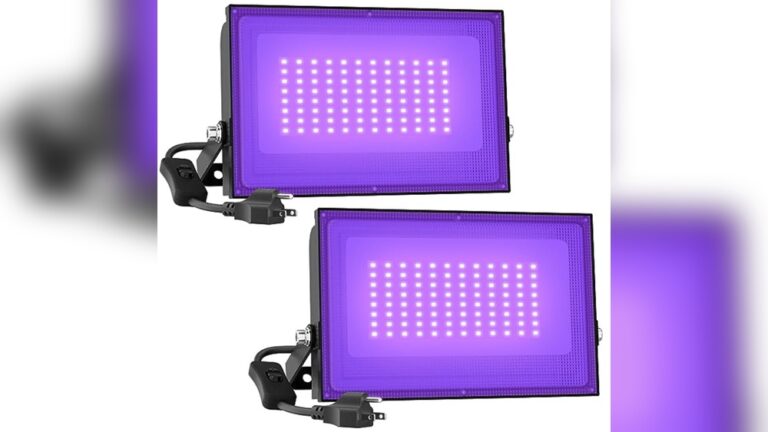
There are several types of LED grow lights. Some use small diodes, others use bigger chips. Full-spectrum LEDs offer light similar to sunlight. Red and blue LEDs focus on specific colors plants need. Choose based on the plant type and growth stage. Seedlings need different light than mature plants.
Wattage And Coverage
Wattage shows how much power a light uses. Higher wattage means more light output. Plants need enough light to cover their leaves. Check the light coverage area before buying. A small light may not cover a big plant. Adjust wattage and distance for better results.
Color Temperature And Spectrum
Color temperature affects plant growth phases. Cooler light (5000K-6500K) helps leaves grow. Warmer light (2700K-3000K) supports flowering and fruiting. Full spectrum lights combine both for all stages. Spectrum means the range of light colors. Plants use blue and red light the most. Choose lights that match the plant’s needs.
Setting Up Led Lights For Optimal Growth
Setting up LED lights correctly helps plants grow strong and healthy. Proper setup ensures plants get enough light without stress. It also saves energy and avoids light damage. Focus on placement, timing, and combining natural light for best results.
Placement And Distance
Place LED lights close to plants, but not too close. Keep lights 12 to 24 inches above leaves. Too close may burn plants. Too far reduces light intensity. Adjust height as plants grow. Use adjustable hangers or shelves for easy changes. Spread lights evenly to cover all plants.
Light Duration And Timing
Set lights to mimic natural daylight hours. Most plants need 12 to 16 hours of light daily. Use timers for consistent light cycles. Avoid sudden changes in light duration. Give plants a rest with 8 to 12 hours of darkness. Darkness helps plants store energy and grow better.
Combining Leds With Natural Light
Use LED lights to support plants during low natural light. Place plants near windows to get sunlight. Supplement with LED lights during cloudy days or winter. This combination boosts photosynthesis and plant health. Watch plants for signs of too much light or shade. Adjust LED use based on natural light levels.
Common Mistakes To Avoid
Using LED lights to help plants grow can boost your garden’s health. Still, mistakes can slow growth or harm plants. Avoid these common errors to get the best results from your LED setup.
Overexposure To Light
Too much light can stress plants. Leaves may burn or dry out. Plants need rest periods without light. Set timers to control light hours. Follow specific light duration for each plant type.
Ignoring Plant Light Requirements
Different plants need different light amounts. Some thrive with bright light, others prefer low light. Check each plant’s needs before choosing LED settings. Using wrong light can stunt growth or cause leaf drop.
Poor Ventilation And Heat Management
LED lights produce some heat. Poor airflow can trap heat and harm plants. Keep fans or vents near your setup. Good ventilation prevents overheating and keeps plants healthy. Monitor temperature regularly to avoid damage.
Advancements In Smart Led Grow Lighting
Smart LED grow lights have improved a lot in recent years. These lights help plants grow better by giving the right amount of light. They use technology to save energy and boost plant health. Growers can now control lighting more easily and precisely.
Automated Light Adjustments
Smart LED grow lights can change brightness and color automatically. They adjust based on the plant’s growth stage. Young plants need different light than mature ones. This helps plants get exactly what they need. It reduces waste and saves electricity.
Integration With Sensors
Sensors work with smart LEDs to measure light, temperature, and humidity. The lights then adjust to keep the environment perfect. Sensors can detect if plants need more light or less. This balance helps plants stay healthy and grow faster.
Remote Monitoring And Control
Growers can control smart LED lights from their phones or computers. They can turn lights on or off and change settings anytime. This makes plant care easier, even from far away. Remote control helps avoid problems before they start.
Case Studies And Success Stories
LED lights have changed how plants grow indoors. Many people and businesses share their stories about using LED lights. These stories show real results. They prove that LED lights help plants grow better and faster. Here are some examples from different settings.
Indoor Herb Gardens
Many home gardeners use LED lights for herbs. They grow basil, mint, and parsley all year. LED lights give the right colors and brightness for herbs.
One gardener reported healthier plants and bigger leaves. The herbs grew faster than with natural light alone. LED lights also saved space and energy.
Commercial Greenhouses
Greenhouses use LED lights to boost plant growth and quality. Farmers grow tomatoes, lettuce, and peppers under LED systems. This helps plants grow in winter and cloudy days.
One commercial grower increased crop yield by 30%. They also cut electricity costs. The LED lights helped plants stay strong and fresh longer.
Urban Farming Projects
Urban farms use LED lights to grow food in cities. They grow vegetables and greens on rooftops and inside buildings. LED lights provide steady light without heat damage.
One urban farm grew leafy greens faster and with less water. They reached more people with fresh produce. LED lights helped make urban farming more practical and green.
Frequently Asked Questions
What Are The Benefits Of Led Lights For Plant Growth?
LED lights provide efficient, targeted light for photosynthesis. They save energy, emit low heat, and promote faster, healthier plant growth indoors and in low-light conditions.
How Do Led Lights Compare To Traditional Grow Lights?
LEDs use less power, last longer, and produce less heat than traditional grow lights. They offer customizable light spectrums ideal for different plant growth stages.
Which Led Light Spectrum Is Best For Plants?
Plants grow best under blue and red LED light spectrums. Blue light supports leaf growth, while red light encourages flowering and fruiting.
Can Led Lights Replace Natural Sunlight For Plants?
Yes, LED lights can supplement or replace sunlight indoors. They provide consistent light, ensuring plants grow well regardless of outdoor weather or season.
Conclusion
LED lights help plants grow strong and healthy indoors. They save energy and last a long time. Plants get the right light they need to make food. You can grow herbs, flowers, and vegetables easily. Using LED lights means better growth all year round.
Small spaces become green and lively. This method suits beginners and expert gardeners alike. Try LED lights to see your plants thrive without much effort. Simple, bright, and effective—LED lights bring life to your garden.